

The Global Inequality Project — Featured resource on Unlearning Capitalism
The Global Inequality Project
The Global Inequality Project was created to make research and data on imperialism and global inequality accessible to a broader audience.
About
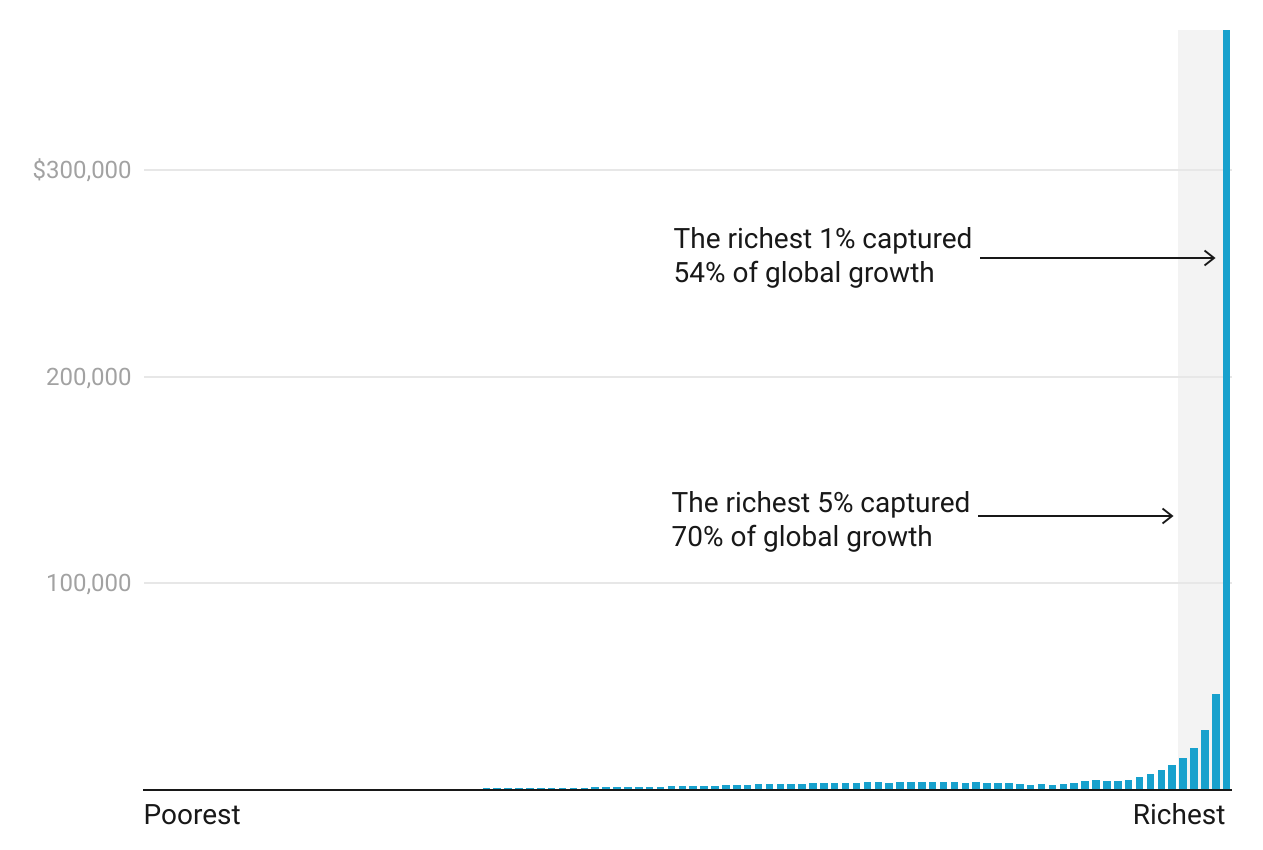
We live in a world where a few people capture unimaginable wealth while billions are denied access to basic needs. Such extreme inequality is not natural or inevitable. It is an effect of the dominant economic system, capitalism, where production is controlled mostly by capital and organized around maximizing and accumulating profit, rather than securing human well-being.
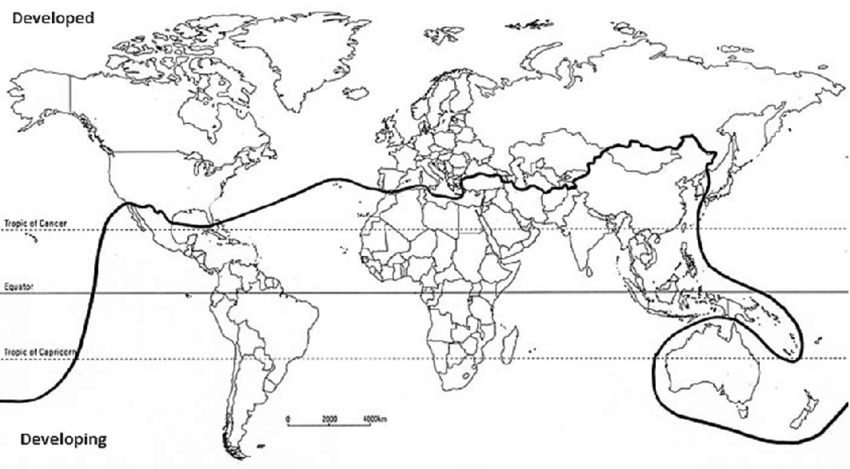
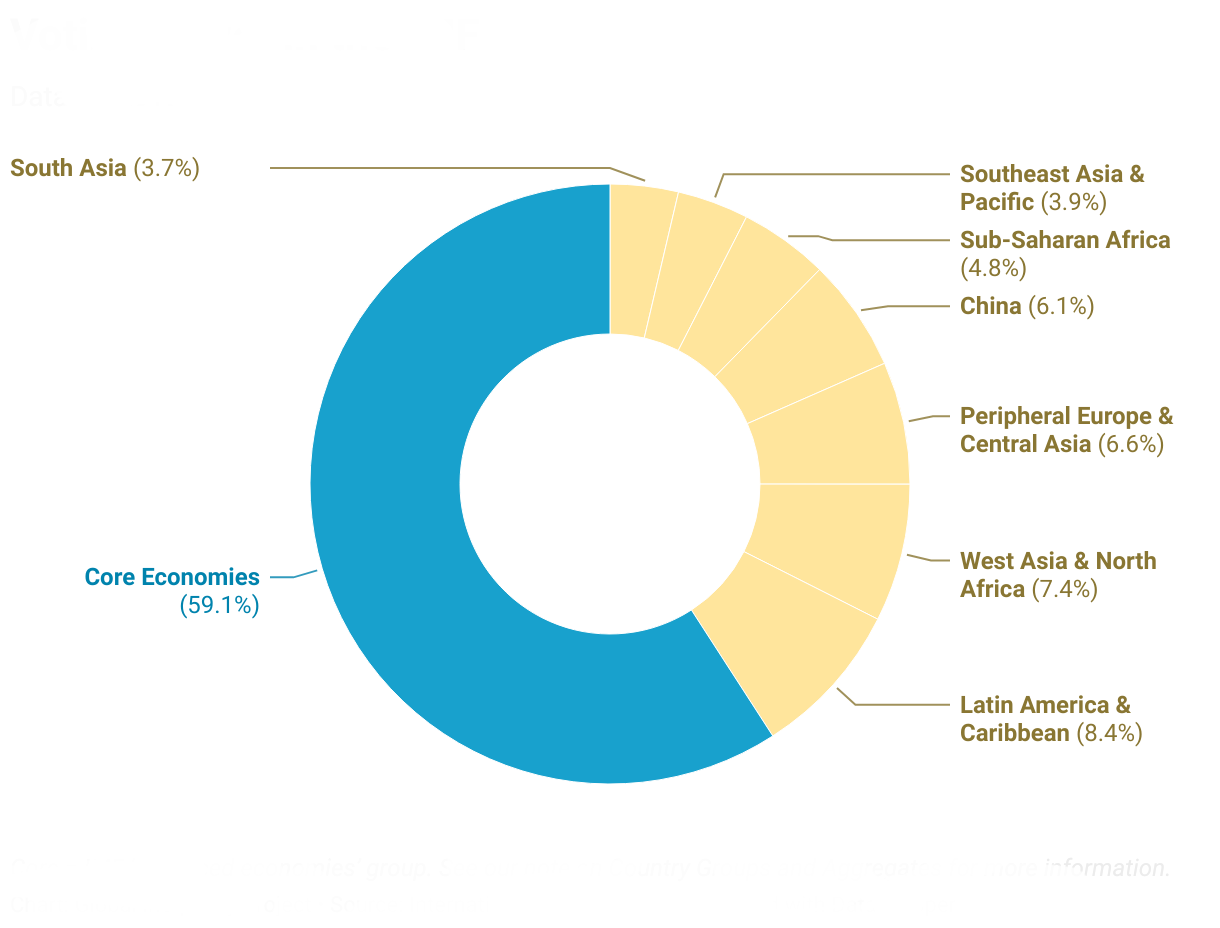
Capital accumulation requires cheapening labour and resources, particularly in the global South. This produces inequalities between classes and leads to uneven development between regions. It also drives ecological breakdown, and while some benefit from the exploitation of our planet’s ecosystems, others suffer the damages.
Our work builds on generations of scholarship in this field, particularly from the global South, by thinkers including Walter Rodney, Samir Amin, Immanuel Wallerstein, Eduardo Galeano, Utsa Patnaik, Angela Davis, Ali Kadri and many others who have mapped the structures of imperialism, unequal exchange, and the racial and patriarchal dimensions of the capitalist world economy.
While most entries focus on the results of new papers from our research community on political economy and political ecology, some present data drawn directly from existing sources, such as the United Nations, the World Inequality Database and the World Bank. Please note that this website is a work in progress. New content is being developed and will be added in the coming months and years. If you wish to receive periodic updates on new content as it is published, please subscribe here.
This project has also benefited from input from Andrew Fanning, Joël Foramitti, Aaron Kimmig and Leon Beccard, as well as from many other colleagues and co-authors who led or contributed to the research that is presented on this website.