


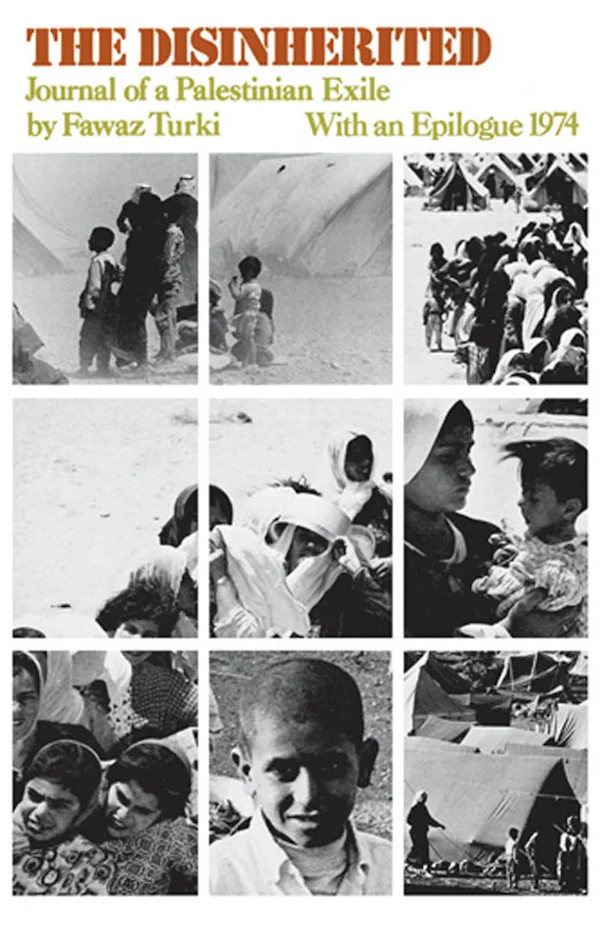
In The Disinherited, Fawaz Turki journals his experiences as a Palestinian exile, grounding his personal narrative of displacement in the broader political analysis of the Nakba. Through his reflections, he conveys the ongoing struggle for Palestinian rights, making the abstract historical catastrophe tangible through individual memory and loss.
Downloads
Apply filters...
Downloads
Publisher
🏢 Publishers
Author
✍️ Authors
Topics
🏷️ Topics
- Subject
- ❤️🔥 Anti-imperialism
- ⚖️ Geopolitics
- 🔻 Resistance
- ☭ Marxism
- 🧠 Philosophy
- 🖌️ Art
- 🕋 Culture
- 🎓 Academic
- 🚜 Agriculture
- 💴 BRICS
- 🌲 Ecology
- 🛢️ Economics
- ⛏️ Extractivism
- 🤡 Fascism
- 👩🏾🎓 Feminism
- 👥 Global Majority
- 🏥 Health
- 📜 History
- 🍔 Imperial Core
- 🛠️ Labour
- 🪶 Land Back
- 🧳 Migration
- 🪖 Military
- 💀 NATO
- 🎭 Regime Change
- 🔬 Research
- 🫱🏾🫲🏿 Sahel States
- 🚫 Sanctions
- 🏭 Soviet Union
- 🤖 Technology
- 🚄 Travel
- Country
- 🇩🇿 Algeria
- 🇧🇴 Bolivia
- 🇧🇷 Brazil
- 🇧🇫 Burkina Faso
- 🇨🇳 China
- 🇨🇺 Cuba
- 🇰🇵 DPRK
- 🇮🇳 India
- 🇮🇩 Indonesia
- 🇮🇷 Iran
- 🇮🇶 Iraq
- 🇮🇪 Ireland
- 🇳🇮 Nicaragua
- 🇳🇪 Niger
- 🇵🇸 Palestine
- 🇷🇺 Russia
- 🇿🇦 South Africa
- 🇸🇩 Sudan
- 🇻🇪 Venezuela
- 🇻🇳 Vietnam
- Region
- 🌍 Africa
- 🌏 Asia
- 🌎 Latin America
Browse all books


Iqbal's book critiques bourgeois idealism in contemporary left philosophy, from Said's exilic detachment to Žižek's pessimism and Balibar's relativized nonviolence. It calls for a reorientation of philosophy toward concrete actions of Palestinian liberation, arguing that theoretical frameworks must be deconstructed to reveal class imperatives.
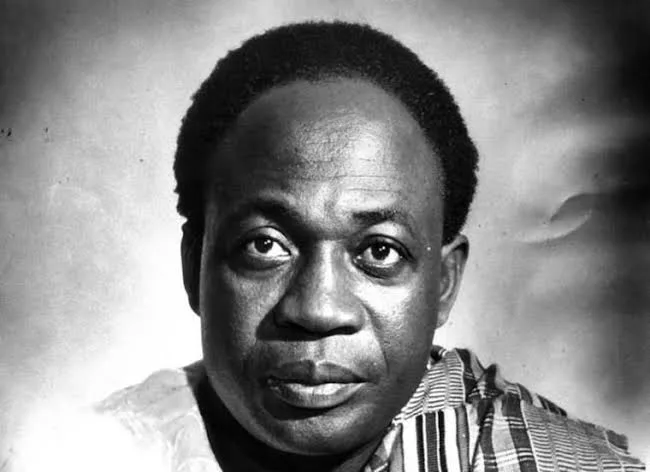
Neo-colonialism, the final and most dangerous stage of imperialism, directs nominally independent states' economies and policies from outside, exploiting rather than developing them. Kwame Nkrumah contends that non-alignment permits foreign investment aligned with national plans, and that African unity through socialist continental planning is necessary to counter this threat and prevent world war.

Examining the psychic aftermath of Sudan's revolution, this book argues the Sudanese Communist Party failed by engaging with international elites instead of the dispossessed, reflecting a global leftist decline, while highlighting the Neighbourhood Resistance Committee's participatory, horizontalist role in ousting al-Bashir despite its lack of political autonomy and ideological ambiguity.
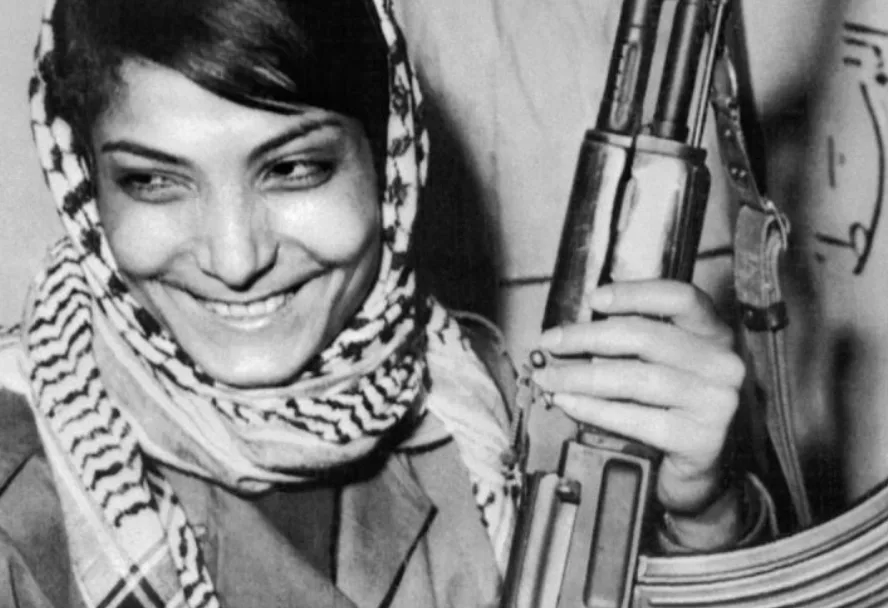
Palestinian revolutionary Leila Khaled recounts her childhood in exile, the harsh realities of refugee camps, her awakening to class and national consciousness, and her path toward armed resistance and hijacking.

In The Face of Imperialism (2011), political scientist Michael Parenti critiques US imperialism as a deliberate system of capitalist exploitation and global domination. He argues that empires are purposively directed to plunder other lands, that NATO's expansion and the Iraq War reveal conscious imperial strategy.


The book demonstrates that Marxist categories are essential for understanding contemporary capitalism, showing how mainstream economists fail due to political aversion or ignorance. It extends Marxist insights to information commodities, critiques Lenin the only deeply studying leader, and includes translations and debates on Hegel and positivist Marxism.
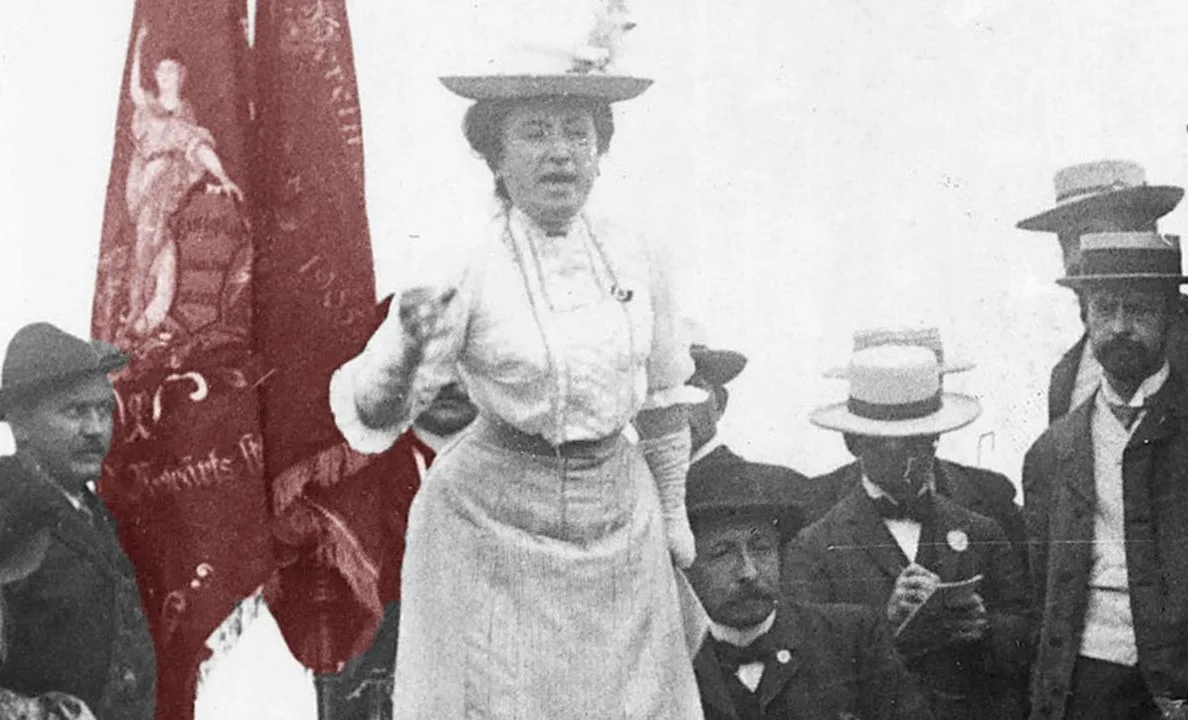
For Social-Democracy, reforms serve only as means to the final goal of social revolution, so Bernstein's theory wrongly replaces that goal with reforms, a question of 'to be or not to be.' Rosa Luxemburg further refutes Bernstein's economics, showing trade unions cannot suppress wages, and that capitalist contradictions intensify, making revolution necessary.

Engels' 1868 synopsis of Capital I foregrounds Marx's theory of surplus-value, the cornerstone of his economic doctrine. It shows why surplus-value cannot arise in circulation and must instead originate from the use-value of labour-power, whose value is set by subsistence costs, while the capitalist's control and ownership of the product make that surplus possible.
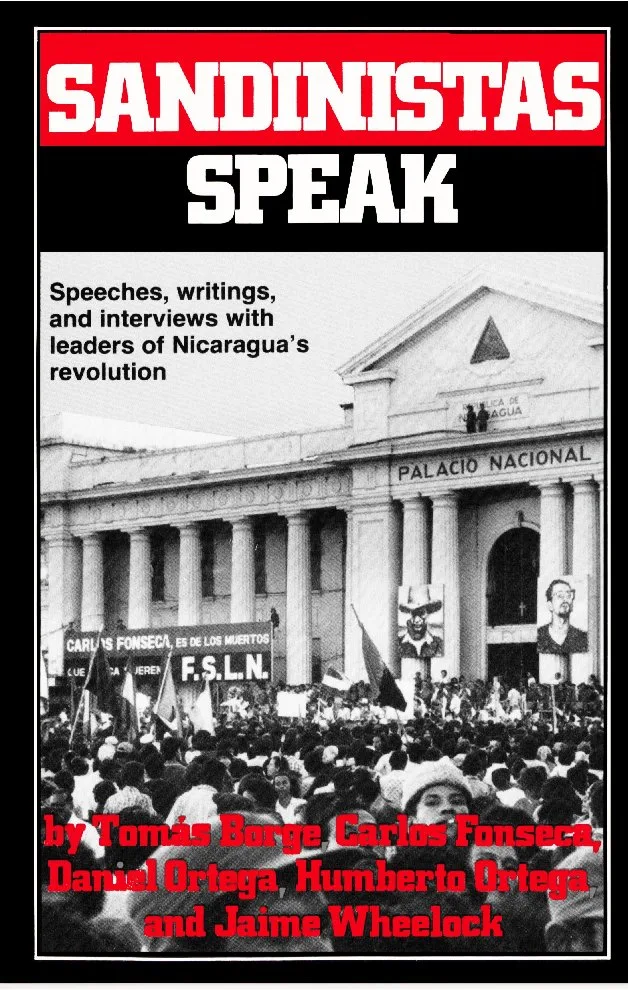
This collection presents speeches, writings, and interviews by leaders of Nicaragua's Sandinista revolution, focusing on the opening years. It includes historic documents of the FSLN (Sandinista National Liberation Front) and is described as the best selection in English of these materials.
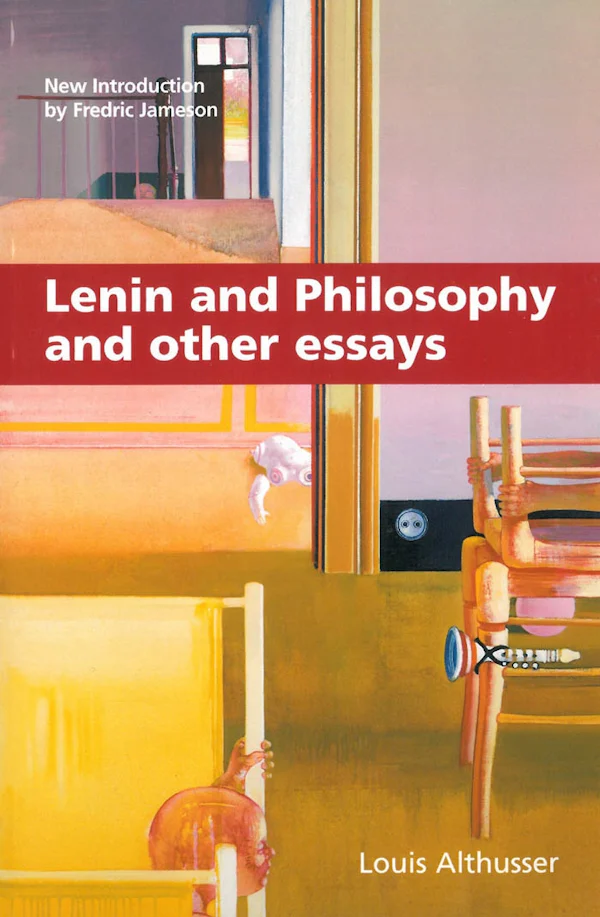
Philosophy is class struggle in theory, grounded in Marx's epistemological break from ideology. Louis Althusser theorizes ideology through the imaginary relation to real conditions, interpellation of subjects, and ideological state apparatuses-especially education-that ensure reproduction of production conditions. The work also engages Lenin's interventions and psychoanalysis, reshaping Western Marxism.
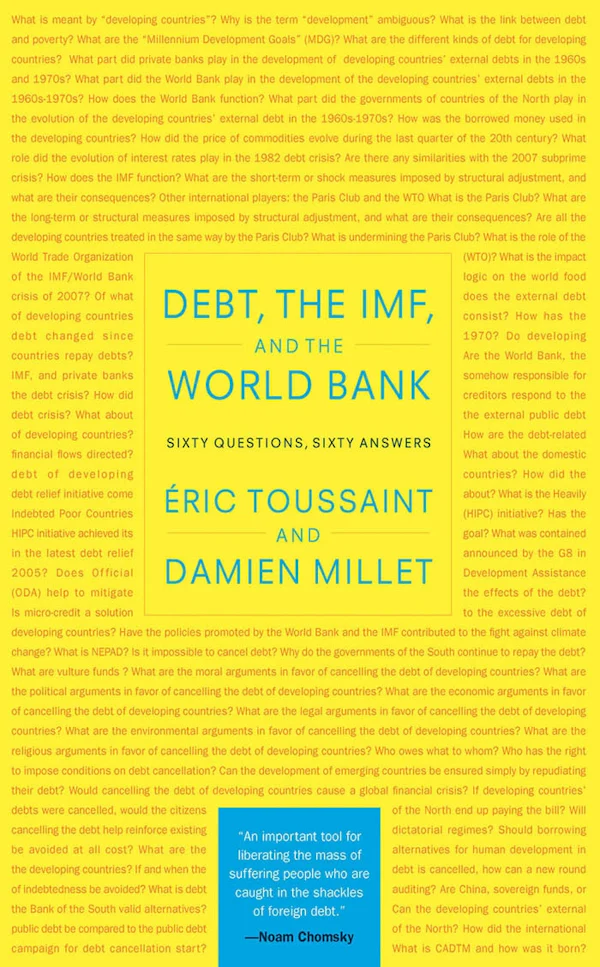
Explains how debt, the IMF, and the World Bank function as instruments of imperial control, constraining the Global South through structural adjustment and financial dependency.