
Anti-imperialismGeopoliticsResistanceMarxismPhilosophyArt & Culture
⚖️ Geopolitics
Resources About Topic
The Tricontinental
Qiao Collective (桥)
Anti-Imperialist Scholars Collective
Reason2Resist with Dimitri Lascaris
BreakThrough News
Upstream Podcast
Dr. Jason Hickel
Journal of International Solidarity
The New Atlas
Rev Left Radio
Critical Theory Workshop
Wenhua Zongheng (文化纵横)
The Red Nation
Vocal Politics
Red Anti-Imperialist Collective
The Electronic Intifada
[comra]
Vox Ummah
Geopolitical Economy Report
Dr. Radhika Desai
Free Palestine TV
India and Global Left
Propaganda & Co.
Colonial Outcasts
Friends of Socialist China
Monthly Review
The Cradle
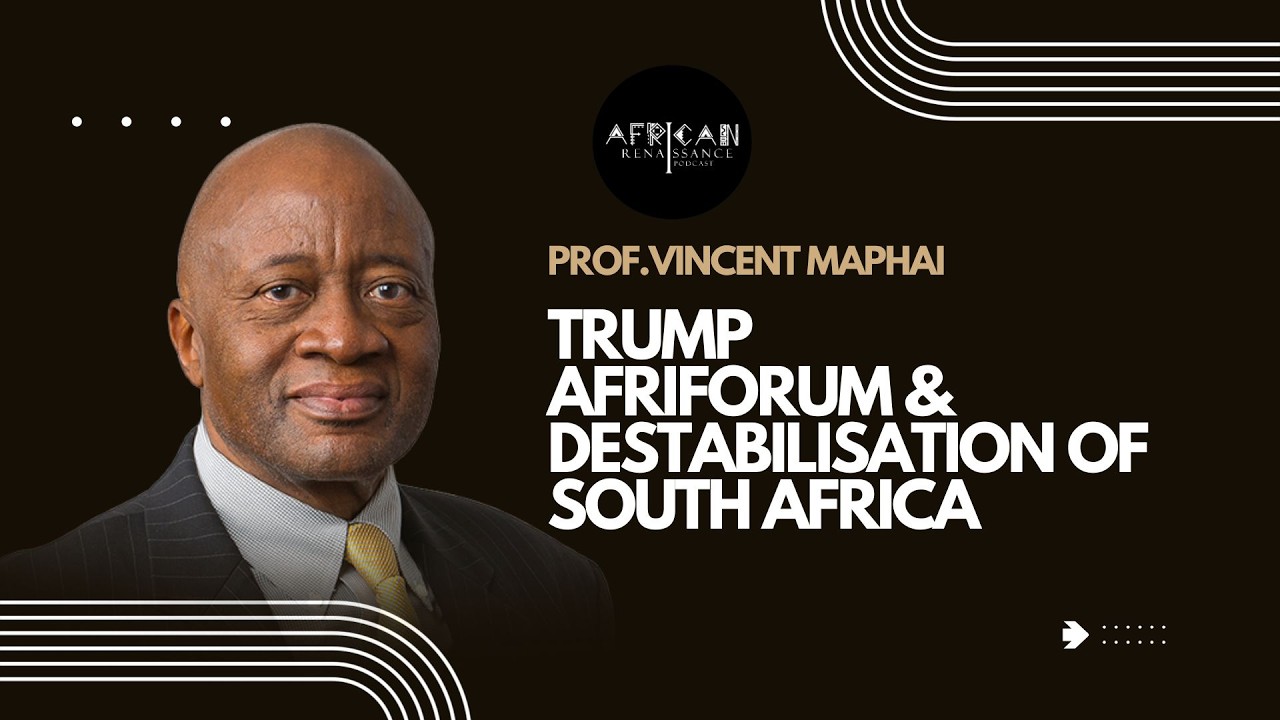
African Renaissance Podcast
Return to Bandung
Marxists Internet Archive
ProleWiki
Agrarian South Network
Sovereign Media
Orinoco Tribune
Dr. Adnan Husain
Dr. Jeffrey D. Sachs
The Grayzone
Elina Xenophontos
Neutrality Studies
The Resistance Archives
Coalition for the Elimination of Imperialism in Africa
Samidoun: Palestinian Prisoner Solidarity Network
Hood Communist
Peoples Dispatch
Palestine Action
Hakim
Strait Talk with Xiangyu
Working Class History
ProlesPod
Progressive International
Work Stoppage
Mint Press News
Caitlin Johnstone
The Spearhead
Empire Watch Media
Voice of the Proletariat
Tricontinental Political Economy
Red Pen
International People's Assembly
Proletarian Polemics
Amy Yang
The Triploi Podcast
Dr. Bikrum Gill
Second Thought
International Development Economics Associates
Socialista Champagne
Find the Signal
Inkani Books
Guerrilla History
Guilhotina.info
Inner City Left
Psychic Militancy Podcast
The Dialectics of Destruction
Chris Cullen
The Anti-Empire Project
The East is a Podcast
Browse all items
📕 3,474 articles · 📙 13 books · 🎧 1,137 podcasts · 👁️ 4,456 videos

US midterm elections serve to distract from unelected corporate interests that drive foreign and domestic policy, ensuring continuity of wars against Russia, Iran and China regardless of who voters choose.

Argentina's Central Bank lost over $1 billion in gold reserves as nearly 11 tons of gold left the country without public consent, raising questions about national wealth and economic sovereignty under Milei.

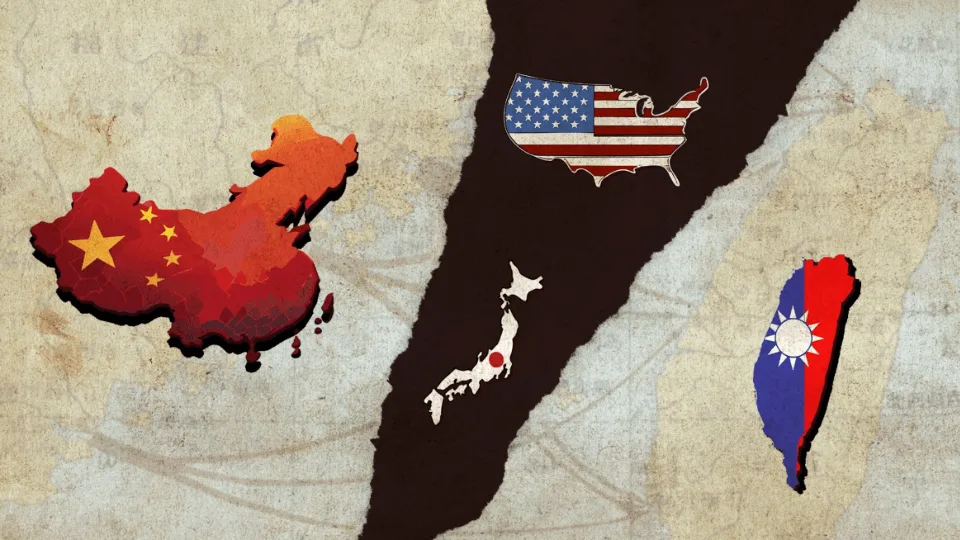
A Marxist-Leninist content creator joins a candid conversation to unpack the Taiwan question, tracing its historical layers and arguing that Western commentators on all sides work from incomplete assumptions about reunification.

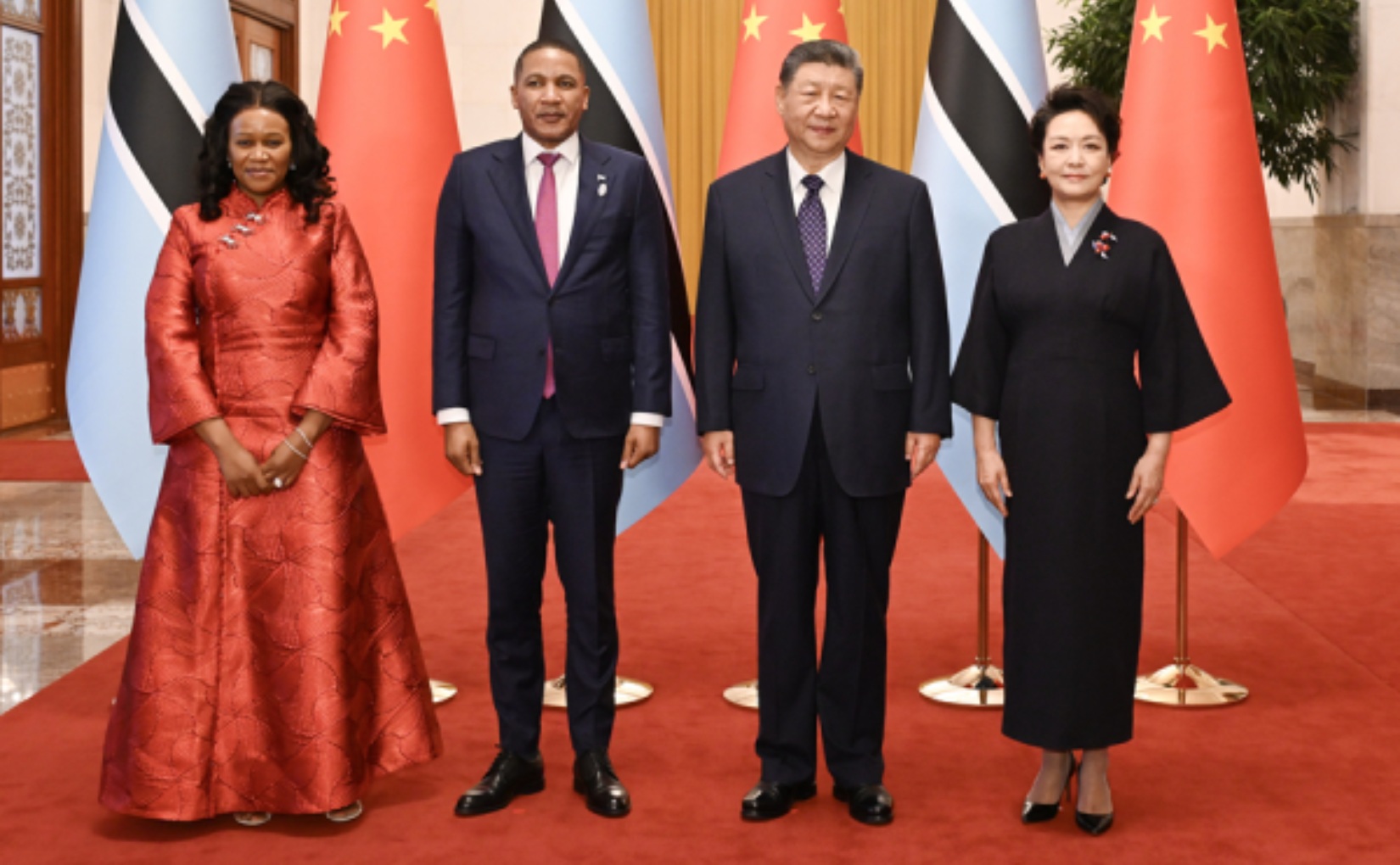
China and Botswana elevated ties to a comprehensive strategic cooperative partnership during President Duma Gideon Boko's October 12-17 state visit; the two marked 51 years of diplomatic relations and 45 years of Chinese medical teams, while Togo and China will celebrate 55 years of ties next year.

An investigation into right-wing Afrikaner lobbying of the White House, foreign-funded Volkstaat ambitions, and claims of genocide examined against data, framed as destabilisation of South Africa.


Former Maltese foreign minister Evarist Bartolo argues that small states can defend sovereignty through neutrality and diplomacy, drawing on Malta's removal of foreign bases to critique NATO, nuclear risk and Europe's foreign policy.

A discussion of the Ukraine war's latest phase, covering Ukrainian and Russian strikes on data centres, disputed US intelligence sharing, Kyiv's power and water shortages, and Trump's personal hostility toward Zelenskyy.
A Marxist critique of unipolarity and multipolarity, arguing that counting great powers obscures the class relations, imperialist chains, and transnational capital that actually constitute the world order.

A former US Army officer and media analyst explains how Western intelligence agencies deploy AI, bot networks and skewed databases to shape public opinion, citing the Maidan operation and secret disinformation contracts.

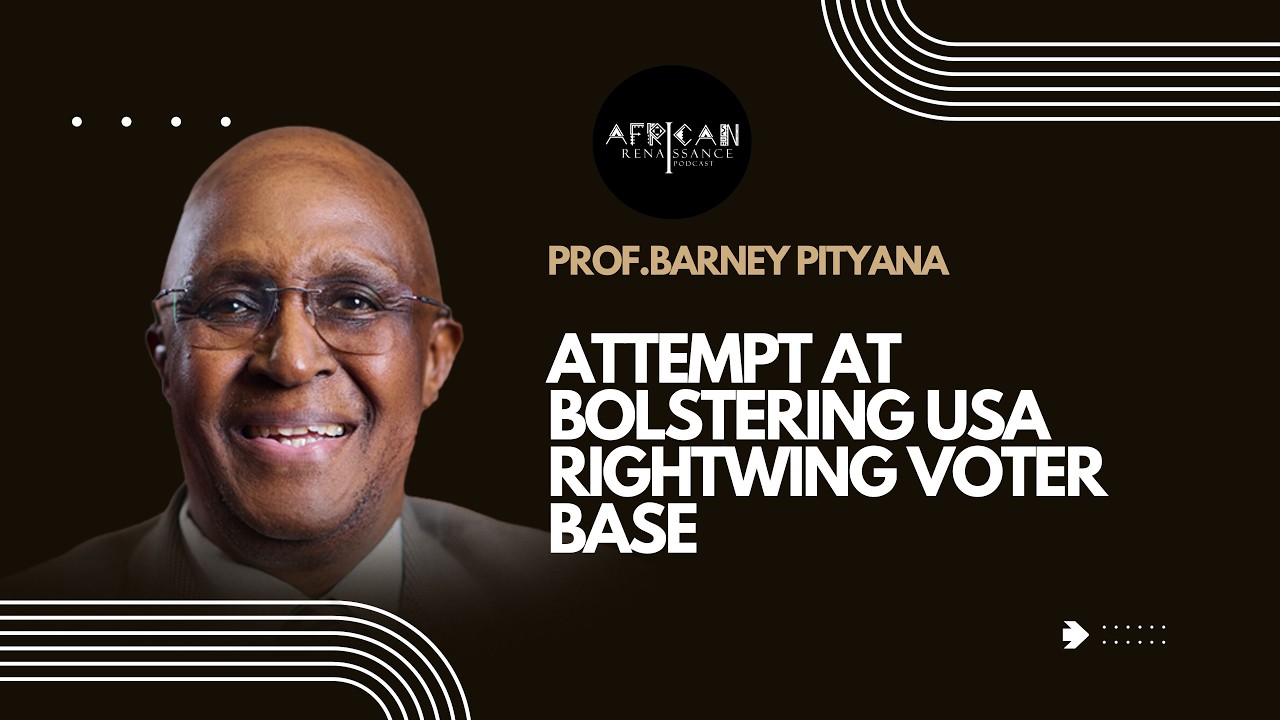
Prof. Barney Pityana examines right-wing Afrikaner lobbying in Washington, arguing it serves to bolster Trump's voter base while undermining South African sovereignty and social cohesion.

Journalist Laith Marouf argues that dismantling Israel would not end US imperialism, discussing West Asian resistance, Lebanon's crisis, the China-Iran land corridor, and fractures within imperial societies.

Brazil's 2026 election pits Flávio Bolsonaro's far-right machine against Lula amid US and Israeli interference, while Putin's Valdai silence on Gaza and Yemen's Ansarallah resistance expose the hollowing of multipolarity.

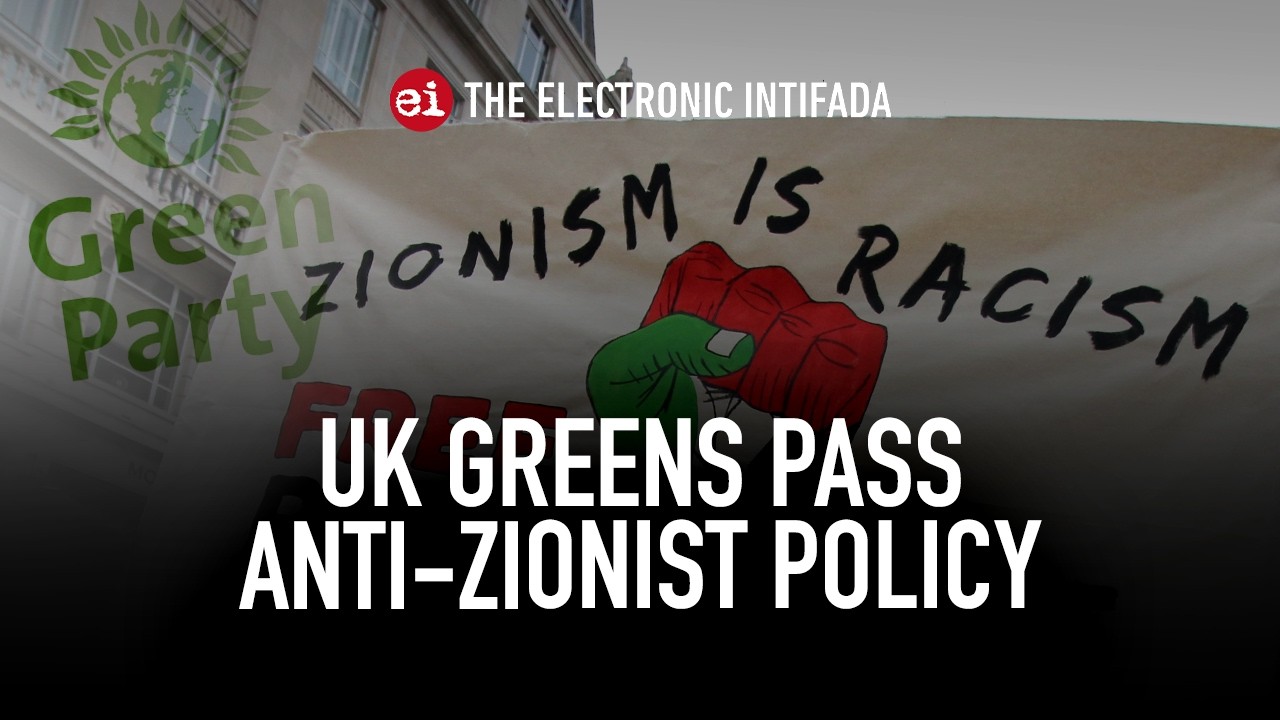
The Green Party of England and Wales voted to declare itself an anti-Zionist party committed to Palestinian liberation, prompting backlash from British media, Labour politicians and the Israeli government.

Trita Parsi challenges claims that Iran is on the verge of collapse, arguing that internal pillars of state power and legitimacy matter more than immediate military metrics in assessing the conflict.

New York City Mayor Zohran Mamdani's shift from democratic socialist campaign rhetoric on Palestine and billionaires to funding antisemitism programmes and cooperating with Trump raises questions about whether his uncompromising politics was a governing blueprint or merely a route to power.

Weekly round-up analysing Yemeni missile and drone strikes on Saudi airports, the weakening of the petrodollar and Riyadh's Vision 2030, and the wider reshaping of West Asia by Yemen and Iran.

US-backed strikes target Russian data centres and energy infrastructure while diplomatic and oil deals buy time, as Russia, Iran and China prepare for further confrontation.

Economist Mark Weisbrot examines Washington's long history of election meddling and regime change across Latin America, focusing on Brazil's election, dollar sanctions, IMF lending and economic sovereignty.

Over 300 commune members from more than 30 Venezuelan communes gathered in Caracas to launch a promotional committee aimed at building a communal federation and confederation.

Oil tankers suffer catastrophic damage in the Strait of Hormuz as Saudi Arabia keeps bombing Yemen, while Washington's Ukrainian proxy is humiliated and $15 billion in Canadian aid to Ukraine goes missing.

Marco Rubio's Athens speech praising colonialism and Western supremacy is fact-checked, arguing that the idea of a unified 'Western civilization' is a political myth used to justify US imperialism and erase colonial history.

An investigative series examines a Thabo Mbeki Foundation monograph on US-South Africa relations, tracing right-wing Afrikaner lobbying, Volkstaat funding, and genocide claims against empirical data.

Warwick Powell argues that large language models are open-ended probabilistic systems whose financial backers face a profitability crisis, driving doomsaying and regulation talk while Chinese open-access models undercut Western firms.

Journalist Laith Marouf examines how corporate platform dependence, Zionist lobbying and supra-legal tech power shape digital censorship, and what a genuinely free-speech internet would require.

A leaked CIA report warning of unprecedented Israeli civil strife is examined against the backdrop of elections, Gaza's destruction, and growing ultra-Orthodox defiance of conscription laws.

Yemeni strikes on Saudi airports and the kingdom's largest oil field, plus escalating Iranian attacks on tankers in the Strait of Hormuz, are examined as signs that the Saudi regime is in deep trouble.

Ambassador Chas Freeman argues that US power is retreating as wars, sanctions and depleted arsenals expose the limits of dominance, examining Iran, Yemen, Saudi autonomy, China's gains and NATO's failures.