

Anti-imperialismGeopoliticsResistanceMarxismPhilosophyArt & Culture
💀 NATO
Resources About Topic
The Tricontinental
Anti-Imperialist Scholars Collective
Reason2Resist with Dimitri Lascaris
BreakThrough News
Upstream Podcast
Journal of International Solidarity
The New Atlas
Rev Left Radio
The Red Nation
Red Anti-Imperialist Collective
The Electronic Intifada
Vox Ummah
Geopolitical Economy Report
Dr. Radhika Desai
Free Palestine TV
India and Global Left
Propaganda & Co.
Colonial Outcasts
Friends of Socialist China
Monthly Review
The Cradle
ProleWiki
Agrarian South Network
Orinoco Tribune
Dr. Jeffrey D. Sachs
The Grayzone
Elina Xenophontos
Neutrality Studies
Coalition for the Elimination of Imperialism in Africa
Samidoun: Palestinian Prisoner Solidarity Network
Hood Communist
Peoples Dispatch
Strait Talk with Xiangyu
Progressive International
Mint Press News
Caitlin Johnstone
The Spearhead
Empire Watch Media
Climate Vanguard
Voice of the Proletariat
Red Pen
International People's Assembly
Amy Yang
The Triploi Podcast
Second Thought
International Development Economics Associates
Socialista Champagne
Guerrilla History
Guilhotina.info
Inner City Left
The Dialectics of Destruction
The Anti-Empire Project
The East is a Podcast
Browse all items
📕 561 articles · 📙 2 books · 🎧 106 podcasts · 👁️ 631 videos

Former Maltese foreign minister Evarist Bartolo argues that small states can defend sovereignty through neutrality and diplomacy, drawing on Malta's removal of foreign bases to critique NATO, nuclear risk and Europe's foreign policy.

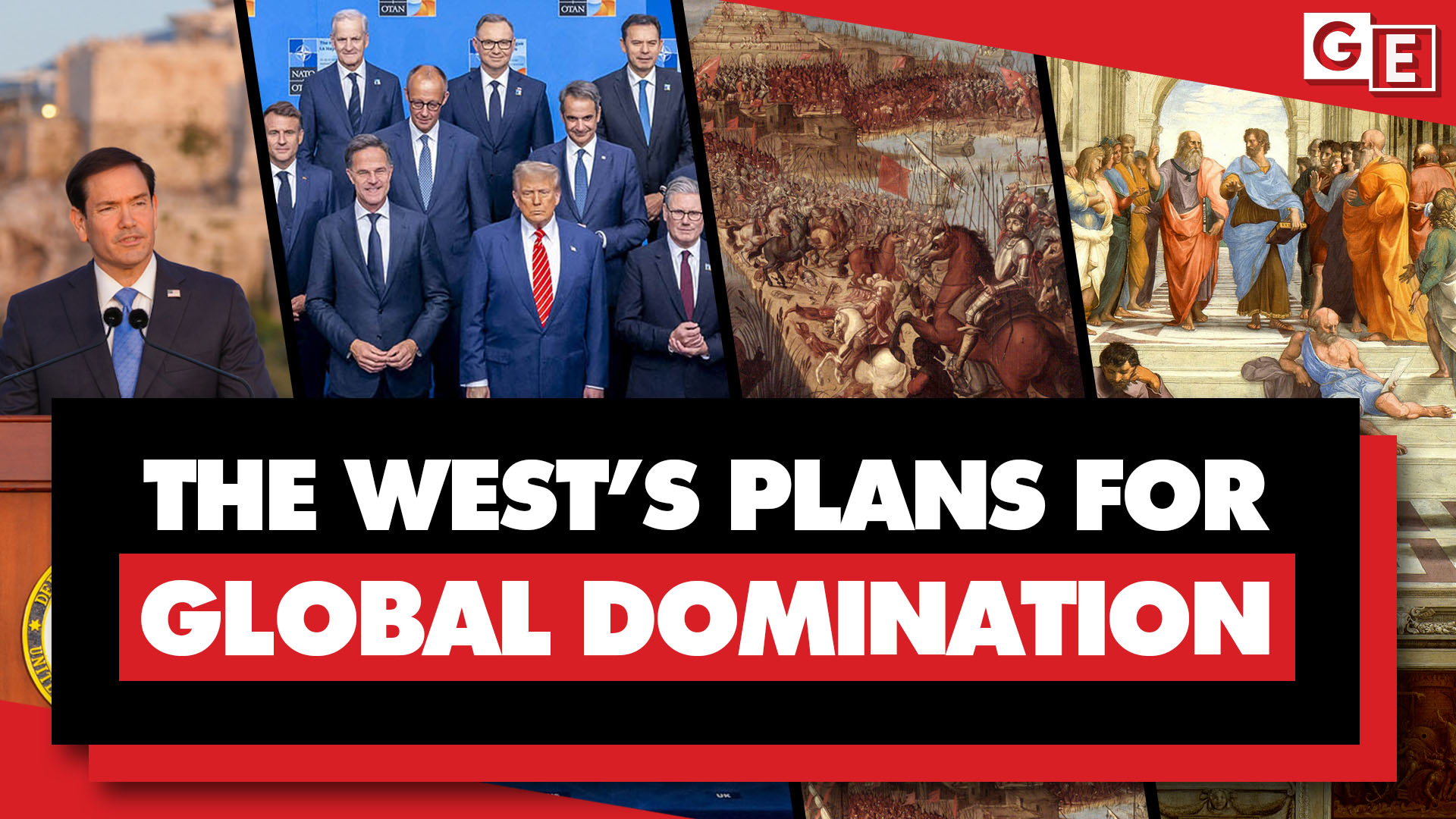
Marco Rubio's Athens speech praising colonialism, erasing Indigenous genocide and demanding Western global domination is analysed as a fusion of neoconservative warmongering with MAGA's white-supremacist and Christian-nationalist rhetoric.

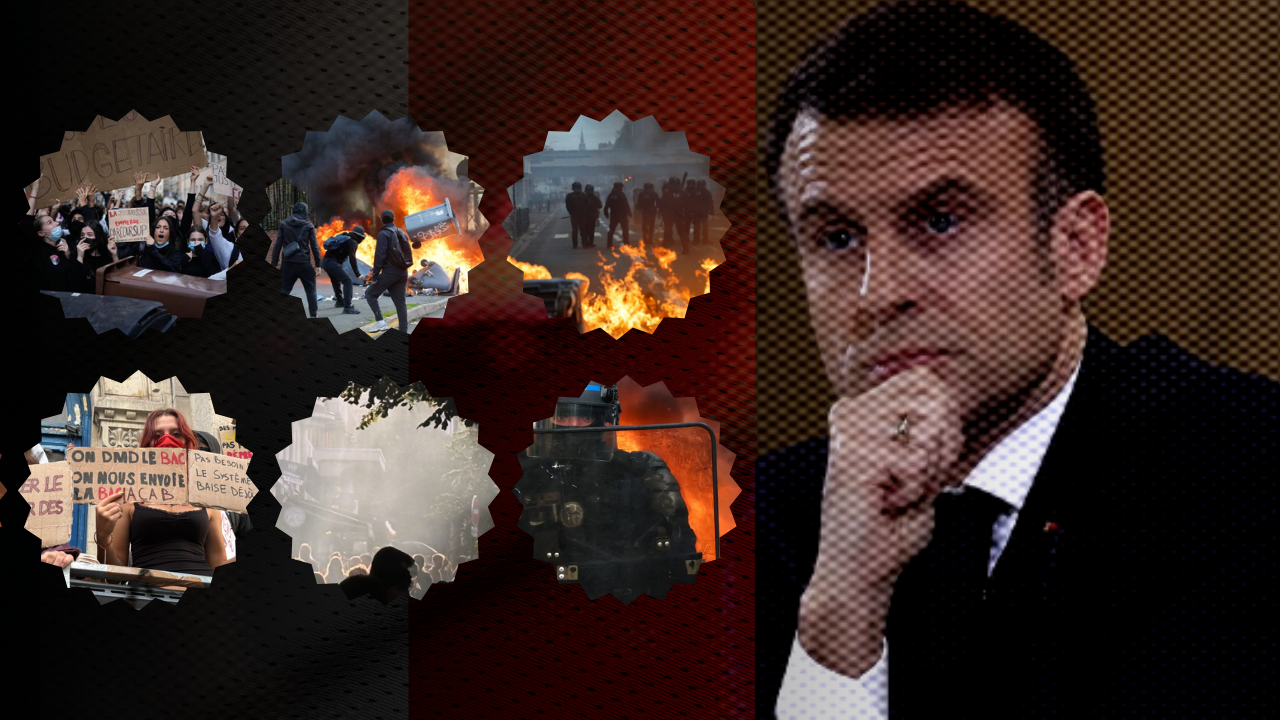
French high school students protest for education funding as the government cuts public services while raising military spending under NATO's new 5 percent GDP target.

A briefing on dockworkers' coordinated strike against NATO's war machine, plus reports on India's electoral roll purge, Brazil's runoff, and farmer and labour struggles worldwide.

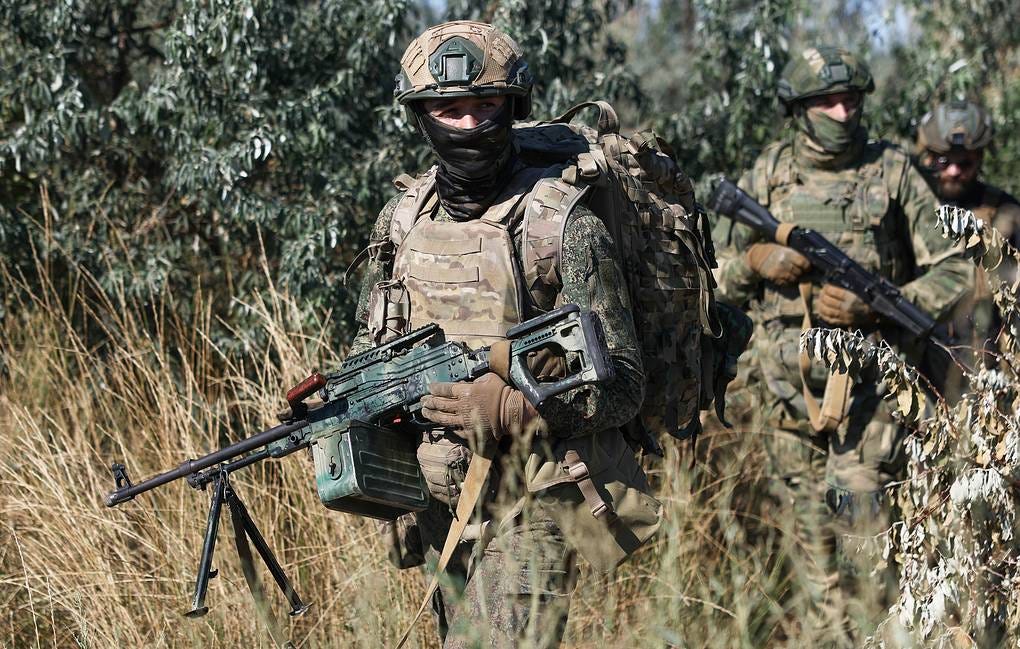
An explainer tracing the roots of Russia's Special Military Operation to NATO expansion, the 2014 Euromaidan coup, Kiev's discrimination against Russian speakers, neo-Nazi glorification, corruption, and crimes abroad.

Ambassador Chas Freeman argues that US power is retreating as wars, sanctions and depleted arsenals expose the limits of dominance, examining Iran, Yemen, Saudi autonomy, China's gains and NATO's failures.

French high school students protest for education funding as the government cuts public services while raising military spending under NATO's new 5 percent GDP target.

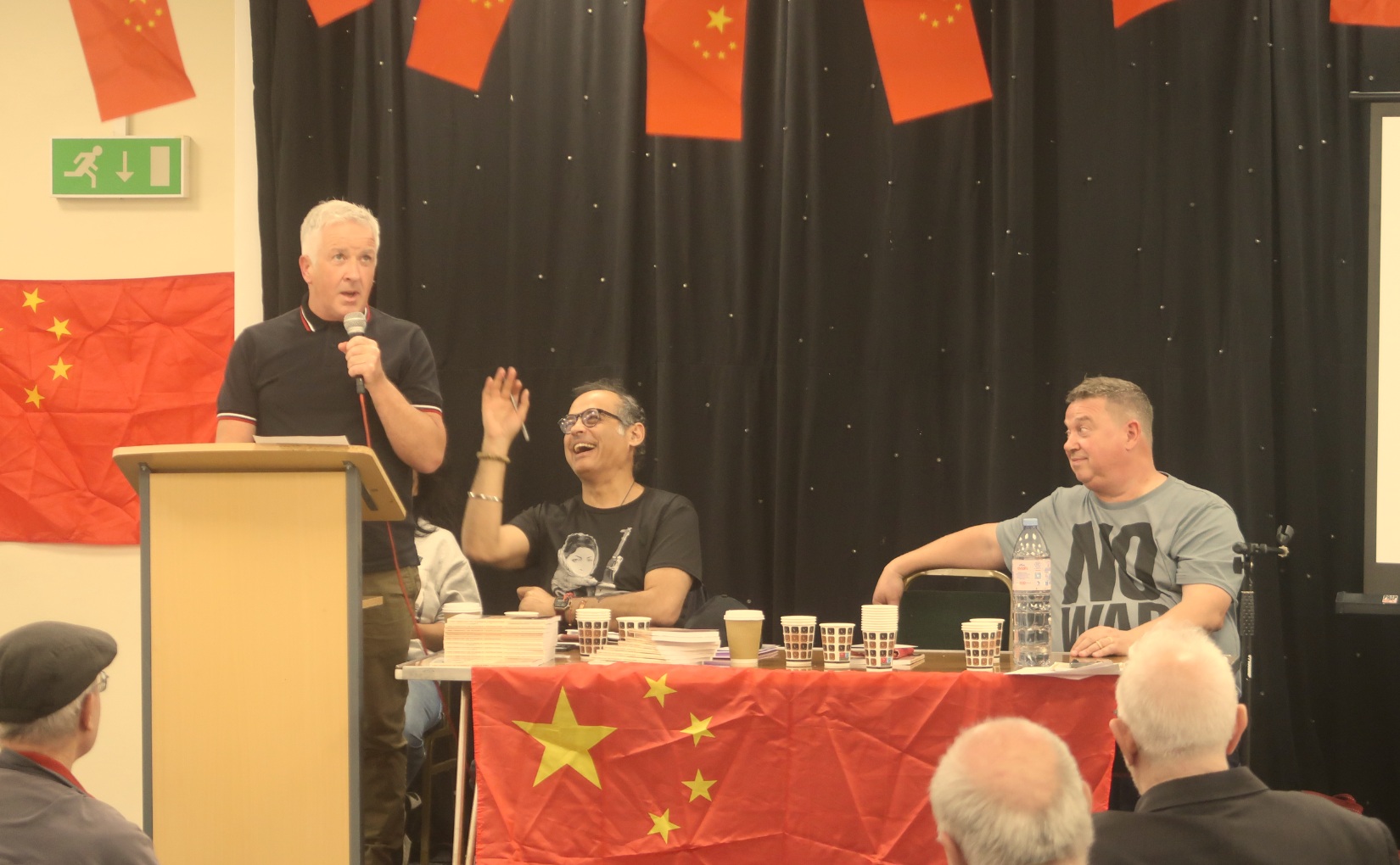
China Daily's London correspondent covered the third annual Socialist China Conference, where left-wing, anti-war and academic speakers urged the West to better understand China's peaceful rise, Global South contributions and multipolar vision.

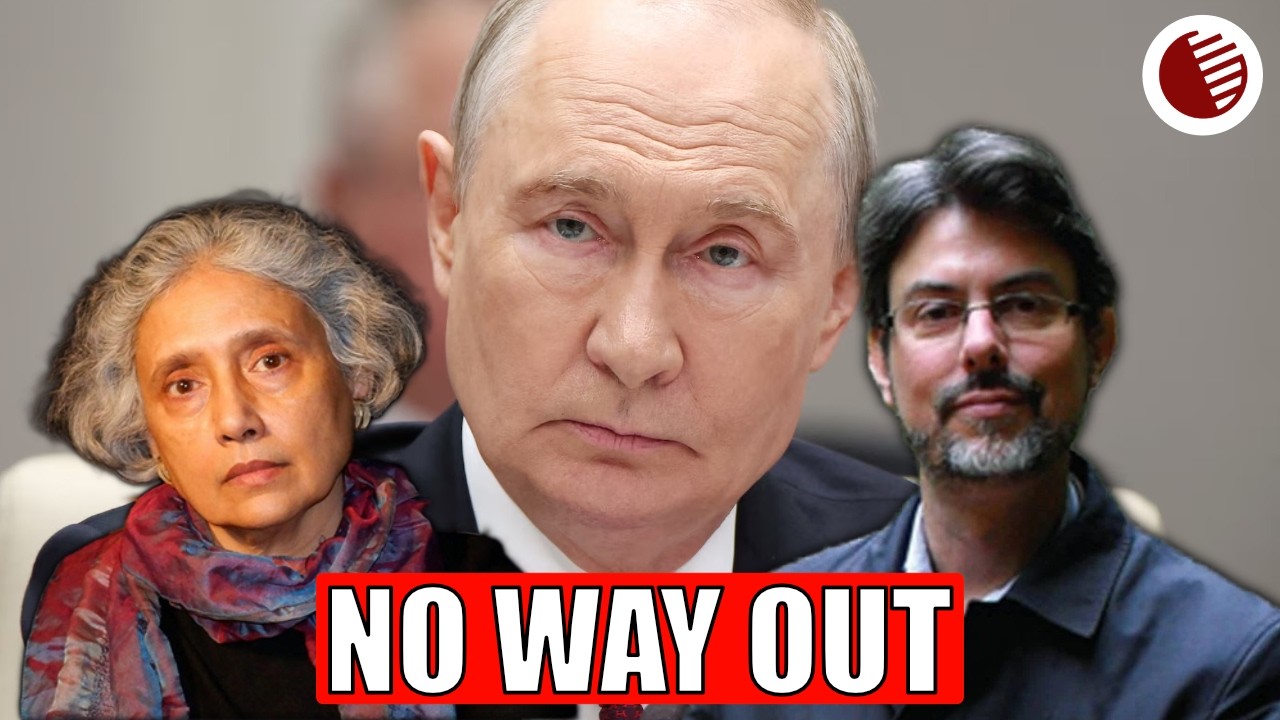
Anatol Lieven argues the West cannot end the war in Ukraine because Trump cannot deliver a settlement acceptable to the US Senate and all 27 EU members, and because US agreements no longer outlast a single administration.

Stanislav Krapivnik argues that NATO's public threats against Kaliningrad test Russia's red lines and risk a wider European war, examining escalation beyond Ukraine, US interests, and the human costs of continued conflict.

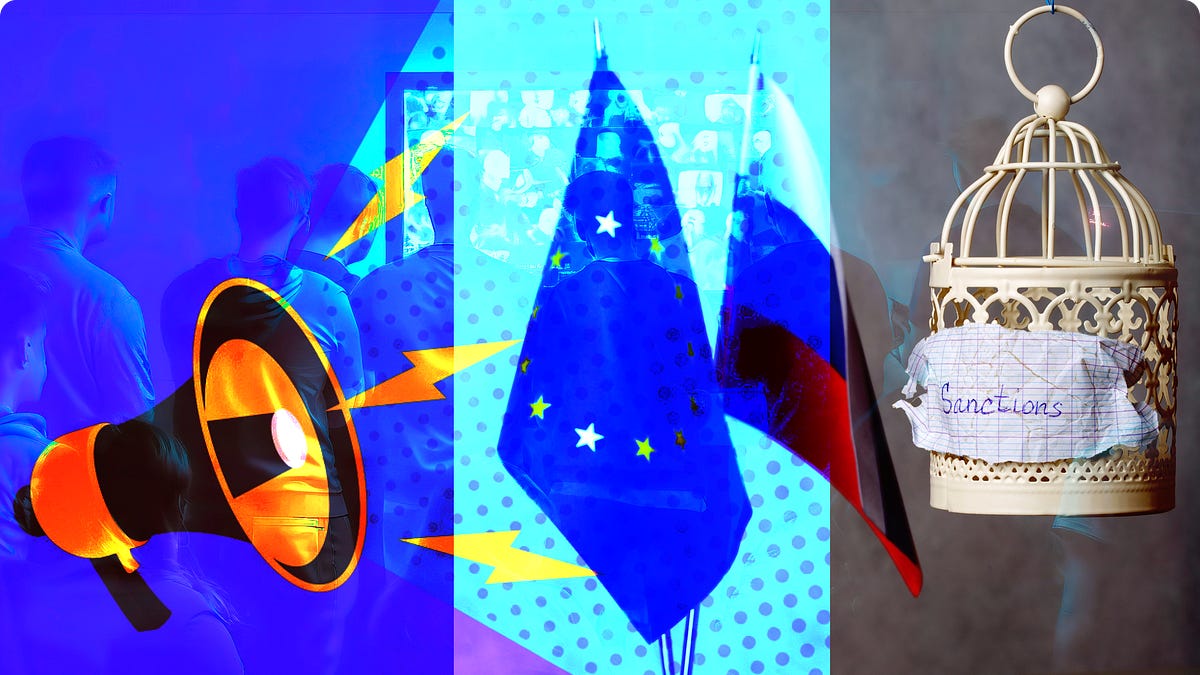
Argues that EU claims of a Russian threat are propaganda masking Western Europe's own imperial ambitions, tracing a history of invasions of Russia and tying EU migration and housing crises to Golden Visa speculation and Israeli capital.

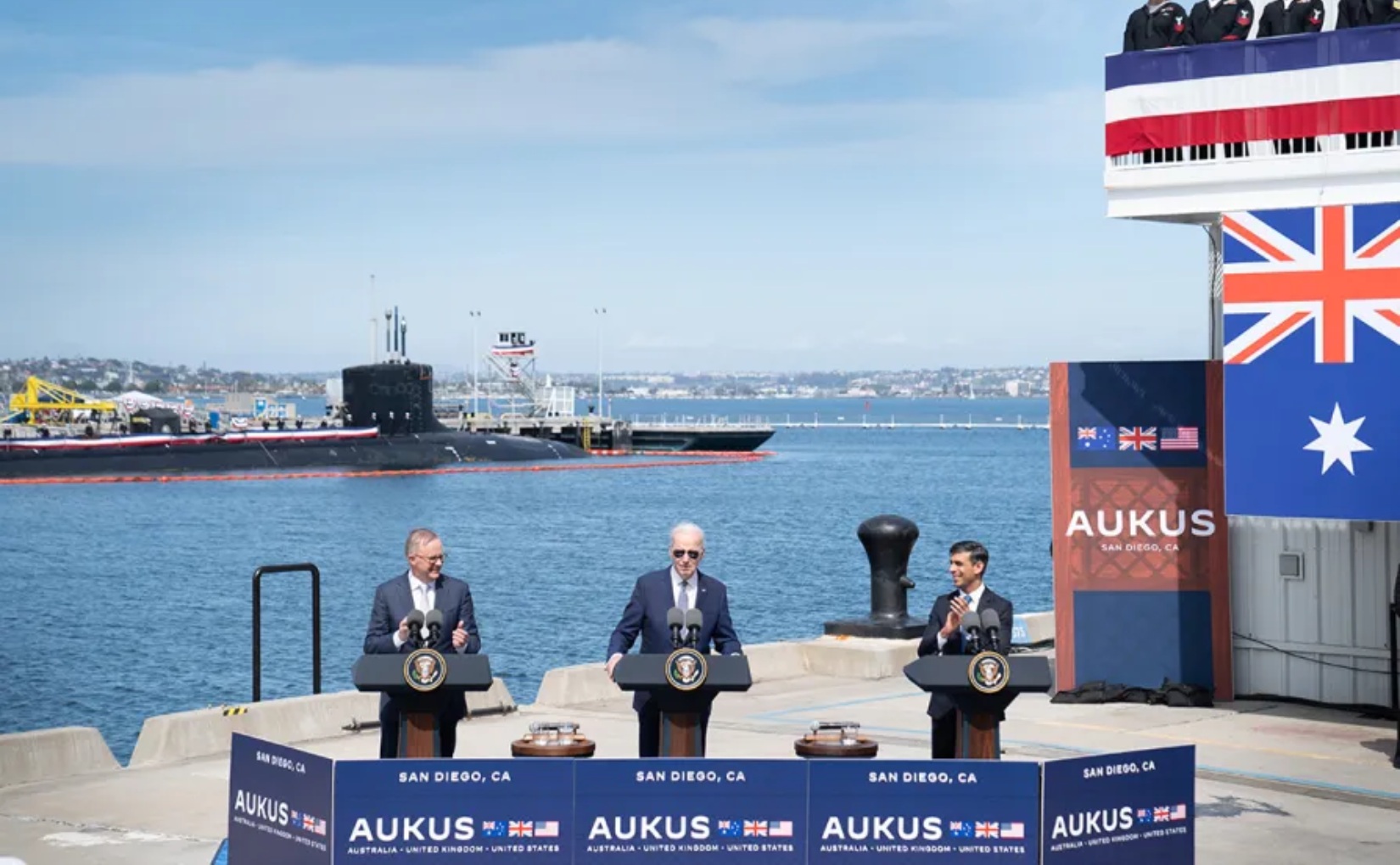
Five years after AUKUS, Australia became the first country to break its non-nuclear status with nuclear-powered submarines; Britain supplies the welded propulsion system from Derby, and Australia pays A$4.6bn to expand that site.

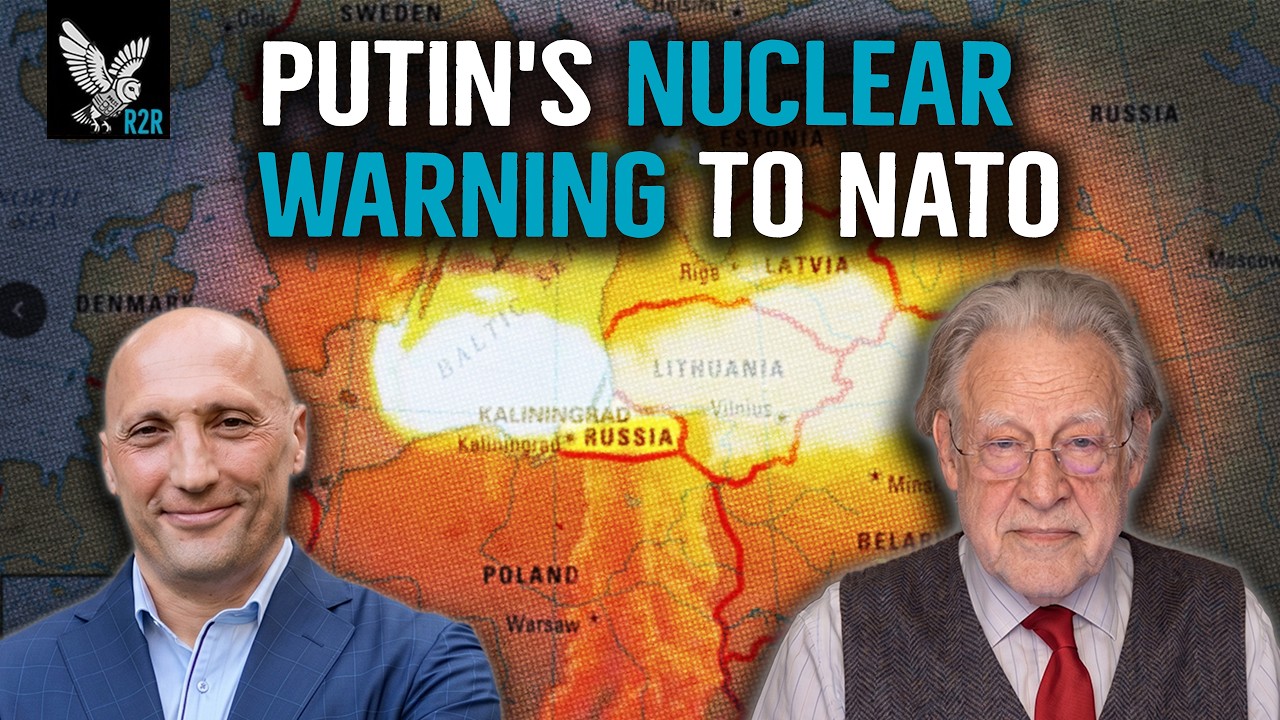
An analyst examines Putin's Valdai warning that a NATO attack on Kaliningrad would trigger a nuclear response, plus Kremlin factionalism, Russian policy on Israel and Turkey's S-400 dilemma.

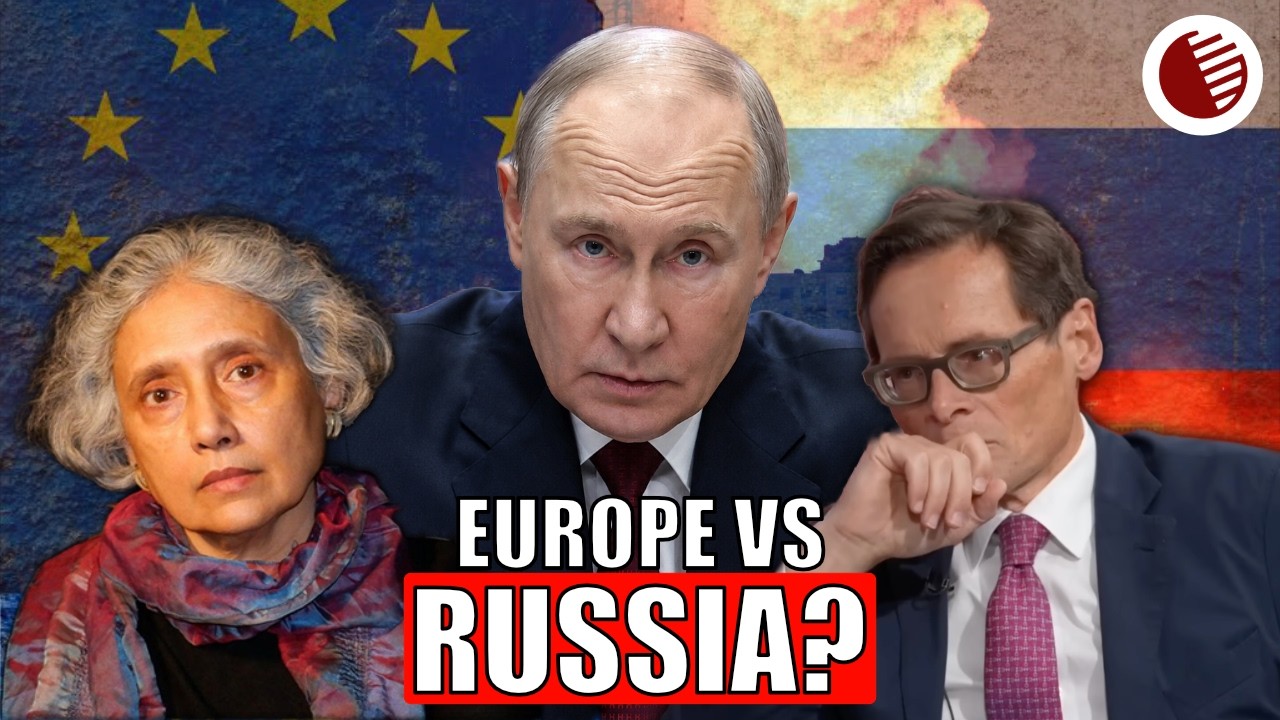
Roger Köppel argues Europe is too weak economically, militarily and politically to confront Russia, yet moralism over realism has brought the world closer to war, with Ukraine fighting and the US profiting.

Two Berlin-based Palestine solidarity organisers describe how German authorities shut down the Palestine Congress and repressed pro-Palestinian activism, framing the crackdown within Germany's role as a US-aligned NATO state.

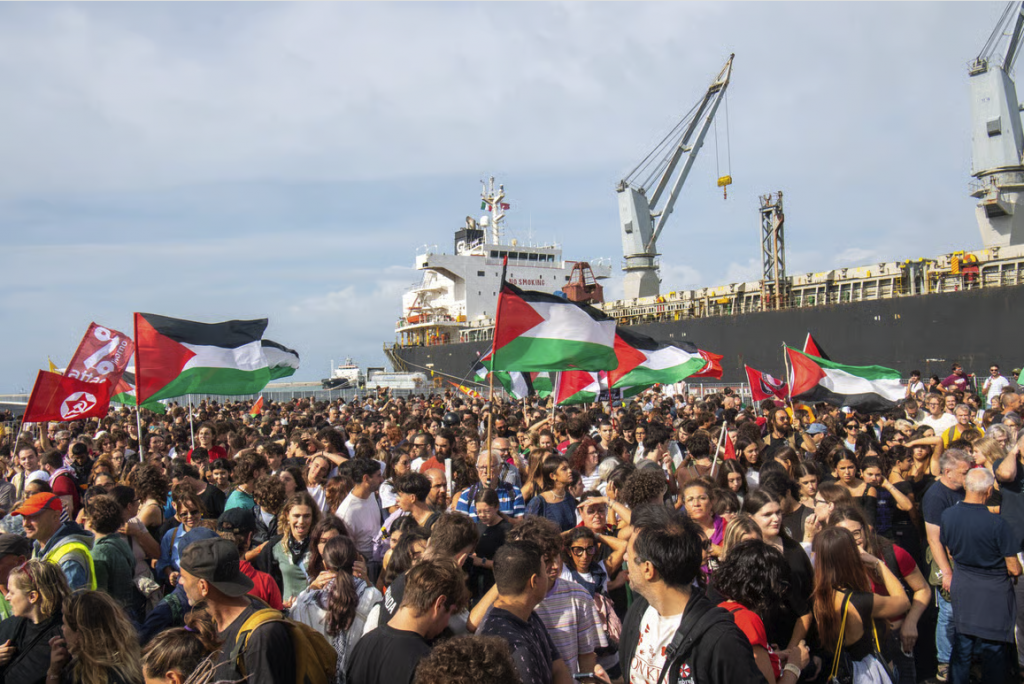
Dockworkers' unions from over 35 European and Mediterranean ports, meeting in Istanbul, declare ports are being turned into war infrastructure and call for coordinated strikes and arms blockades.

Sociologist Volodymyr Ishchenko argues Ukraine is being reshaped into a militarised, ethnonationalist frontier state serving as outsourced security for the EU, as record defence budgets and arms deals fuel a forever war that working-class Ukrainians fight and die.

Daniel Davis argues that NATO's Ukraine proxy war is failing, that Trump's contradictory diplomacy toward Iran, Russia and China reflects a White House without strategy, and that NATO lacks the capacity for war with Russia.

A mass drone strike on Moscow during Russia's parliamentary election backfired by uniting voters behind United Russia, while exposing a split between Washington's diesel-price concerns and European NATO's push for wider war.

A social media trend in which European users declare that Russia is not their enemy spreads across X/Twitter amid warnings of hybrid warfare and NATO escalation.

The 2025 US National Security Strategy calls for a "burden sharing network" to extract more resources from client states, requiring populations to be convinced of sufficient threats to justify the squeeze.

Stanislav Krapivnik argues that escalating European war rhetoric and Russian public opinion are converging dangerously, as drone strikes on refineries, ports and transport networks raise the risk of a wider European conflict and a harsh winter.

A former NATO officer argues that AI and Palantir-style data systems cannot decide the Ukraine war, as Western weapons stocks shrink and Europe faces deepening political crisis.

Trump announced a deal with Denmark and Greenland granting the US permanent security control, expanded basing rights, and a ban on Russian and Chinese investment in the strategic Arctic territory.

Reporting from Moscow after meeting Sergei Lavrov, Larry Johnson argues Russia has lost faith in negotiations with Washington, assessing Ukraine, Europe's confrontation with Russia, US weapons production, and the risk of wider war.

Reporting from Moscow after Ukraine's largest drone attack on the region, Dimitri Lascaris examines whether Zelensky acted on his own or under Trump's direction, framing Kyiv as a NATO proxy.

A former State Department official and a political scientist trace post-Cold War US foreign policy decisions, from the Gulf War and missed chances to integrate Russia into European security to NATO expansion and the influence of neoconservatives and the arms industry.

Sakari Linden of Finland's Freedom Alliance Party argues that Finland's abandonment of neutrality for NATO membership risks turning the country into a frontline state in a new war with Russia.

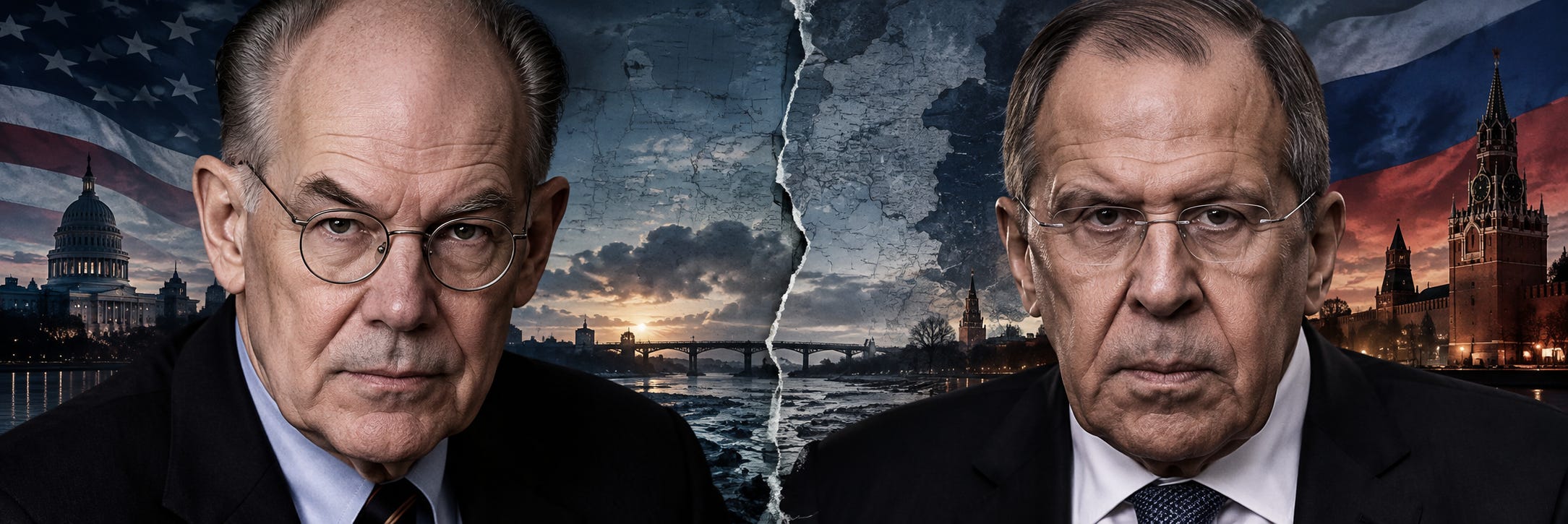
John Mearsheimer's account of meetings in Moscow and St Petersburg reports Russian confidence of victory, doubts about Washington's ability to deliver a settlement, and harsher terms for Ukraine.

Washington's 2025 National Security Strategy formalises a 'burden sharing network' that coerces client states into funding and fighting US proxy wars, from Ukraine to Yemen, to sustain waning hegemony.
![[comra]](/directus-assets/721a5e66-83d0-41e9-8ee4-59ae9a4f99bd.937451d6-1200.webp)