
Anti-imperialismGeopoliticsResistanceMarxismPhilosophyArt & Culture
📜 History
Resources About Topic
The Tricontinental
Qiao Collective (桥)
Anti-Imperialist Scholars Collective
Reason2Resist with Dimitri Lascaris
BreakThrough News
Upstream Podcast
Dr. Jason Hickel
Journal of International Solidarity
The New Atlas
Rev Left Radio
Critical Theory Workshop
Wenhua Zongheng (文化纵横)
The Red Nation
Vocal Politics
Red Anti-Imperialist Collective
The Electronic Intifada
[comra]
Vox Ummah
Geopolitical Economy Report
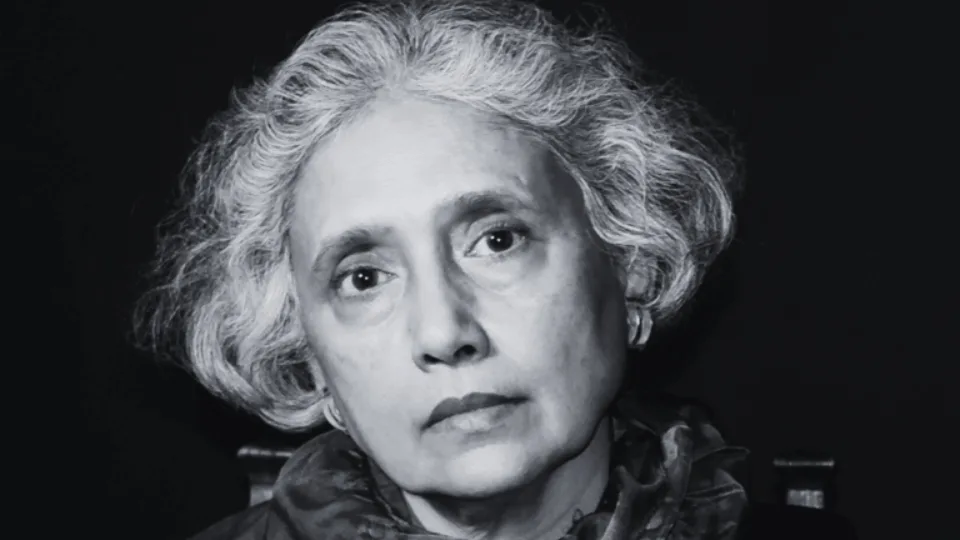
Dr. Radhika Desai
Free Palestine TV
India and Global Left
Propaganda & Co.
Colonial Outcasts
Friends of Socialist China
Monthly Review
The Cradle
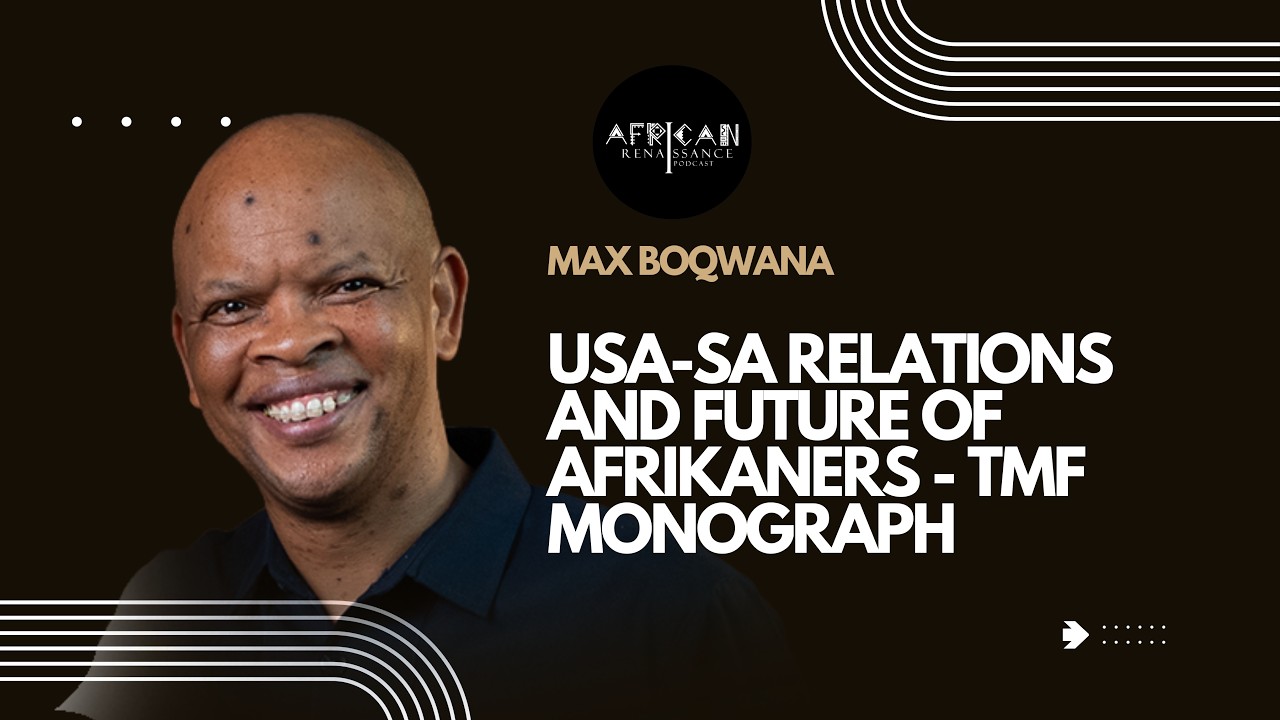
African Renaissance Podcast
Return to Bandung
Marxists Internet Archive
ProleWiki
Iskra Books
Agrarian South Network
Sovereign Media
Orinoco Tribune
Dr. Adnan Husain
Dr. Jeffrey D. Sachs
LANDBACK Action Network
The Grayzone
Elina Xenophontos
Neutrality Studies
The Resistance Archives
Samidoun: Palestinian Prisoner Solidarity Network
Hood Communist
Peoples Dispatch
Hakim
Strait Talk with Xiangyu
Working Class History
ProlesPod
Progressive International
Work Stoppage
Mint Press News
Caitlin Johnstone
The Spearhead
Empire Watch Media
Climate Vanguard
Voice of the Proletariat
Red Pen
International People's Assembly
Proletarian Polemics
Amy Yang
The Triploi Podcast
Second Thought
International Development Economics Associates
Socialista Champagne
Bandung Circuits
Inkani Books
Jalees Hyder
Divine Praxis
Guerrilla History
Guilhotina.info
Inner City Left
Psychic Militancy Podcast
The Dialectics of Destruction
The Anti-Empire Project
The East is a Podcast
Browse all items
📕 839 articles · 📙 62 books · 🎧 911 podcasts · 👁️ 743 videos

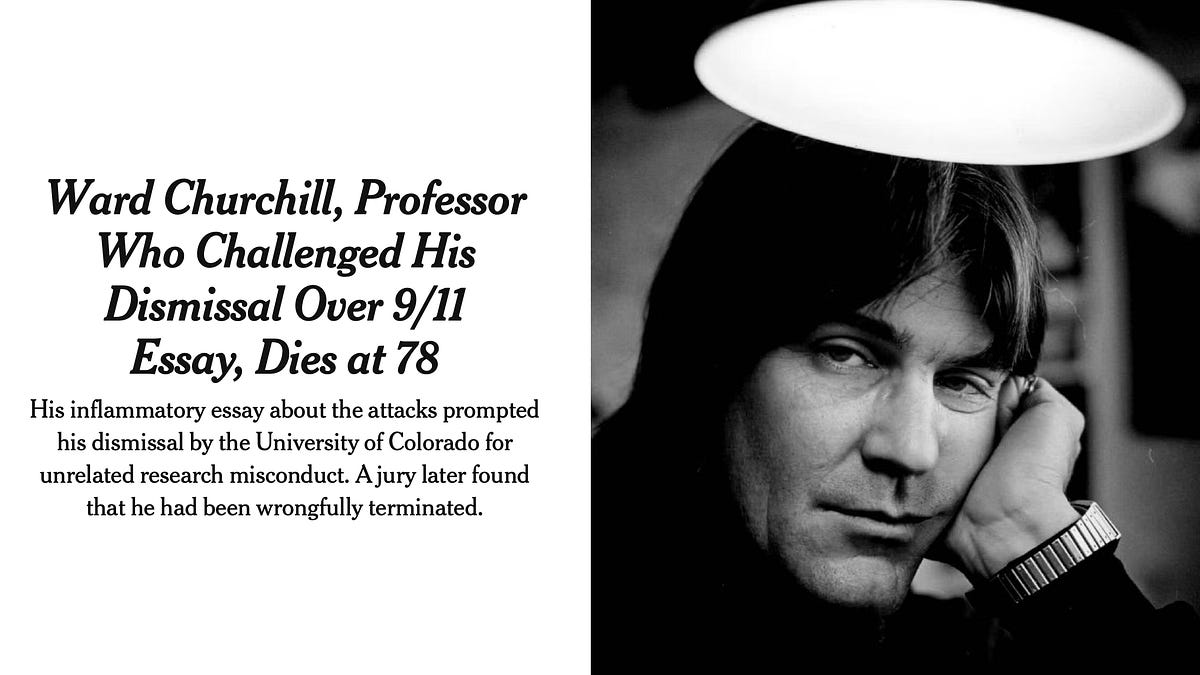
A discussion of Ward Churchill's career and the harm of pretendianism, arguing that false Indigenous identity claims undermine tribal sovereignty and the collective authority of tribal nations.

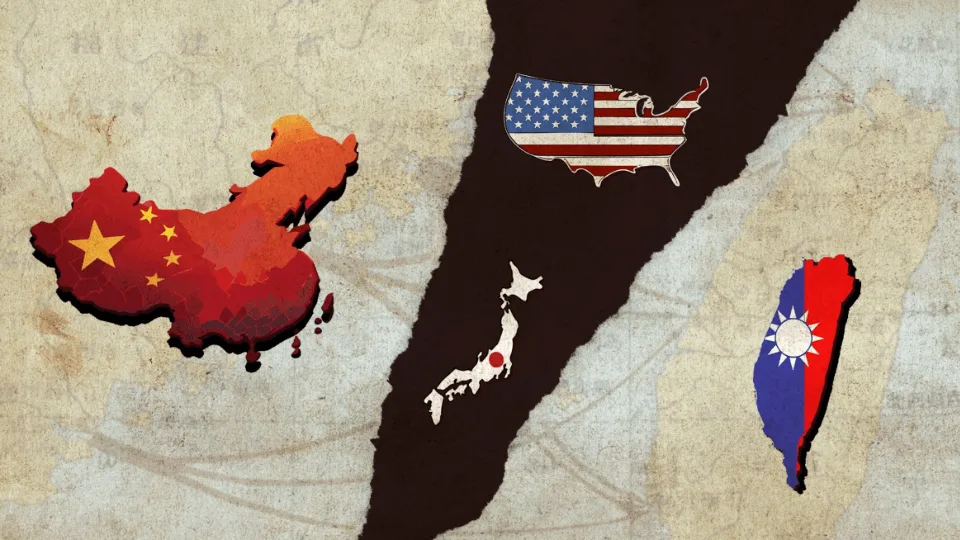
A Marxist-Leninist content creator joins a candid conversation to unpack the Taiwan question, tracing its historical layers and arguing that Western commentators on all sides work from incomplete assumptions about reunification.

Venezuela marks Indigenous Resistance Day on October 12, honouring ancestral leaders and original peoples, a commemoration formalised by Hugo Chávez in 2002 to replace Columbus Day.

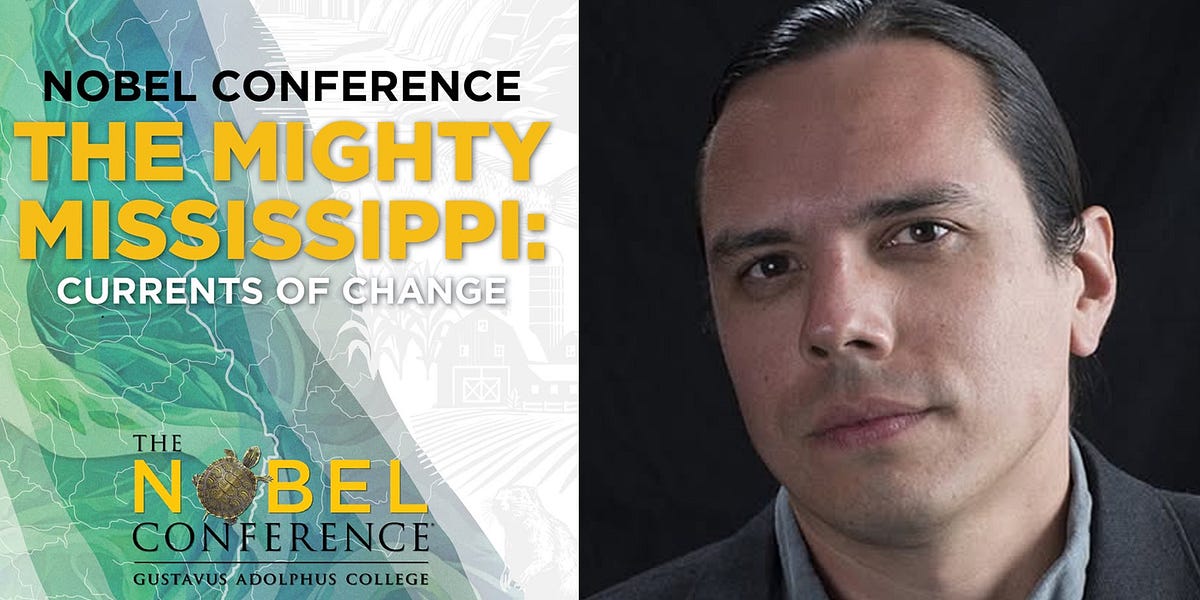
A talk at the Nobel Conference on the Mississippi River traces the enduring legacy of militarism and settler colonialism, linking Indigenous Water Protector movements from Standing Rock to Operation Metro Surge.

Marco Rubio's Athens speech praising colonialism and Western supremacy is fact-checked, arguing that the idea of a unified 'Western civilization' is a political myth used to justify US imperialism and erase colonial history.

An investigative series examines a Thabo Mbeki Foundation monograph on US-South Africa relations, tracing right-wing Afrikaner lobbying, Volkstaat funding, and genocide claims against empirical data.

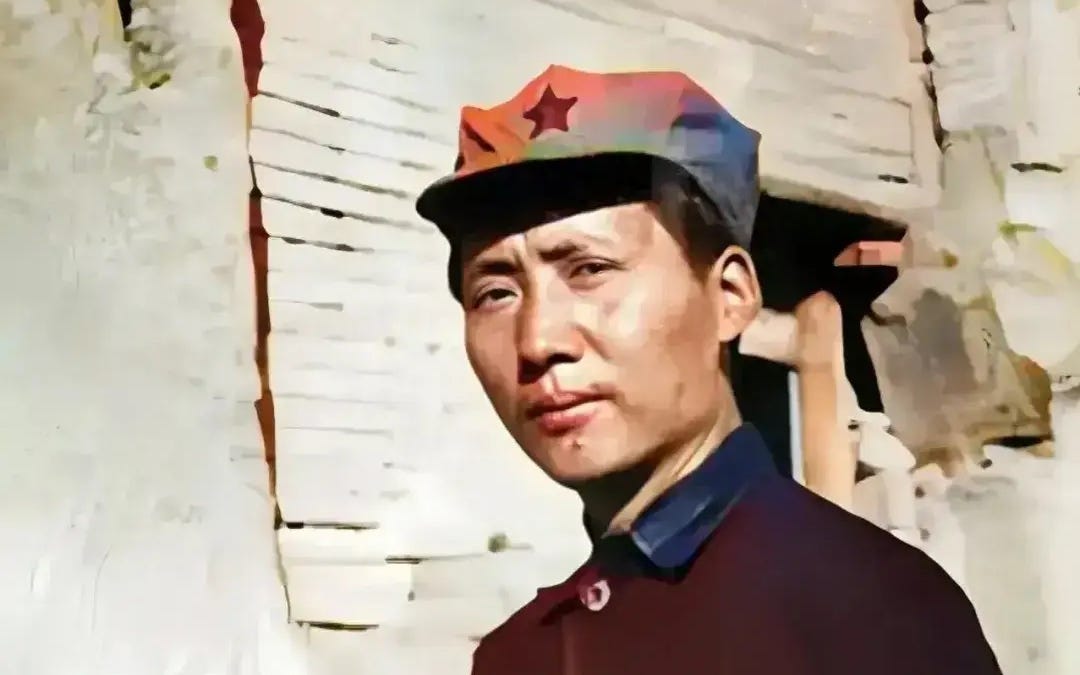
Xi Haisha's article on popularizing Marxism in Yan'an draws on Mao's 1942 'Oppose Stereotyped Party Writing' speech, cadre schools, and folk opera, cited as a guide for anti-imperialist propaganda today.

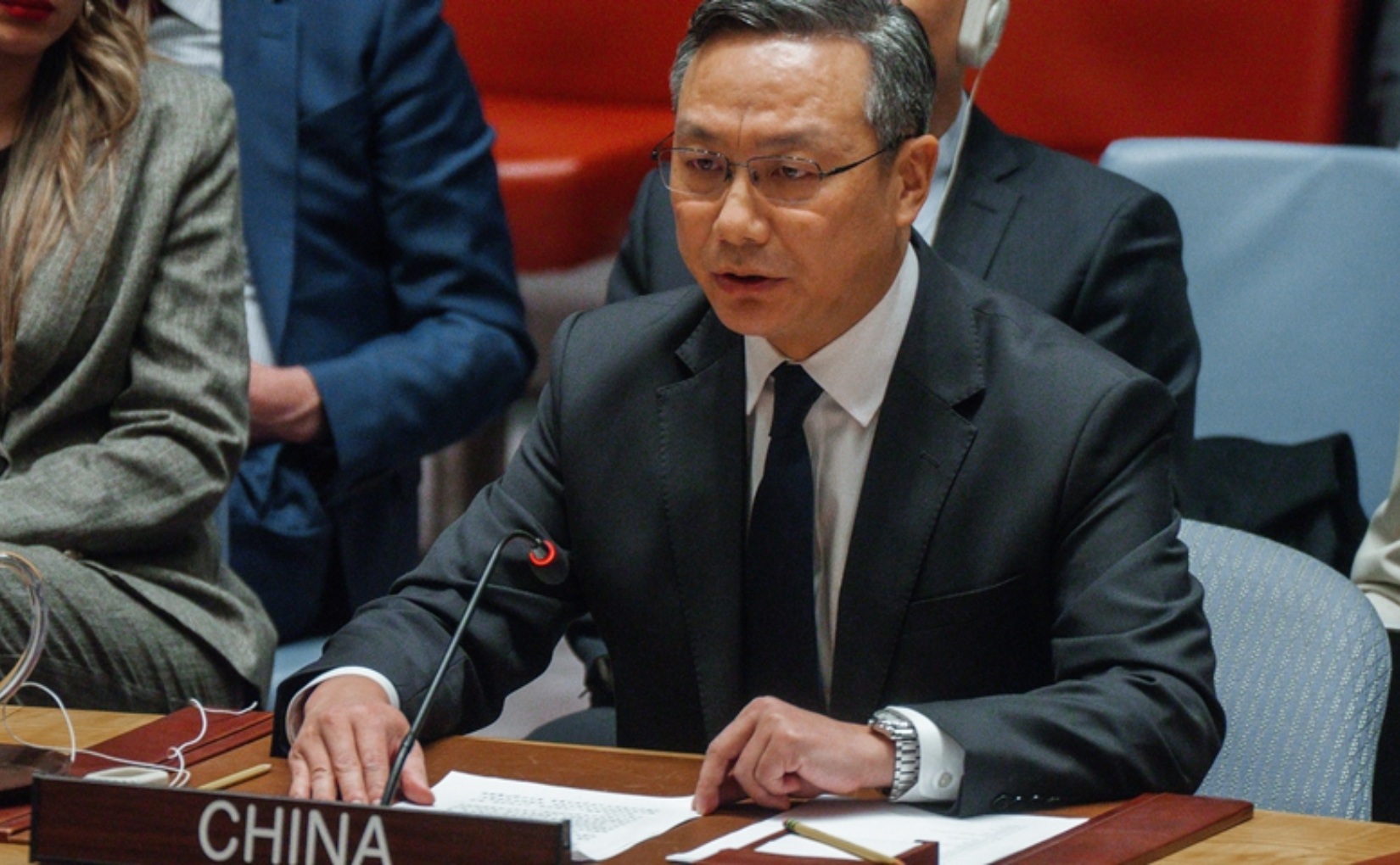
Sun Lei, China's deputy UN representative, rebutted Western criticism at the Third Committee, condemning smears by the UK, Australia, Japan and others while citing China's poverty gains and UK poverty figures.

A discussion of Ward Churchill's career and the phenomenon of "pretendianism", examining how settlers appropriate Indigenous identity and the violence this does to Native nations.

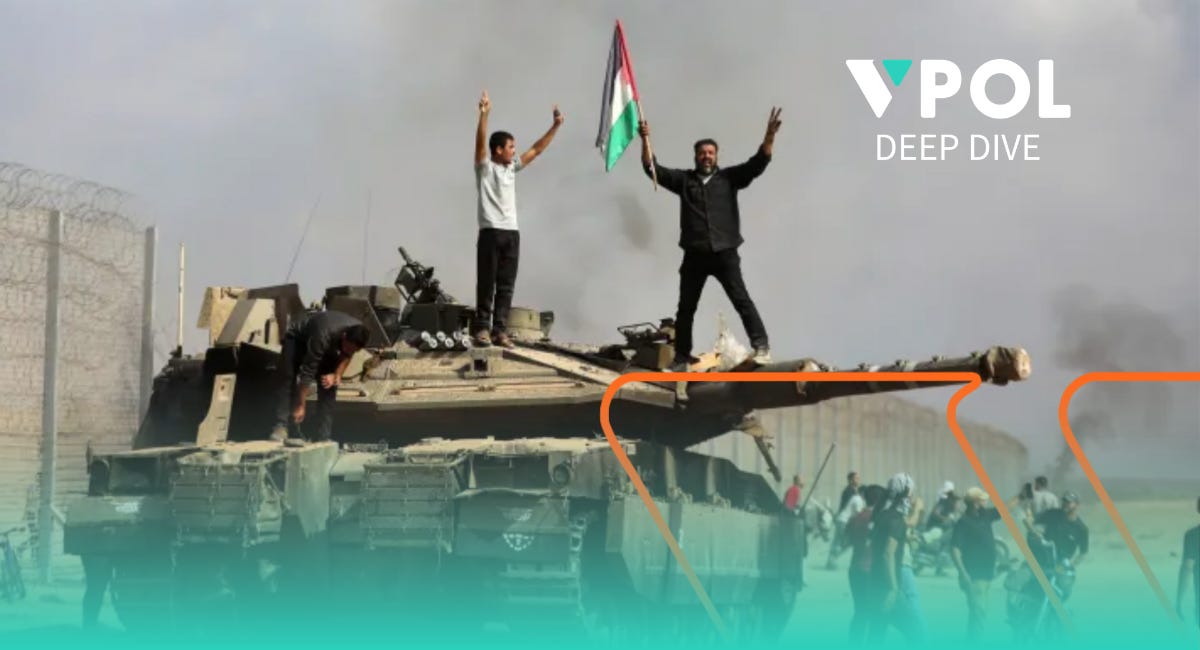
A defence of the October 7 Al-Aqsa Flood operation as courageous anti-colonial resistance, framing it as the culmination of generations of Palestinian oppression and a turning point in the decline of US empire.

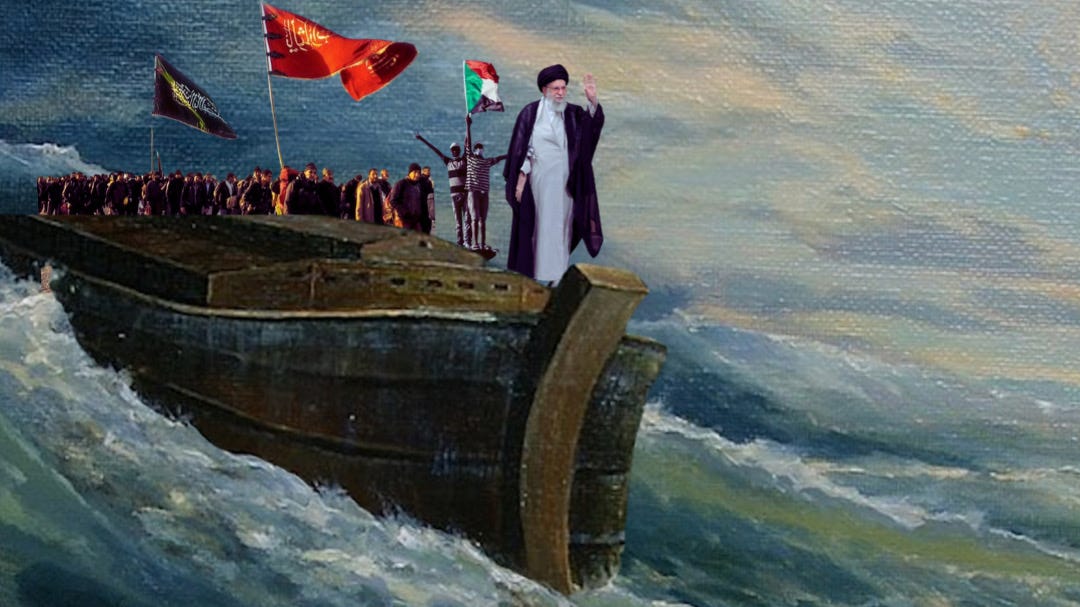
Drawing on the story of Noah and the martyrdom of Imam Husayn at Karbala, this essay frames resistance as an ark of salvation that carries dignity through the flood of falsehood, linking that inheritance to Palestine and the Axis of Resistance today.

Residents of Sarafand in south Lebanon hold a heritage festival celebrating the village's Phoenician past, asserting steadfastness on their land after displacement and destruction during the war.

Cuba commemorates the 50th anniversary of the 1976 bombing of Cubana de Aviación flight CU-455, which killed 73 people, denouncing US-backed state terrorism and demanding justice for the victims.

A scholarly account of Hamas's October 7 operation argues the Palestinian prisoners' file was its central motive, tracing a long history of capture-for-exchange operations from the 1980s to the Tufan al-Ahrar deal.

Leaders of socialist and progressive countries greeted the People's Republic of China on its 77th national day, October 1; Vladimir Putin told Xi Jinping China is achieving impressive success in socioeconomic, scientific, and technological spheres.

Dr Judy Dlamini discusses women's leadership, inequality, institutional culture and the barriers facing Black women in South African business and society, arguing leadership is a responsibility rather than a title.

Guerrilla History talks with returning guest Immanuel Ness, political science professor at Brooklyn College, about his Brill book Dialectics of Chinese Labor; Ness argues Western scholars dismissing the ACFTU are labor aristocrats earning over $100,000 a year.

A pan-African roundtable examines Nigeria's $700bn critical minerals deal with the US, alleged foreign-backed destabilisation plans against Eritrea, and the legacy of Kwame Nkrumah and Ghana's Big Six.

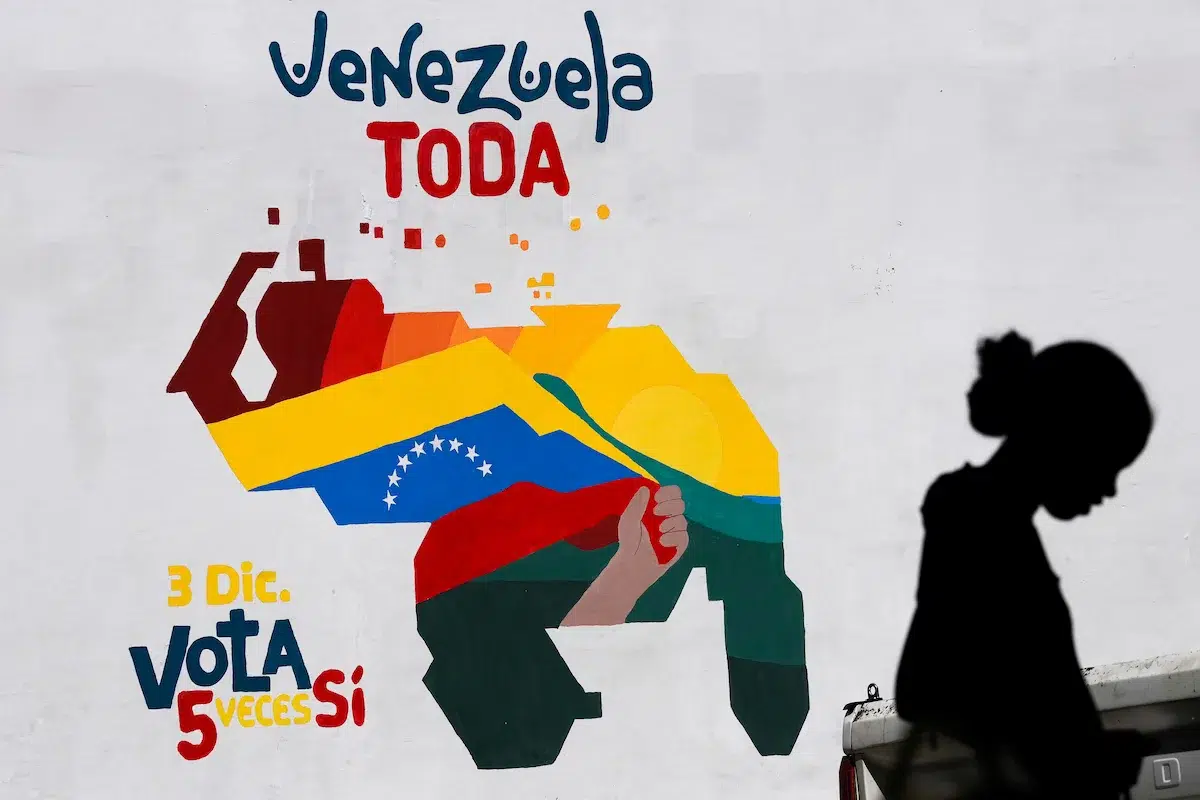
Venezuela reaffirms its claim to Guayana Esequiba on the 127th anniversary of the 1899 Paris Award, urging Guyana to resolve the dispute through direct dialogue under the 1966 Geneva Agreement rather than at the ICJ.

The botched execution of Christa Pike in Tennessee, who survived seven syringes of lethal injection, prompts a meditation on trauma, cycles of abuse, and why the death penalty cannot be justified.

Residents of Haris village in south Lebanon describe living under daily Israeli artillery fire and military encirclement, refusing to abandon their land despite the danger.

The speaker defines the 'fifth column' as an external enemy operating inside a state, then shows Chinese Canadians, academics, journalists and politicians all falling under suspicion, with loyalty checks on Hong Kong and Xi Jinping.

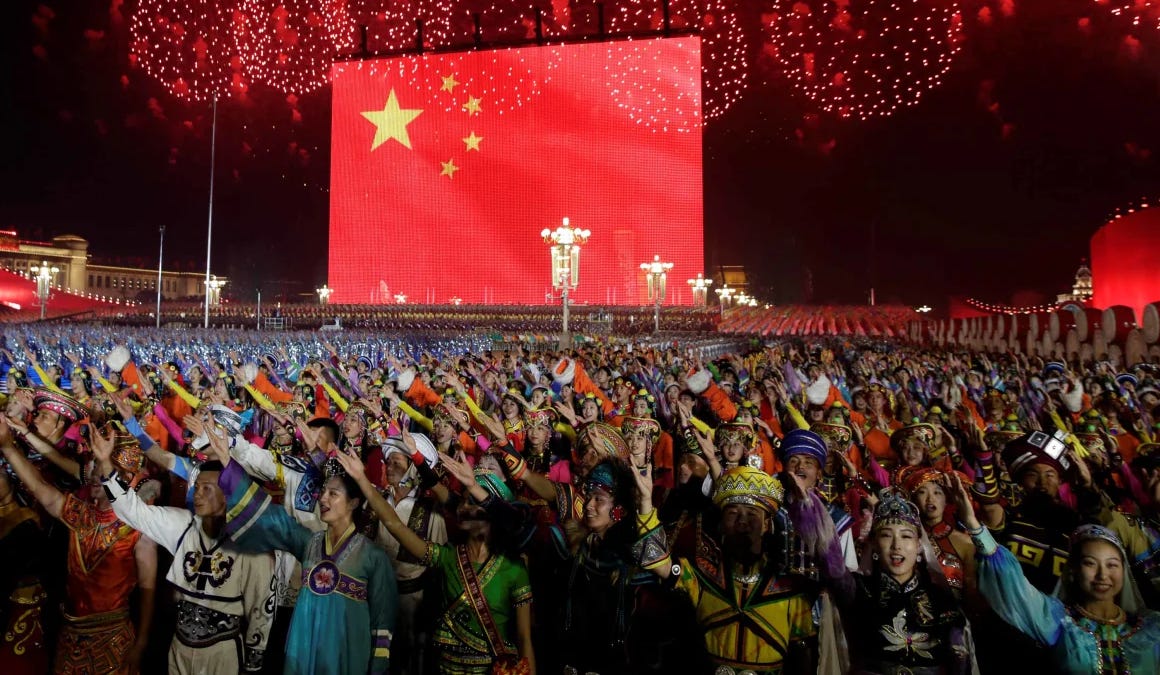
A National Day statement marking 77 years of the People's Republic of China, crediting Communist Party rule with rising life expectancy, the eradication of rural poverty, and the consolidation of sovereignty over Hong Kong and Taiwan.

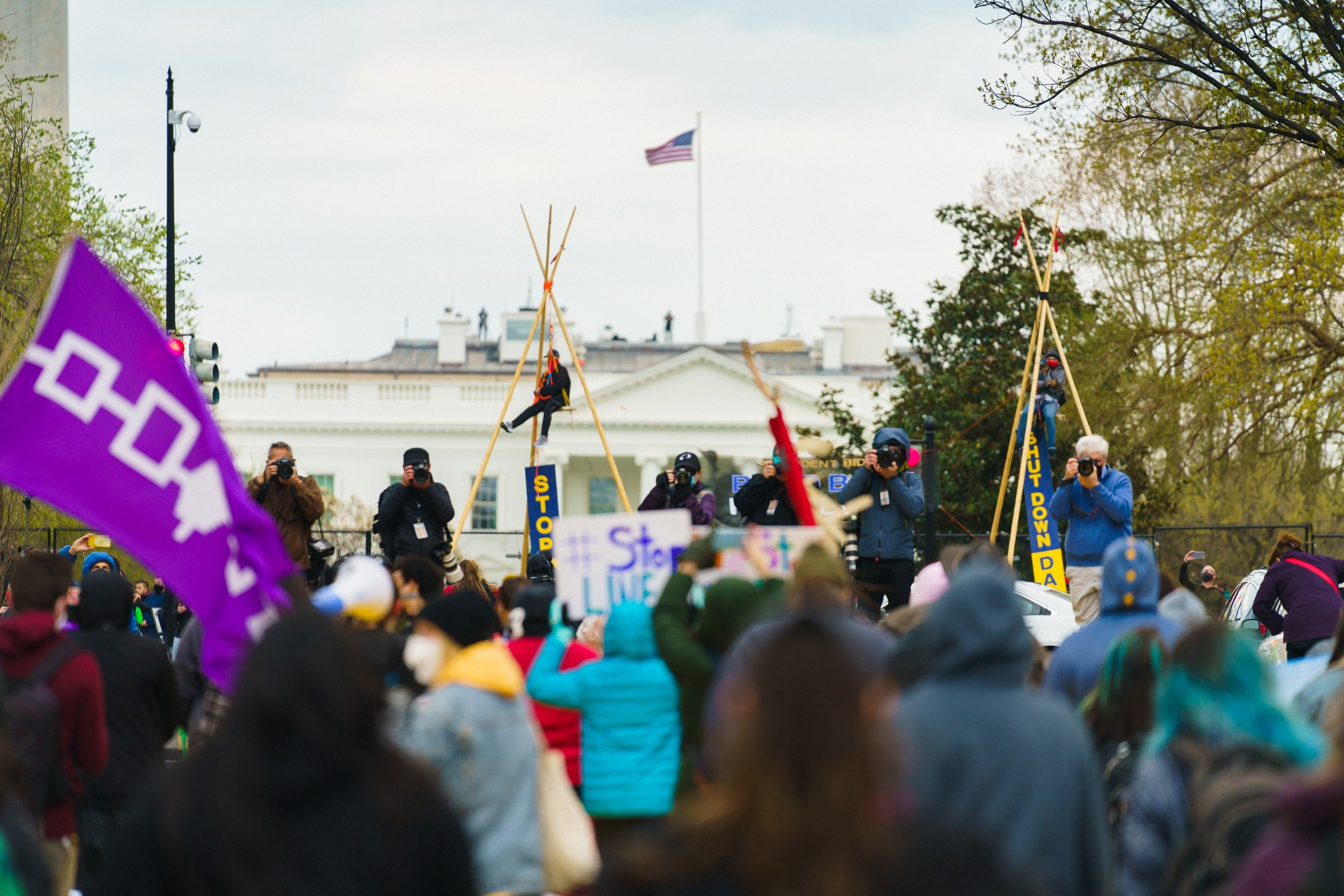
A history of Native American voting rights traces Indigenous governance from the Haudenosaunee Confederacy through the 1924 Indian Citizenship Act to recent Supreme Court rulings weakening the Voting Rights Act.

The life of George Hatem, a Lebanese-American doctor who joined the Chinese revolution as Ma Haide, became a citizen of the People's Republic and helped build its public health system.

A documentary on the Mohawk Mothers' fight to uncover unmarked graves at Montreal's Royal Victoria Hospital site, where Indigenous children were subjected to psychiatric experiments.

A writer recalls childhood summers in her grandfather's Jabaliya home before Israeli attacks reduced it to rubble, and reflects on displacement, memory and what it means to lose a home.

Ali Alizadeh's essay 'Khamenei's Last Move' examines the assassination of Ayatollah Ali Khamenei, tracing Iran's revolutionary politics back to Khamenei's election by the Assembly of Experts on June 3, 1989.

Ward Churchill's legacy is examined through decades of Indigenous challenges to his claimed Native identity, arguing that self-Indigenization is a colonial theft enabled by universities and media that ignore tribal sovereignty.
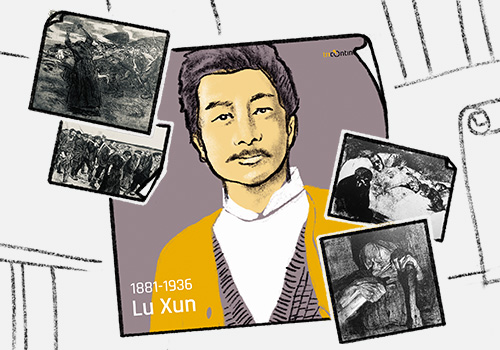
A survey of Lu Xun's final decade of polemical zawen essays, tracing his leftward turn, advocacy of vernacular Chinese, and insistence that revolutionary literature grows from struggle and collective soil.