
![[comra]](/directus-assets/721a5e66-83d0-41e9-8ee4-59ae9a4f99bd.937451d6-1200.webp)
Anti-imperialismGeopoliticsResistanceMarxismPhilosophyArt & Culture
👥 Global Majority
Resources About Topic
The Tricontinental
Qiao Collective (桥)
Anti-Imperialist Scholars Collective
Reason2Resist with Dimitri Lascaris
BreakThrough News
Upstream Podcast
Dr. Jason Hickel
Journal of International Solidarity
The New Atlas
Rev Left Radio
Critical Theory Workshop
Wenhua Zongheng (文化纵横)
The Red Nation
Red Anti-Imperialist Collective
The Electronic Intifada
[comra]
Vox Ummah
Geopolitical Economy Report
Dr. Radhika Desai
Free Palestine TV
India and Global Left
Colonial Outcasts
Friends of Socialist China
Monthly Review
The Cradle
African Renaissance Podcast
Return to Bandung
The Global Inequality Project
ProleWiki
Agrarian South Network
Sovereign Media
Orinoco Tribune
Dr. Adnan Husain
Dr. Jeffrey D. Sachs
The Grayzone
Elina Xenophontos
Four Winds Guide to Revolution
Neutrality Studies
Coalition for the Elimination of Imperialism in Africa
Samidoun: Palestinian Prisoner Solidarity Network
Hood Communist
Peoples Dispatch
Hakim
Strait Talk with Xiangyu
Working Class History
Progressive International
Work Stoppage
Mint Press News
Caitlin Johnstone
The Spearhead
Empire Watch Media
Climate Vanguard
Voice of the Proletariat
Tricontinental Political Economy
International People's Assembly
Amy Yang
The Triploi Podcast
Second Thought
International Development Economics Associates
Socialista Champagne
Bandung Circuits
Find the Signal
Inkani Books
Guerrilla History
Inner City Left
The Dialectics of Destruction
The Anti-Empire Project
The East is a Podcast
Browse all items
📕 781 articles · 📙 16 books · 🎧 247 podcasts · 👁️ 587 videos

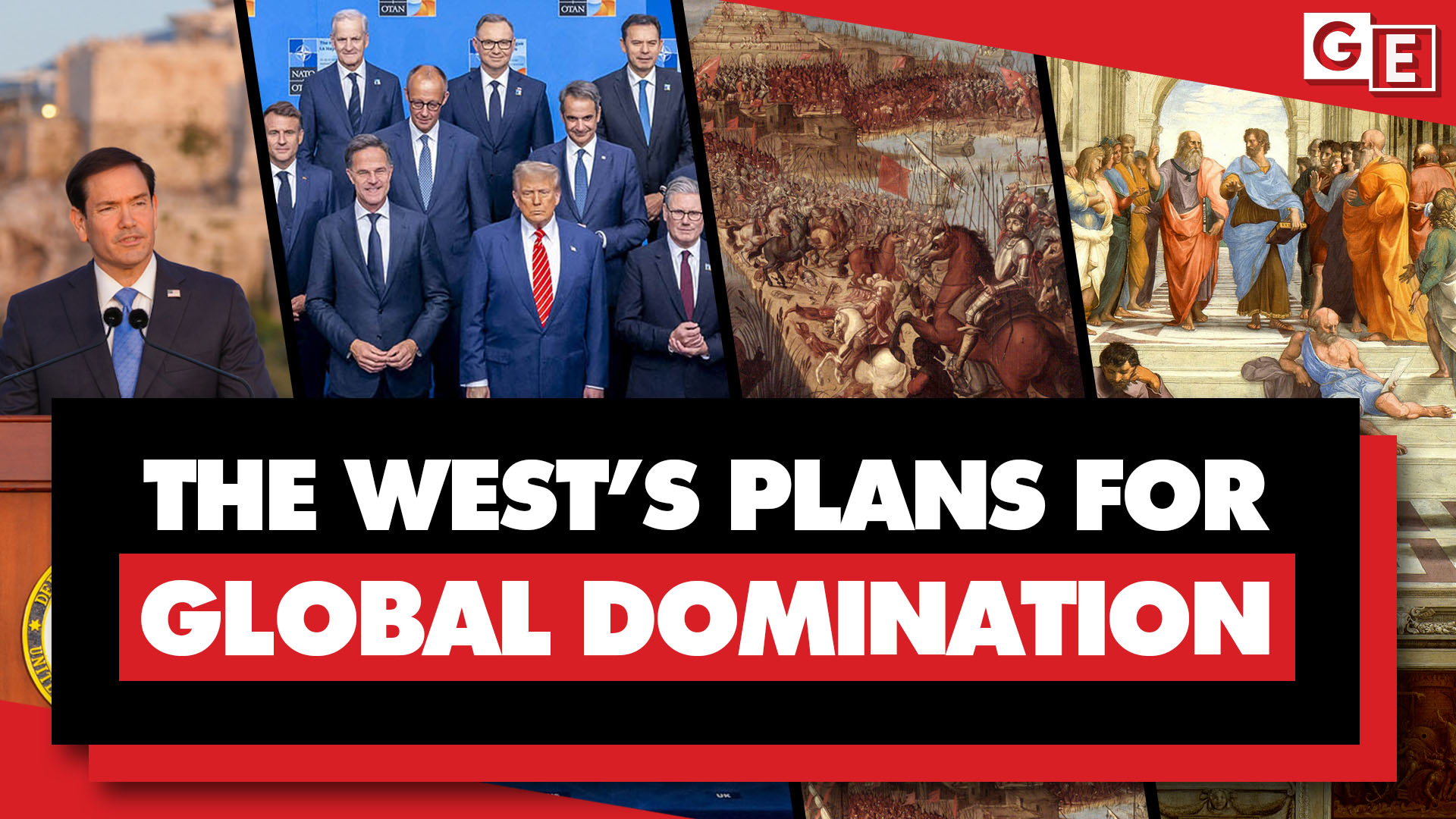
Marco Rubio's Athens speech praising colonialism, erasing Indigenous genocide and demanding Western global domination is analysed as a fusion of neoconservative warmongering with MAGA's white-supremacist and Christian-nationalist rhetoric.

Professor Zhang Weiwei argues at the East-West Forum in Istanbul that China's civilizational state model and strategic patience underpin a multipolar vision built on peace, development and Asian integration rather than confrontation with the United States.

Journalist Laith Marouf argues that dismantling Israel would not end US imperialism, discussing West Asian resistance, Lebanon's crisis, the China-Iran land corridor, and fractures within imperial societies.

Amílcar Cabral's doctrine that colonised peoples must become their own mountains links Guinea-Bissau's anti-colonial struggle to the Red Power movement, Wounded Knee, and Indigenous solidarity with Palestine and anti-apartheid South Africa.

Orthodox domestic resource mobilisation rests on the flawed loanable funds theory, treating money as scarce and forcing global South economies into austerity and dependency; domestic resource creation, grounded in endogenous credit, offers a sovereign alternative.

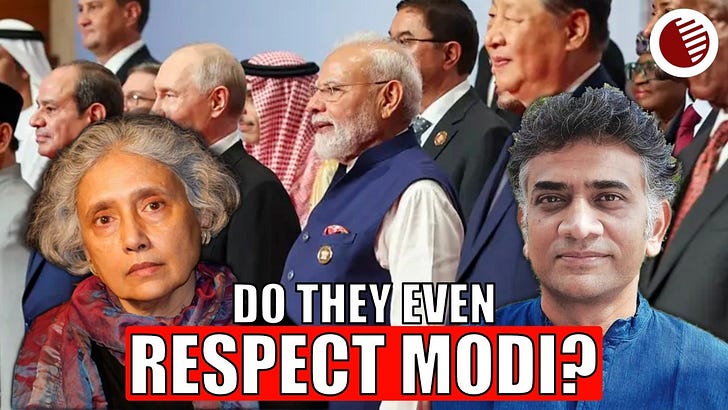
Aakar Patel argues that Narendra Modi's foreign policy operates on two registers: theatre staged for validation abroad, which harder leaders exploit, and the external face of Hindutva, explaining the fixation on Pakistan and the embrace of Israel.

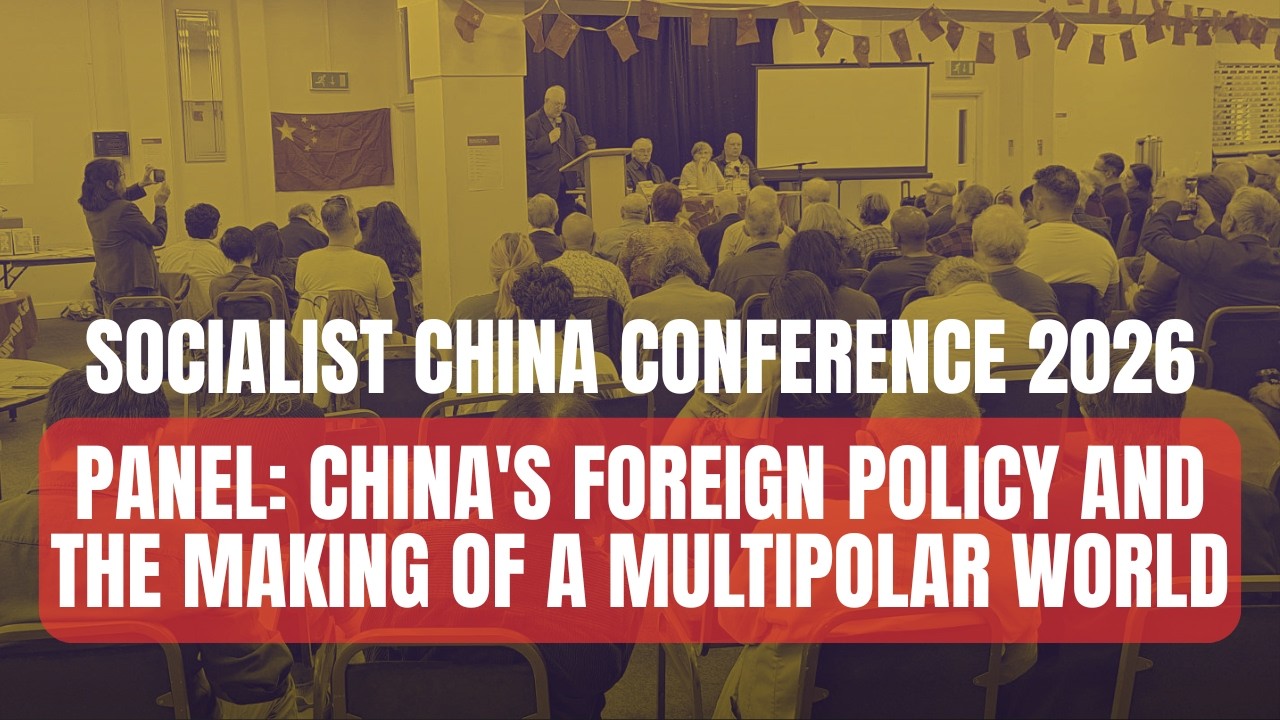
China Daily's London correspondent covered the third annual Socialist China Conference, where left-wing, anti-war and academic speakers urged the West to better understand China's peaceful rise, Global South contributions and multipolar vision.

A heterodox critique of orthodox domestic resource mobilisation argues that money is endogenously created through sovereign fiscal and banking mechanisms, proposing a new financial architecture for Global South development.

A retrospective on Gamal Abdel Nasser's pan-Arab project, tracing his path from Palestine to the Suez Canal nationalisation and arguing his vision of Arab unity, socialism and anti-colonial resistance remains unbroken.

The World Bank and IMF pushed financial liberalisation that fuelled the 1997 Asian financial crisis, then imposed austerity that caused lasting slow growth, lost national ownership and rising inequality across Southeast Asia.

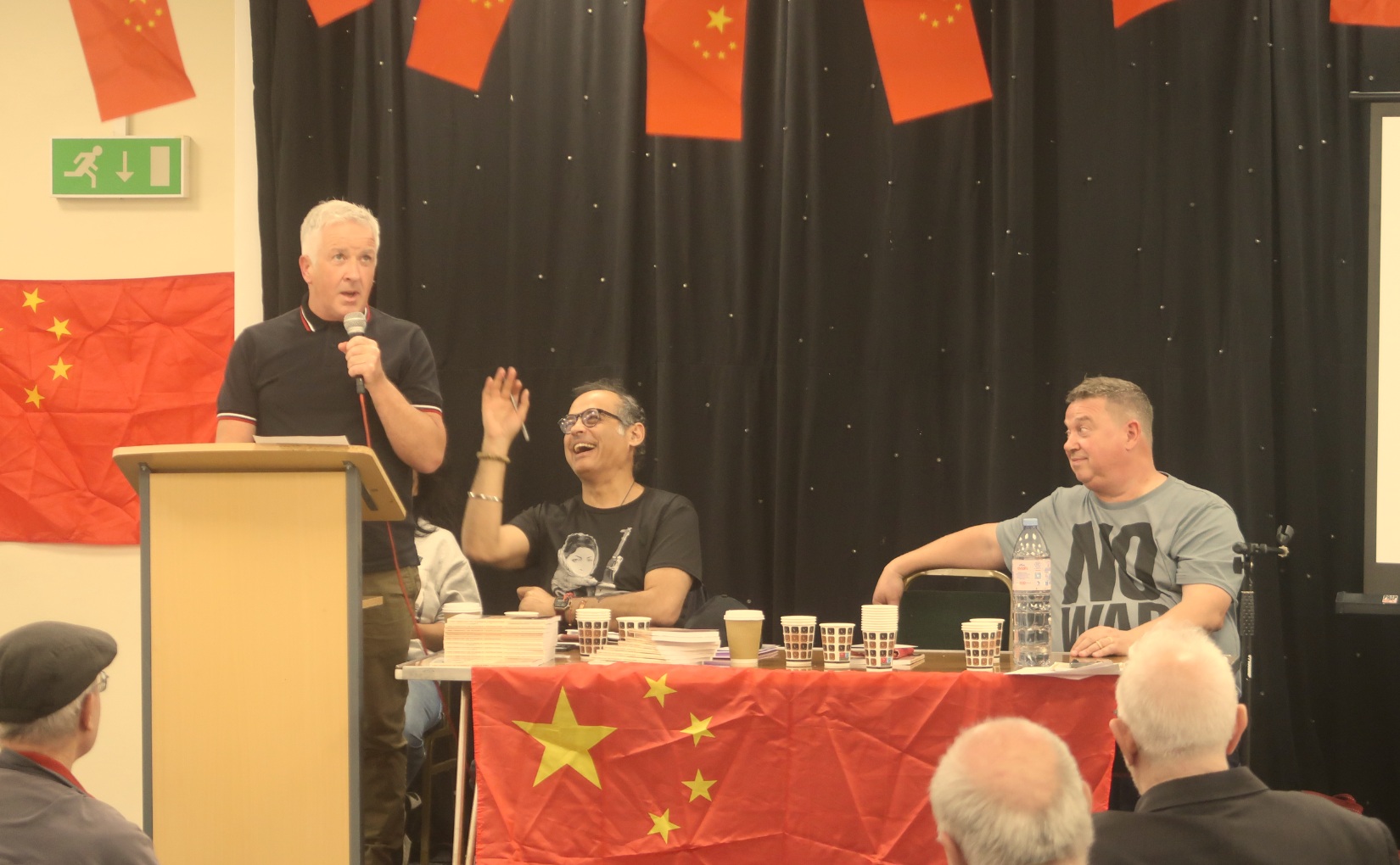
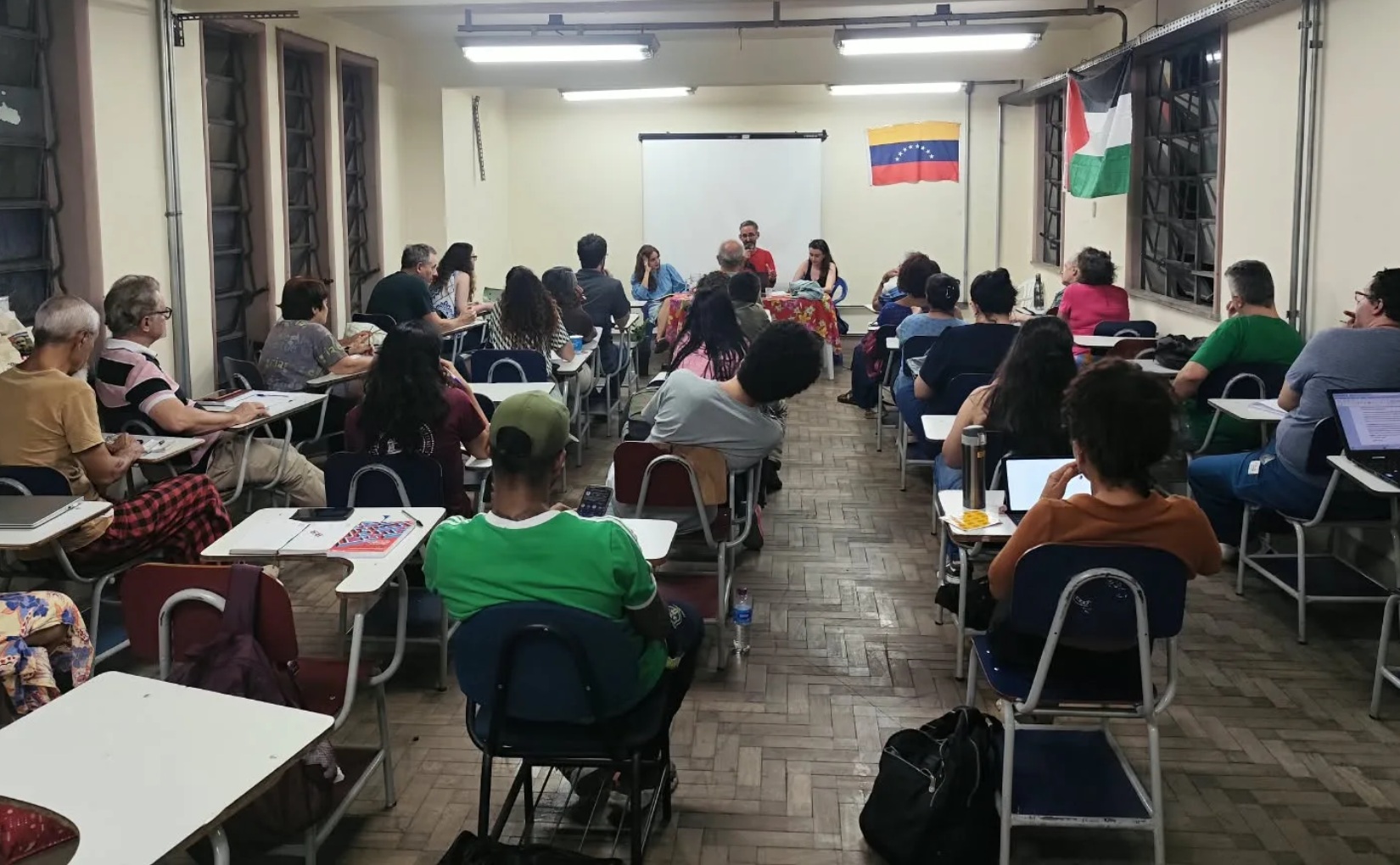
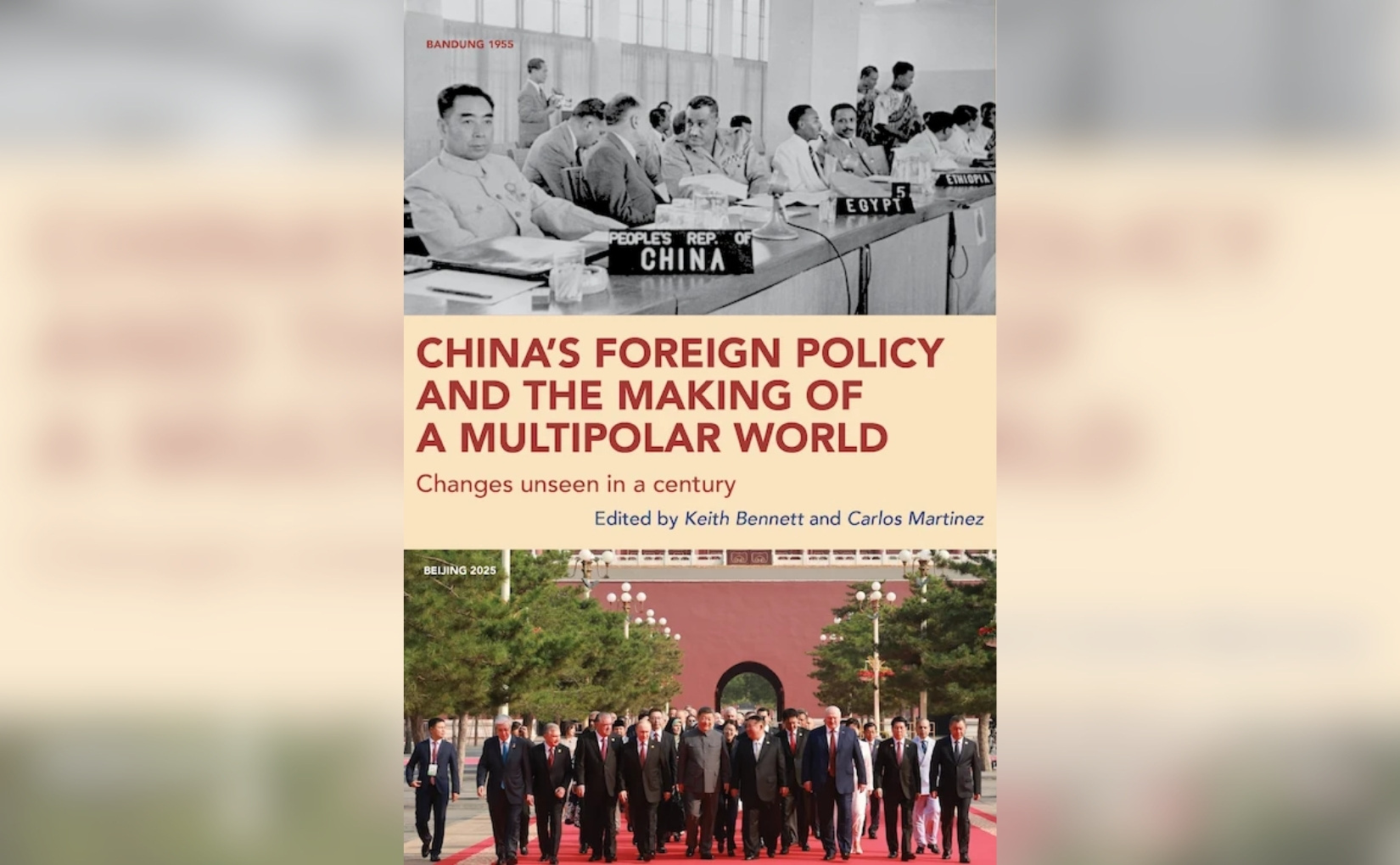
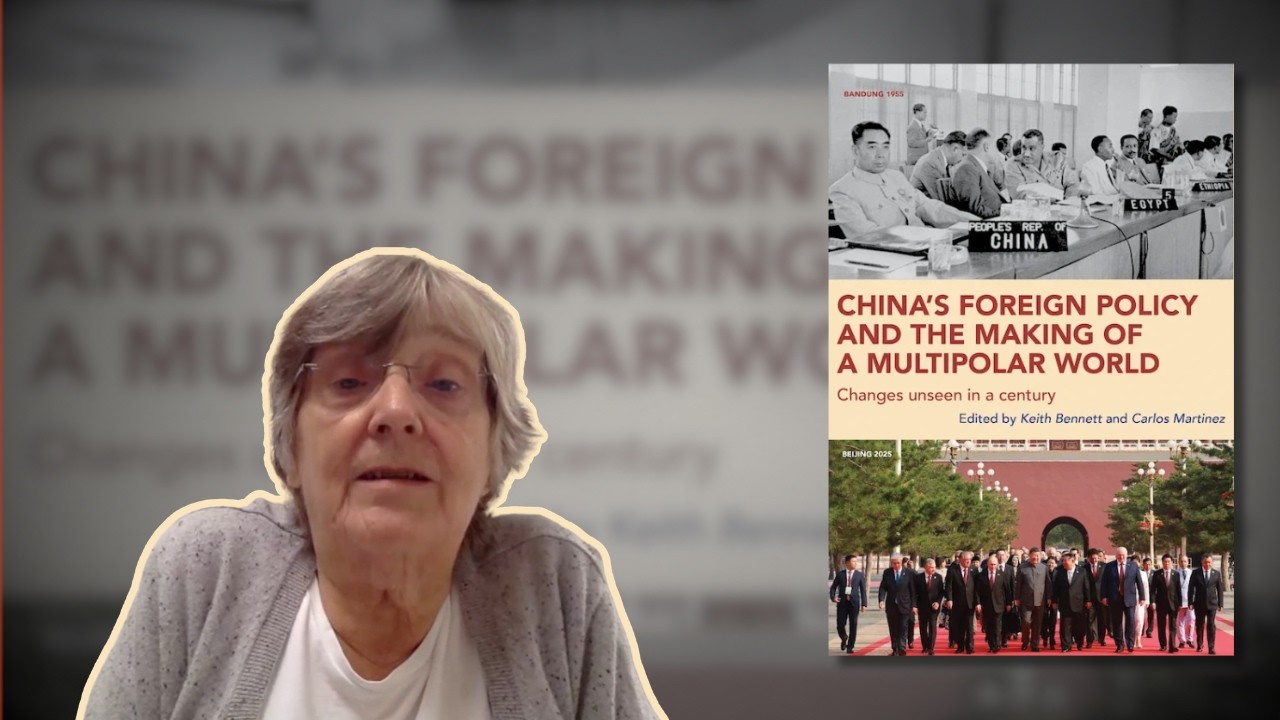
A Socialist China Conference 2026 panel launching a book on Chinese foreign policy, debating multipolarity, anti-imperialism, Latin America, Africa and the legacy of Deng Xiaoping.

The IMF-World Bank's 2026 debt framework adds a domestic debt module but keeps a residency-based definition that hides currency mismatch, as Cambodia and Maldives show dollarisation, not debt size, is the real constraint.

US ambassador to Greece Kimberly Guilfoyle threatened to overthrow Athens' government, remarks that highlight Washington's long history of sponsoring coups and its ongoing imperial interference in Global South nations.

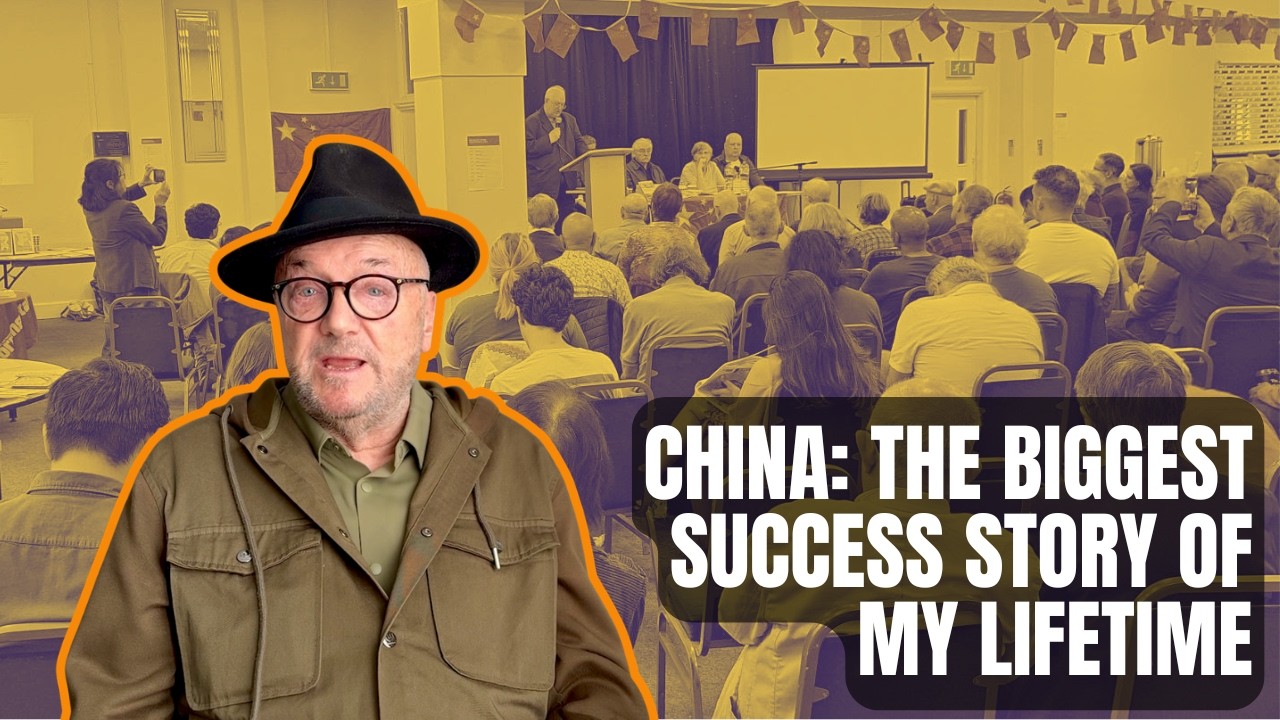
George Galloway argues that China's development stems from state direction and Communist Party leadership, contrasting its regional equity with British abandonment.

A pan-African roundtable examines Nigeria's $700bn critical minerals deal with the US, alleged foreign-backed destabilisation plans against Eritrea, and the legacy of Kwame Nkrumah and Ghana's Big Six.

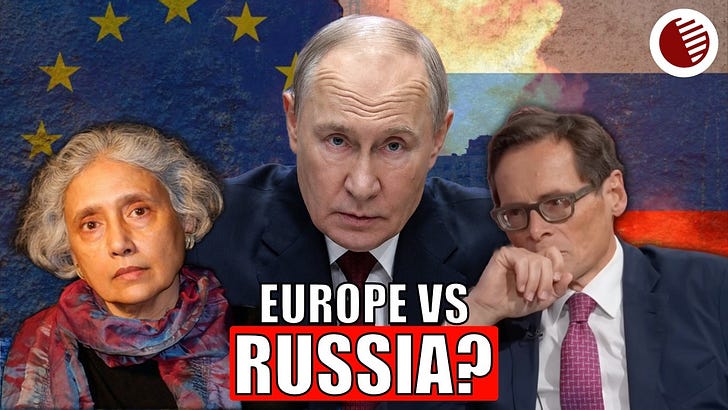
Roger Köppel argues at the Valdai Discussion Club that Europe is too weak economically, militarily and politically to confront Russia, and that moralism over realism has made Europeans pay while Ukrainians fight and Americans profit.

An interview arguing that contemporary China remains fundamentally socialist despite market reforms, and that its rise, alongside Brazil and the BRICS, is driving a multipolar transition away from US-led imperialism.

The Committees for the Defense of the Revolution mark 66 years of neighborhood organizing in Cuba, sustaining social programs and solidarity work amid the US blockade's collective punishment.

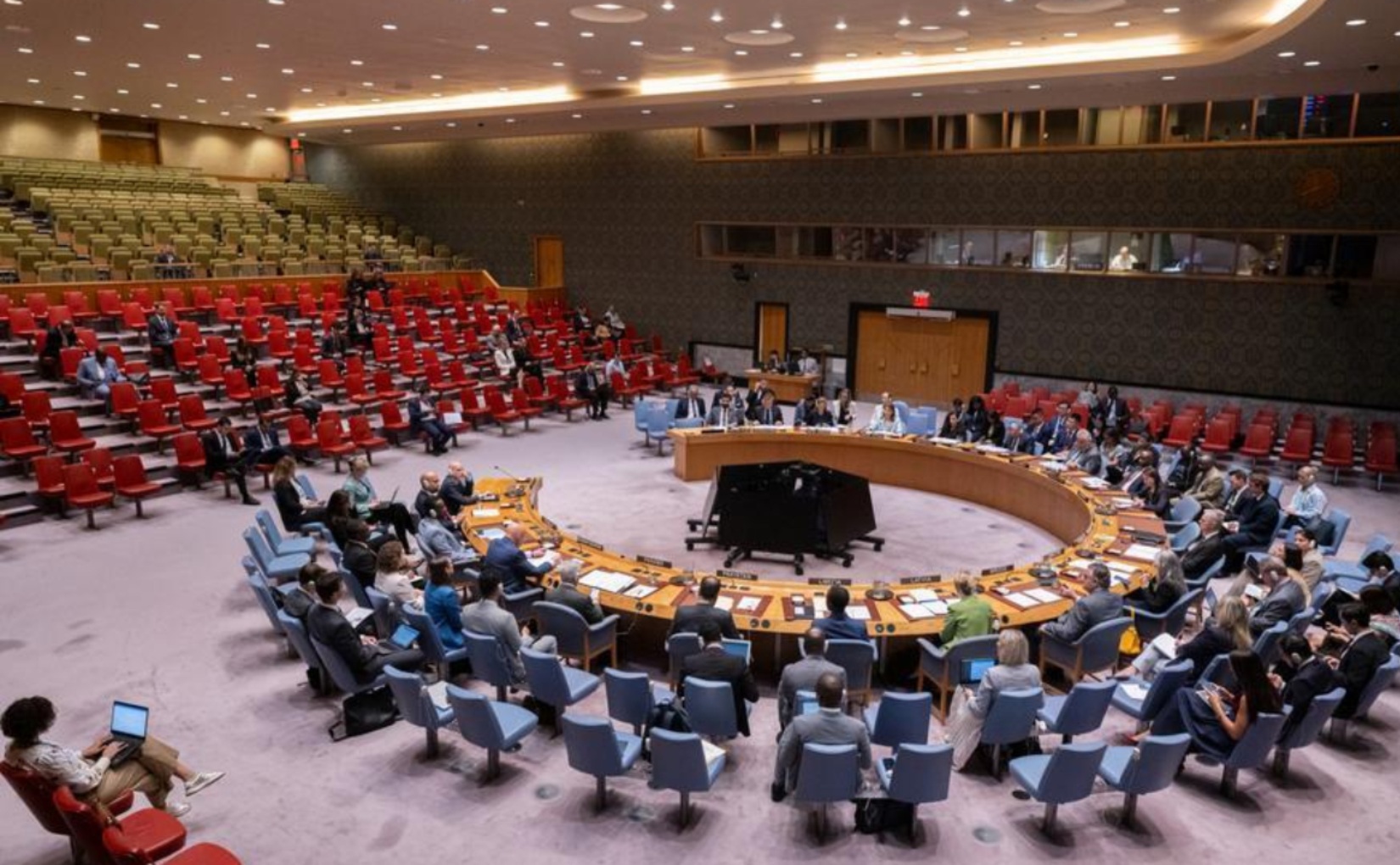
A Pan-Africanist, dialectical materialist assessment of the United Nations argues it cannot defend African sovereignty, from the Congo crisis to the Sahel, so liberation forces must build independent military, economic and diplomatic power first.

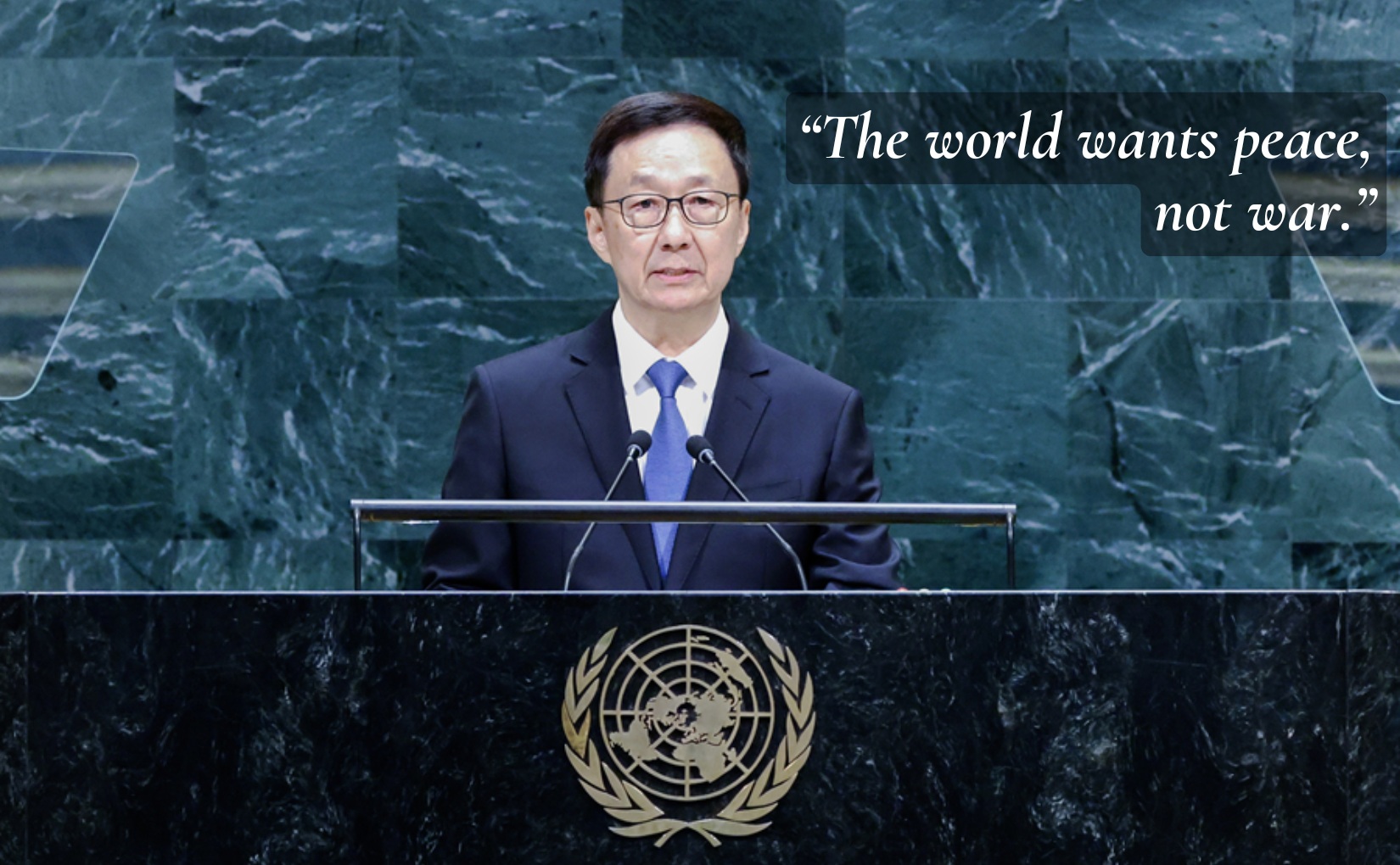
Chinese Vice President Han Zheng, addressing the 81st UN General Assembly general debate, proposed four steps for cooperation and cited China's roughly 30 percent contribution to global growth and over 23 billion dollars for more than 2,000 Global Development Initiative projects.

Forty states met at the UN to advance The Hague Group's push for enforcing international law on Gaza, as UNCTAD reported Gaza's economy in near-total collapse and Trump attacked the ICC.

Venezuela's foreign minister conducted a wide diplomatic agenda at the UN General Assembly, meeting delegations from Latin America, Asia, Africa and Europe to strengthen cooperation and sovereignty.

Journalist Chris Kasper de Ploeg discusses his book The Exterminating Empire, arguing that capitalism's drive for profit links genocide in Palestine to ecological destruction worldwide.

A cognitive-evolutionary reading of BRICS+ as a metastable Community of Practice rooted in the Bandung Spirit, arguing its diversity drives cohesion and outlining the institutional, financial and ecological challenges facing the 2027 summit.

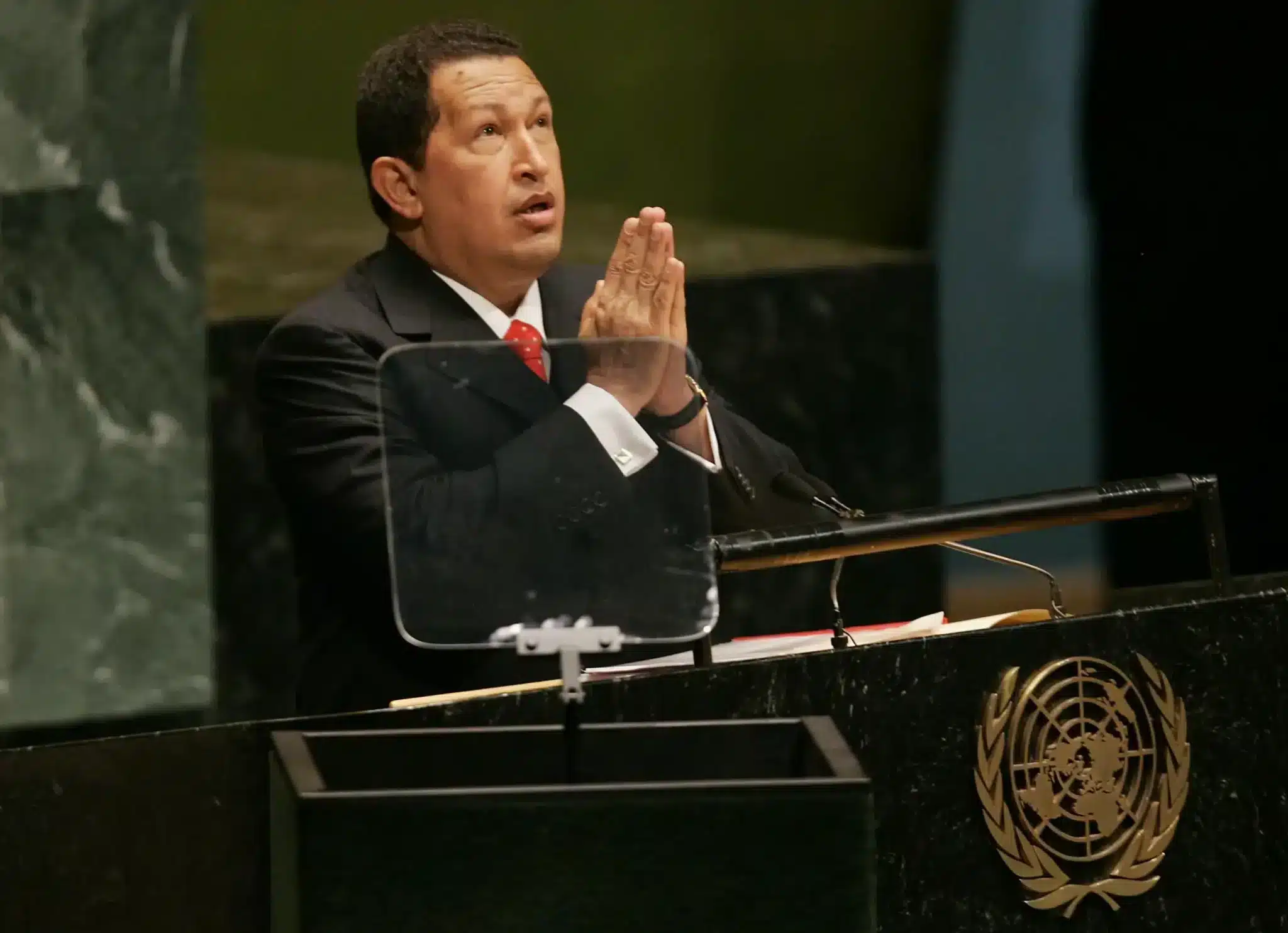
Twenty years after Hugo Chávez called the UN hall sulphurous, his warnings about US hyper-imperialism, a paralysed Security Council and the need for Global South unity remain a live agenda for organised peoples.

Dr Francisco Dominguez reviews Bennett and Martinez's book on China's multipolar foreign policy; it traces GDP growth from US$41.5 billion in 1955 to US$19.6 trillion by 2025, and Carlos Martinez identifies four global initiatives.

George Galloway discusses the anti-apartheid struggle, international solidarity with the ANC, Nelson Mandela's legacy, and how shifting global alignments reshape international politics today.

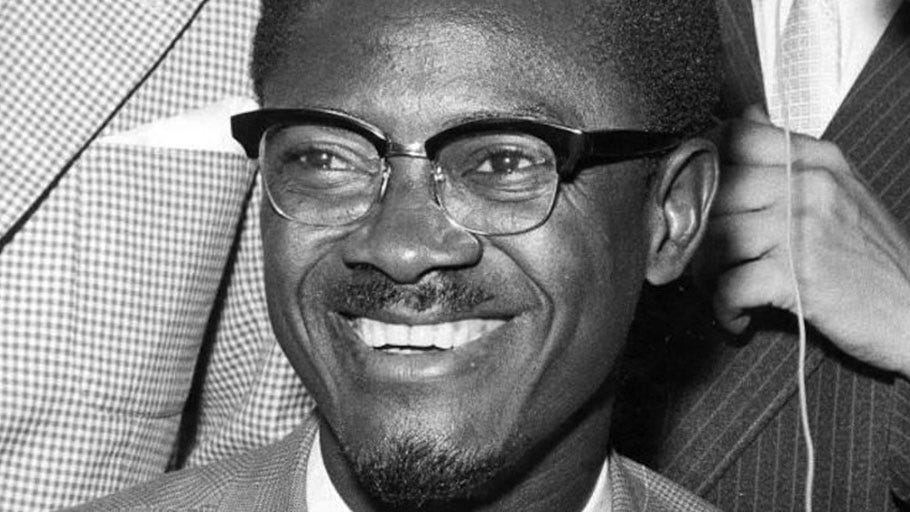
Moscow's Patrice Lumumba Peoples' Friendship University trained post-colonial professionals from the Global South, and Russia's 2023 restoration of Lumumba's name signals a foreign policy reoriented toward Africa.