
Anti-imperialismGeopoliticsResistanceMarxismPhilosophyArt & Culture
☭ Marxism
Resources About Topic
The Tricontinental
Qiao Collective (桥)
Anti-Imperialist Scholars Collective
Reason2Resist with Dimitri Lascaris
BreakThrough News
Upstream Podcast
Dr. Jason Hickel
Journal of International Solidarity
The New Atlas
Rev Left Radio
Critical Theory Workshop
Wenhua Zongheng (文化纵横)
The Red Nation
Vocal Politics
Red Anti-Imperialist Collective
The Electronic Intifada
[comra]
Vox Ummah
Geopolitical Economy Report
Dr. Radhika Desai
Free Palestine TV
India and Global Left
Propaganda & Co.
Colonial Outcasts
Friends of Socialist China
Monthly Review
The Cradle
African Renaissance Podcast
Return to Bandung
Marxists Internet Archive
The Global Inequality Project
ProleWiki
Iskra Books
Agrarian South Network
Sovereign Media
Orinoco Tribune
Dr. Adnan Husain
LANDBACK Action Network
The Grayzone
Elina Xenophontos
Four Winds Guide to Revolution
Neutrality Studies
The Resistance Archives
Coalition for the Elimination of Imperialism in Africa
Samidoun: Palestinian Prisoner Solidarity Network
Hood Communist
Peoples Dispatch
Hakim
Strait Talk with Xiangyu
Working Class History
ProlesPod
Progressive International
Work Stoppage
Mint Press News
Caitlin Johnstone
Empire Watch Media
Climate Vanguard
Voice of the Proletariat
Tricontinental Political Economy
Red Pen
International People's Assembly
Proletarian Polemics
Amy Yang
The Triploi Podcast
Dr. Bikrum Gill
Second Thought
International Development Economics Associates
Socialista Champagne
Bandung Circuits
Find the Signal
Inkani Books
Divine Praxis
Guerrilla History
Guilhotina.info
Inner City Left
The Dialectics of Destruction
Chris Cullen
The Anti-Empire Project
The East is a Podcast
Browse all items
📕 1,914 articles · 📙 107 books · 🎧 1,282 podcasts · 👁️ 1,075 videos

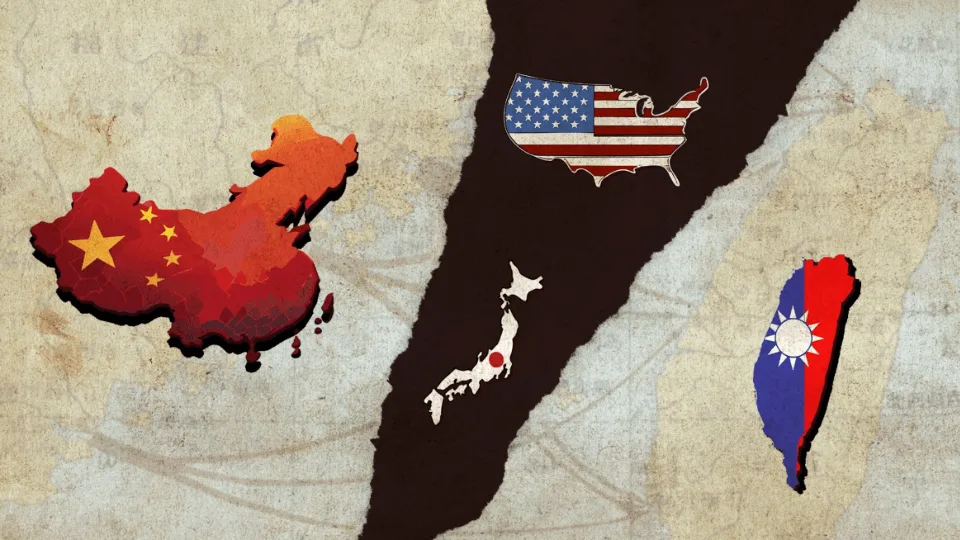
A Marxist-Leninist content creator joins a candid conversation to unpack the Taiwan question, tracing its historical layers and arguing that Western commentators on all sides work from incomplete assumptions about reunification.

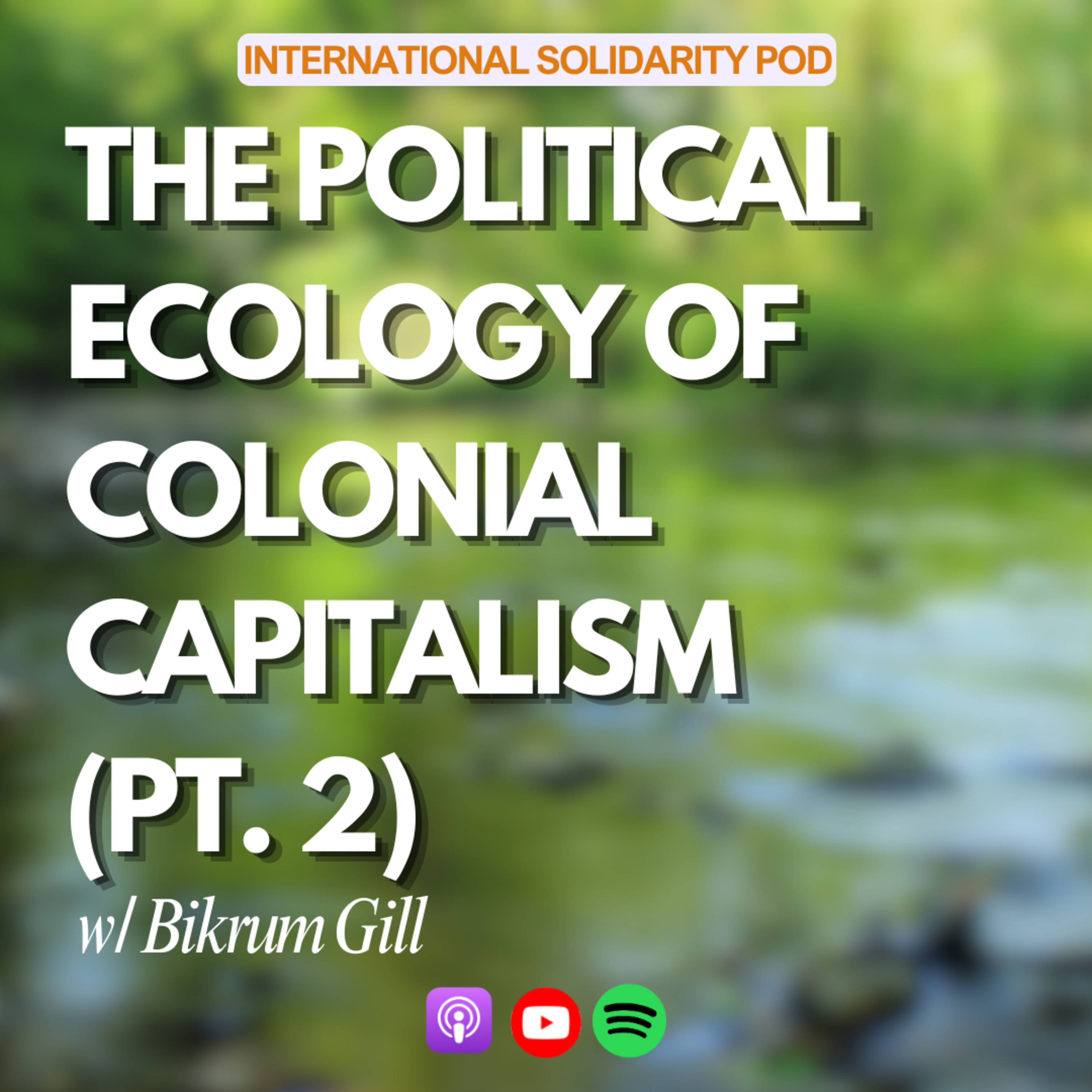
Bikrum Gill, guest on the podcast discussing his book on the political ecology of colonial capitalism, contrasts China, which resolved its agrarian question to guarantee national sovereignty, with India, which has not.

AI firms that once resisted regulation now seek government protection as capital spending soars without a path to profit, while cheaper Chinese open models undercut them and data centres drain US construction.

Xi Haisha's article on popularizing Marxism in Yan'an draws on Mao's 1942 'Oppose Stereotyped Party Writing' speech, cadre schools, and folk opera, cited as a guide for anti-imperialist propaganda today.

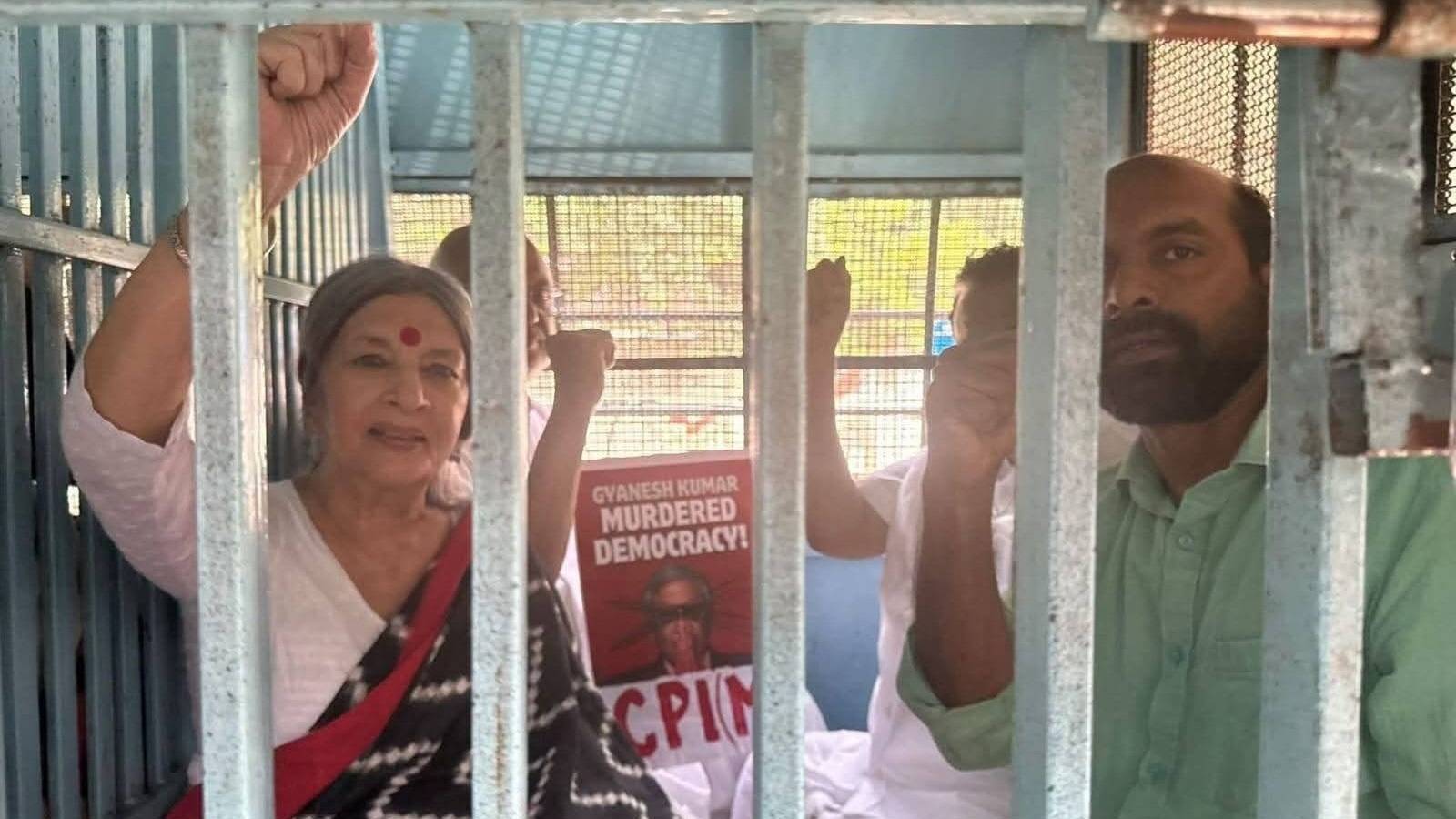
The International Peoples' Assembly expresses solidarity with Indian youth and left parties protesting the Election Commission's voter roll revision, condemning the detention of CPI(M) leaders and demanding free and fair elections.

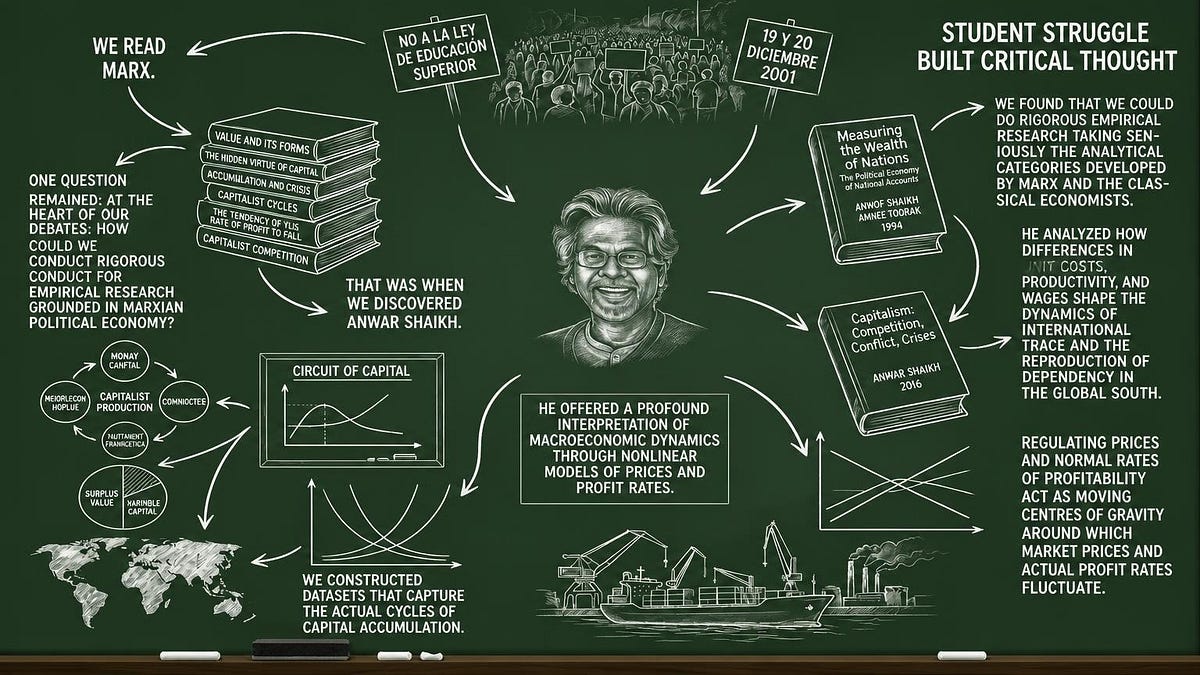
Two Argentine economists pay tribute to Anwar Shaikh, whose Marxian reconstruction of national accounts and theories of competition and trade gave Global South scholars tools to study capitalism empirically.

A podcast series on how technology shapes the working class under capitalism returns to Marx's analysis of machinery in the Grundrisse and Capital, arguing that relations of production, not technological inevitability, determine how automation and AI are deployed.

Socialists must abandon purity politics and co-opt culture, tradition, and feeling the way fascists do, or a dying liberal order will keep losing the working class to reaction.

Clinical psychologist Lara Sheehi discusses how empire wages psychological warfare to sustain itself and crush resistance, and how 'psychic militancy' drawn from Global South revolutionary struggles can counter capitalist imperialism's psychic intrusions.

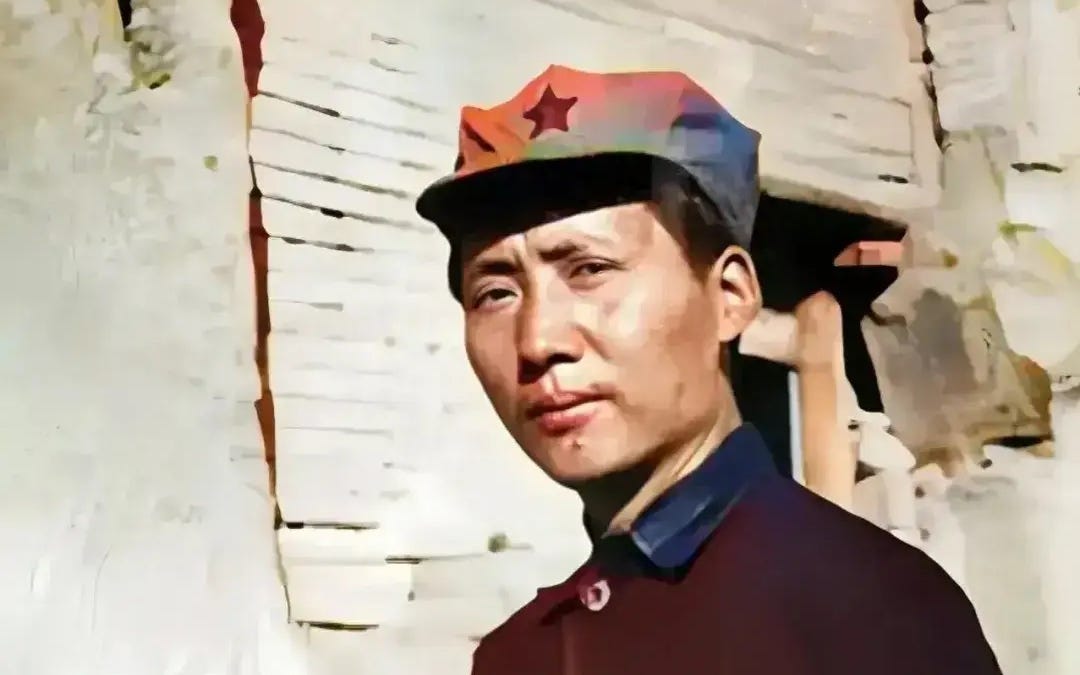
Mao Zedong told the August 7th Meeting in 1927 that political power grows out of the barrel of a gun; in November 1938 he wrote that the seizure of power by armed struggle is the highest form of revolution.

A close reading of Amilcar Cabral's and Walter Rodney's analyses of the petty bourgeoisie in colonial and neocolonial Africa, examining Cabral's idea that this class must "commit suicide" to serve national liberation.

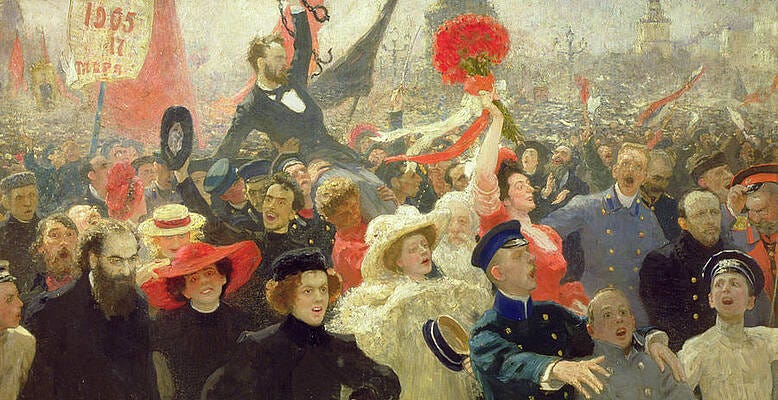
The Kapp Putsch of March 1920 briefly overthrew the Weimar Republic as a military dictatorship, but was defeated by a general strike, exposing the republic's reliance on the army and Freikorps against the left.

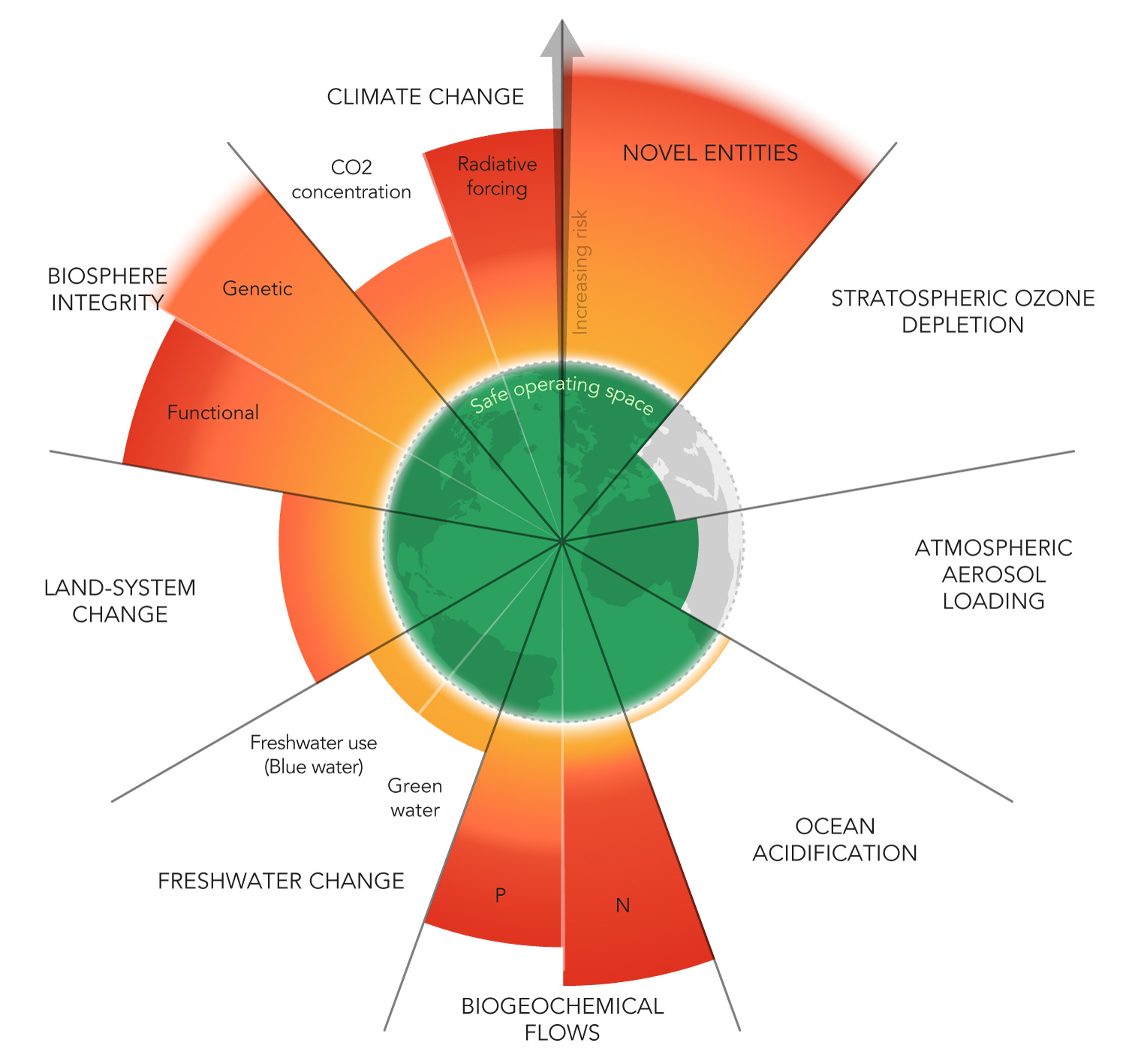
Applies Marxian ecological theory to critique AI capitalism, arguing that the technology accelerates metabolic rifts and entropic disorder under monopoly-finance capital.

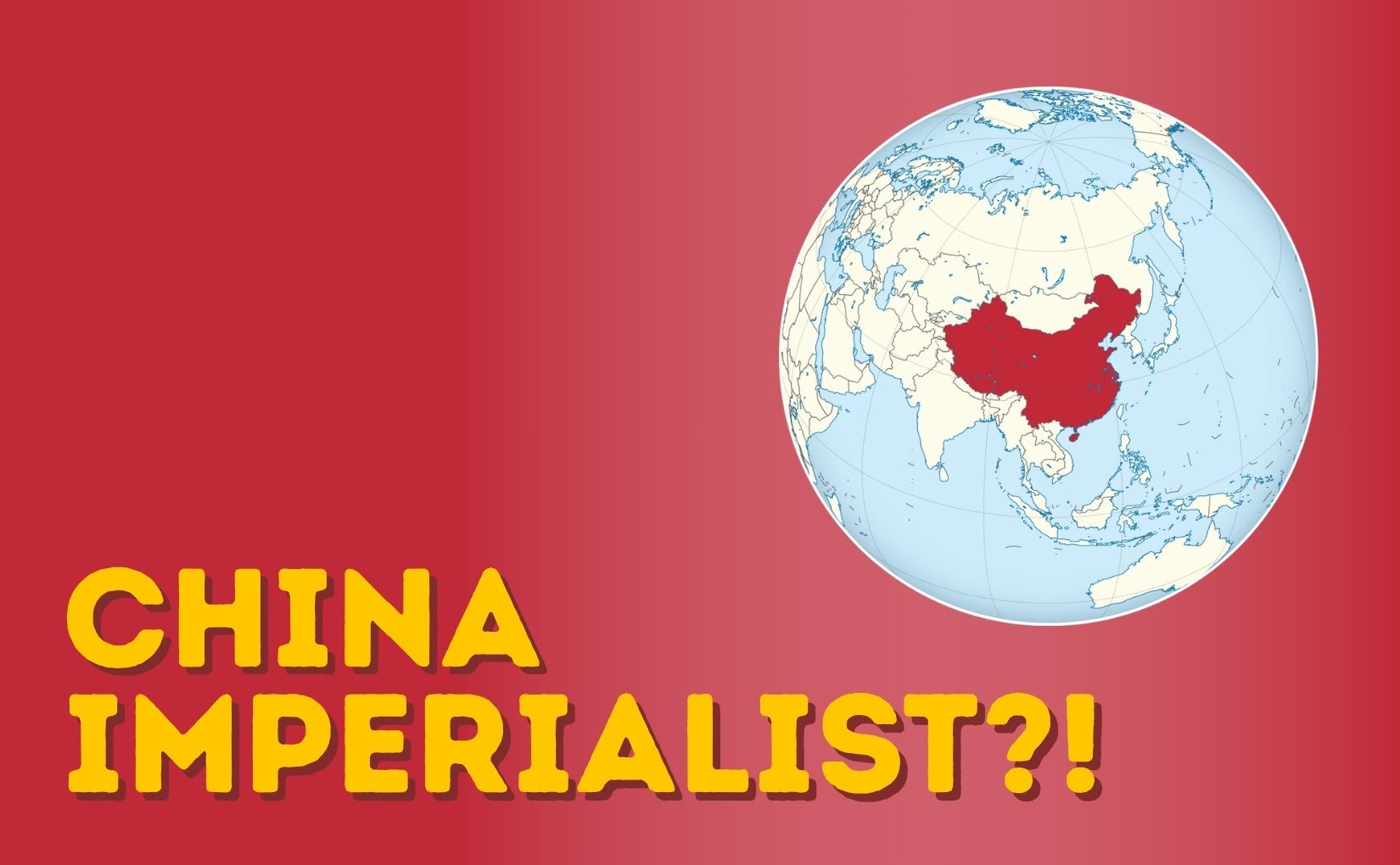
Carlos Martinez argues China is anti-imperialist, not imperialist: Carchedi and Roberts find surplus value flows from China to imperialist countries at five to ten percent of GDP, and China has not dropped a bomb on foreign territory in nearly half a century.

A critical reading of Nick Land's techno-accelerationism and Dark Enlightenment politics, tracing his anti-humanist vision of capitalism escaping humanity and offering a Marxist critique of its influence on tech oligarchs.

Dialectical materialism identifies the principal contradiction and demands partisanship, while eclecticism flattens opposing tendencies into false balance, disarming revolutionary movements and serving opportunist social democracy.

A training guide for socialist and communist parties in the imperial core, drawing on Chinese Communist Party cadre methods to build community power through field investigation, winnable campaigns and counter-institutions.

A discussion of Guillaume Suing's book arguing that communism, not capitalism, offers the ecological model, using the Soviet Union's conservation record and its later environmental damage as evidence.

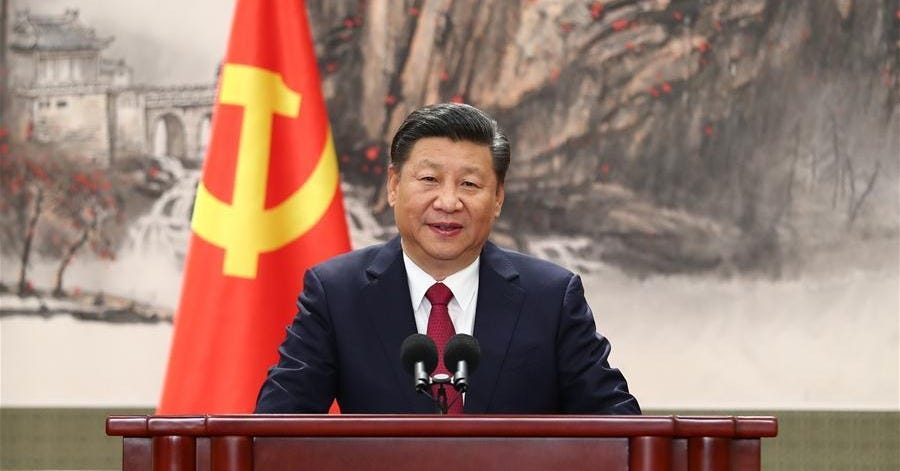
Chen Xueming argues China's socialist system enables ecological civilization, resolving the development-protection dilemma where Western capitalism fails. Xi Jinping identifies harmonious coexistence of humanity and nature as a key feature of modernization.
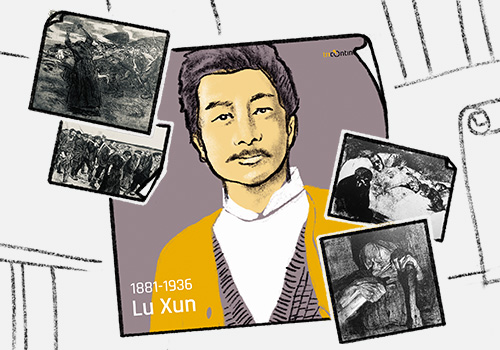
A survey of Lu Xun's final decade of polemical zawen essays, tracing his leftward turn, advocacy of vernacular Chinese, and insistence that revolutionary literature grows from struggle and collective soil.

A Socialism Conference speech argues that Che Guevara's "new socialist man" and the Mahayana Bodhisattva ideal converge, proposing Buddhist meditation as a practical tool for cultivating revolutionary subjectivity and overcoming capitalist alienation.

A structural Marxist account of poverty, tracing it from primitive accumulation and the separation of workers from subsistence to global inequality, unequal exchange, and the reproduction of deprivation across the Global South.

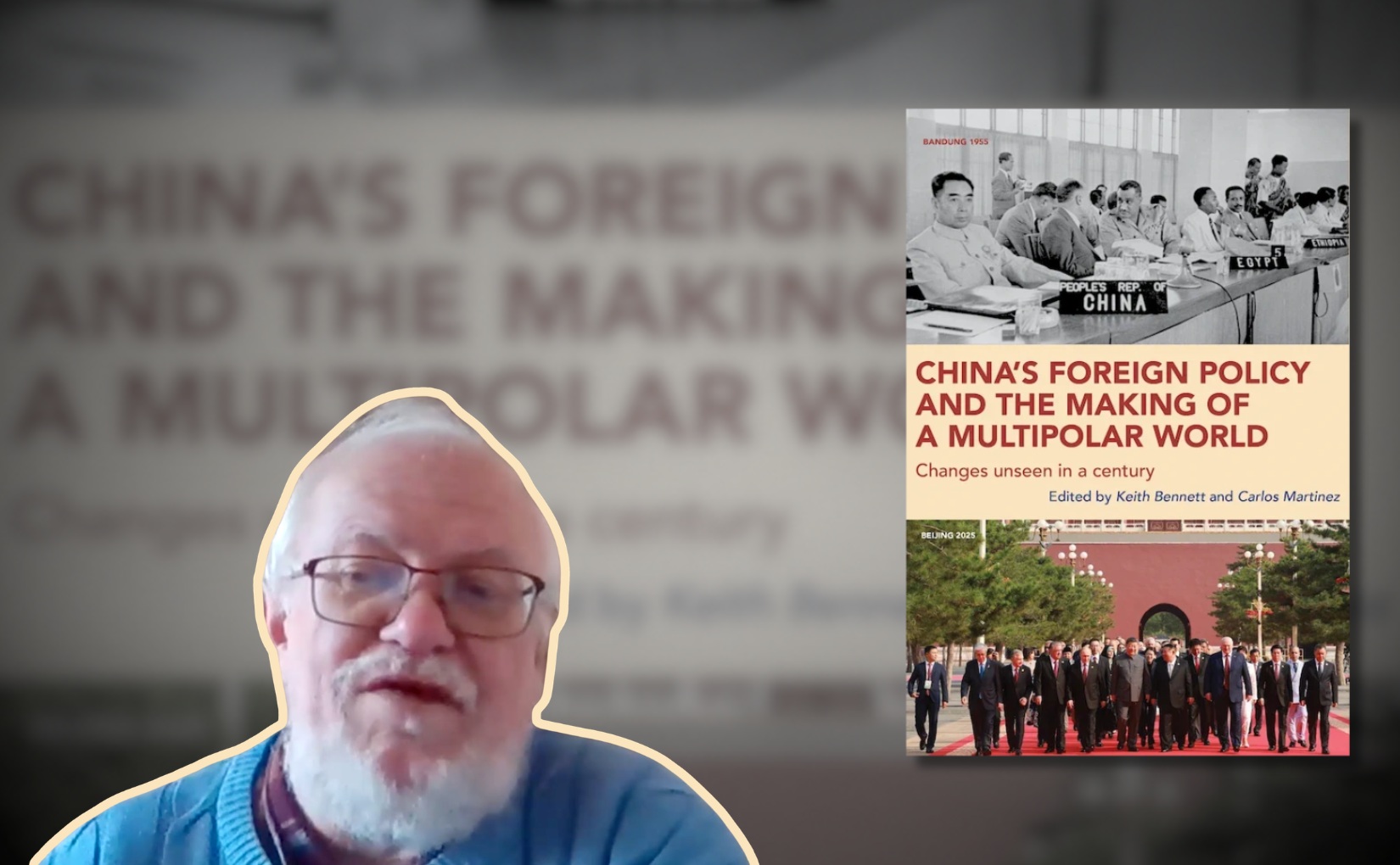
Keith Bennett, co-editor with Carlos Martinez of 'China's Foreign Policy and the Making of a Multipolar World', told the 20 September online launch that Gaza changes everything and the book aims to reach the new generation entering anti-imperialist politics.

Philosopher Gabriel Rockhill discusses why leftist currents diverge so sharply on imperialism, contrasting Western Marxism, anti-imperialist Marxism, Trotskyism, the Frankfurt School and French Theory.

A discussion of the philosophical foundations of revolutionary politics, drawing on existentialism, socialism and Buddhist practice to argue that disciplined self-awareness and love must guide political anger.

The Spartacist uprising of 1919 unfolds as the SPD government, led by Ebert, allies with conservative forces to strangle the German Revolution, culminating in the assassinations of Karl Liebknecht and Rosa Luxemburg.

Economist Richard Wolff examines whether neoliberalism and technofeudalism have transformed capitalism beyond recognition, and debates whether China's model is best understood as state capitalism.

A personal account of an elderly stroke survivor discharged home argues that US healthcare transfers the labour of care onto unpaid families, privatising dependency rather than meeting human need.

A historical materialist reading of CORTIS' track "MONEYMONEYMONEY" argues its anti-capitalist framing collapses into a hypnotic money mantra, exposing the culture industry's inherent contradictions.

Refutes two erroneous views of China: that its system is "state capitalism" and that socialism with Chinese characteristics is Chinese nationalism, citing Deng Xiaoping's 1979 point that markets are not exclusive to capitalism.