
Anti-imperialismGeopoliticsResistanceMarxismPhilosophyArt & Culture
🏭 Soviet Union
Resources About Topic
The Tricontinental
Qiao Collective (桥)
Anti-Imperialist Scholars Collective
Reason2Resist with Dimitri Lascaris
BreakThrough News
Upstream Podcast
Journal of International Solidarity
The New Atlas
Rev Left Radio
Critical Theory Workshop
Wenhua Zongheng (文化纵横)
The Red Nation
Red Anti-Imperialist Collective
[comra]
Vox Ummah
Geopolitical Economy Report
Dr. Radhika Desai
India and Global Left
Colonial Outcasts
Friends of Socialist China
Monthly Review
The Cradle
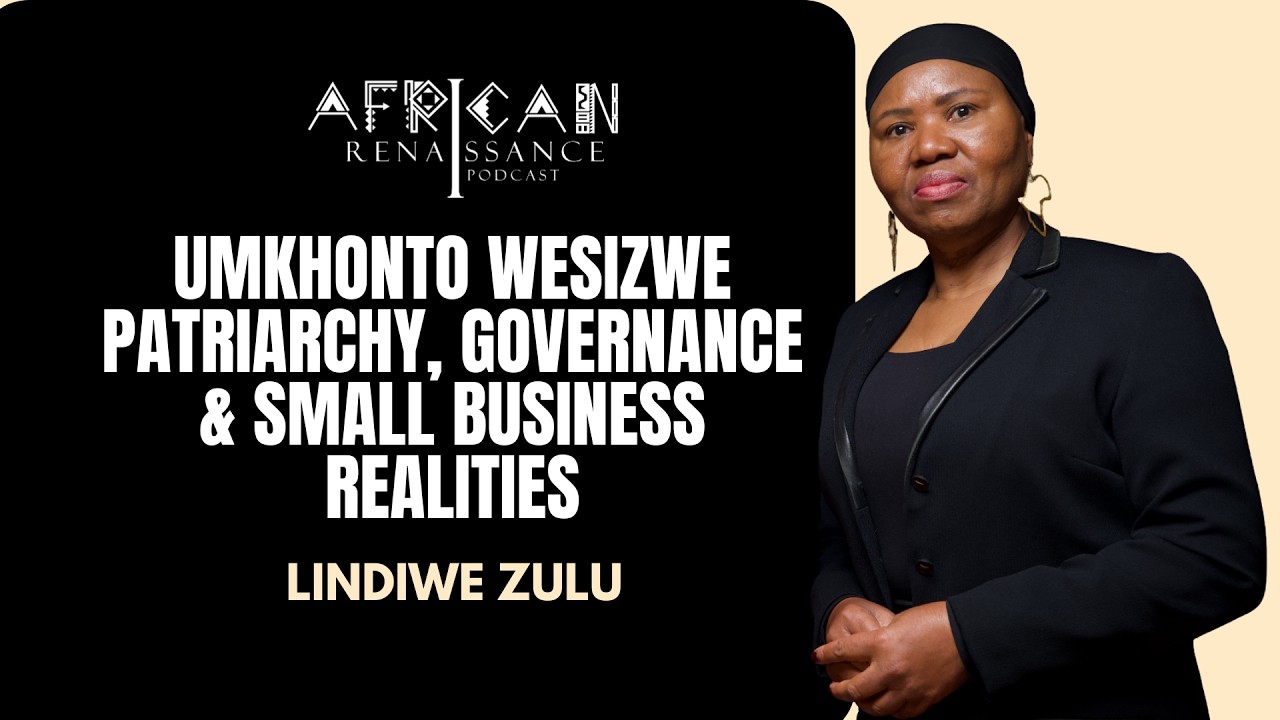
African Renaissance Podcast
Marxists Internet Archive
The Global Inequality Project
ProleWiki
Iskra Books
Agrarian South Network
Orinoco Tribune
Dr. Jeffrey D. Sachs
The Grayzone
Elina Xenophontos
Neutrality Studies
Hood Communist
Peoples Dispatch
Hakim
Strait Talk with Xiangyu
Working Class History
ProlesPod
Progressive International
Work Stoppage
Mint Press News
Caitlin Johnstone
Empire Watch Media
Voice of the Proletariat
Red Pen
International People's Assembly
Proletarian Polemics
Amy Yang
The Triploi Podcast
Second Thought
International Development Economics Associates
Socialista Champagne
Find the Signal
Inkani Books
Guerrilla History
Inner City Left
The Dialectics of Destruction
The Anti-Empire Project
The East is a Podcast
Browse all items
📕 331 articles · 📙 52 books · 🎧 199 podcasts · 👁️ 113 videos
A study of the German Democratic Republic's agricultural transformation, tracing land reform, cooperative farming and large-scale socialist production as an alternative to capitalist agribusiness and global hunger.
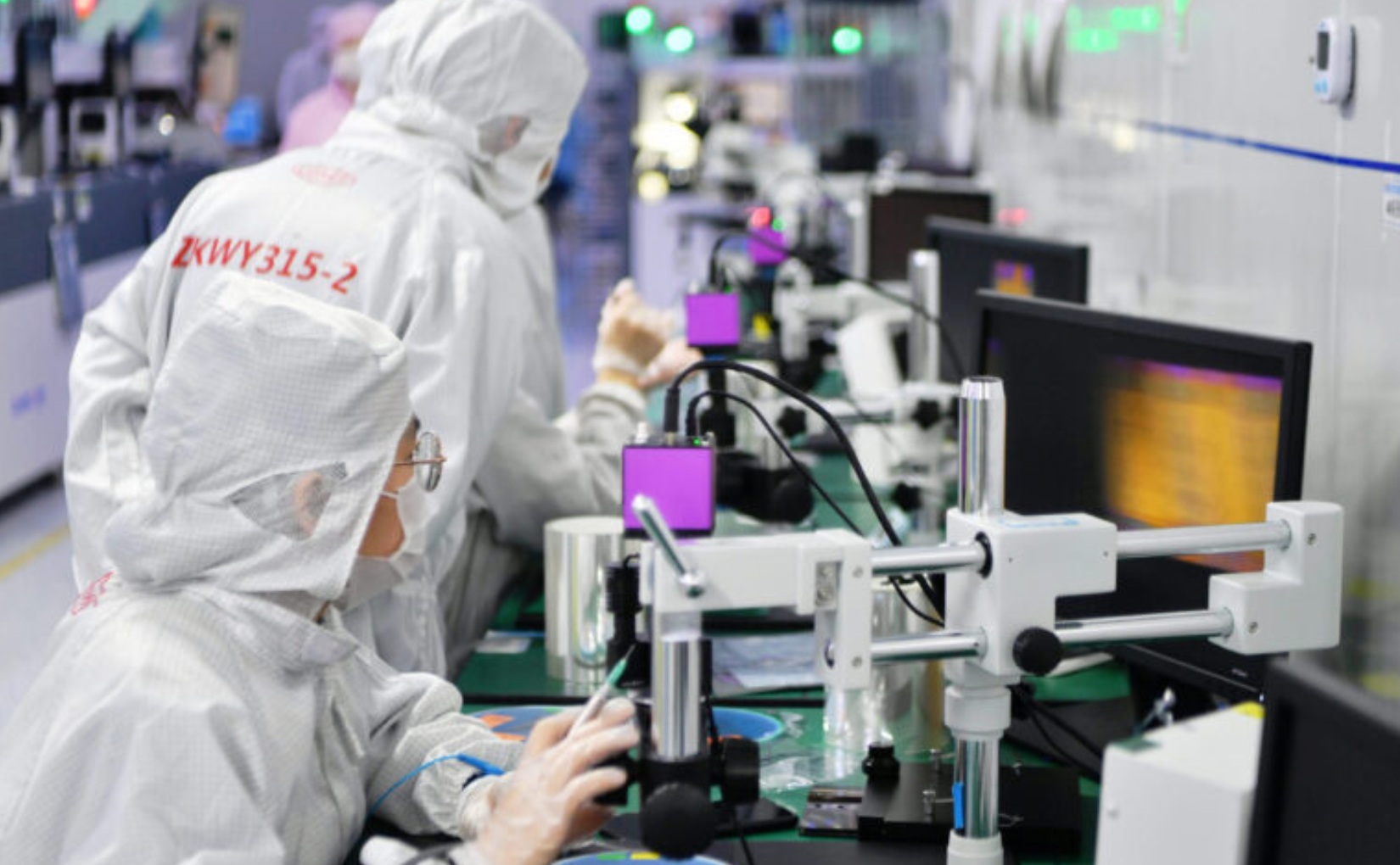
The US chip blockade that once helped cripple the Soviet computer industry is being turned on China, but China's deep integration in world markets and state planning of AI and power infrastructure limit its effect.

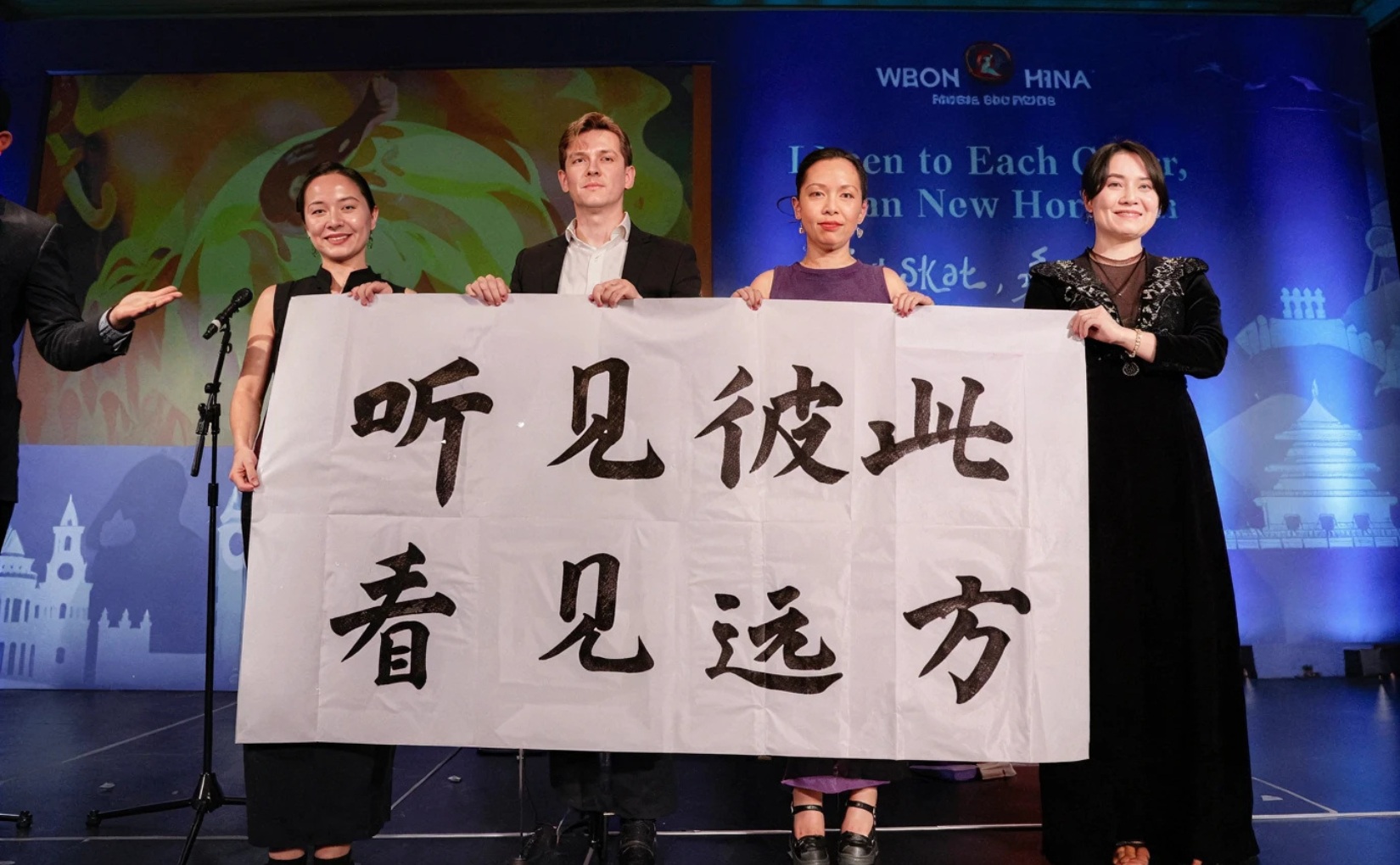
At China Daily's 'Vision China' event in London on September 17, MEP Ondřej Dostál argued the West must see China as it actually is, citing an enormous gap between the real China and Western perceptions.

A conference panel argues that the new cold war against China risks becoming a hot war, examining AUKUS, critical minerals, and the Global South's sovereignty struggles.

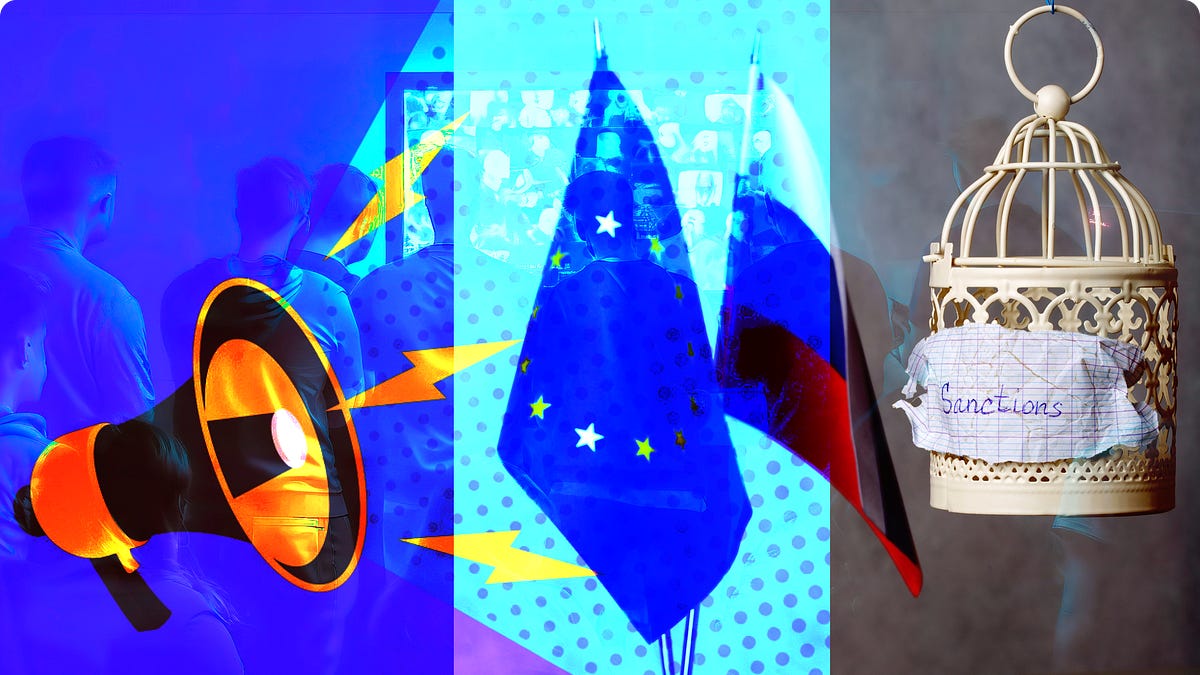
Argues that EU claims of a Russian threat are propaganda masking Western Europe's own imperial ambitions, tracing a history of invasions of Russia and tying EU migration and housing crises to Golden Visa speculation and Israeli capital.

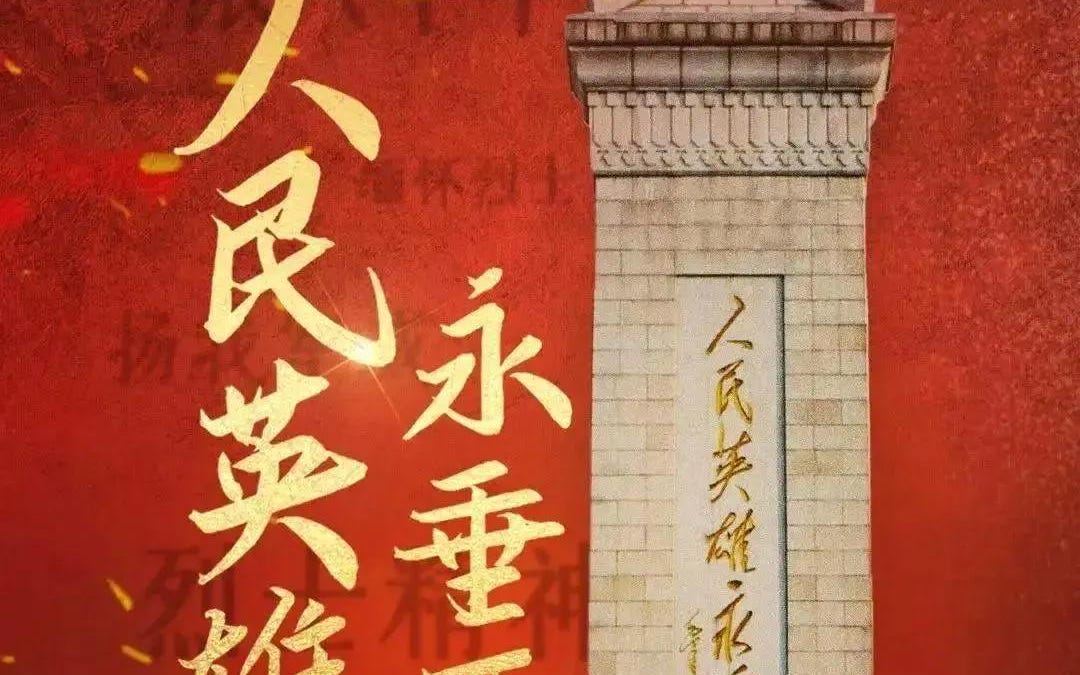
Imagining how Chinese communist martyrs would judge today's China, arguing the revolution remains unfinished and that China's development and anti-imperialist role should be defended by socialists worldwide.

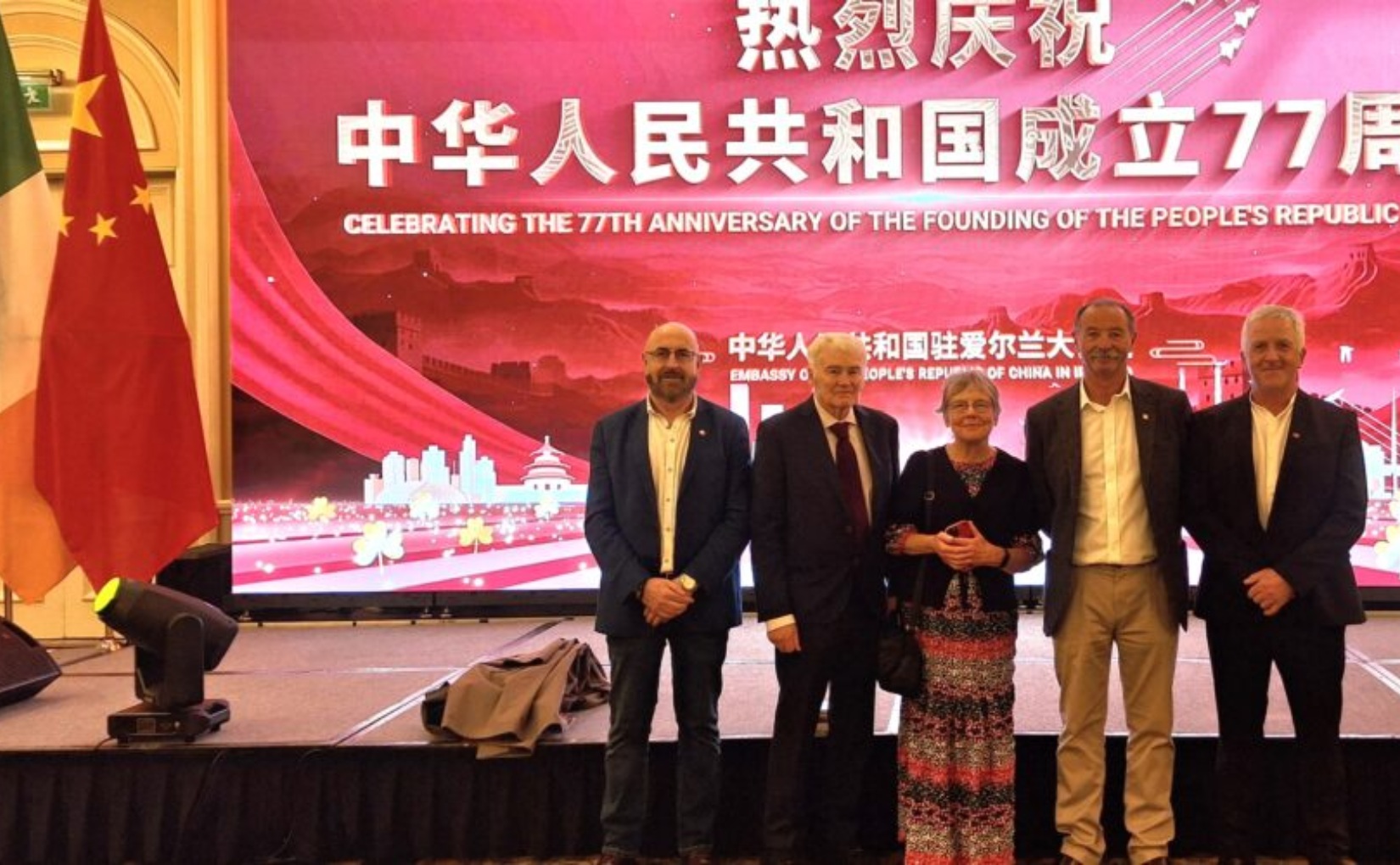
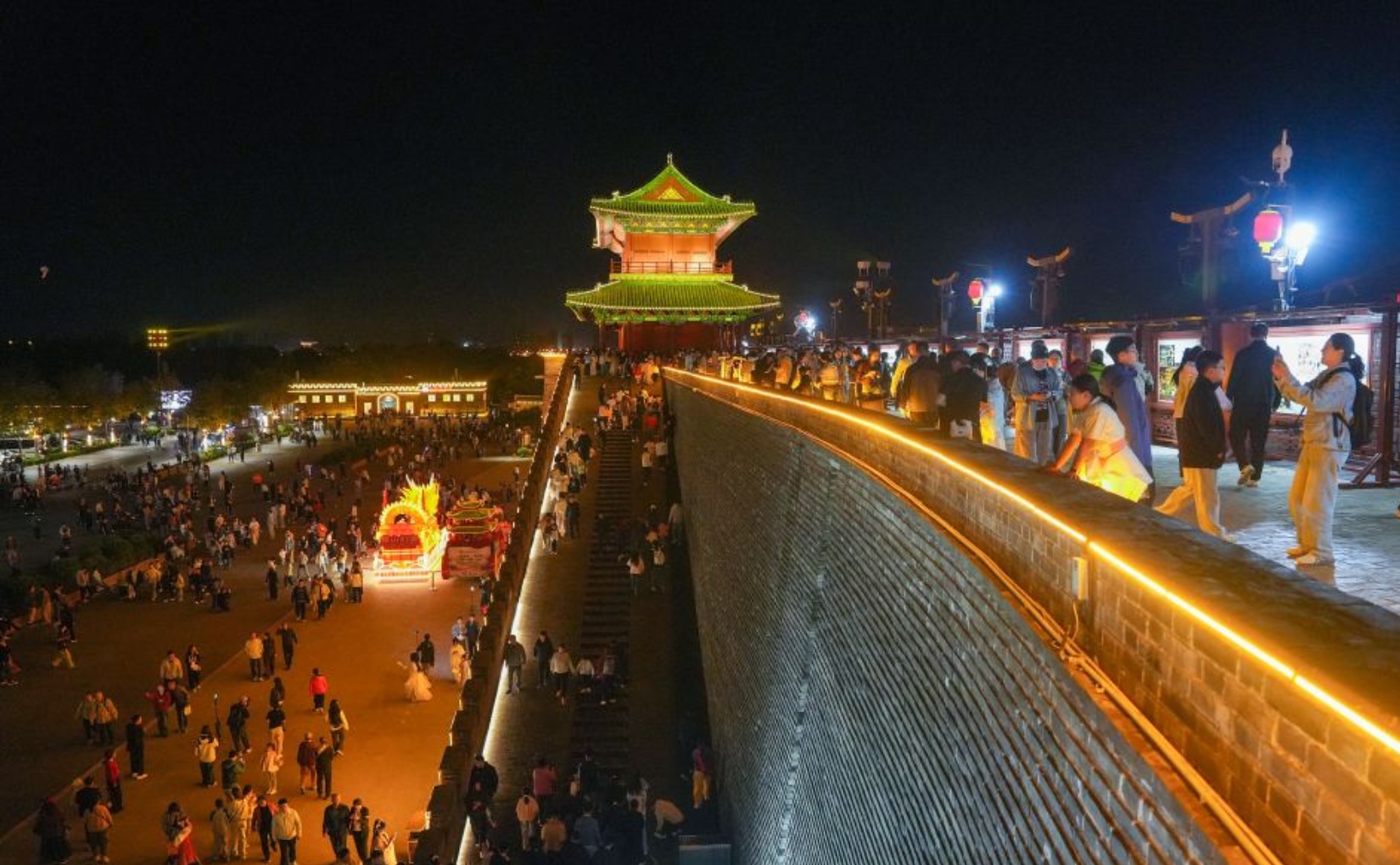
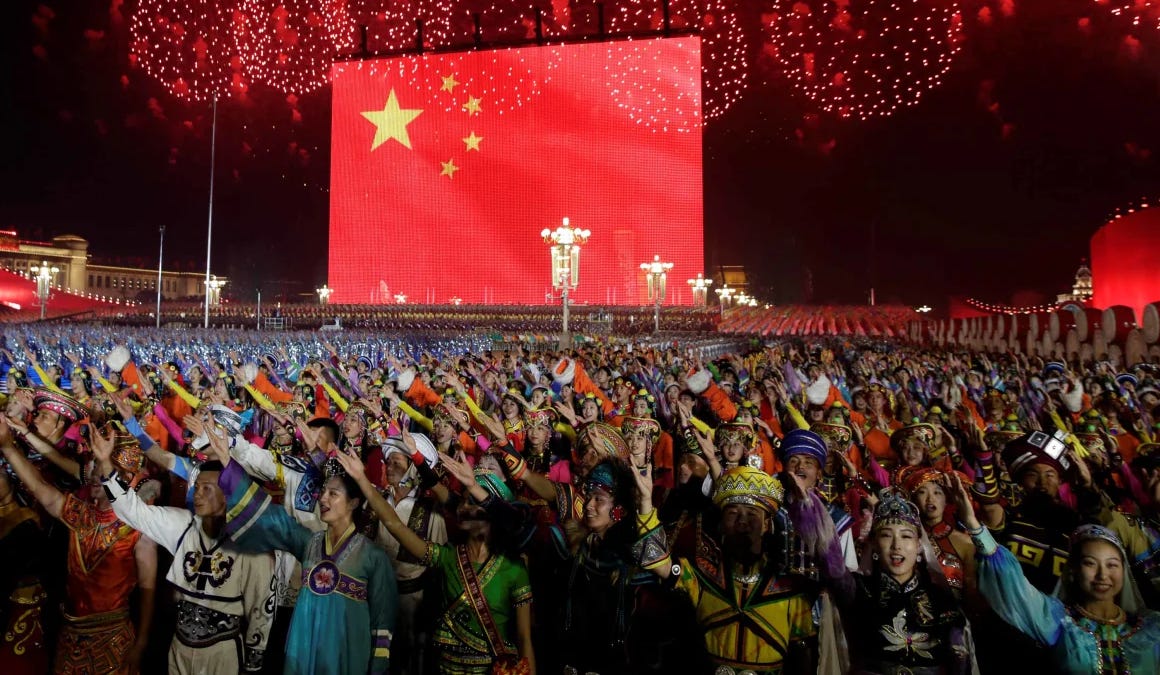
An editorial marking the 77th anniversary of the People's Republic of China credits socialist construction for mass literacy, the elimination of extreme poverty for 800 million people, and global solidarity with Iran, Cuba and Africa.

The Kapp Putsch of March 1920 briefly overthrew the Weimar Republic as a military dictatorship, but was defeated by a general strike, exposing the republic's reliance on the army and Freikorps against the left.

A National Day statement marking 77 years of the People's Republic of China, crediting Communist Party rule with rising life expectancy, the eradication of rural poverty, and the consolidation of sovereignty over Hong Kong and Taiwan.

The life of George Hatem, a Lebanese-American doctor who joined the Chinese revolution as Ma Haide, became a citizen of the People's Republic and helped build its public health system.

A discussion of Guillaume Suing's book arguing that communism, not capitalism, offers the ecological model, using the Soviet Union's conservation record and its later environmental damage as evidence.

Iranian-British analyst Ali Alizade discusses how Ayatollah Khamenei spent decades building Iran's sovereignty and military strategy, and traces the factional split between Khamenei and Rafsanjani that shaped the Islamic Republic.

Ambassador Jack Matlock argues Western leaders misread the Cold War's end, tracing how NATO expansion, rejected Ukrainian neutrality and dominance thinking squandered the post-Cold War peace.

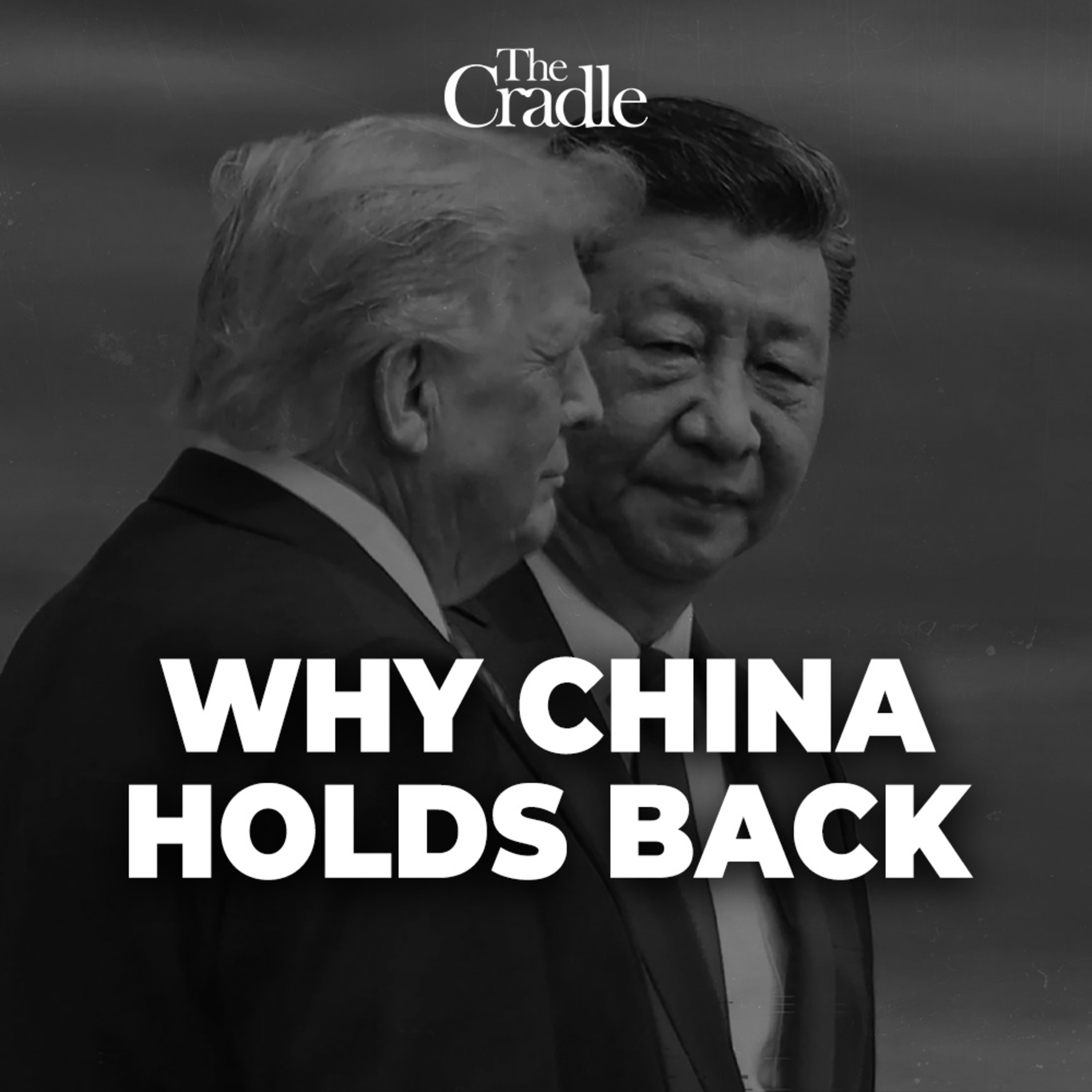
Xi Jinping arrives in Washington DC for a state visit featuring a tarmac greeting by Trump and a dinner with tech giants, as the US-China trade truce expires November 10th amid China's $1.2 trillion surplus.

Trump announced a deal with Denmark and Greenland granting the US permanent security control, expanded basing rights, and a ban on Russian and Chinese investment in the strategic Arctic territory.

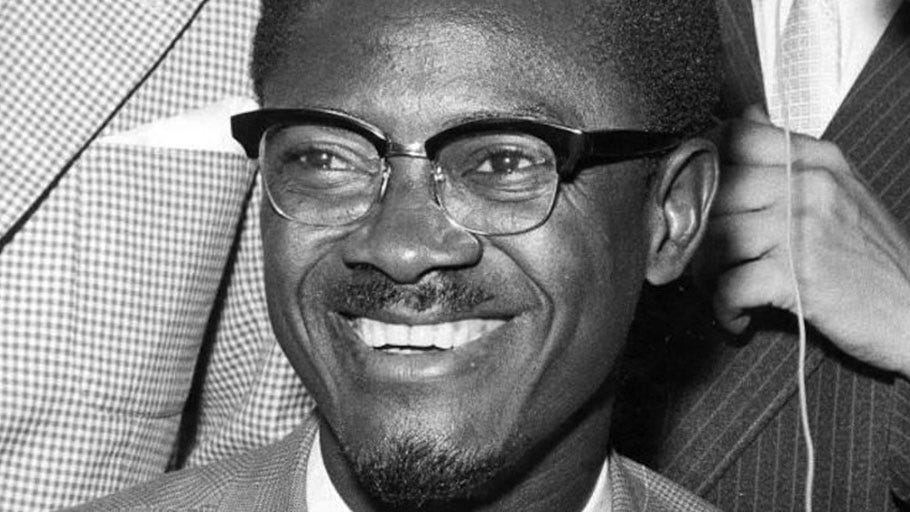
Moscow's Patrice Lumumba Peoples' Friendship University trained post-colonial professionals from the Global South, and Russia's 2023 restoration of Lumumba's name signals a foreign policy reoriented toward Africa.

The Spartacist uprising of 1919 unfolds as the SPD government, led by Ebert, allies with conservative forces to strangle the German Revolution, culminating in the assassinations of Karl Liebknecht and Rosa Luxemburg.

A Marxist analysis of the US Reconstruction Finance Corporation argues that public planning saved capitalism only to be liquidated for private profit, and proposes an Australian Sovereign Development Fund modelled on Chinese state-directed co-investment.

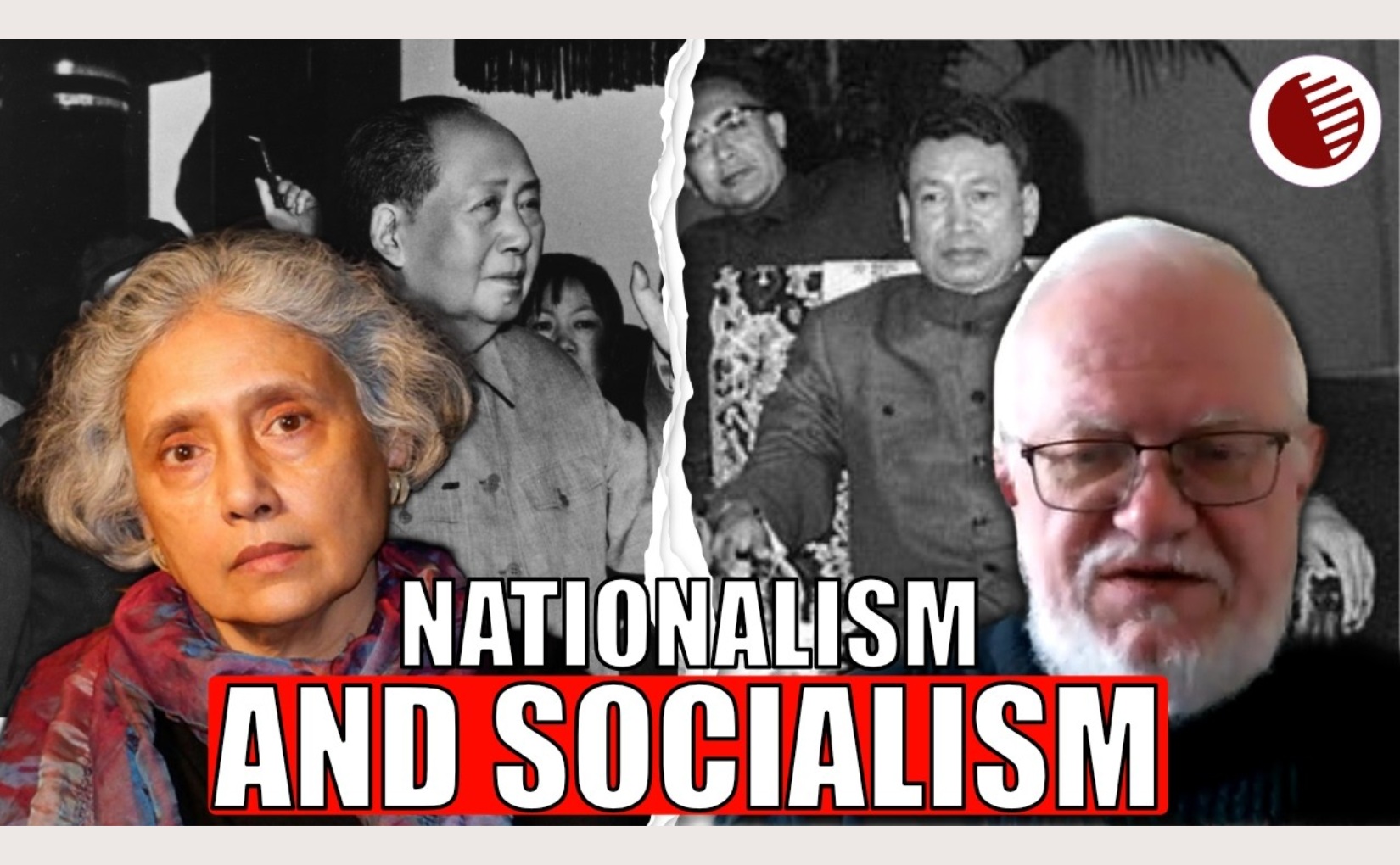
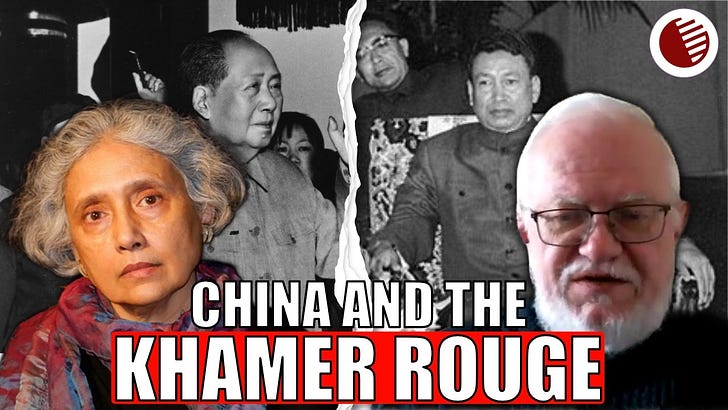
Keith Bennett and Radhika Desai re-examine the late-1970s wars between China, Vietnam and Cambodia, challenging Western narratives and probing the relationship between class and nation in socialist internationalism.

Keith Bennett, co-editor of Friends of Socialist China, told a webinar marking 50 years since Mao Zedong's death that no single person has made a greater contribution to humanity's liberation, crediting Mao with the peasant-led people's war breakthrough.

A narrative history of the German Revolution of November 1918, tracing the Kaiser's abdication, the rise of the Social Democrats, and the revolutionary left from the 1917 strike waves to the Spartacist uprising.

Keith Bennett, co-editor of Friends of Socialist China, told a webinar marking 50 years since Mao Zedong's death that no single person has made a greater contribution to humanity's liberation, crediting Mao with the breakthrough that revolution could be won in a semi-colonial country.

A fireside chat tracing the history of the weekend from ancient Mesopotamia and medieval Europe to the present, showing how workers organised and fought for time off against employer and government efforts to erode it.

Chinese modernisation, a socialist process under Communist Party leadership per Xi Jinping, advanced from 1949-1978 foundations through 1978-2013 reform and opening up to the post-2013 era of common prosperity and high-quality development.

A revised analysis of the Communist Manifesto's relevance today, arguing that capitalism's crises, stagnation, and ecological threats make Marx and Engels' warnings more urgent than ever.

Mao Zedong explains the necessity of the people's democratic dictatorship, arguing that China must lean to the socialist side and exercise democracy for the people while suppressing reactionaries.

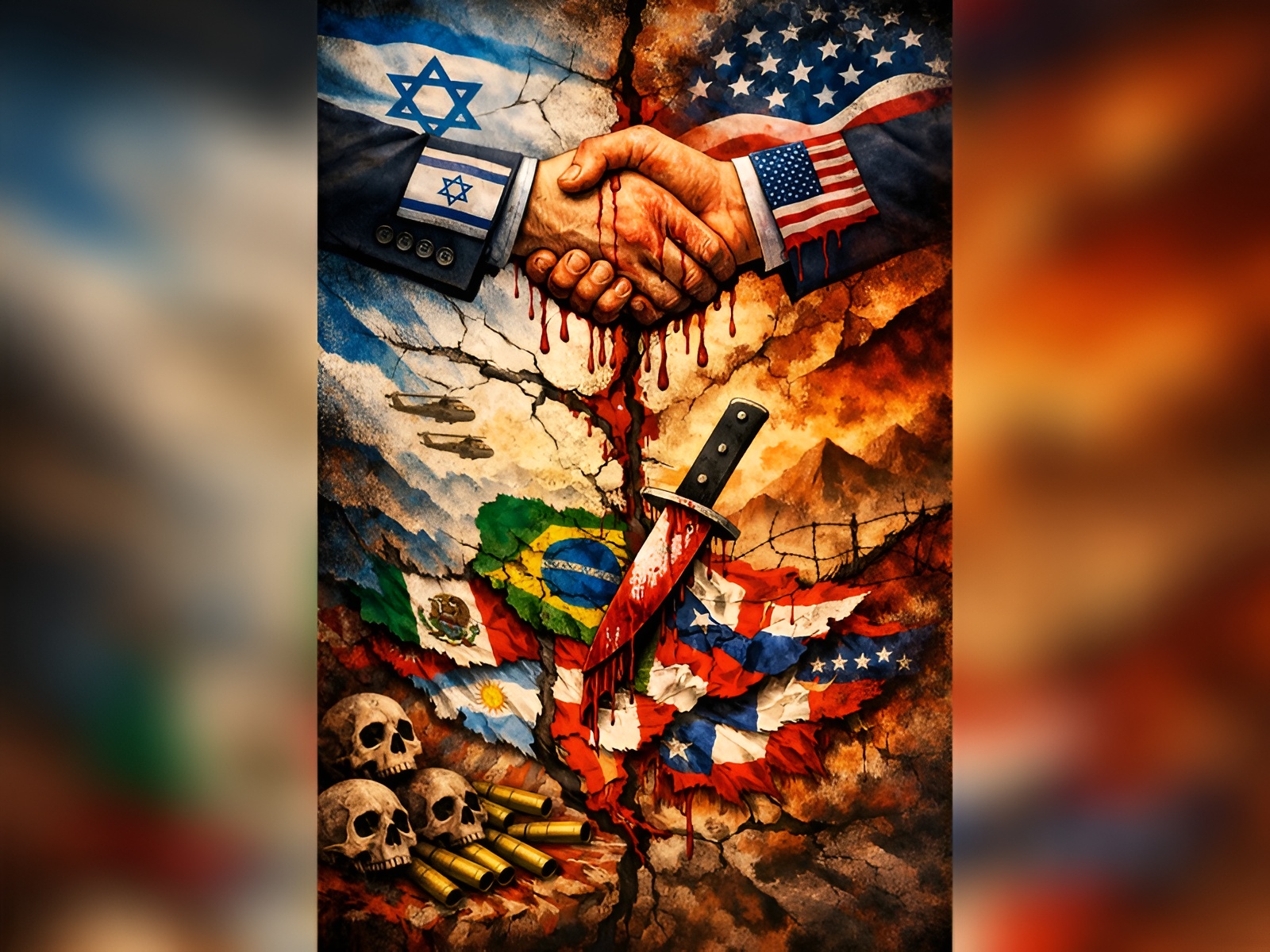
Israel has long supplied arms, training, and intelligence to Latin American dictatorships, from Guatemala's genocidal regimes to Pinochet's Chile, often as a proxy for the US.

A NATO colonel and a historian examine the Yugoslav wars, arguing that NATO's intervention in Bosnia and Kosovo was driven by expansionist aims rather than humanitarian motives, and served as a rehearsal for confrontation with Russia.

A study by Georgiy Kasianov reveals Ukraine's punitive memory laws, which criminalize Communist symbols while rehabilitating Nazi collaborators, intensifying repression and nationalist identity enforcement amid the conflict with Russia.