Video
Socialism, Briefly Explained

A concise history of socialism, exploring its philosophical roots in reaction to liberalism, key strands from utopian to scientific Marxism, and its evolution through democratic socialism and modern debates.
1 of 16
A concise history of socialism, exploring its philosophical roots in reaction to liberalism, key strands from utopian to scientific Marxism, and its evolution through democratic socialism and modern debates.

This document defines Marxist-Leninist theory, clarifies misconceptions about socialism, and details Western interventions in leftist movements globally.
Andre joins Rae and Jeremy to discuss how to study and read theory, focusing on Marxism-Leninism with practical reading tips and recommended texts.
The Marxist-Leninist Reading Hub presents a Stage 1 curriculum for readers new to Marxism-Leninism, covering philosophy, political economy, and social science through Engels' The Principles of Communism, Stalin's The Foundations of Leninism and Dialectical and Historical Materialism, and an Introduction to Political Economy.
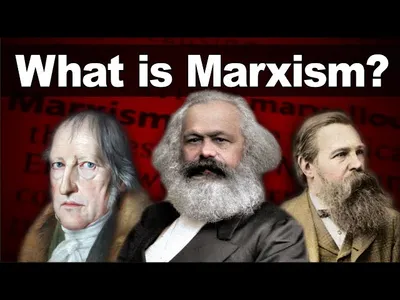
A comprehensive overview of Karl Marx’s theoretical framework, covering historical materialism, dialectics, and the labor theory of value.
Amado Guzman and Matthew Carson explain Marxism-Leninism's scientific approach to class struggle and anti-imperialist revolution.
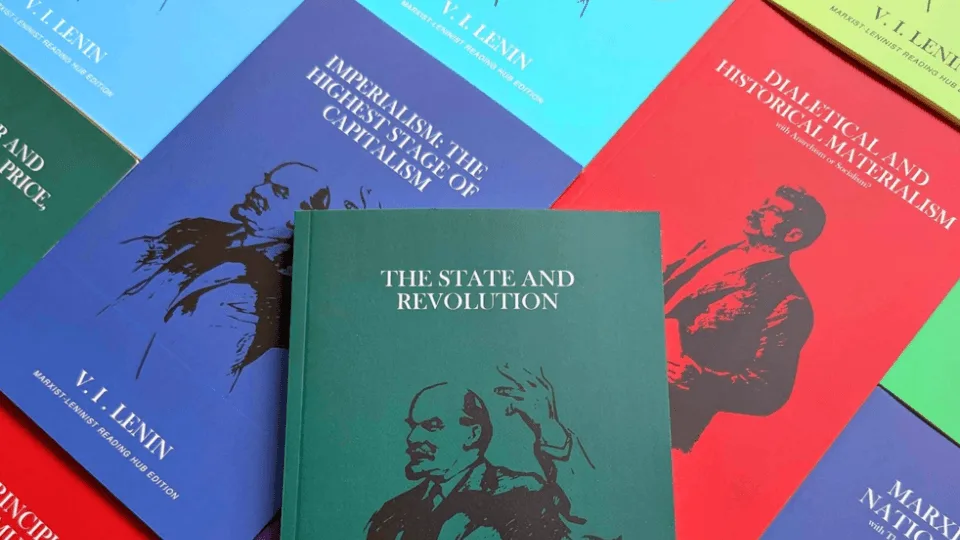
The Stage 2: Intermediate volume of the curriculum builds on Stage 1 in longer, more in-depth form, opening with Engels's Socialism: Utopian and Scientific to show how socialism became a scientific tradition. It includes Lenin's The State and Revolution on the state's role in class struggle and the transition to communism, and pairs Wage-Labor and Capital with Value.
Luna Nguyen's annotated English translation presents Part 1 of Vietnam's official university curriculum on Marxism-Leninism, covering dialectical materialism for non-specialist students. The book introduces dialectical materialism as both a critique of bourgeois ideology and a scientific worldview.
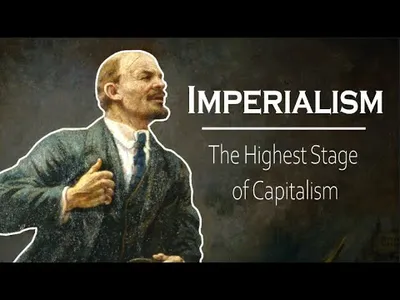
Summarizes Lenin's analysis of imperialism as the highest stage of capitalism, detailing how monopolies and finance capital drive global conflict.
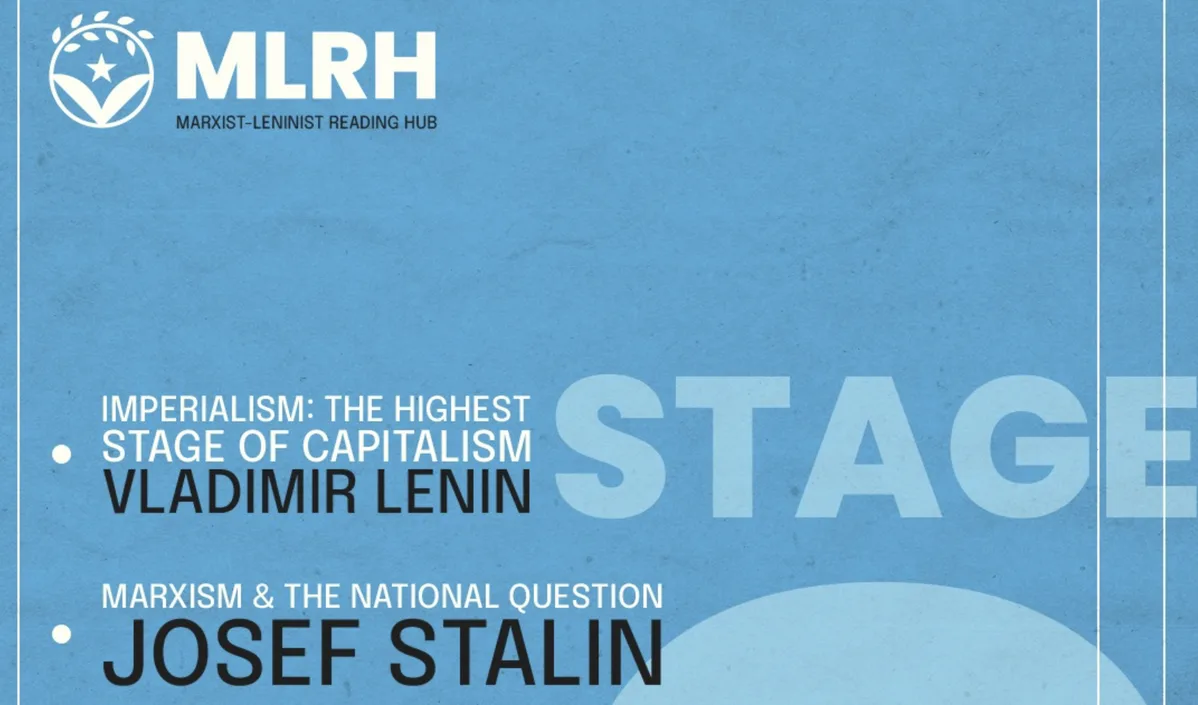
Stage 3: Advanced expands on Imperialism and the National Question from Stage 1 and further develops Dialectical Materialism in real-world application. The stage opens with Lenin's Imperialism: the Highest Stage of Capitalism, written in 1916 with an eye to tsarist censorship.
Luna Nguyen's translation of the Vietnamese curriculum on Historical Materialism, covers basic principles: material production's decisive role, the law of suitability between productive forces and relations of production, base and superstructure, social being and consciousness, social-economic formations.
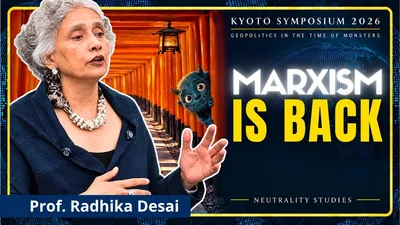
Professor Radhika Desai examines the crisis of world capitalism through her geopolitical economy approach. She argues that Western decline and China’s rise reflect a deeper struggle over production, imperialism and socialism. Drawing on Marx, Smith, Keynes and Gramsci, she challenges prevailing accounts of world war, fascism and neo-feudalism.
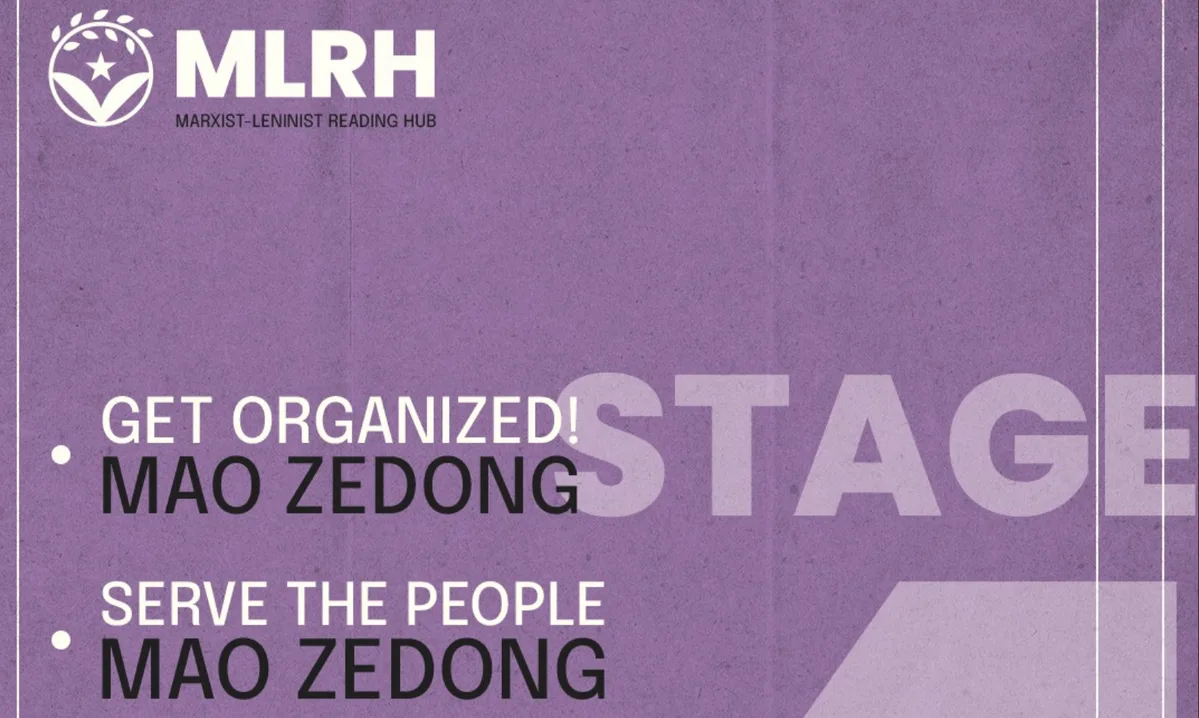
Stage 4 of the curriculum, titled "Organization," directs the theory of its first three stages toward real-world organizing. The curriculum holds that waging revolution requires organization: a united Party steeped in Marxism-Leninism leading the charge for the liberation of all oppressed peoples.

A self-described "tankie" primer arguing that the Anglo-American empire is the only empire today, uniquely genocidal, and that anti-imperialists should oppose regime change wars and Western propaganda about official enemies.

Marxist-Leninist anti-imperialist solidarity is guided by historical material analysis and supports forces that weaken imperialism rather than based on moral approval.