
Anti-imperialismGeopoliticsResistanceMarxismPhilosophyArt & Culture
🔬 Research
Resources About Topic
The Tricontinental
Qiao Collective (桥)
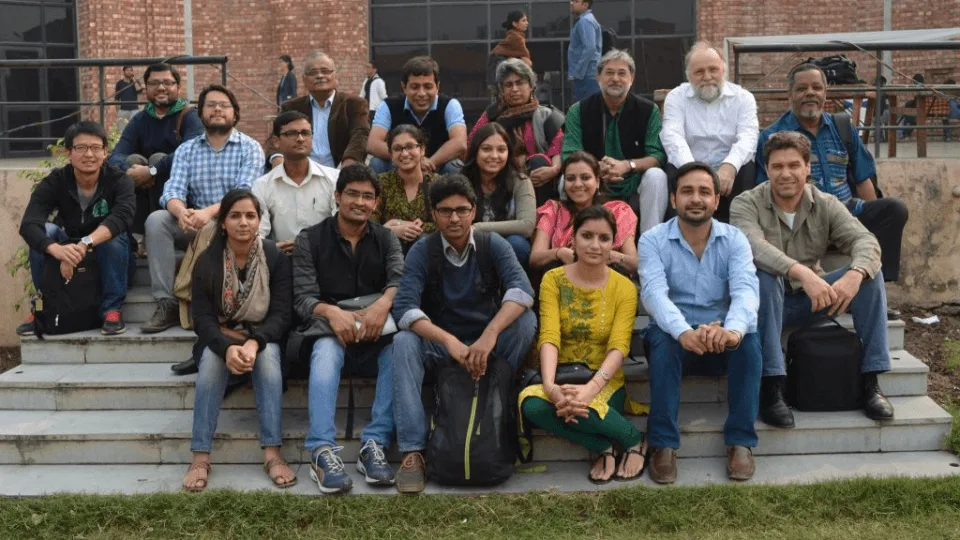
Anti-Imperialist Scholars Collective
Reason2Resist with Dimitri Lascaris
BreakThrough News
Upstream Podcast
Dr. Jason Hickel
Journal of International Solidarity
The New Atlas
Rev Left Radio
Critical Theory Workshop
Wenhua Zongheng (文化纵横)
The Red Nation
Red Anti-Imperialist Collective
The Electronic Intifada
[comra]
Vox Ummah
Geopolitical Economy Report
Dr. Radhika Desai
Free Palestine TV
India and Global Left
Colonial Outcasts
Friends of Socialist China
Monthly Review
The Cradle
African Renaissance Podcast
Return to Bandung
Marxists Internet Archive
The Global Inequality Project
ProleWiki
Iskra Books
Agrarian South Network
Sovereign Media
Orinoco Tribune
Dr. Adnan Husain
Dr. Jeffrey D. Sachs
The Grayzone
Neutrality Studies
The Resistance Archives
Coalition for the Elimination of Imperialism in Africa
Samidoun: Palestinian Prisoner Solidarity Network
Hood Communist
Peoples Dispatch
Hakim
Strait Talk with Xiangyu
Working Class History
ProlesPod
Progressive International
Work Stoppage
Mint Press News
Caitlin Johnstone
The Spearhead
Empire Watch Media
Climate Vanguard
Voice of the Proletariat
Tricontinental Political Economy
Red Pen
Proletarian Polemics
Amy Yang
Dr. Bikrum Gill
Second Thought
International Development Economics Associates
Socialista Champagne
Bandung Circuits
Find the Signal
Inkani Books
Guerrilla History
Guilhotina.info
Inner City Left
Psychic Militancy Podcast
The Anti-Empire Project
The East is a Podcast
Browse all items
📕 1,209 articles · 📙 27 books · 🎧 639 podcasts · 👁️ 534 videos


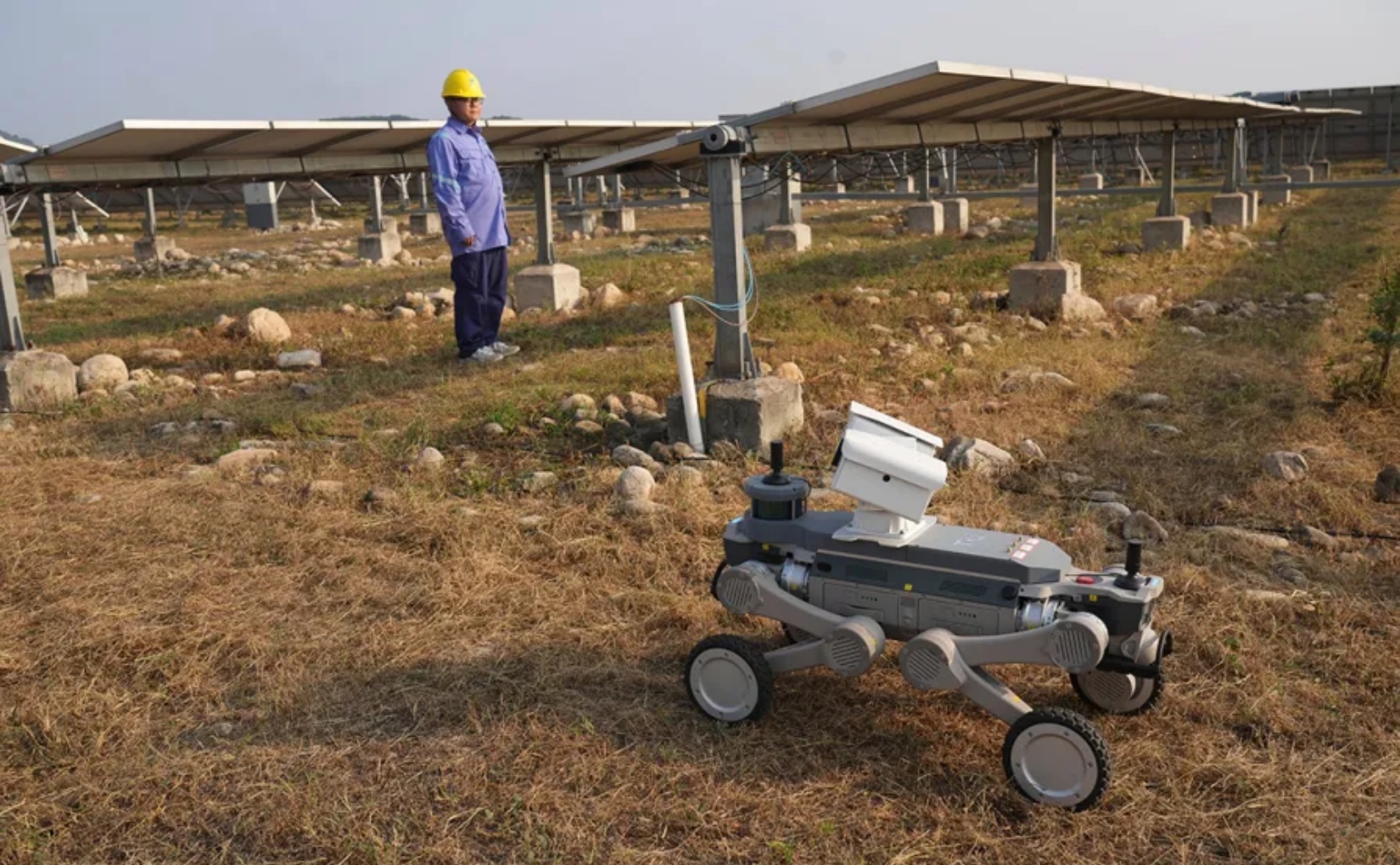
China's humanoid robot makers held more than 97 percent of global shipments in the first half of 2026; UBTECH opened a Liuzhou factory targeting over 10,000 robots a year, and Unitree's US$900 million IPO drew 8,000-fold retail demand.

Professor Zhang Weiwei argues at the East-West Forum in Istanbul that China's civilizational state model and strategic patience underpin a multipolar vision built on peace, development and Asian integration rather than confrontation with the United States.

An ethnographic study of Islamic Relief examines how Muslim transnational philanthropy operates within racial capitalism and responds to Islamophobia, questioning the racial categories shaping humanitarian aid.

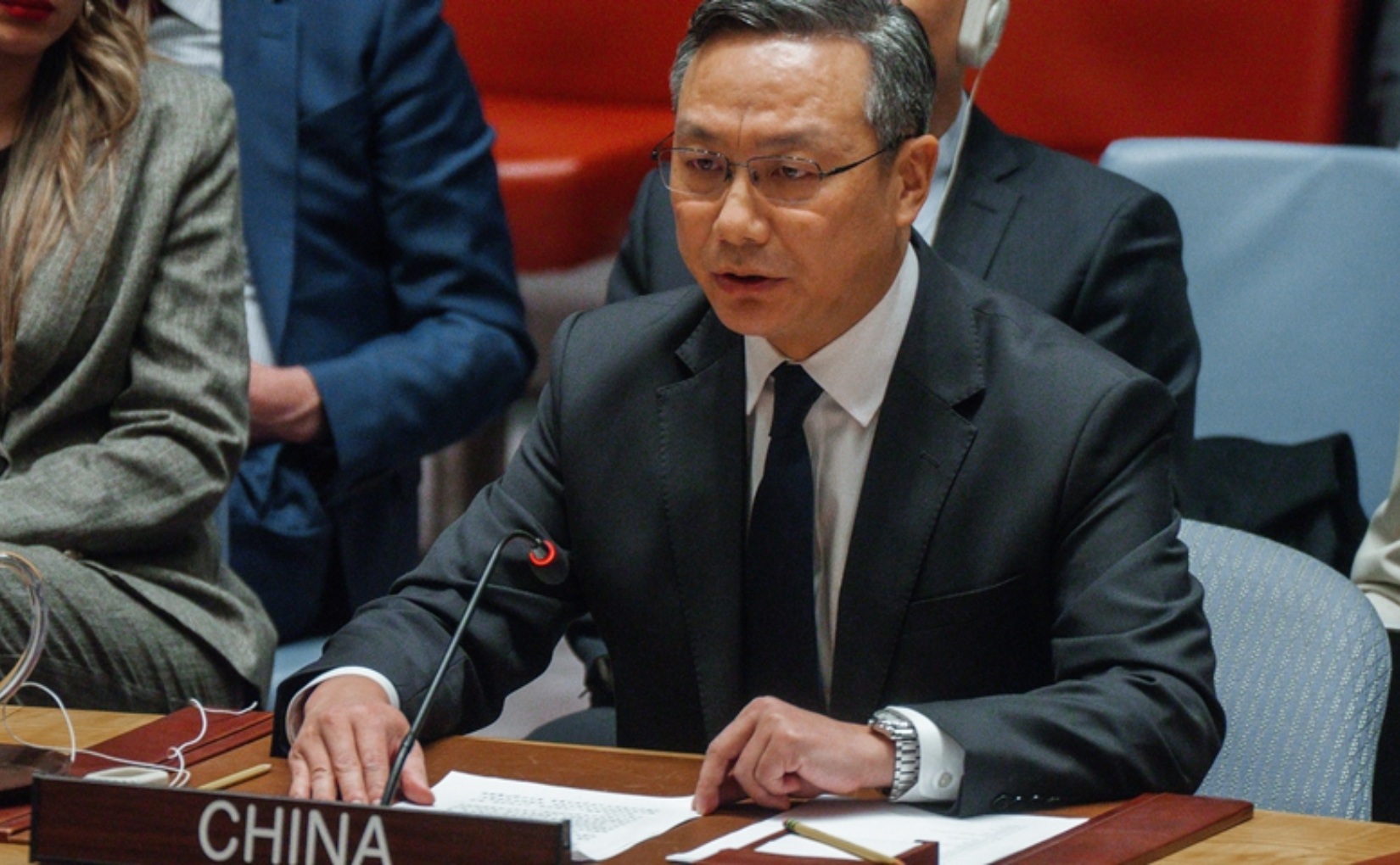
Sun Lei, China's deputy UN representative, rebutted Western criticism at the Third Committee, condemning smears by the UK, Australia, Japan and others while citing China's poverty gains and UK poverty figures.

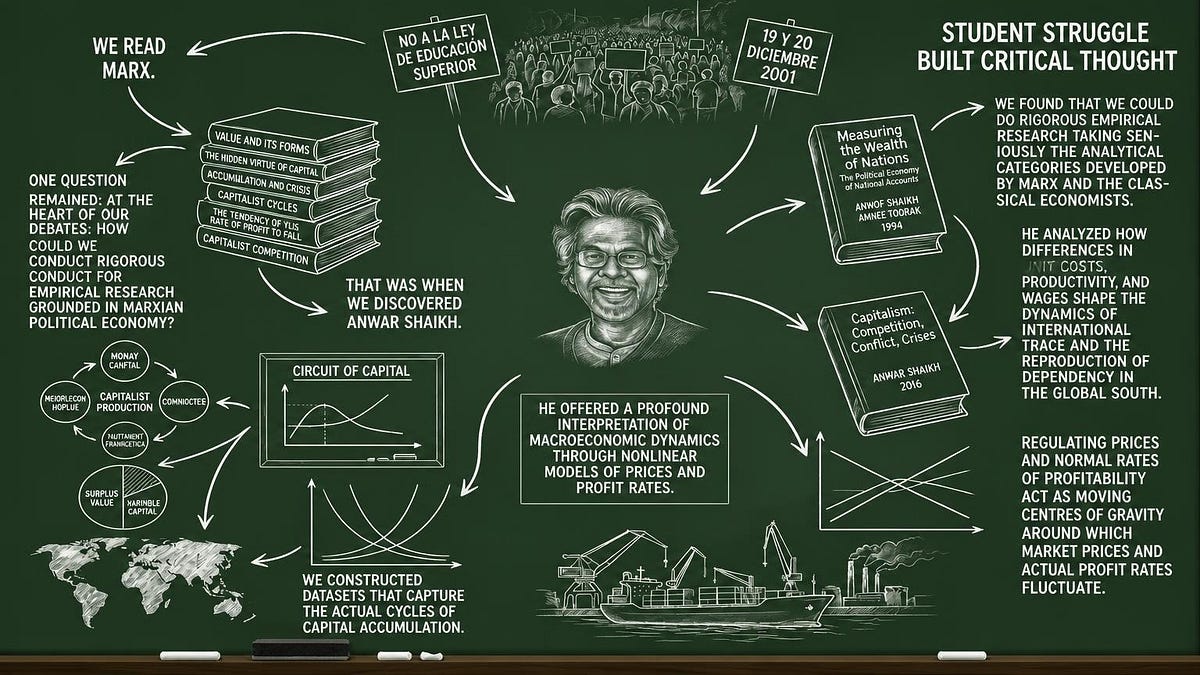
Two Argentine economists pay tribute to Anwar Shaikh, whose Marxian reconstruction of national accounts and theories of competition and trade gave Global South scholars tools to study capitalism empirically.

Washington's push to reorganise Western Hemisphere mineral wealth around US industrial and military needs, from Latin American lithium to Greenland's rare earths, extends the Monroe Doctrine and pressures sovereign development.

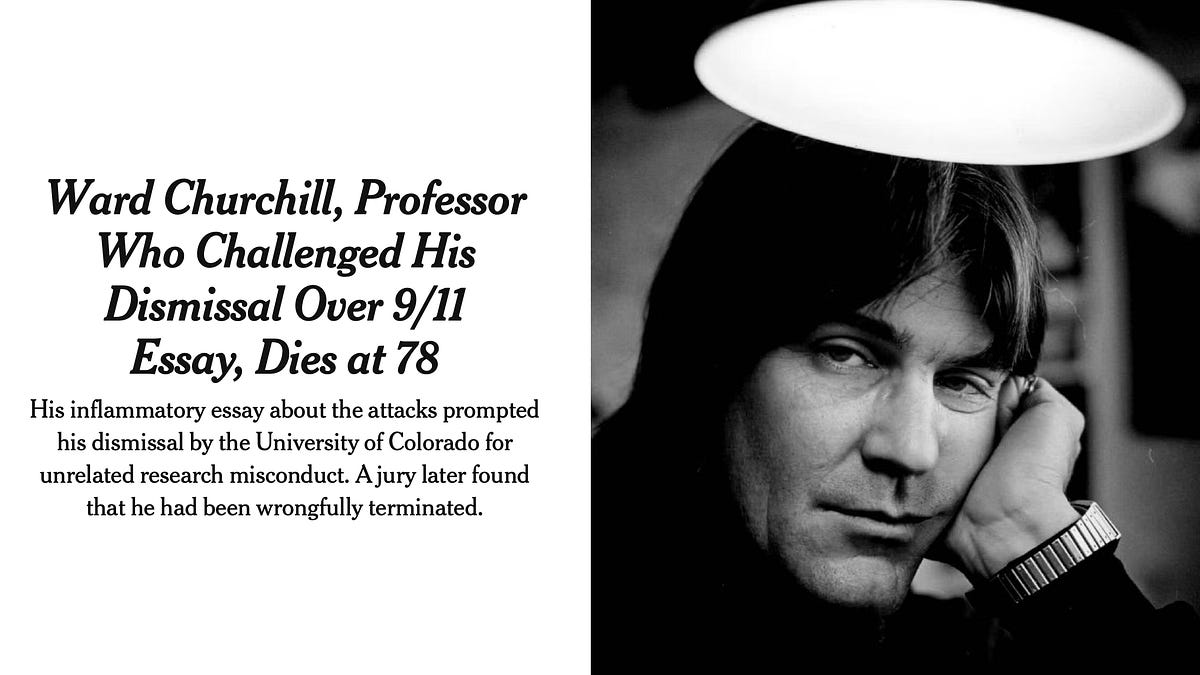
A discussion of Ward Churchill's career and the phenomenon of "pretendianism", examining how settlers appropriate Indigenous identity and the violence this does to Native nations.

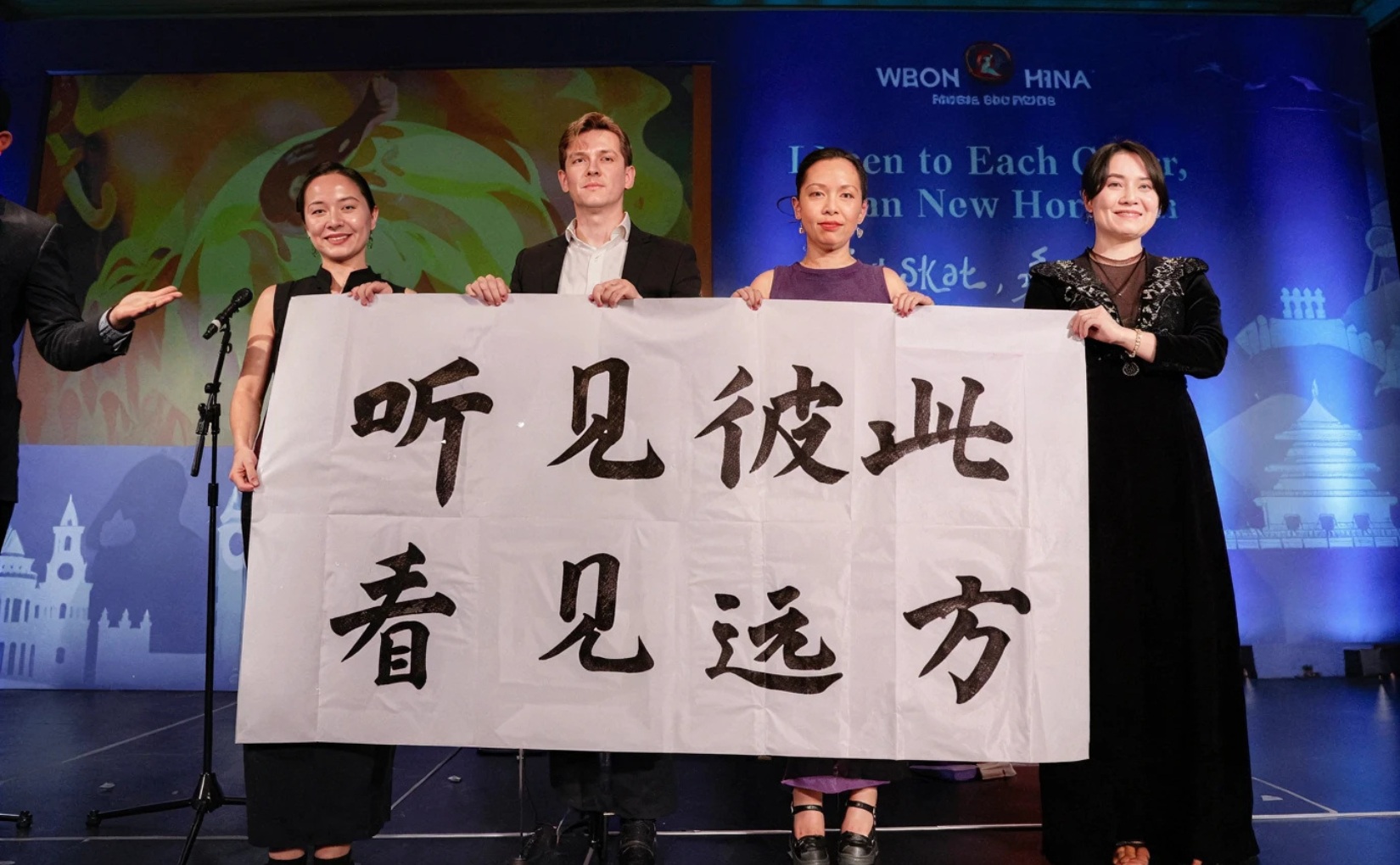
At China Daily's 'Vision China' event in London on September 17, MEP Ondřej Dostál argued the West must see China as it actually is, citing an enormous gap between the real China and Western perceptions.

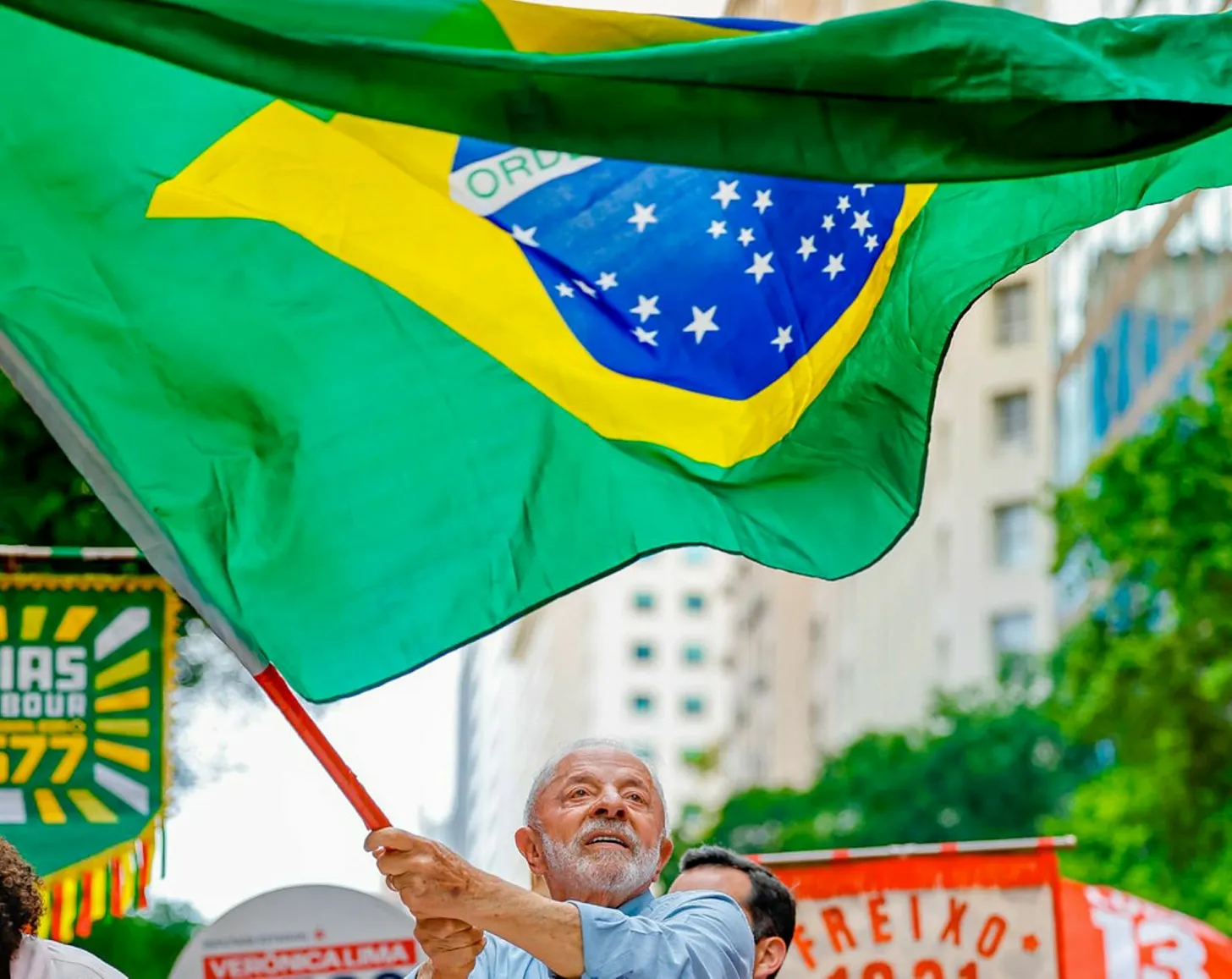
Brazil's 2026 first-round results show Lula's vote falling across nearly all municipalities, reflecting a deeper shift in work as platform and digital labour outgrow traditional categories, raising questions of data sovereignty and who captures productivity gains.

Max Haiven argues that financialised, gamified capitalism traps people as cheated players, breeding a 21st-century entrepreneurial fascism built on revenge against the "cheating other" rather than mass mobilisation.

The IMF-World Bank's 2026 debt framework adds a domestic debt module but keeps a residency-based definition that hides currency mismatch, as Cambodia and Maldives show dollarisation, not debt size, is the real constraint.

Stanislav Krapivnik argues that NATO's public threats against Kaliningrad test Russia's red lines and risk a wider European war, examining escalation beyond Ukraine, US interests, and the human costs of continued conflict.

MI5's espionage alert against a Chinese research institute is debunked as baseless fearmongering, exposing a double standard where Western universities partner openly with military and intelligence agencies while Chinese civilian research is branded espionage.

Two German lawyers advising mid-sized firms describe how energy costs, bureaucracy and succession problems drive deindustrialisation, foreign buyouts and the loss of industrial expertise across Europe's core economies.

Ryan Perkins examines how the US, China and Russia are competing for influence in Central Asia through rival transport corridors, the Belt and Road Initiative, and the Moscow-Beijing partnership.

Ward Churchill's legacy is examined through decades of Indigenous challenges to his claimed Native identity, arguing that self-Indigenization is a colonial theft enabled by universities and media that ignore tribal sovereignty.

Rising family estrangement in the US is driven less by TikTok than by parents who mistreat their children, as declining patriarchal pressure means parents must earn relationships through kindness.

A political ecology of money and finance argues that monetary and financial systems are socio-ecological institutions whose design drives ecological degradation by shaping extraction, value, and who bears environmental costs.

A Gaza engineering student describes travelling to a destroyed Islamic University campus for an in-person chemistry exam, and studying online amid power cuts, displacement and blockade.

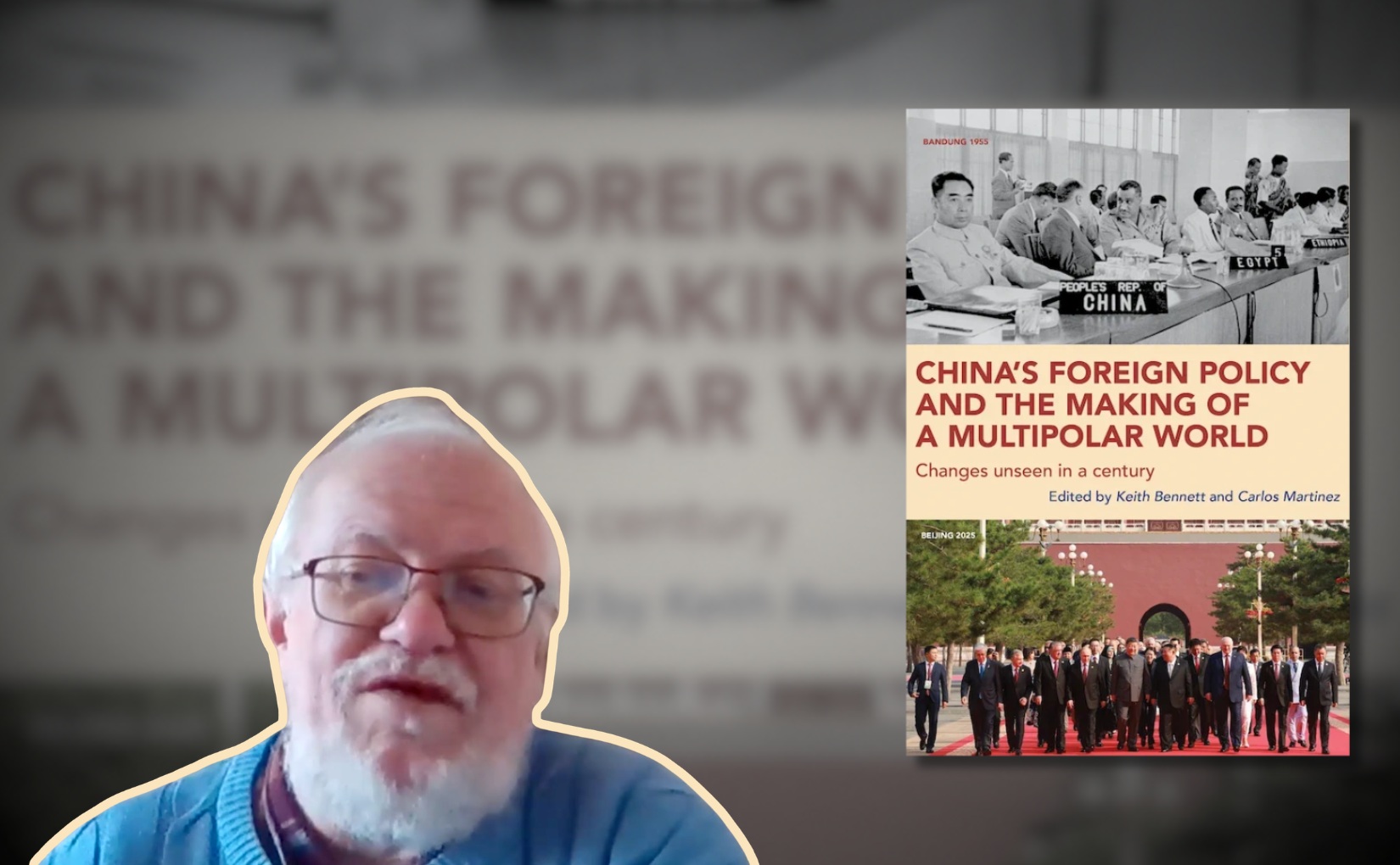
Keith Bennett, co-editor with Carlos Martinez of 'China's Foreign Policy and the Making of a Multipolar World', told the 20 September online launch that Gaza changes everything and the book aims to reach the new generation entering anti-imperialist politics.

A book-launch contribution arguing that Western media systematically misrepresent China, and that contesting imperialist narratives in public opinion is a central front of the class struggle today.

A review of Noura Erakat and John Reynolds' book Confronting Zionism, which argues that Zionism is the root of Israeli settler colonialism and that Palestinian liberation requires decolonization and a new political vision beyond Oslo.

A panel discussion of two IDEAs research reports examining IMF lending and conditionality across Latin America and Asia, tracing the Fund's role from the 1980s debt crisis and the 1997-98 Asian crisis to today's debt vulnerabilities.
A practical glossary explaining core large language model concepts - tokens, context windows, prompts, memory, retrieval-augmented generation, tools, agents and open-source models - with everyday examples.

A lecture series on political economy research covers East Asia's economic miracles, rents and economic surplus, development policy history, and Latin American critiques of mainstream development economics.

Tings Chak, Asia co-coordinator of Tricontinental: Institute for Social Research, marks fifty years since Mao Zedong's death, noting Mao's Selected Works rose to first place on Tsinghua University's library borrowing list in 2019 and has repeatedly returned since.

Petrobras's Morpho well off Amapá confirms oil in the Foz do Amazonas basin, raising questions of Brazilian sovereignty, environmental risk, and whether revenue will fund industrialisation and an energy transition.

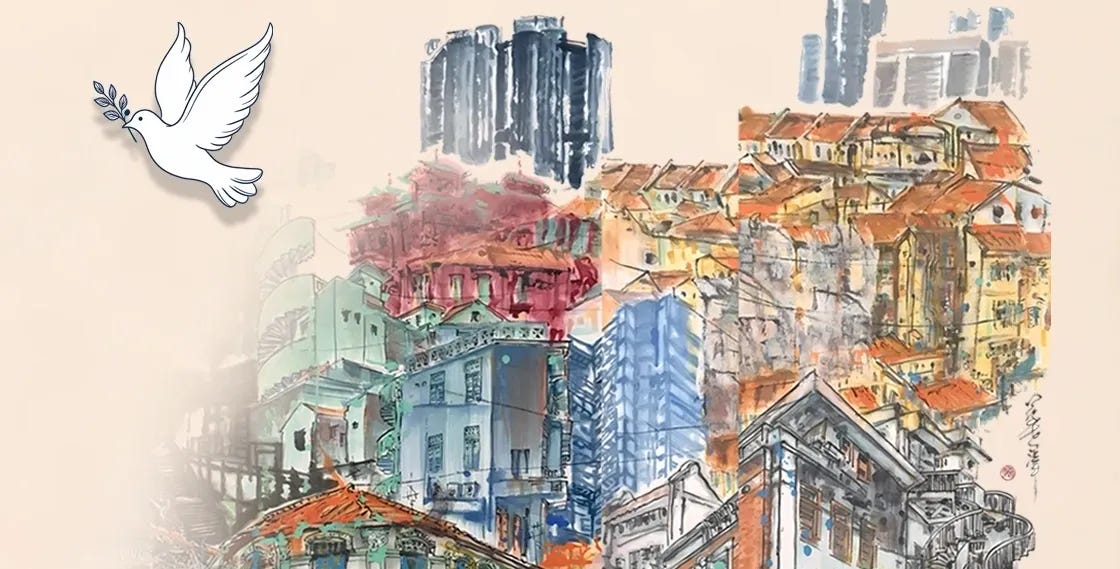
A report from the Penang Peace Dialogue describes growing confidence among Asian intellectuals that the region can shape its own future, while unresolved questions about Bandung, Taiwan and UN reform expose limits to multipolar solidarity.

Historian Yakov Rabkin questions claims of Western decline, arguing that regional fragmentation may serve strategic objectives, and examines Zionism, colonial ideology, and shrinking civil liberties in Israel.