

Anti-imperialismGeopoliticsResistanceMarxismPhilosophyArt & Culture
🎓 Academic
Resources About Topic
The Tricontinental
Qiao Collective (桥)
Anti-Imperialist Scholars Collective
Reason2Resist with Dimitri Lascaris
BreakThrough News
Upstream Podcast
Dr. Jason Hickel
Journal of International Solidarity
The New Atlas
Rev Left Radio
Critical Theory Workshop
Wenhua Zongheng (文化纵横)
The Red Nation
Vocal Politics
Red Anti-Imperialist Collective
The Electronic Intifada
[comra]
Vox Ummah
Geopolitical Economy Report
Dr. Radhika Desai
Free Palestine TV
India and Global Left
Propaganda & Co.
Colonial Outcasts
Friends of Socialist China
Monthly Review
The Cradle
African Renaissance Podcast
Return to Bandung
Marxists Internet Archive
The Global Inequality Project
ProleWiki
Iskra Books
Agrarian South Network
Sovereign Media
Orinoco Tribune
Dr. Adnan Husain
Dr. Jeffrey D. Sachs
The Grayzone
Neutrality Studies
Coalition for the Elimination of Imperialism in Africa
Samidoun: Palestinian Prisoner Solidarity Network
Hood Communist
Peoples Dispatch
Hakim
Strait Talk with Xiangyu
Working Class History
ProlesPod
Progressive International
Work Stoppage
Mint Press News
Caitlin Johnstone
The Spearhead
Empire Watch Media
Climate Vanguard
Voice of the Proletariat
Tricontinental Political Economy
Red Pen
International People's Assembly
Proletarian Polemics
Second Thought
International Development Economics Associates
Socialista Champagne
Bandung Circuits
Inkani Books
Guerrilla History
Guilhotina.info
Inner City Left
Psychic Militancy Podcast
The Anti-Empire Project
The East is a Podcast
Browse all items
📕 1,081 articles · 📙 33 books · 🎧 630 podcasts · 👁️ 625 videos

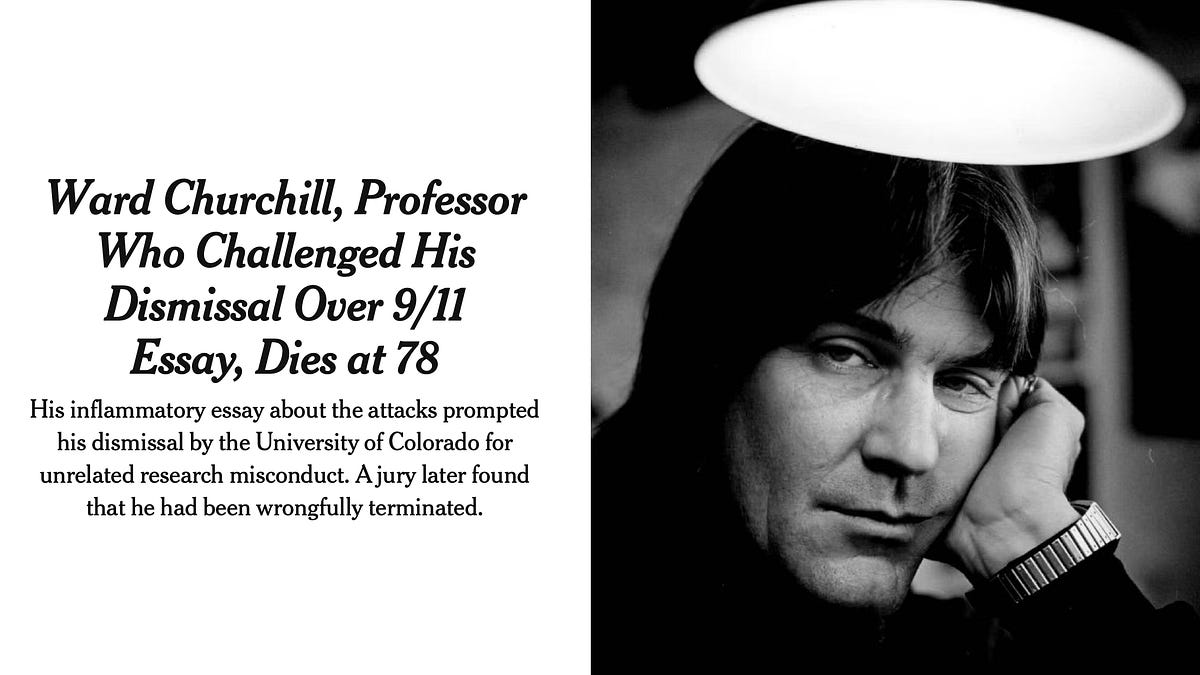
A discussion of Ward Churchill's career and the harm of pretendianism, arguing that false Indigenous identity claims undermine tribal sovereignty and the collective authority of tribal nations.

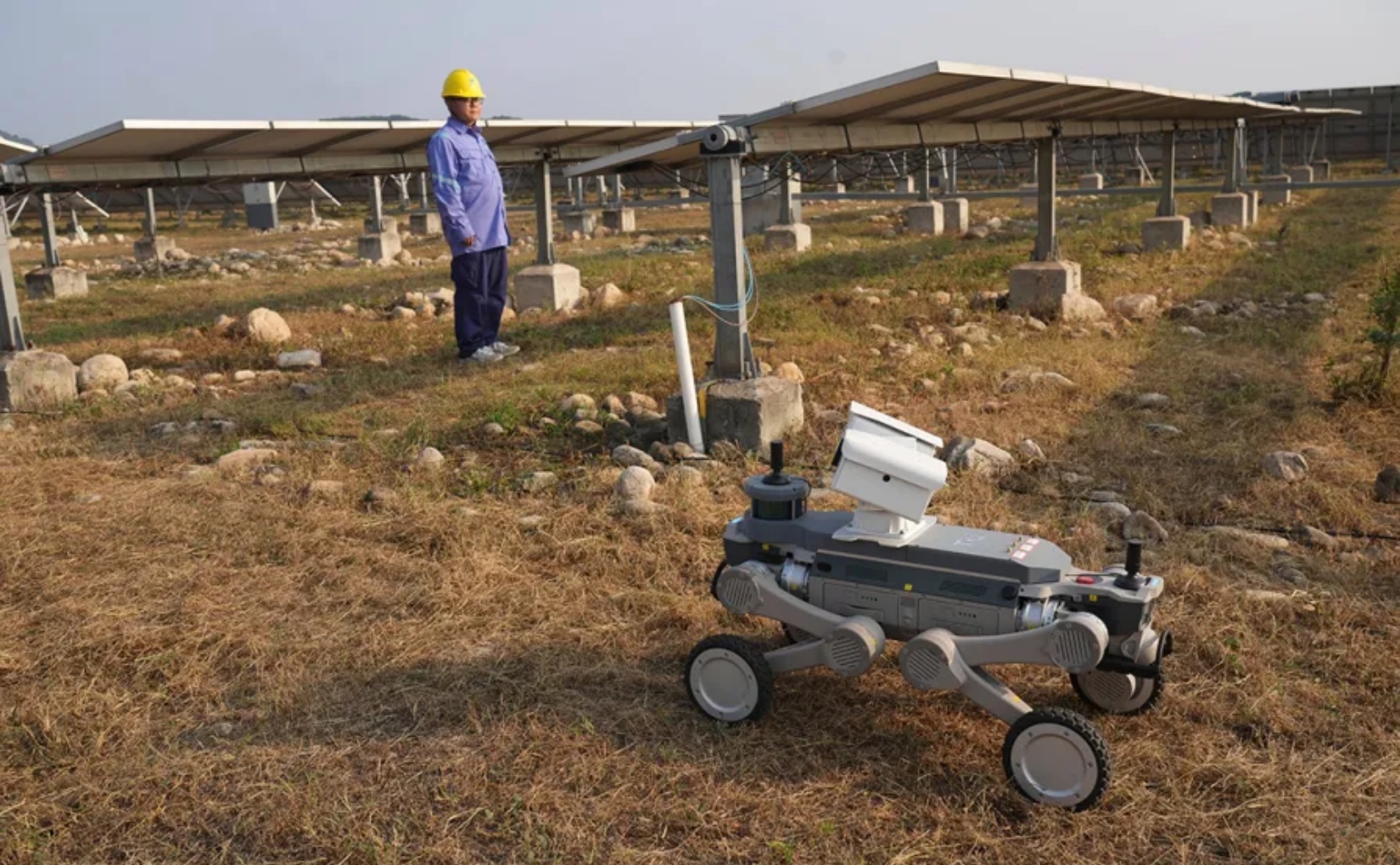
China's humanoid robot makers held more than 97 percent of global shipments in the first half of 2026; UBTECH opened a Liuzhou factory targeting over 10,000 robots a year, and Unitree's US$900 million IPO drew 8,000-fold retail demand.

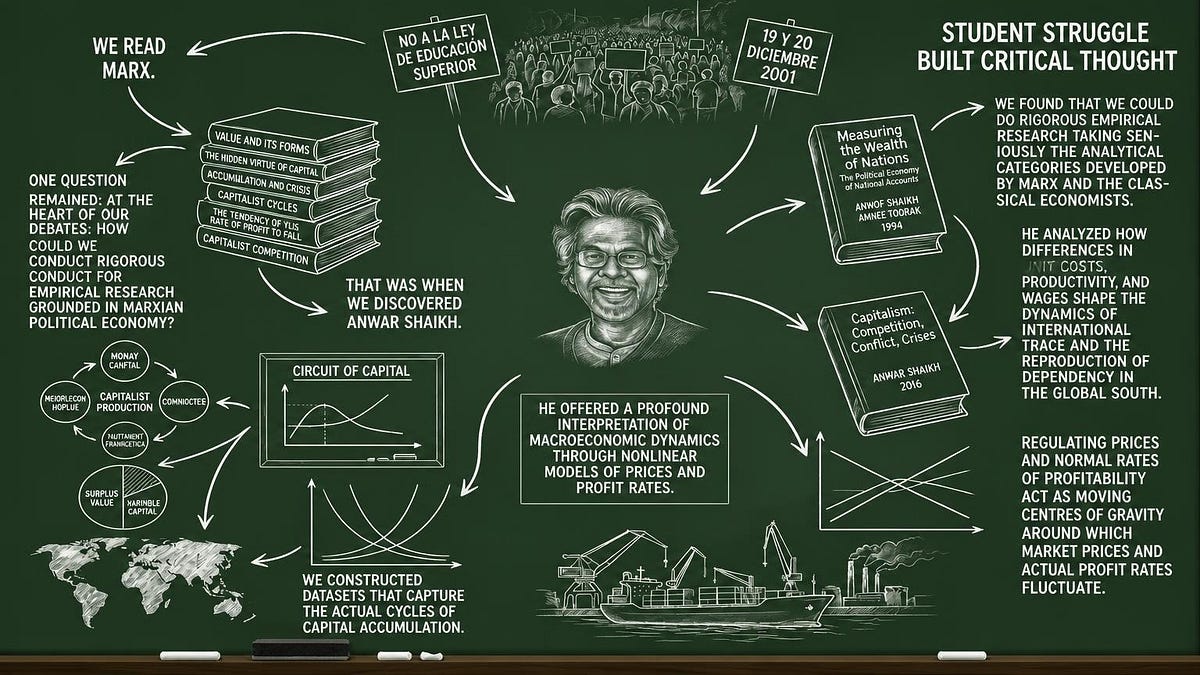
Two Argentine economists pay tribute to Anwar Shaikh, whose Marxian reconstruction of national accounts and theories of competition and trade gave Global South scholars tools to study capitalism empirically.

A review of the anthology "Beyond the Glittering World," discussing how Indigenous feminisms and futurisms imagine language revitalisation, kinship, and wholeness beyond colonial apocalypse.

John Moolenaar demanded Starbucks close its two new Urumqi stores; he voted for a US$26 billion Israel aid package, while the Trump administration prepares a US$2.8 billion sale of 60,000 heavy bombs.

A podcast series on how technology shapes the working class under capitalism returns to Marx's analysis of machinery in the Grundrisse and Capital, arguing that relations of production, not technological inevitability, determine how automation and AI are deployed.

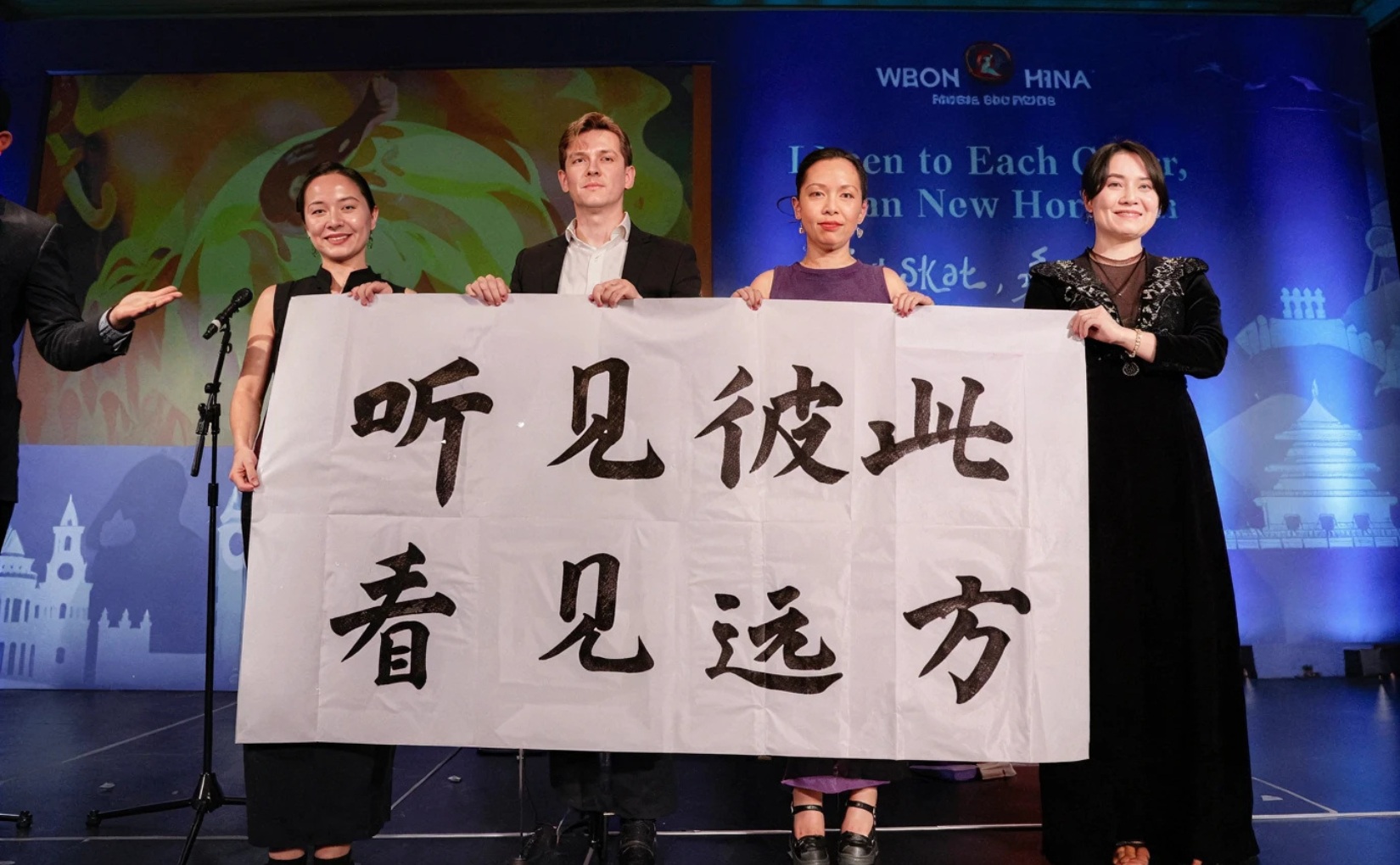
At China Daily's 'Vision China' event in London on September 17, MEP Ondřej Dostál argued the West must see China as it actually is, citing an enormous gap between the real China and Western perceptions.

A heterodox critique of orthodox domestic resource mobilisation argues that money is endogenously created through sovereign fiscal and banking mechanisms, proposing a new financial architecture for Global South development.

Former British diplomat Ian Proud recounts being detained at Heathrow after attending Russia's Valdai Club, discussing sanctions, foreign influence rules and Europe's shrinking space for dissent.

Larry Johnson argues Iran has exposed weaknesses in US military power, from vulnerable Gulf bases to overstretched carriers, while discussing Russia's outlook, Ukraine's battlefield prospects, and risks of wider war.

Residents and officials in southern Lebanese villages reopen a bombed intermediate school, restoring classes for hundreds of students despite destroyed buildings and ongoing insecurity.

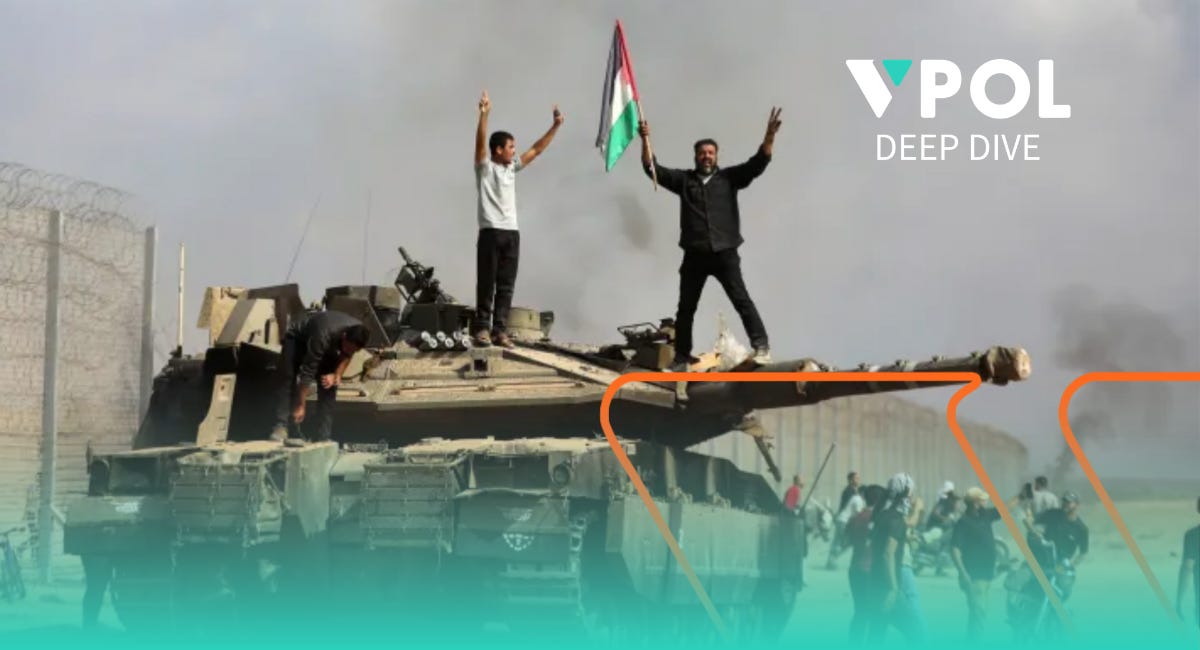
A scholarly account of Hamas's October 7 operation argues the Palestinian prisoners' file was its central motive, tracing a long history of capture-for-exchange operations from the 1980s to the Tufan al-Ahrar deal.

Dr Judy Dlamini discusses women's safety in South Africa, barriers facing Black women in leadership, inequality, medicine and health research, and why leadership should be a responsibility rather than a title.

MI5's espionage alert against a Chinese research institute is debunked as baseless fearmongering, exposing a double standard where Western universities partner openly with military and intelligence agencies while Chinese civilian research is branded espionage.

Two German lawyers advising mid-sized firms describe how energy costs, bureaucracy and succession problems drive deindustrialisation, foreign buyouts and the loss of industrial expertise across Europe's core economies.

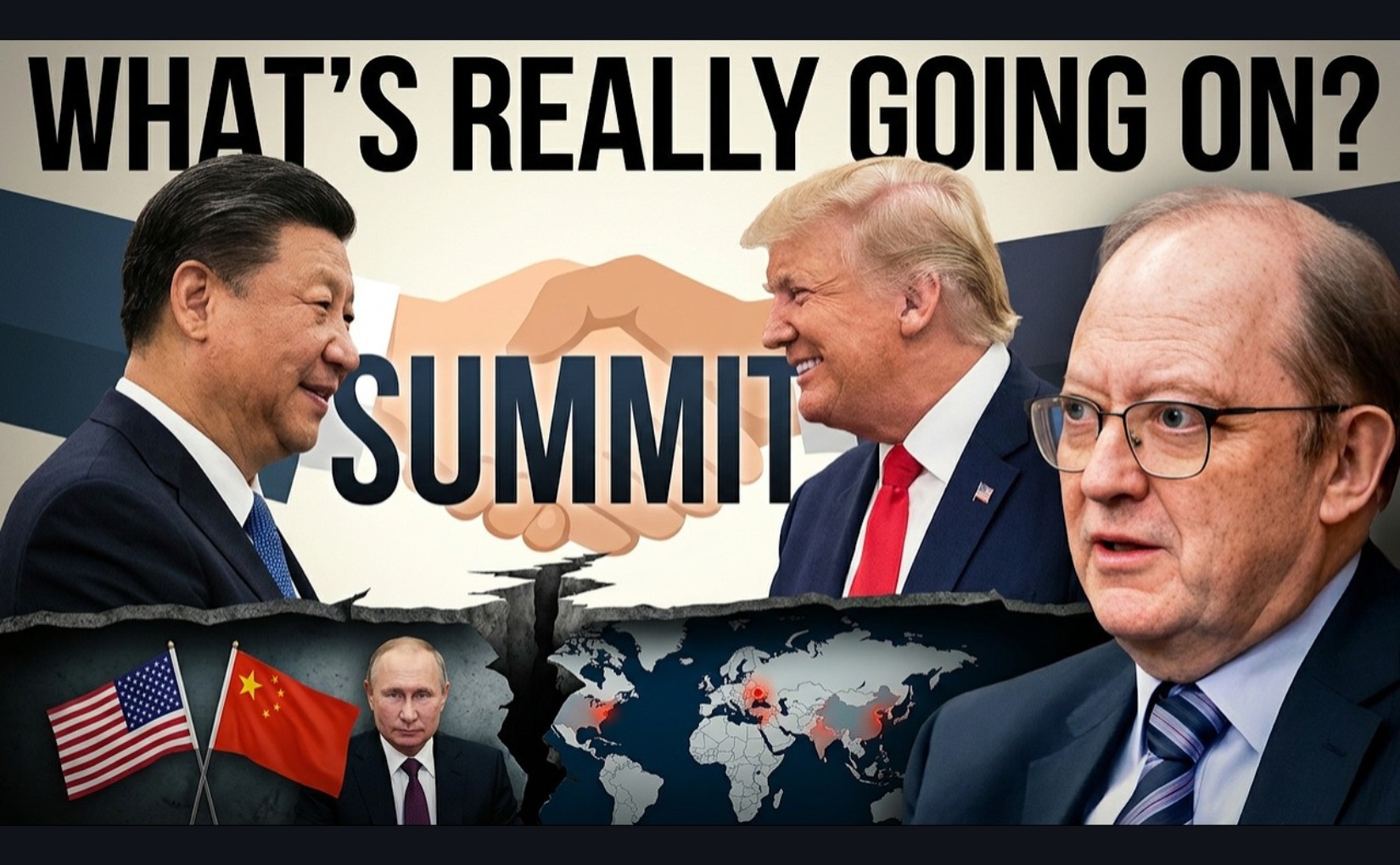
John Ross, a British economist at Renmin University, calls the Xi-Trump summit positive mainly because the US launched no big attacks on China, though few substantial agreements emerged and the tariff truce ran only to January.

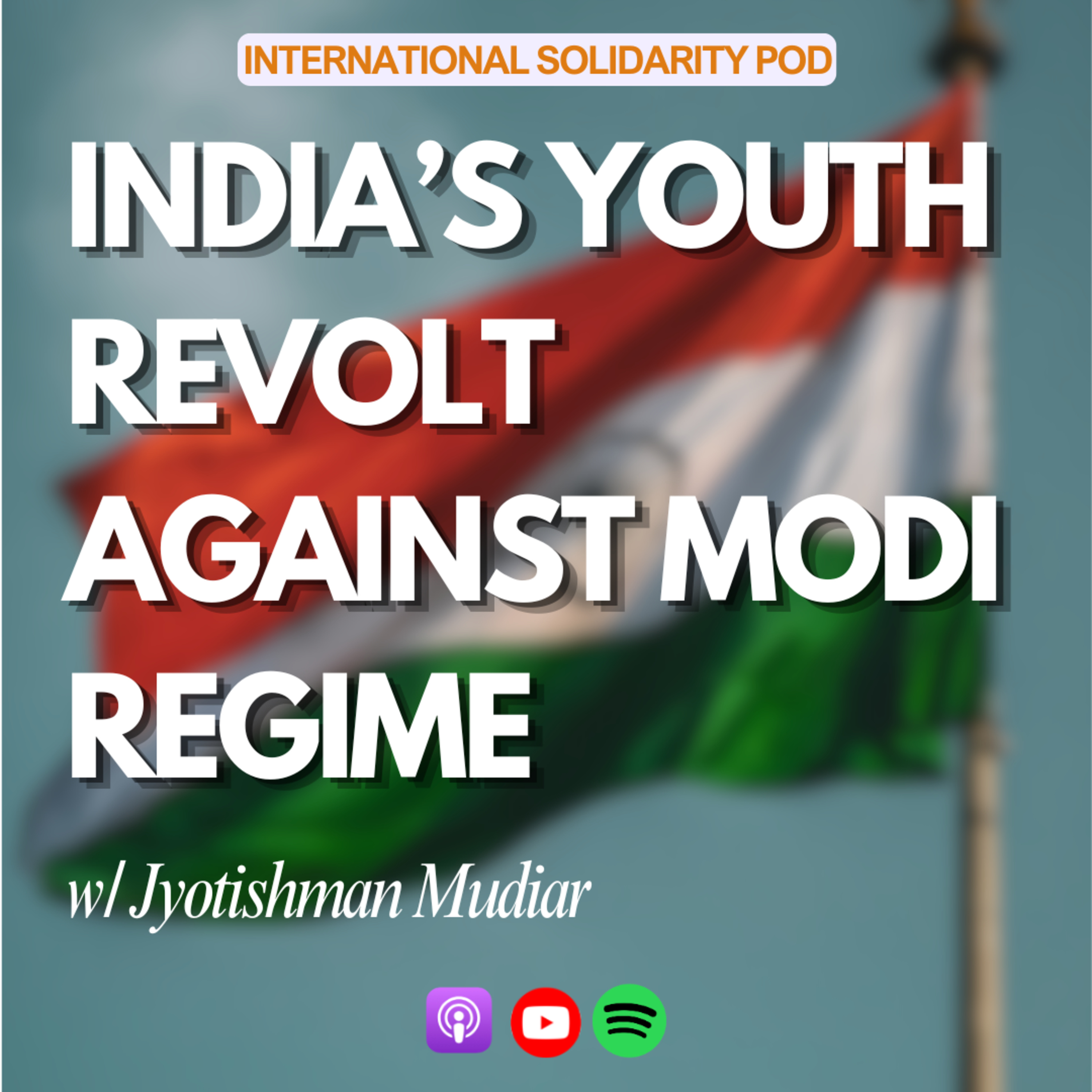
A discussion of India's student-led protests over exam paper leaks and youth unemployment, the BJP's Hindu nationalist and patronage strengths, the left's role in class struggles, and India's ties with Russia and China at BRICS and SCO summits.

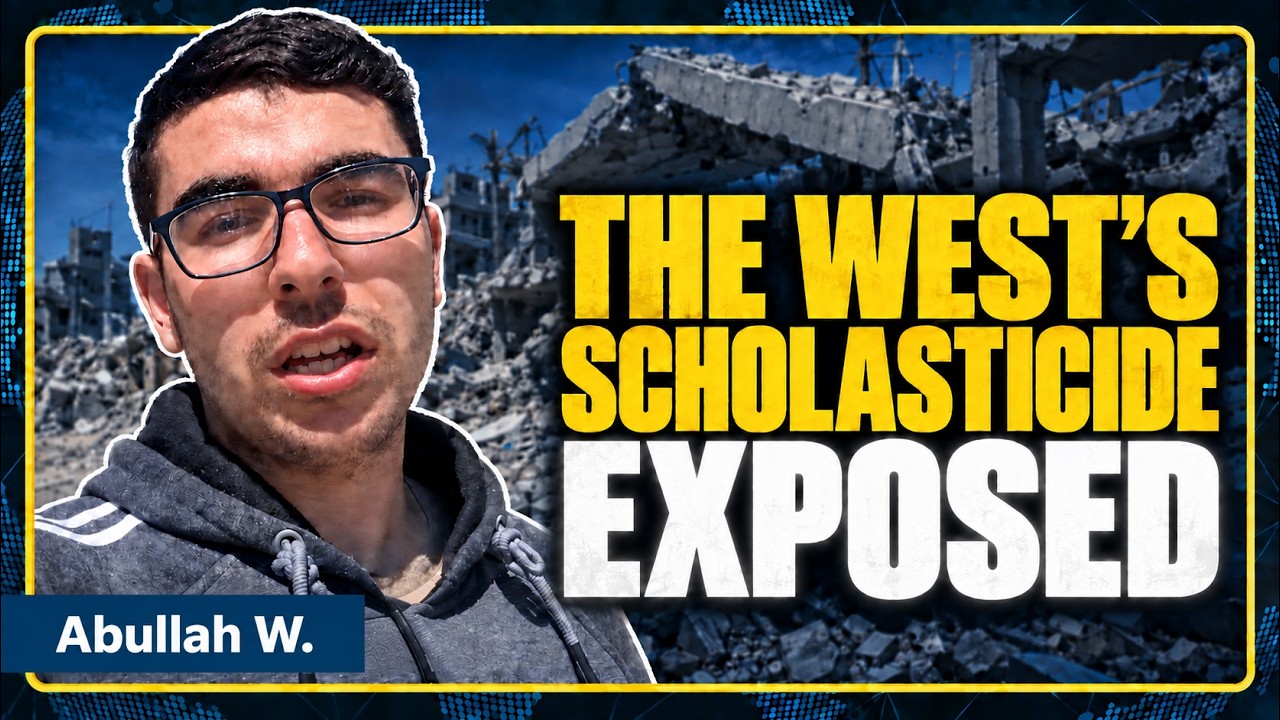
A 21-year-old English literature student from Jabalia describes continuing his education amid displacement and destruction in Gaza, and the financial and visa barriers blocking Palestinian students from studying abroad.

Ward Churchill's legacy is examined through decades of Indigenous challenges to his claimed Native identity, arguing that self-Indigenization is a colonial theft enabled by universities and media that ignore tribal sovereignty.

Rising family estrangement in the US is driven less by TikTok than by parents who mistreat their children, as declining patriarchal pressure means parents must earn relationships through kindness.

Professor Richard Sakwa argues that Western triumphalism after the Cold War weakened diplomacy and narrowed political imagination, and proposes a Charter Order grounded in international law and pluralism.

A Gaza engineering student describes travelling to a destroyed Islamic University campus for an in-person chemistry exam, and studying online amid power cuts, displacement and blockade.

A call for participants in an online reading circle on political economist Maria da Conceição Tavares, covering development, demand-driven growth and American hegemony across three Spanish-language sessions.

A discussion of political prisoners, Black radical resistance, and the long Attica revolt, tracing how prison repression connects to internationalism and anti-imperialist solidarity from the US to Palestine.

A lecture series on political economy research covers East Asia's economic miracles, rents and economic surplus, development policy history, and Latin American critiques of mainstream development economics.

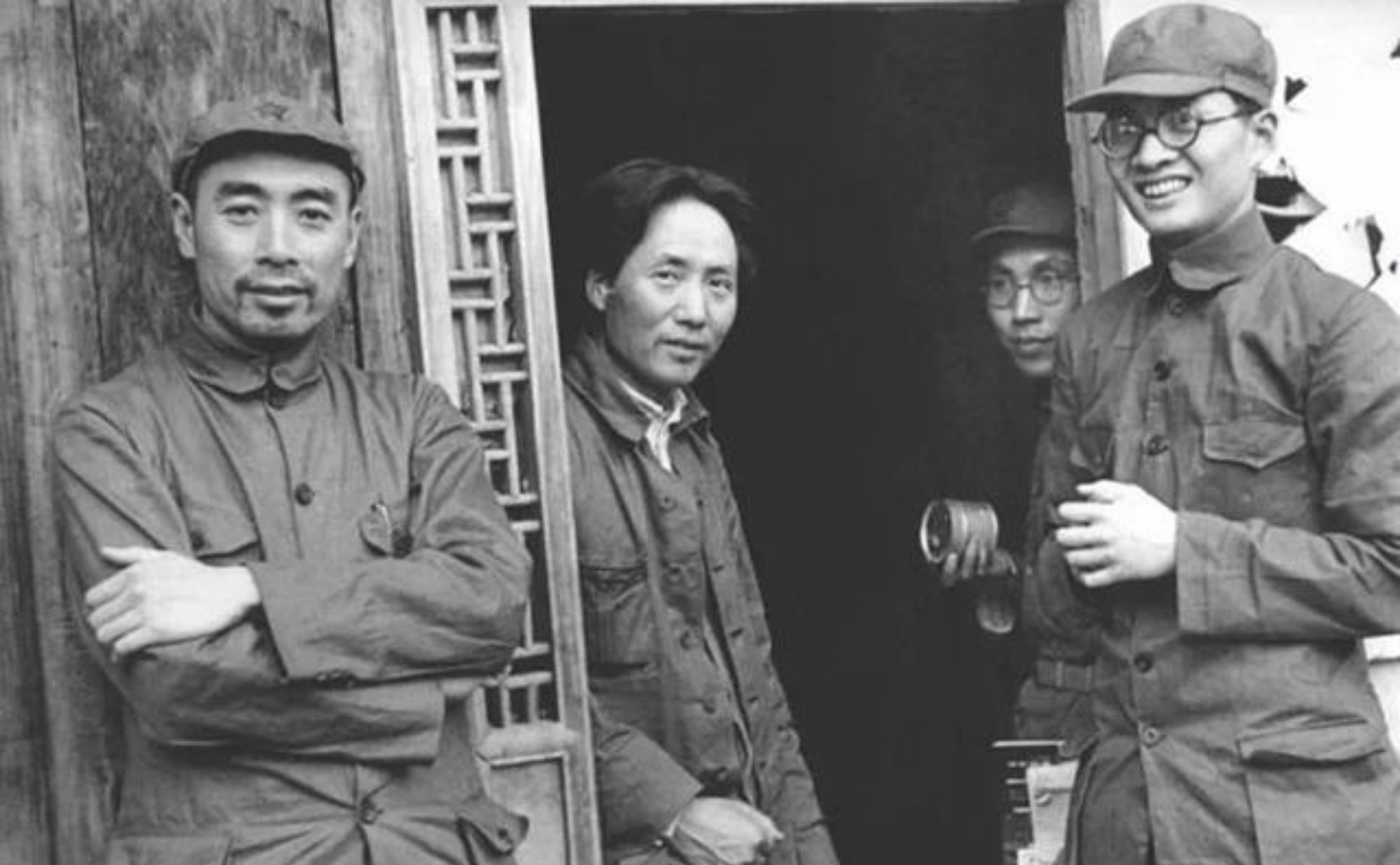
Tings Chak, Asia co-coordinator of Tricontinental: Institute for Social Research, marks fifty years since Mao Zedong's death, noting Mao's Selected Works rose to first place on Tsinghua University's library borrowing list in 2019 and has repeatedly returned since.

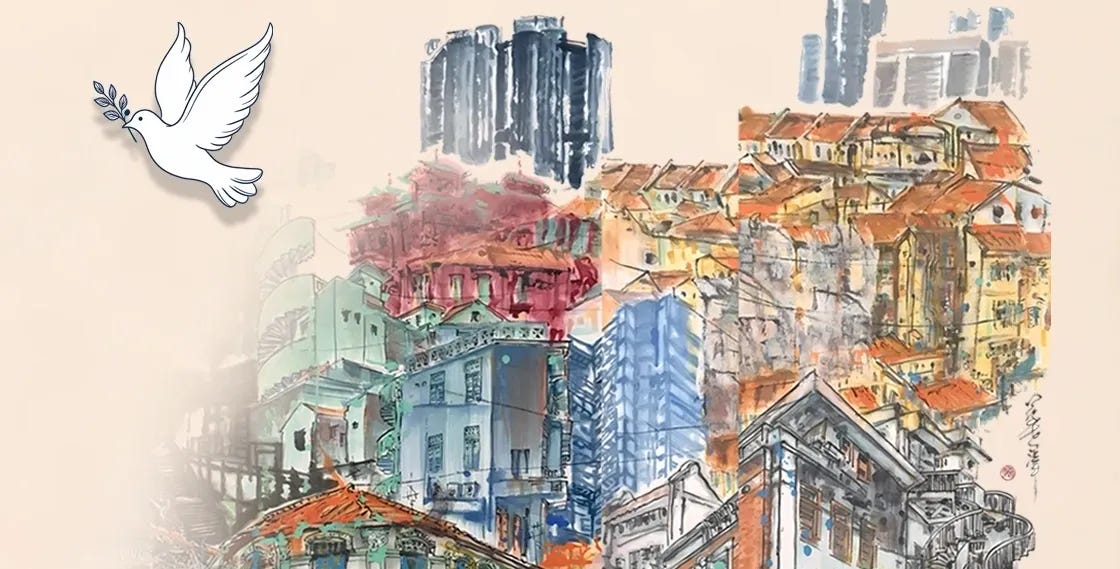
A report from the Penang Peace Dialogue describes growing confidence among Asian intellectuals that the region can shape its own future, while unresolved questions about Bandung, Taiwan and UN reform expose limits to multipolar solidarity.

Nous Group, an Australian consultancy dubbed 'Nousferatu', has restructured over 20 Canadian universities through staff cuts and centralisation, profiting from public-sector austerity while pushing institutions toward a corporate model.

Trump's response to AI safety warnings from industry leaders was framed as a race with China, exposing a US government devoid of technical expertise and unable to assess existential technological risk.

A discussion with philosopher Gabriel Rockhill on his co-authored book critiquing structuralist, post-structuralist and postmodern French theory as a transatlantic product of US intellectual imperialism.

An open letter urges academics to back a UN International Panel on Inequality, modeled on the IPCC, to build consensus on the crisis and policies to reduce it.