
Anti-imperialismGeopoliticsResistanceMarxismPhilosophyArt & Culture
🇨🇳 China
Resources About Topic
The Tricontinental
Qiao Collective (桥)
Anti-Imperialist Scholars Collective
Reason2Resist with Dimitri Lascaris
BreakThrough News
Upstream Podcast
Dr. Jason Hickel
Journal of International Solidarity
The New Atlas
Rev Left Radio
Critical Theory Workshop
Wenhua Zongheng (文化纵横)
The Red Nation
Red Anti-Imperialist Collective
The Electronic Intifada
[comra]
Vox Ummah
Geopolitical Economy Report
Dr. Radhika Desai
Free Palestine TV
India and Global Left
Propaganda & Co.
Colonial Outcasts
Friends of Socialist China
Monthly Review
The Cradle
African Renaissance Podcast
Return to Bandung
Marxists Internet Archive
The Global Inequality Project
ProleWiki
Iskra Books
Agrarian South Network
Sovereign Media
Orinoco Tribune
Dr. Adnan Husain
Dr. Jeffrey D. Sachs
The Grayzone
Elina Xenophontos
Neutrality Studies
The Resistance Archives
Coalition for the Elimination of Imperialism in Africa
Samidoun: Palestinian Prisoner Solidarity Network
Hood Communist
Peoples Dispatch
Hakim
Strait Talk with Xiangyu
Working Class History
ProlesPod
Progressive International
Work Stoppage
Mint Press News
Caitlin Johnstone
The Spearhead
Empire Watch Media
Climate Vanguard
Voice of the Proletariat
Tricontinental Political Economy
Red Pen
International People's Assembly
Proletarian Polemics
Amy Yang
The Triploi Podcast
Dr. Bikrum Gill
International Development Economics Associates
Socialista Champagne
Bandung Circuits
Find the Signal
Guerrilla History
Guilhotina.info
Inner City Left
The Dialectics of Destruction
Chris Cullen
The Anti-Empire Project
The East is a Podcast
Browse all items
📕 1,709 articles · 📙 21 books · 🎧 381 podcasts · 👁️ 1,149 videos

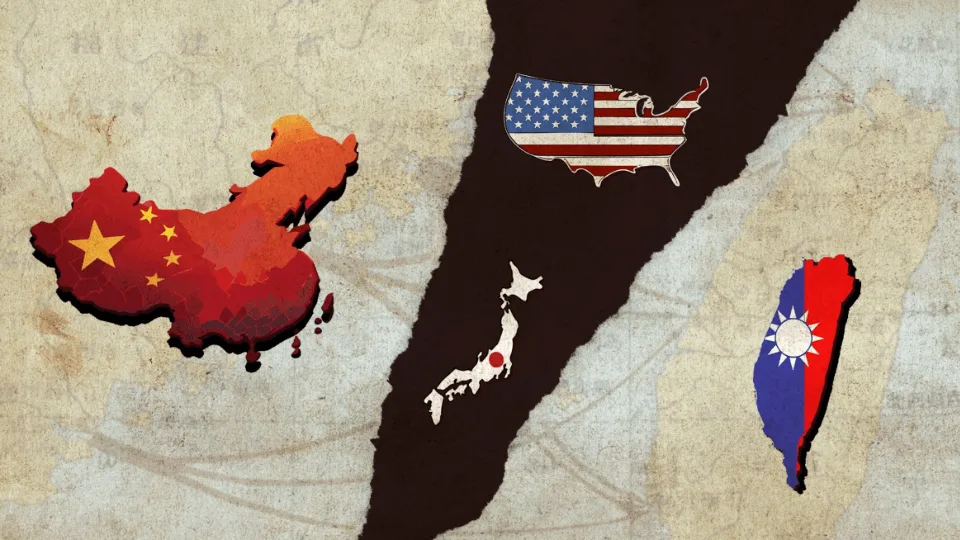
A Marxist-Leninist content creator joins a candid conversation to unpack the Taiwan question, tracing its historical layers and arguing that Western commentators on all sides work from incomplete assumptions about reunification.

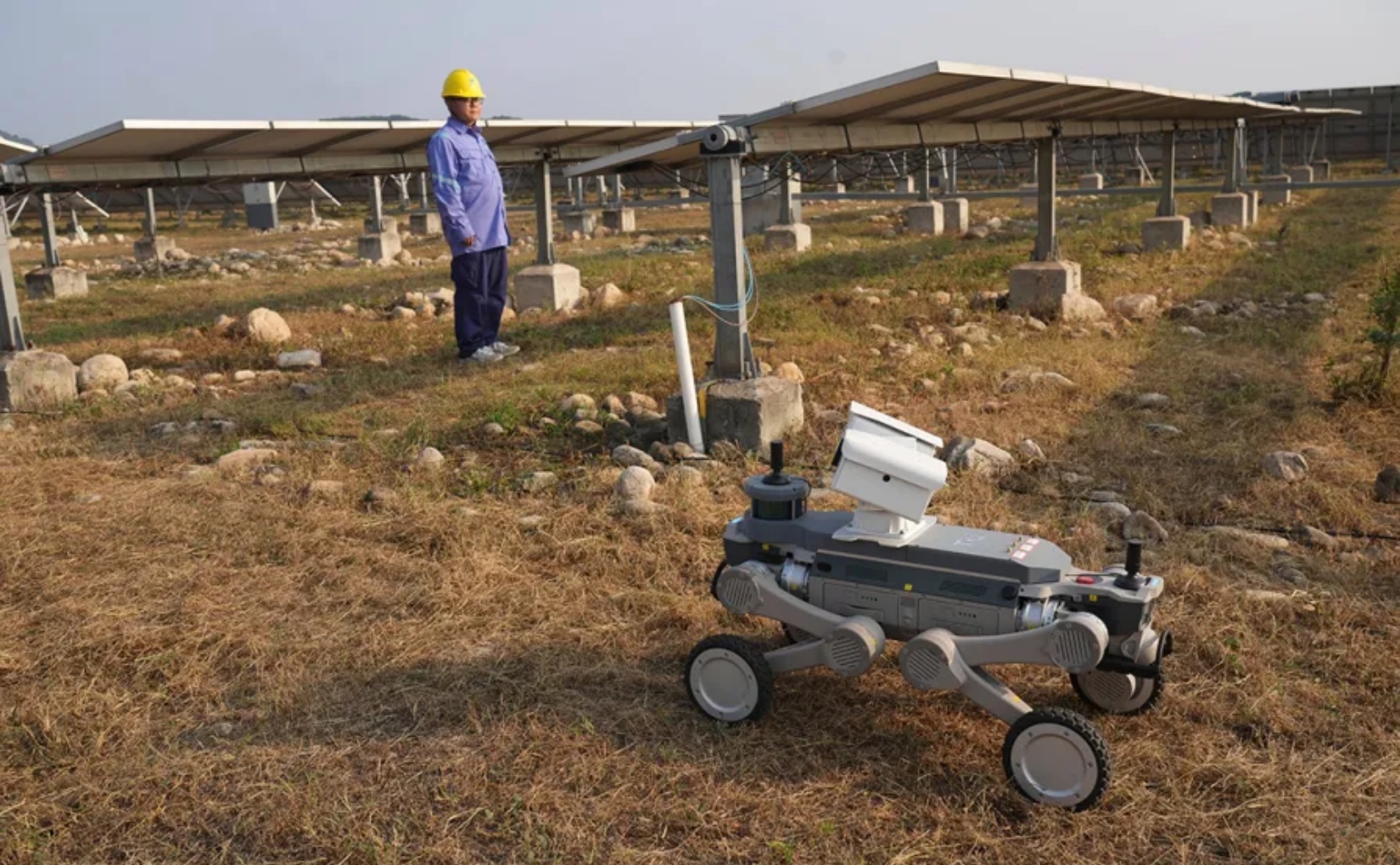
China's humanoid robot makers held more than 97 percent of global shipments in the first half of 2026; UBTECH opened a Liuzhou factory targeting over 10,000 robots a year, and Unitree's US$900 million IPO drew 8,000-fold retail demand.

Professor Zhang Weiwei argues at the East-West Forum in Istanbul that China's civilizational state model and strategic patience underpin a multipolar vision built on peace, development and Asian integration rather than confrontation with the United States.

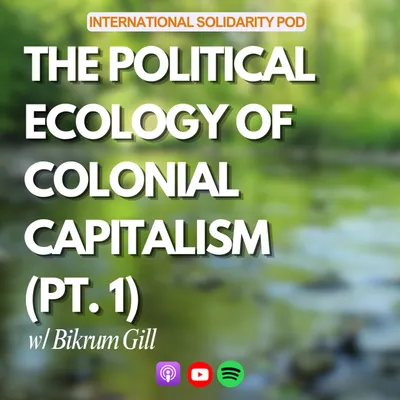
Bikrum Gill, guest on the podcast discussing his book on the political ecology of colonial capitalism, contrasts China, which resolved its agrarian question to guarantee national sovereignty, with India, which has not.

Xi Haisha's article on popularizing Marxism in Yan'an draws on Mao's 1942 'Oppose Stereotyped Party Writing' speech, cadre schools, and folk opera, cited as a guide for anti-imperialist propaganda today.
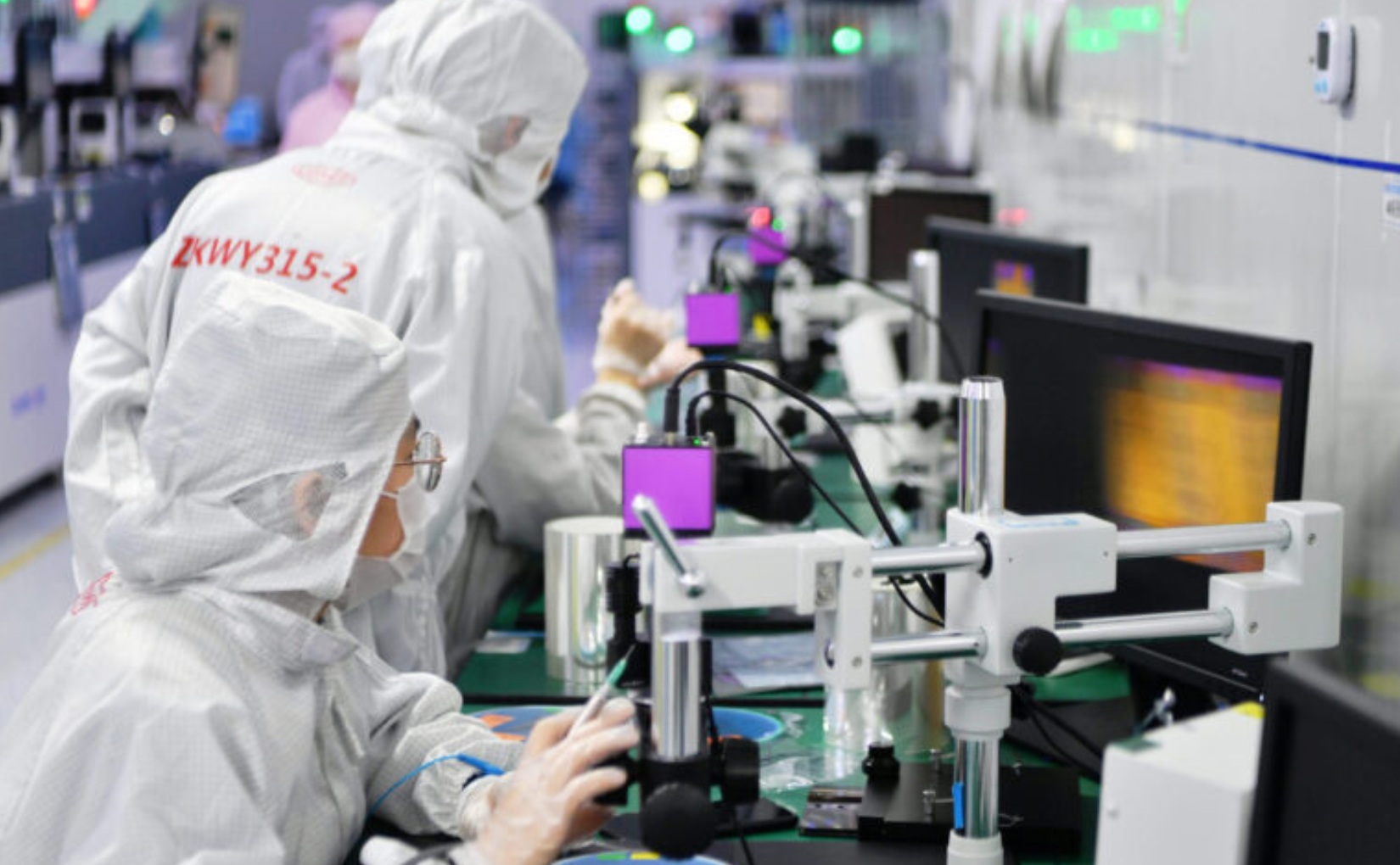
The US chip blockade that once helped cripple the Soviet computer industry is being turned on China, but China's deep integration in world markets and state planning of AI and power infrastructure limit its effect.

Taiwan's tourism sector suffers occupancy rates near 20% as DPP authorities block cross-strait group tours, forfeiting mainland visitor spending during China's National Day holiday boom.

Ambassador Chas Freeman argues that US power is retreating as wars, sanctions and depleted arsenals expose the limits of dominance, examining Iran, Yemen, Saudi autonomy, China's gains and NATO's failures.

Washington's push to reorganise Western Hemisphere mineral wealth around US industrial and military needs, from Latin American lithium to Greenland's rare earths, extends the Monroe Doctrine and pressures sovereign development.

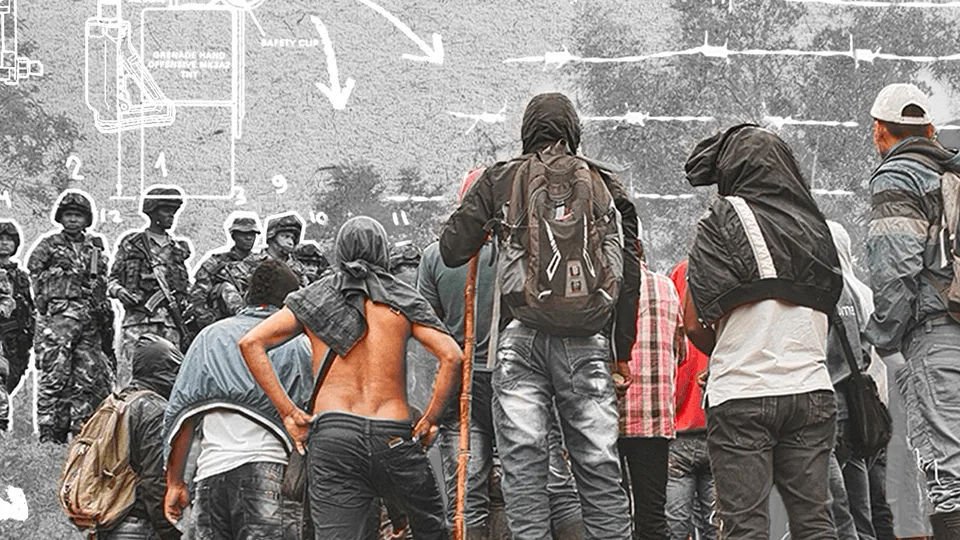
Washington is pressuring Latin American governments to expel Chinese capital from strategic ports, energy and infrastructure, but even far-right administrations keep ties with their main trading partner.

A panel examines how Vietnam's export-led growth model, built on manufactured exports to Western markets, faces disruption from rising US protectionism and what this means for workers.

Venezuela's Bolivarian government under Delcy Rodríguez negotiates an oil agreement with the US to rebuild social programs, framing it as survival amid sanctions, military threats and the abduction of Maduro.

A discussion of how Western capitalism's rise rested on appropriating Indigenous ecological worlds in the Americas, and how the agrarian question shaped Southern sovereignty and decolonisation.

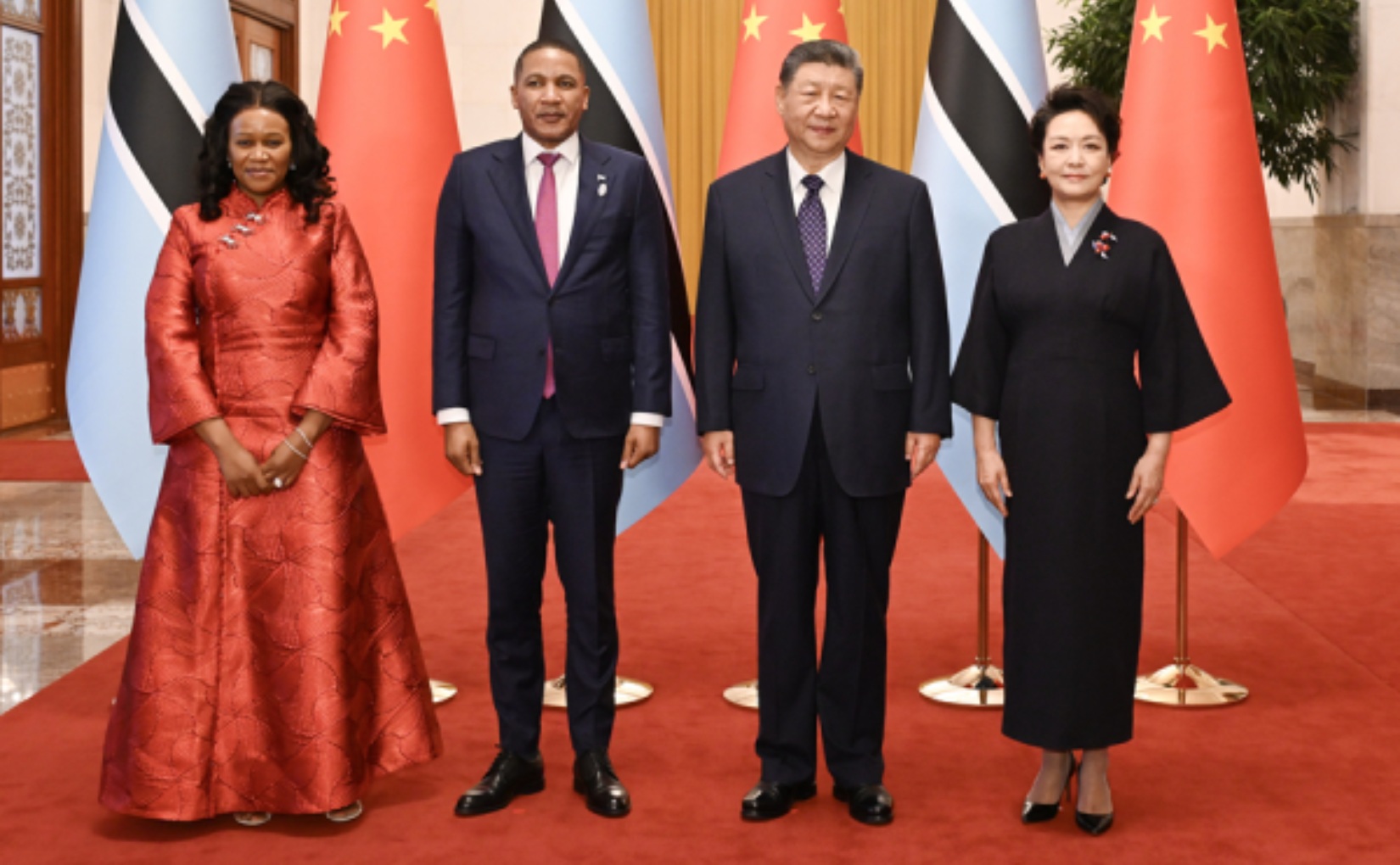
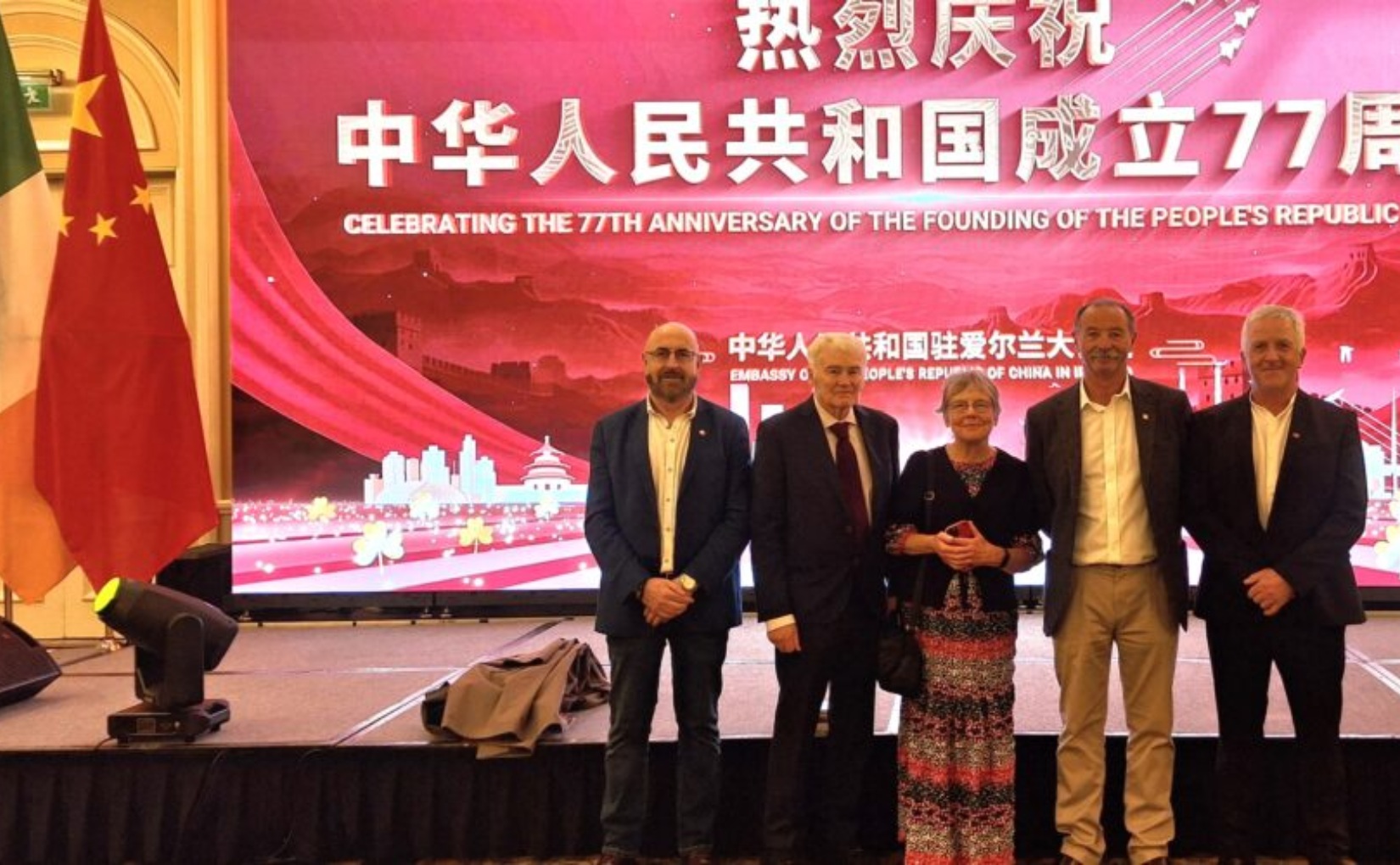
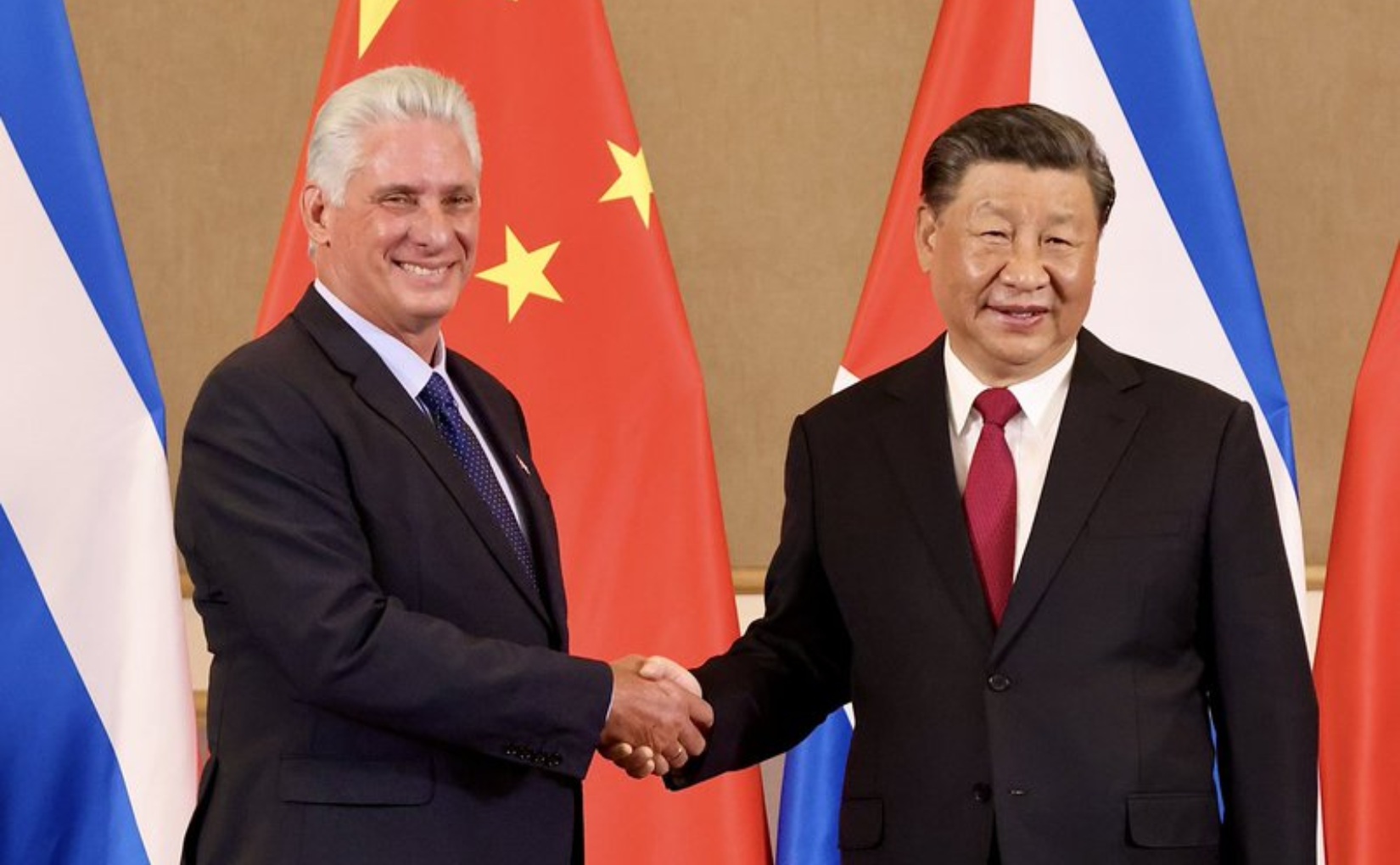
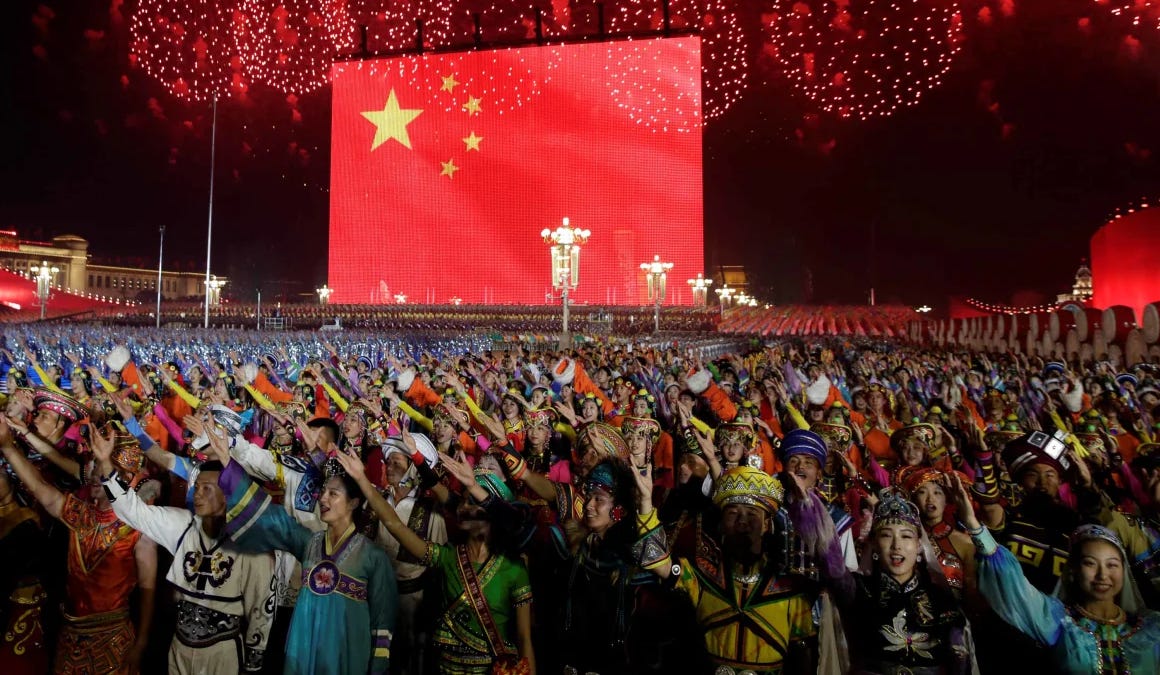
Leaders of socialist and progressive countries greeted the People's Republic of China on its 77th national day, October 1; Vladimir Putin told Xi Jinping China is achieving impressive success in socioeconomic, scientific, and technological spheres.

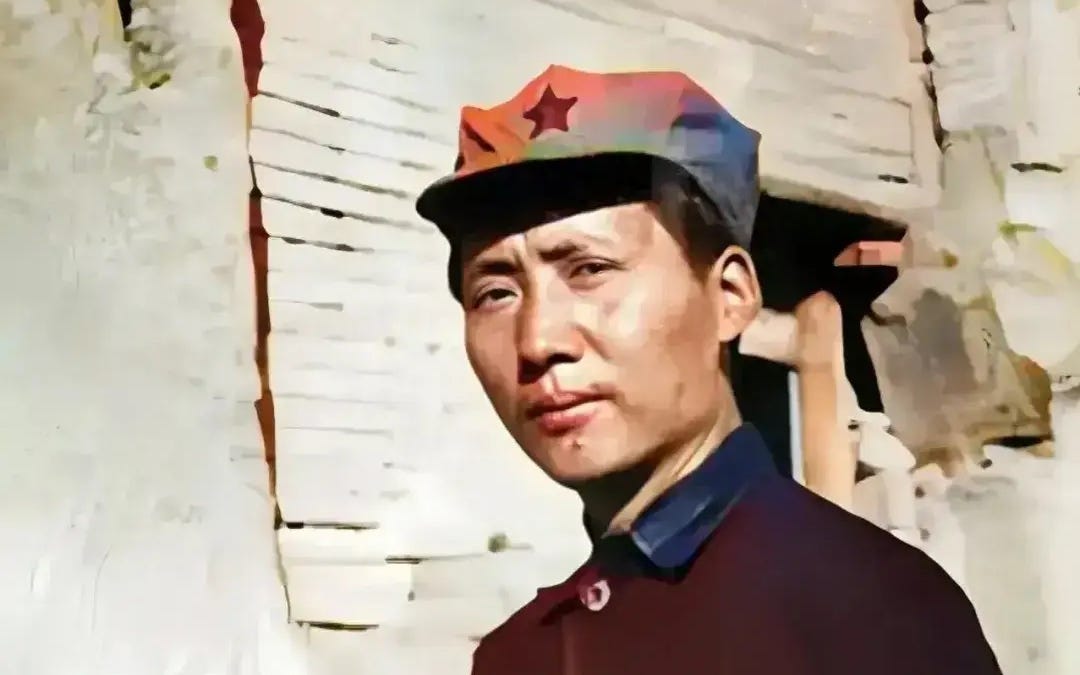
Mao Zedong told the August 7th Meeting in 1927 that political power grows out of the barrel of a gun; in November 1938 he wrote that the seizure of power by armed struggle is the highest form of revolution.

Guerrilla History talks with returning guest Immanuel Ness, political science professor at Brooklyn College, about his Brill book Dialectics of Chinese Labor; Ness argues Western scholars dismissing the ACFTU are labor aristocrats earning over $100,000 a year.

Big Tech executives warn of AI existential risk while cashing out ahead of a historic bubble, as the US government shields the industry and Silicon Valley pushes to ban Chinese AI.

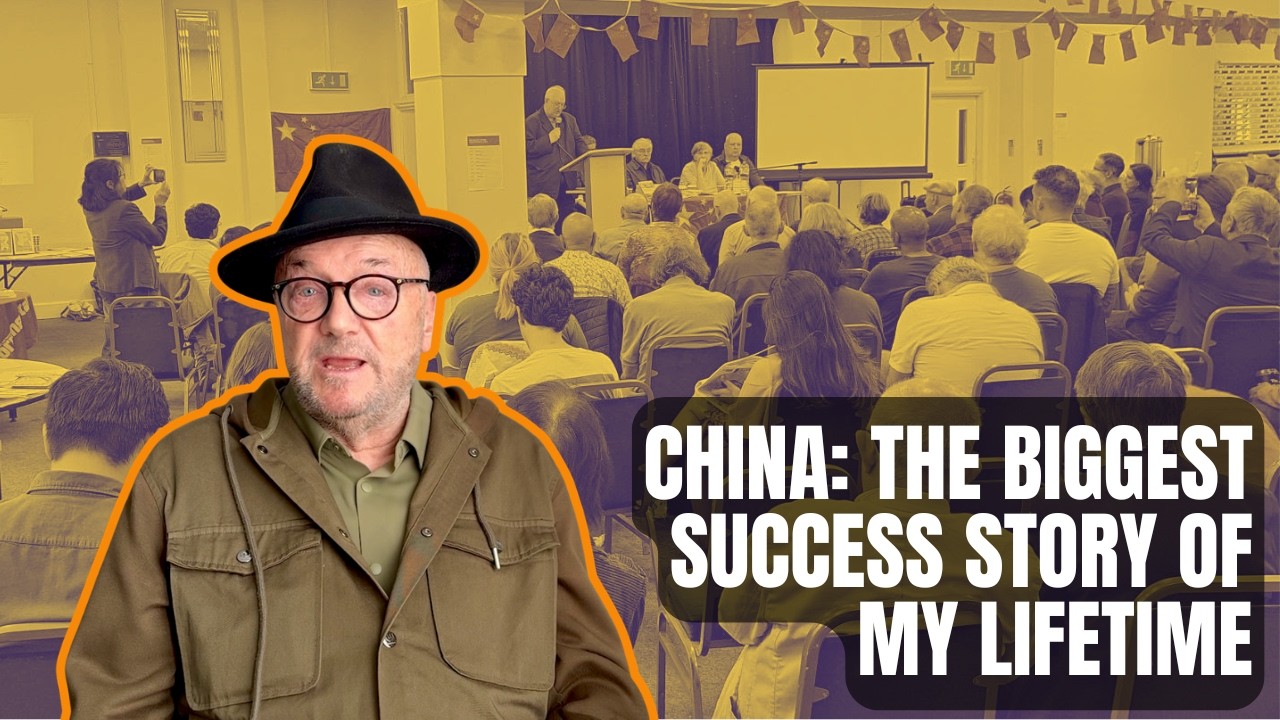
George Galloway argues that China's development stems from state direction and Communist Party leadership, contrasting its regional equity with British abandonment.

MI5's espionage alert against a Chinese research institute is debunked as baseless fearmongering, exposing a double standard where Western universities partner openly with military and intelligence agencies while Chinese civilian research is branded espionage.

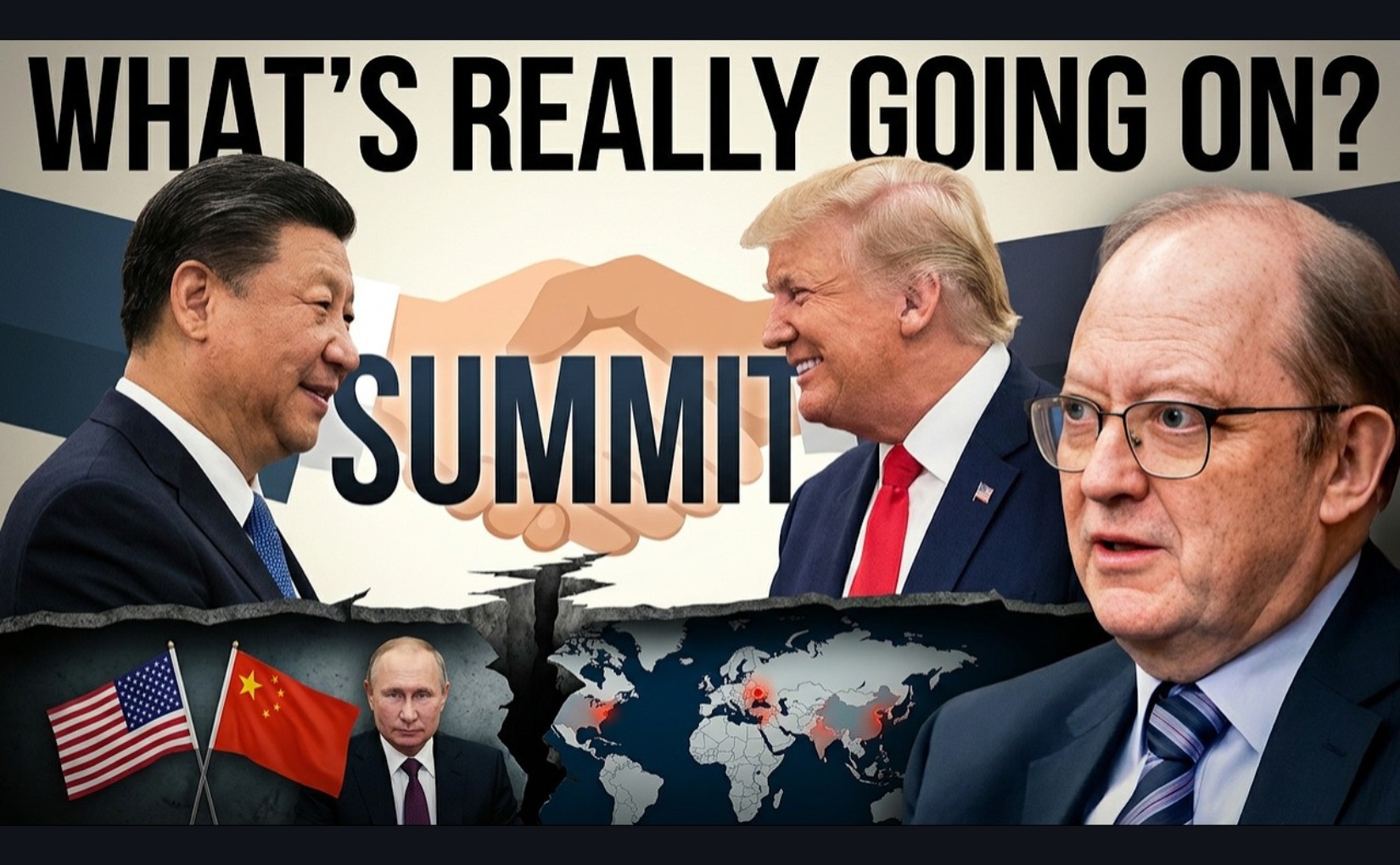
Ambassador Chas Freeman analyses the US-China summit, arguing that trade tensions, supply-chain vulnerabilities and military constraints make a strategic truce between Washington and Beijing increasingly unavoidable.

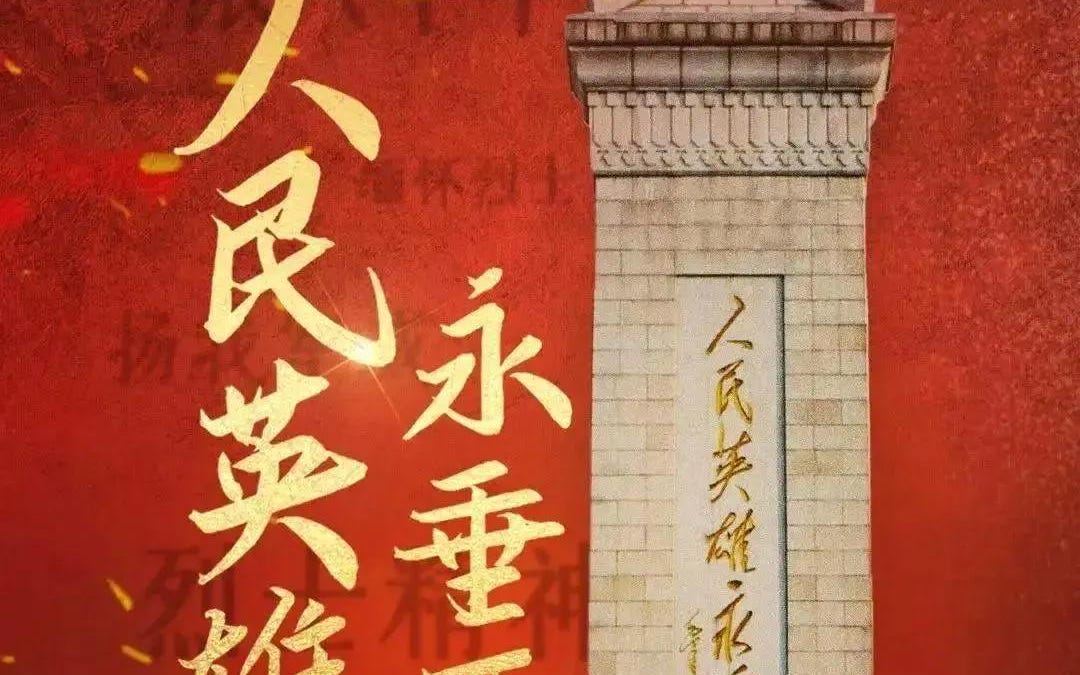
Imagining how Chinese communist martyrs would judge today's China, arguing the revolution remains unfinished and that China's development and anti-imperialist role should be defended by socialists worldwide.

Anti-Chinese sentiment in Lagos, framed as a grassroots backlash against Chinese retailers, is examined for signs of external social engineering behind the movement.

The speaker defines the 'fifth column' as an external enemy operating inside a state, then shows Chinese Canadians, academics, journalists and politicians all falling under suspicion, with loyalty checks on Hong Kong and Xi Jinping.

A National Day statement marking 77 years of the People's Republic of China, crediting Communist Party rule with rising life expectancy, the eradication of rural poverty, and the consolidation of sovereignty over Hong Kong and Taiwan.

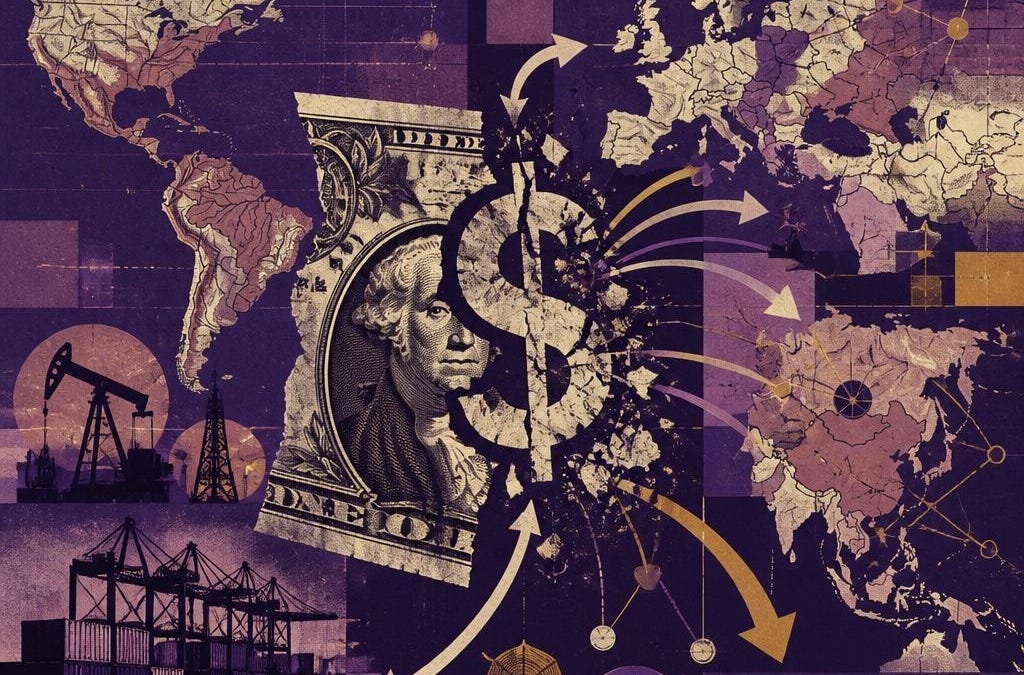
Financialization is analysed as a cog of US imperialism built on dollar hegemony after 1971, and de-dollarisation strategies within BRICS and the Global South are weighed as a political struggle against peripheral dependency.