


Article
The Idea of the 'Uyghur Genocide' and the Realities of Xinjiang
Traces how the 'Uyghur genocide' narrative emerged in Western media while presenting China's development and poverty alleviation efforts in Xinjiang.
1 of 16
Traces how the 'Uyghur genocide' narrative emerged in Western media while presenting China's development and poverty alleviation efforts in Xinjiang.
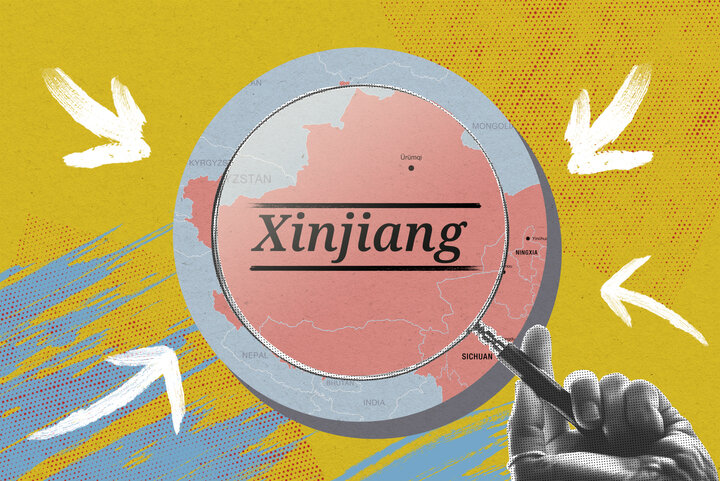
This compilation provides critical resources and context challenging Western narratives of genocide in Xinjiang as part of the U.S.-led geopolitical confrontation with China.
US President Joe Biden's administration has doubled down on the claim that China is mounting a genocide against the Uighur people in the Xinjiang region. But it has offered no proof, and unless it can, the State Department should withdraw the charge and support a UN-based investigation of the situation in Xinjiang.

The United States is imposing a hybrid war on China through economic sanctions and military pressure, as China develops technological self-sufficiency and global partnerships to resist American dominance.
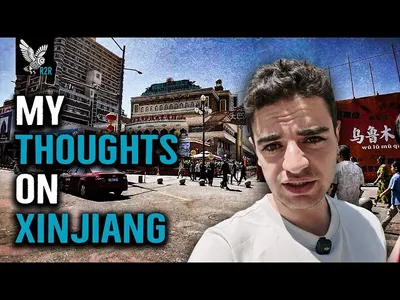
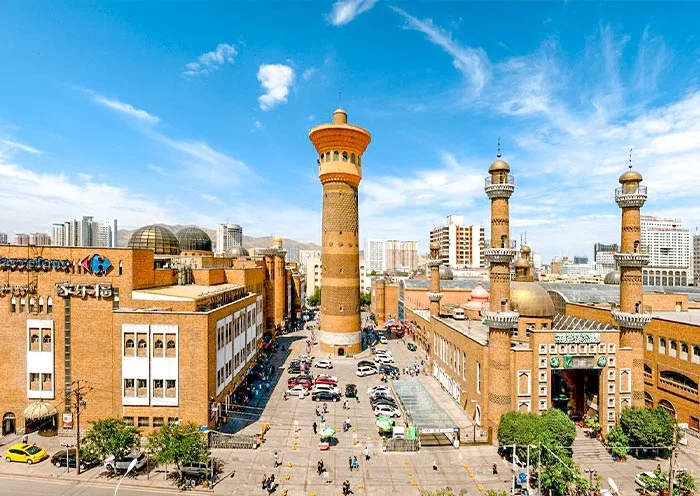
A correspondent visits Urumqi to observe daily life and challenge Western claims of oppression against the Uyghur minority in China.
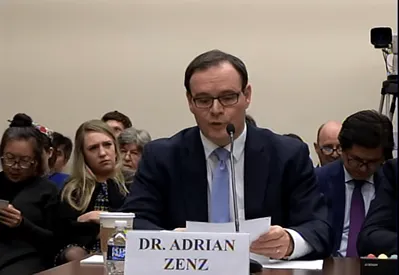
The Trump and Biden administrations have relied on the work of a right-wing religious extremist, Adrian Zenz, for their “genocide” accusation against China. A close review of Zenz’s research reveals flagrant data abuse and outright falsehoods.
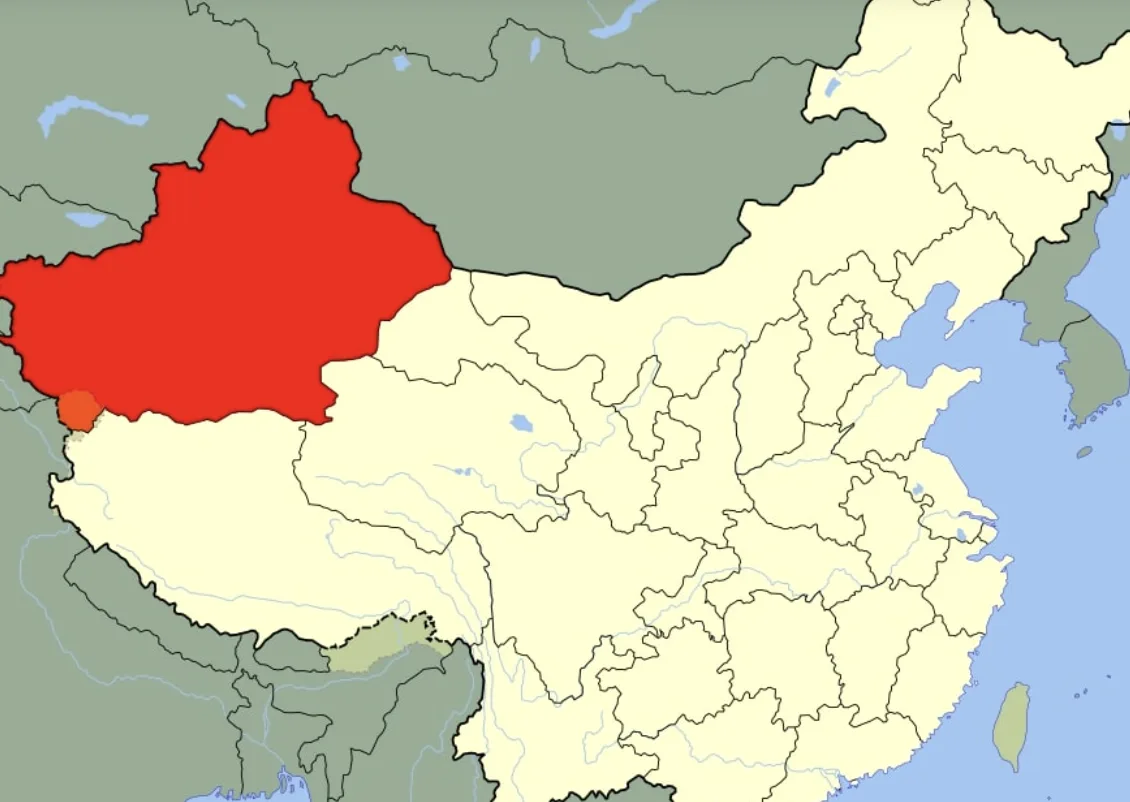
The genocide narrative against China in Xinjiang misuses a high legal standard to describe systematic human rights violations, since the intent to destroy the Uighurs as a group is absent; the US uses the accusation for Cold War purposes while accepting zero Uighur refugees.
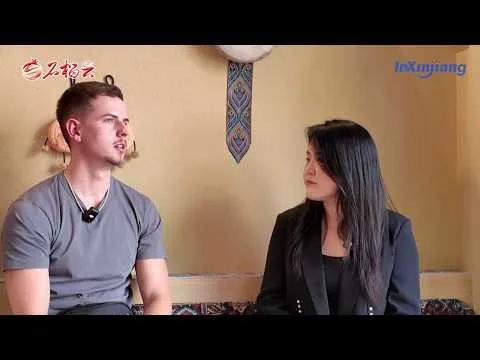
A young British communist activist travels to Xinjiang in April 2026 to independently assess the region, concluding that his on-the-ground observations fundamentally contradict the negative narratives perpetuated by Western mainstream media.
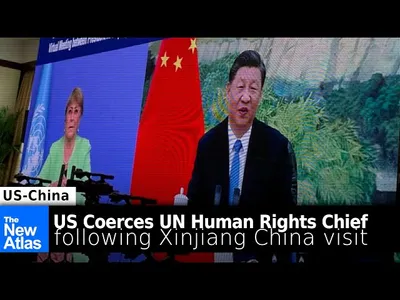
Argues that the US government is pressuring the UN human rights chief to reject her findings from a visit to Xinjiang, comparing current tactics against China to the disinformation campaigns used prior to the Iraq War.
Classified as a GONGO funded by the State Department, the NED was launched in 1983 after Church Committee investigations. In 2025, China topped targets with $13 million; in 2024, Russia led with $16 million.
Carl Zha discusses his recent trip to Xinjiang, examining tourism's economic role, development initiatives, and challenging Western narratives about Uyghur rights.
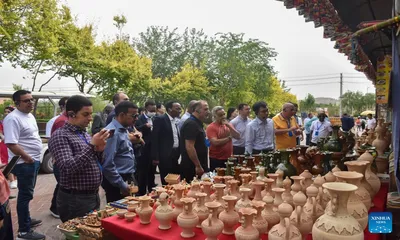
A delegation from the Arab League visited Xinjiang and rejected Western allegations of ethnic genocide and religious persecution, citing evidence of regional stability, cultural preservation, and economic development.
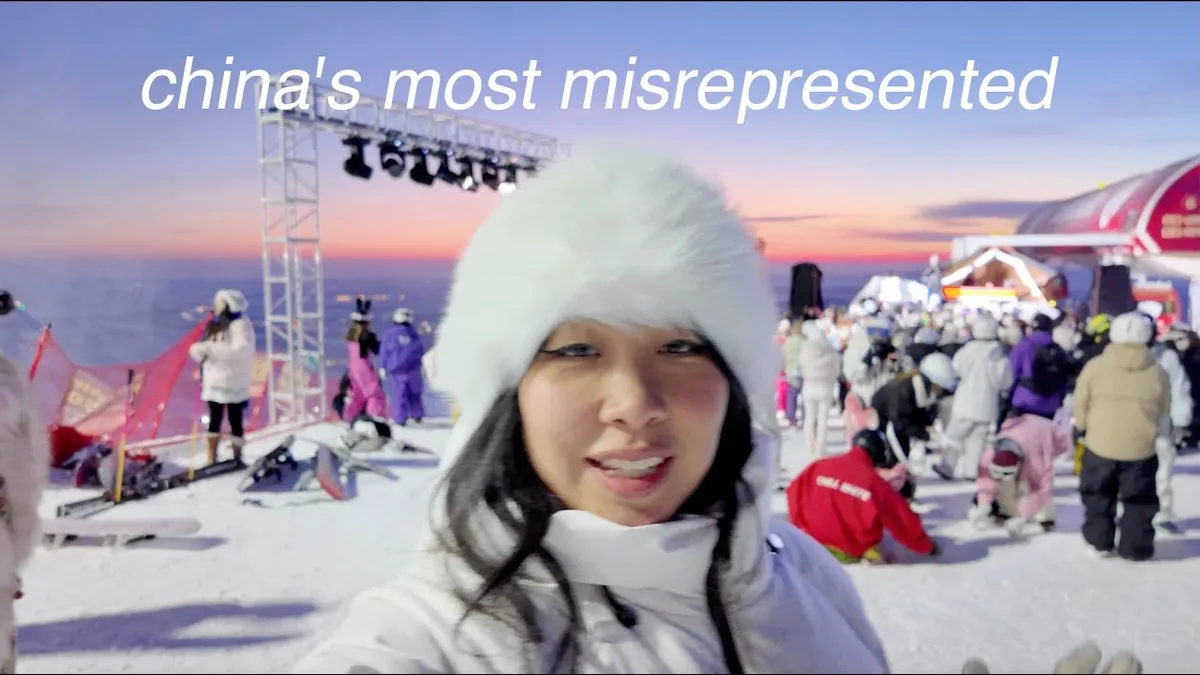
A personal travel account describing a visit to Xinjiang with local friends, highlighting the beauty of the region's culture and daily life while addressing questions about cultural preservation.
Danny Haiphong analyzes China's rise, U.S. imperial aggression toward China, and the propaganda campaigns fueling a new Cold War.
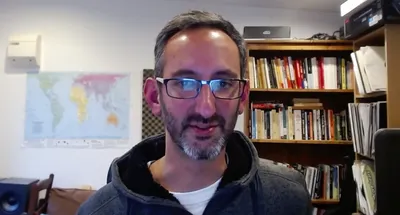
Carlos Martinez claims US accusations against China's treatment of Uyghurs aim to strengthen the military-industrial complex.