
Anti-imperialismGeopoliticsResistanceMarxismPhilosophyArt & Culture
💴 BRICS
Resources About Topic
The Tricontinental
Qiao Collective (桥)
Reason2Resist with Dimitri Lascaris
BreakThrough News
Dr. Jason Hickel
Journal of International Solidarity
The New Atlas
Rev Left Radio
Wenhua Zongheng (文化纵横)
The Red Nation
Geopolitical Economy Report
Dr. Radhika Desai
India and Global Left
Propaganda & Co.
Colonial Outcasts
Friends of Socialist China
Monthly Review
The Cradle
African Renaissance Podcast
Return to Bandung
Agrarian South Network
Orinoco Tribune
Dr. Adnan Husain
Dr. Jeffrey D. Sachs
The Grayzone
Elina Xenophontos
Neutrality Studies
Hood Communist
Peoples Dispatch
Progressive International
Mint Press News
Empire Watch Media
Voice of the Proletariat
Tricontinental Political Economy
International People's Assembly
Second Thought
International Development Economics Associates
Guerrilla History
Inner City Left
The Dialectics of Destruction
The Anti-Empire Project
Browse all items
📕 194 articles · 📙 2 books · 🎧 27 podcasts · 👁️ 190 videos

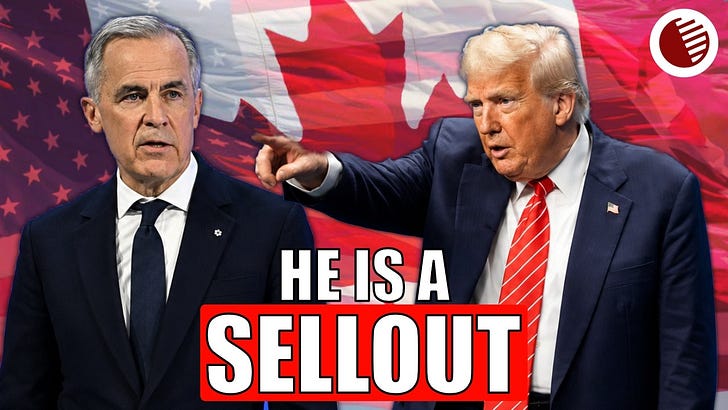
Dimitri Lascaris argues Mark Carney's stand against Trump is a political scam, as Canada aligns with Washington on military spending, the digital services tax and the war on Iran while fast-tracking energy projects for US capital.

An interview arguing that contemporary China remains fundamentally socialist despite market reforms, and that its rise, alongside Brazil and the BRICS, is driving a multipolar transition away from US-led imperialism.

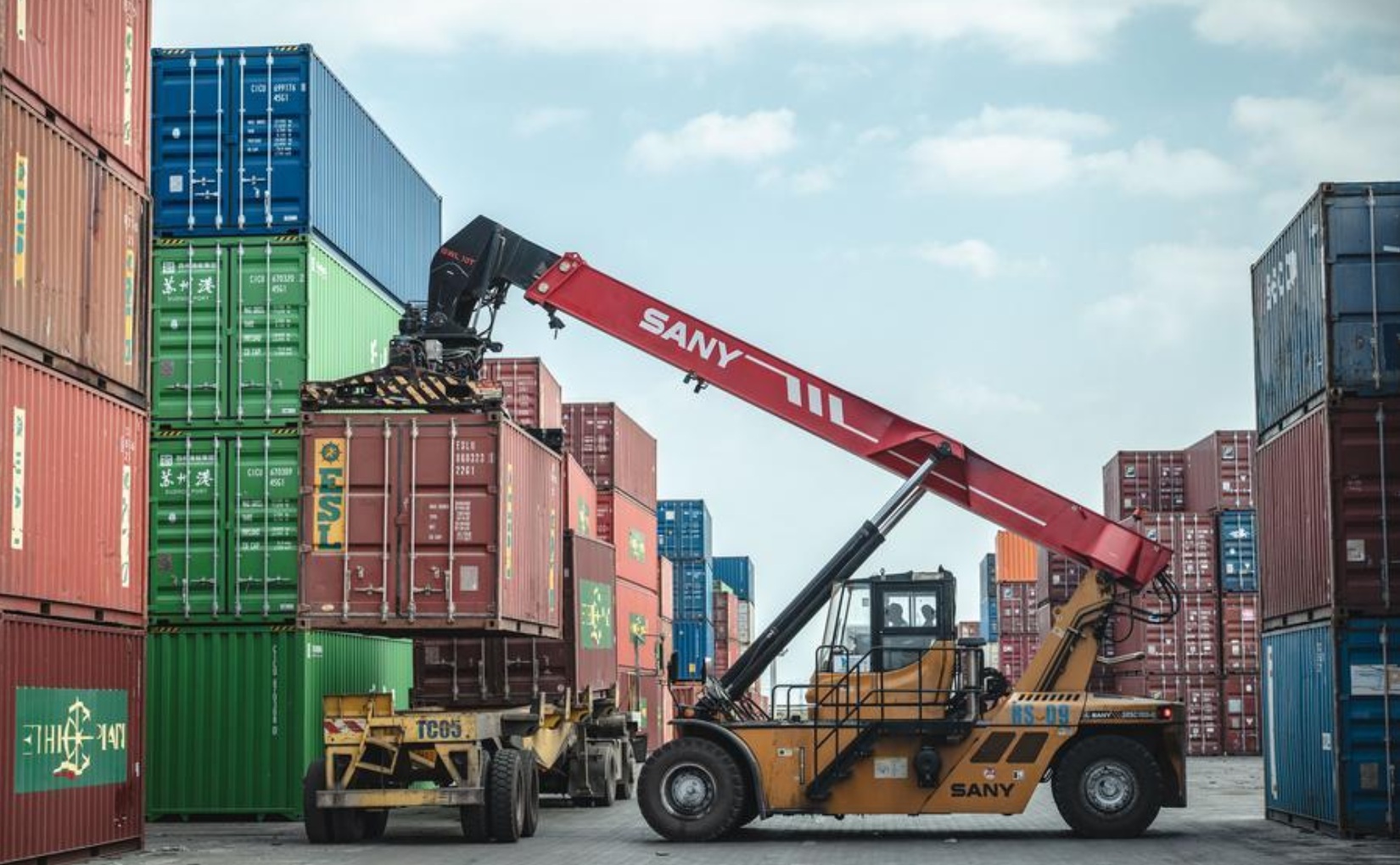
Ryan Perkins examines how the US, China and Russia are competing for influence in Central Asia through rival transport corridors, the Belt and Road Initiative, and the Moscow-Beijing partnership.

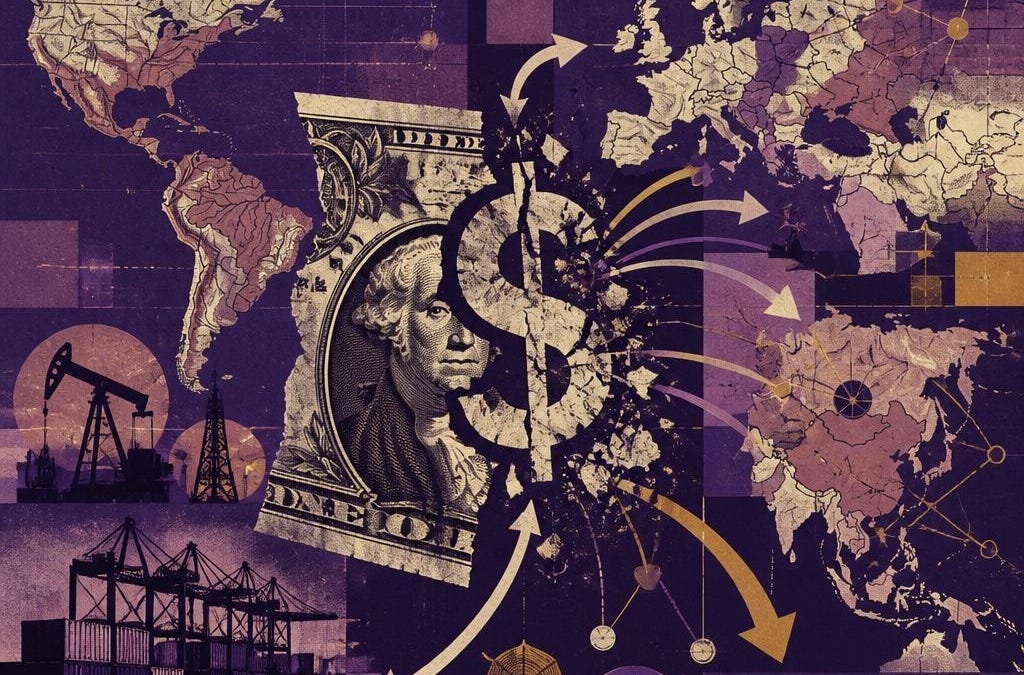
Financialization is analysed as a cog of US imperialism built on dollar hegemony after 1971, and de-dollarisation strategies within BRICS and the Global South are weighed as a political struggle against peripheral dependency.

A discussion of India's student-led protests over exam paper leaks and youth unemployment, the BJP's Hindu nationalist and patronage strengths, the left's role in class struggles, and India's ties with Russia and China at BRICS and SCO summits.

A cognitive-evolutionary reading of BRICS+ as a metastable Community of Practice rooted in the Bandung Spirit, arguing its diversity drives cohesion and outlining the institutional, financial and ecological challenges facing the 2027 summit.

Historian Jeff Rich argues that a peaceful multipolar order requires states to challenge US unilateralism while deepening practical cooperation under the UN Charter, weighing civilisation states, BRICS and the limits of empire.

A discussion of Trump's threatening UN speech on Iran, the ICC's findings of Israeli war crimes in Gaza, and new US sanctions targeting Iranian airlines and sovereign wealth.

BRICS expansion gives African states a seat as co-architects of global rules, offering development finance without the conditionalities of Bretton Woods and shifting the continent from subject to shaper of governance.

BRICS states condemn Gaza's destruction in summit declarations yet keep trading with Israel, with India supplying weapons components and China, Russia, Egypt and Indonesia raising exports.

US financial colonialism uses the dollar, sanctions and control over oil revenue to dominate countries like Iraq and Venezuela, while BRICS and yuan oil sales push back against the petrodollar system.

Nicaragua's Sandinista government frames its social and economic gains, constitutional reforms and sovereignty defence as a second, definitive independence aligned with a multipolar world order led by China, Russia and BRICS.

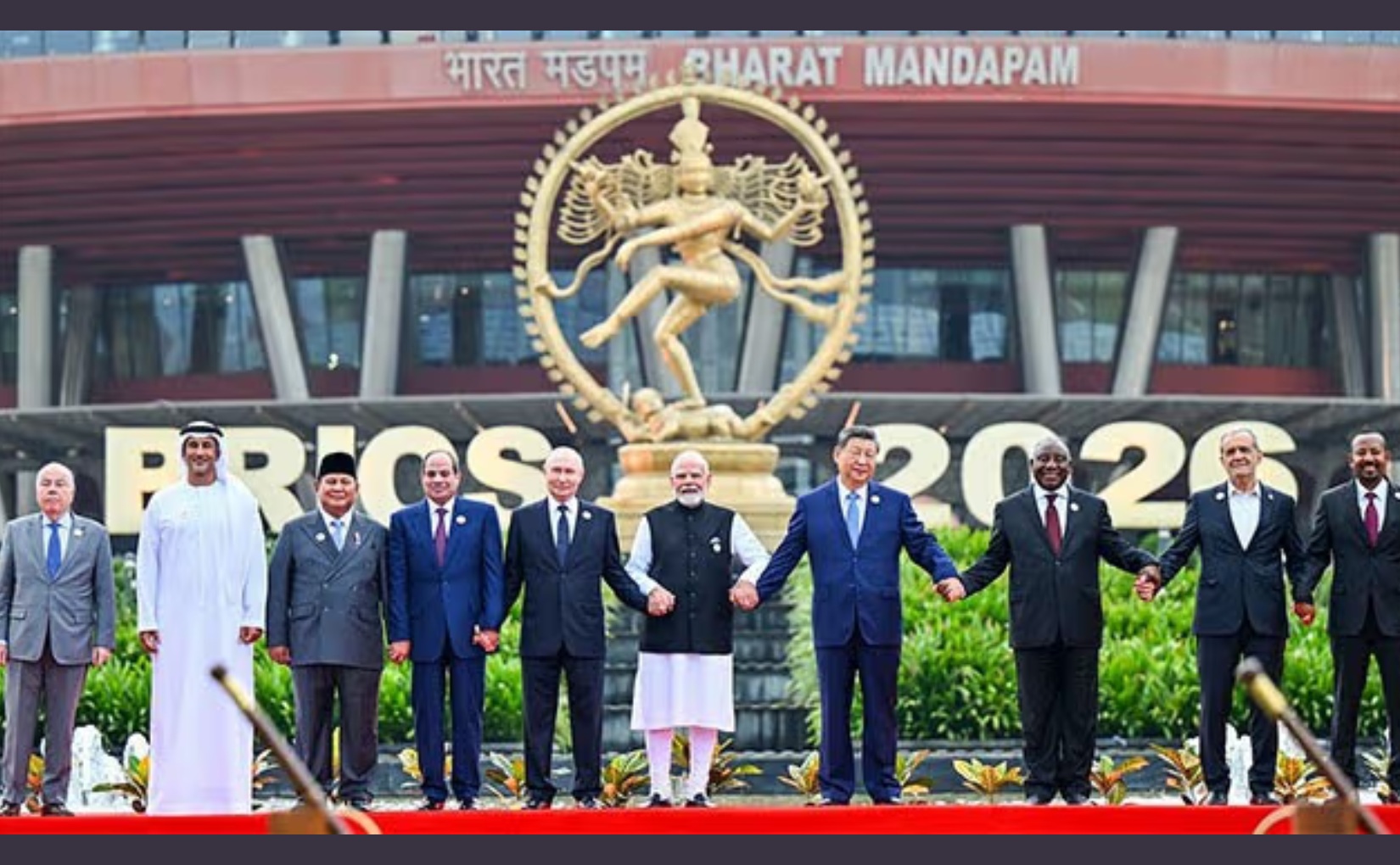
BRICS leaders at a New Delhi summit adopted a joint declaration urging maximum restraint in the US-Iran war, backing Palestinian statehood and local-currency trade while failing to condemn US aggression.

Record US diesel prices and Trump's demand that Ukraine halt strikes on Russian refineries are examined, alongside a review of the BRICS 2026 summit declaration's anti-imperialist commitments.

Professor Anuradha Chenoy examines BRICS and the Shanghai Cooperation Organisation in a multipolar world, covering India-Russia ties, nonalignment's Bandung legacy, sanctions, and proposals for national currency trade and alternative payment systems.

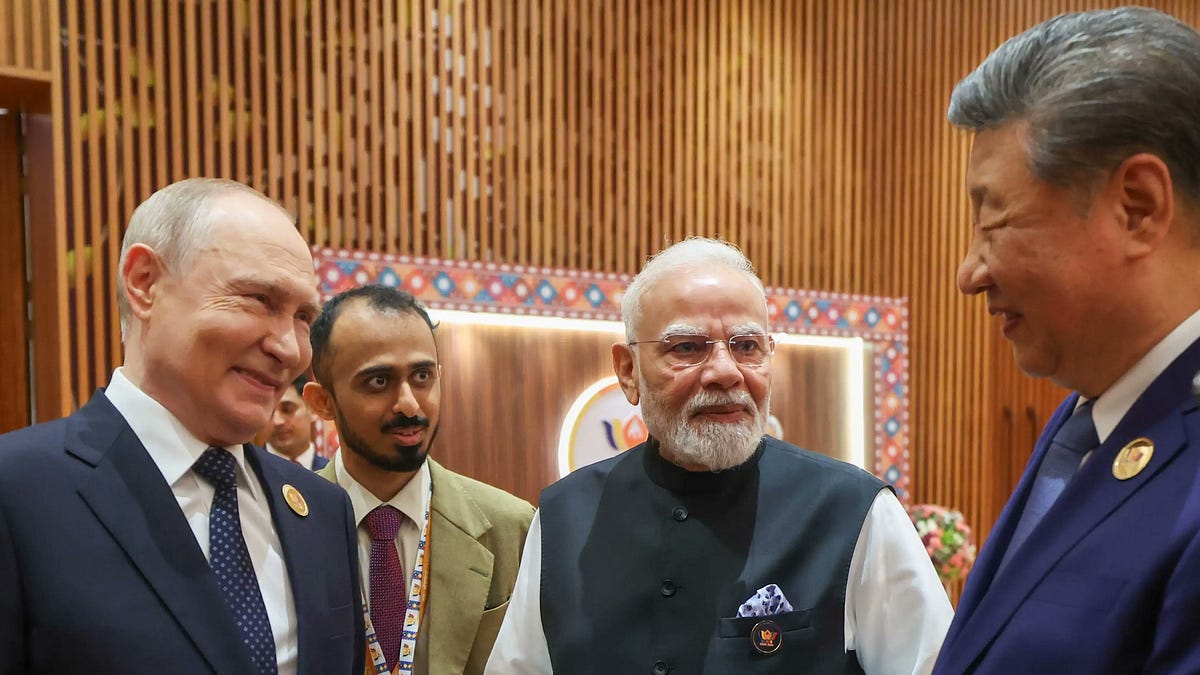
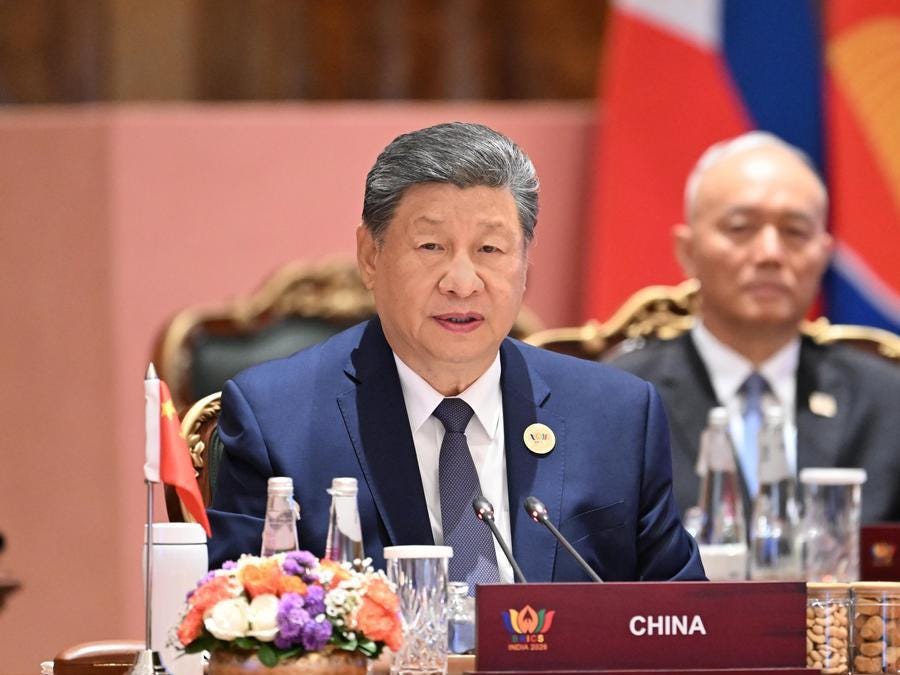
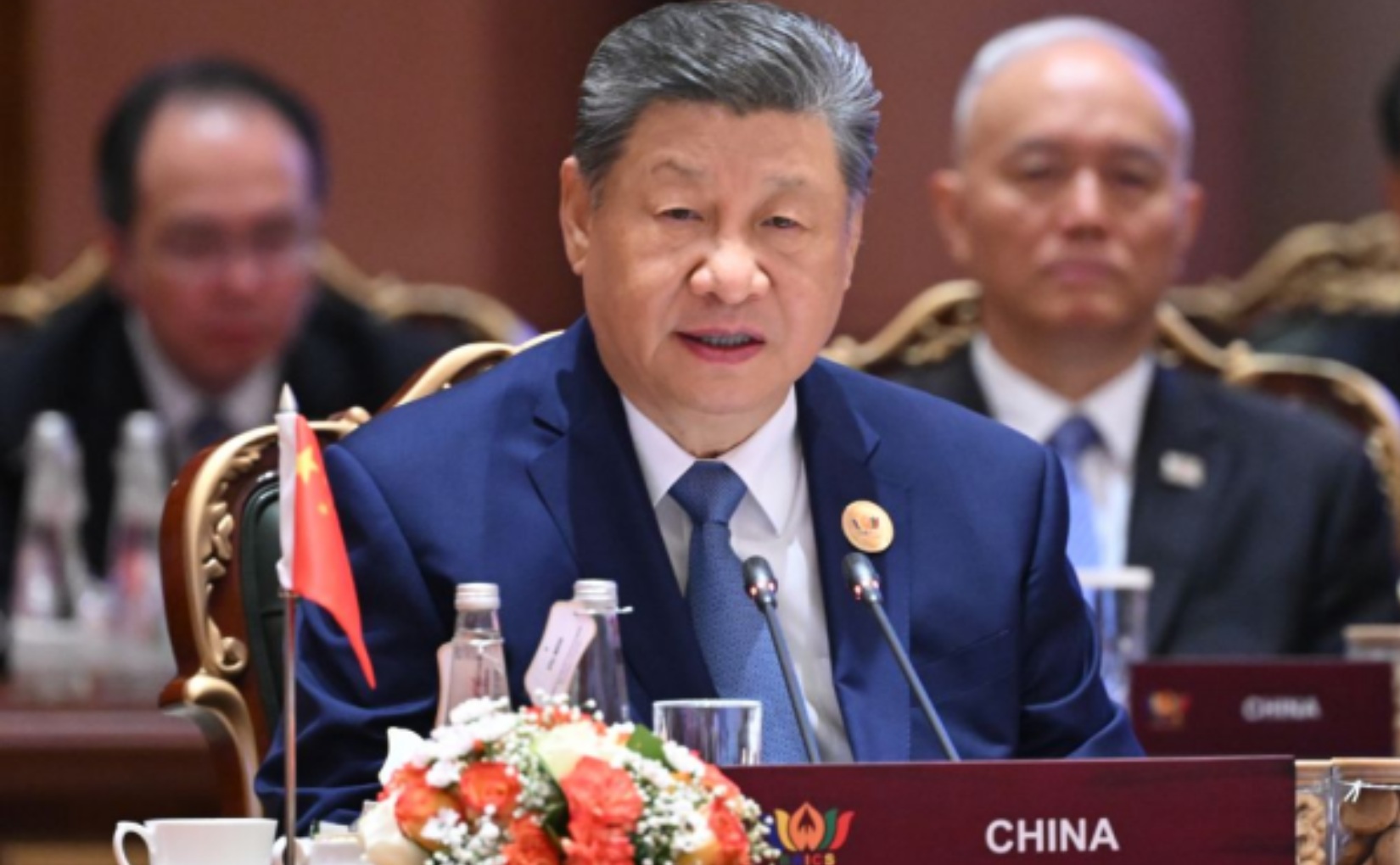
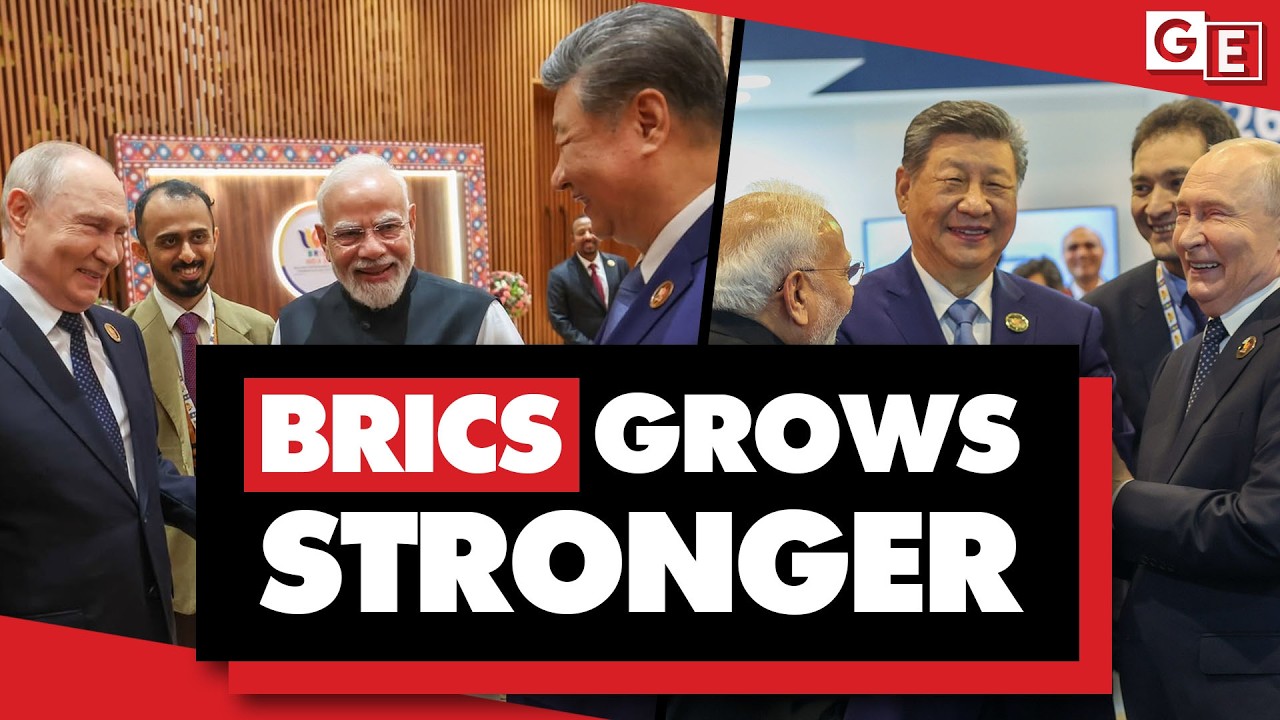
At the 18th BRICS Summit in New Delhi, Chinese President Xi Jinping called for greater BRICS cooperation and proposed five initiatives spanning AI, trade facilitation, digital industry, intelligent manufacturing, and tech talent.

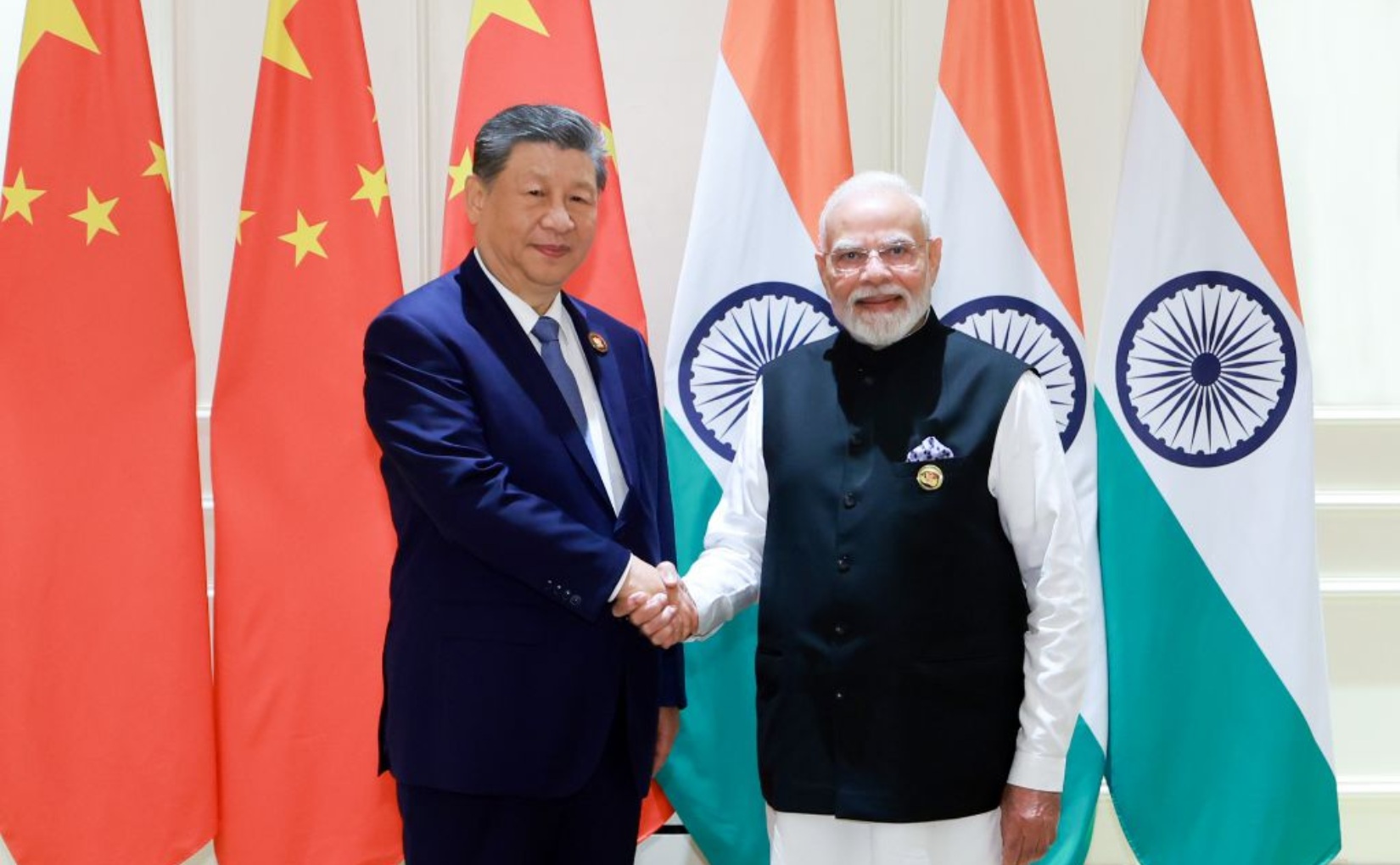
US pressure on BRICS has pushed China, India and Russia closer together, as the bloc expands and pursues local-currency payment systems to challenge dollar dominance.

Ambassador Chas Freeman examines whether China's foreign policy is fundamentally defensive or increasingly assertive, and how BRICS expansion reflects a shifting multipolar order.

A discussion of internal BRICS tensions over Ansar Allah's defeat of Saudi-backed forces in western Yemen, plus US threats of secondary sanctions on India and China and the North-South Transport Corridor.

Xi Jinping attends the 18th BRICS Summit in New Delhi on September 12-13, his first India visit since October 2019; BRICS now counts 11 members and 10 partners, and its Xiamen innovation center has backed over 100 projects worth 62 billion yuan.

Brazilian-Canadian Marxist educator Socialista Champagne discusses Brazil's election stakes, US interference and BRICS, the anti-NATO left in Europe, and Sahel sovereignty and multipolar shifts.

Dr. Ladislav Zemánek examines Russia's relations with Japan, Europe's sanctions policies, and the shifting global balance of power, arguing that BRICS and Eurasian partnerships expand countries' options rather than forming a unified anti-Western bloc.

Alex Christoforou discusses the collapsing Ukraine front lines, Europe's escalation, EU centralization, elite networks, US power, and Russia's shift toward BRICS and China.

As the US tightens its oil embargo on Cuba, the author urges BRICS nations to send fuel to the island, framing the blockade as genocide and calling for multipolar action to counter US aggression.

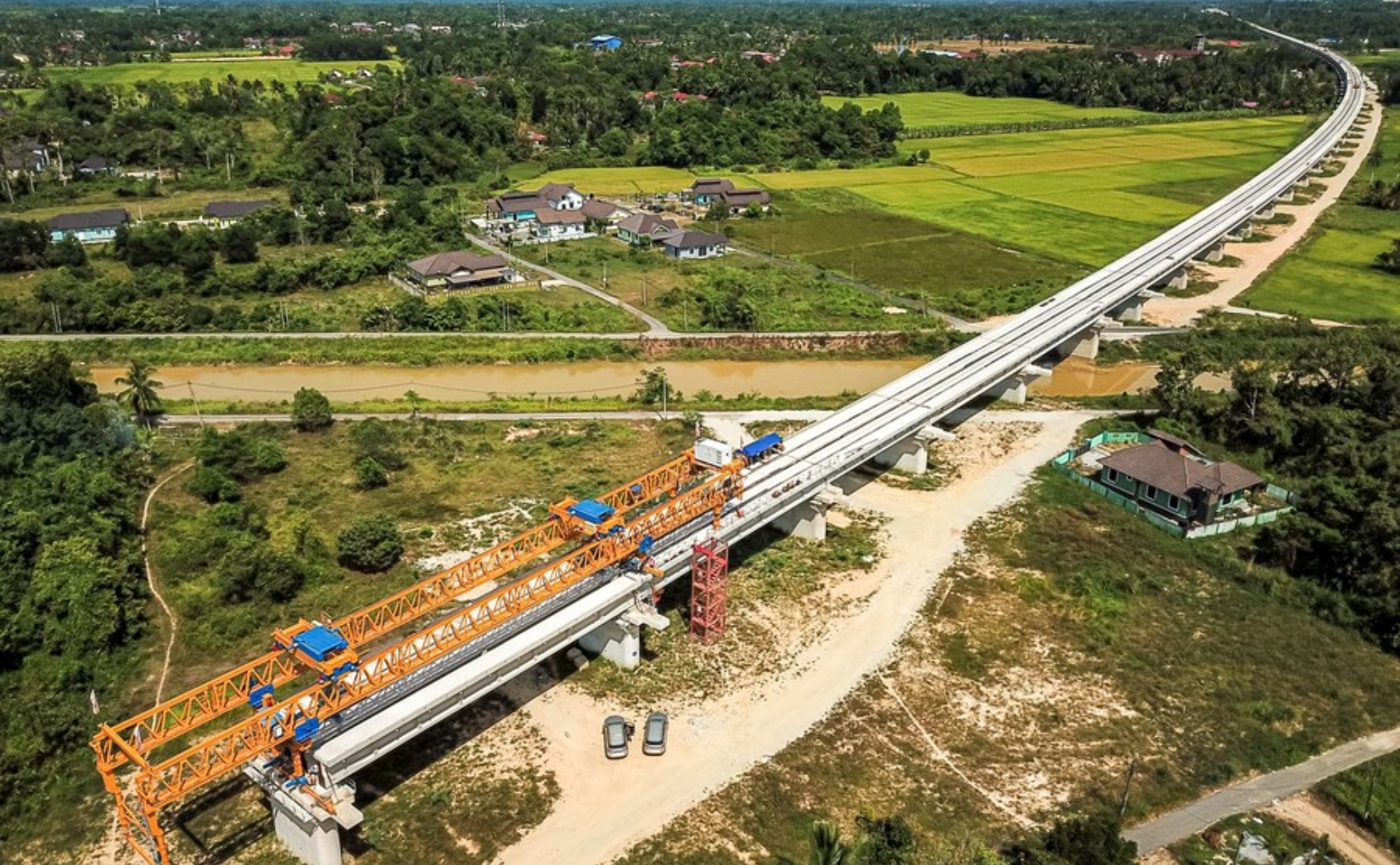
New peer-reviewed research finds BRI participation reduces debt risk and corruption, as infrastructure investment boosts productivity and tax bases, contradicting the 'debt trap' narrative.

The US seeks to maintain global primacy by destabilizing the multipolar world, but China's rise and BRICS-led alternatives may outpace US efforts to topple the gameboard.

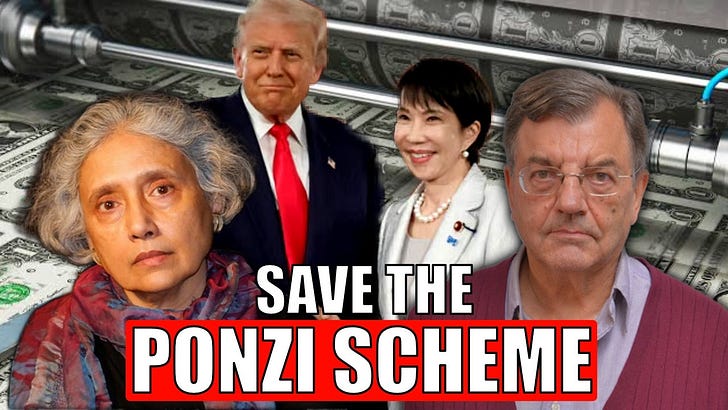
The US intervention to prop up the yen masks desperation to save the dollar system, which the yen's weakness threatens via the carry trade; the ECB now holding more gold than dollars signals dollar fatigue.

The US Treasury's quiet yen bailout reveals deep structural flaws in the dollar system, as Washington fears foreign sales of its bonds could trigger a debt crisis.

China has effectively won its long-term race with the United States and now focuses on expanding its lead, reshaping global governance and cooperation.

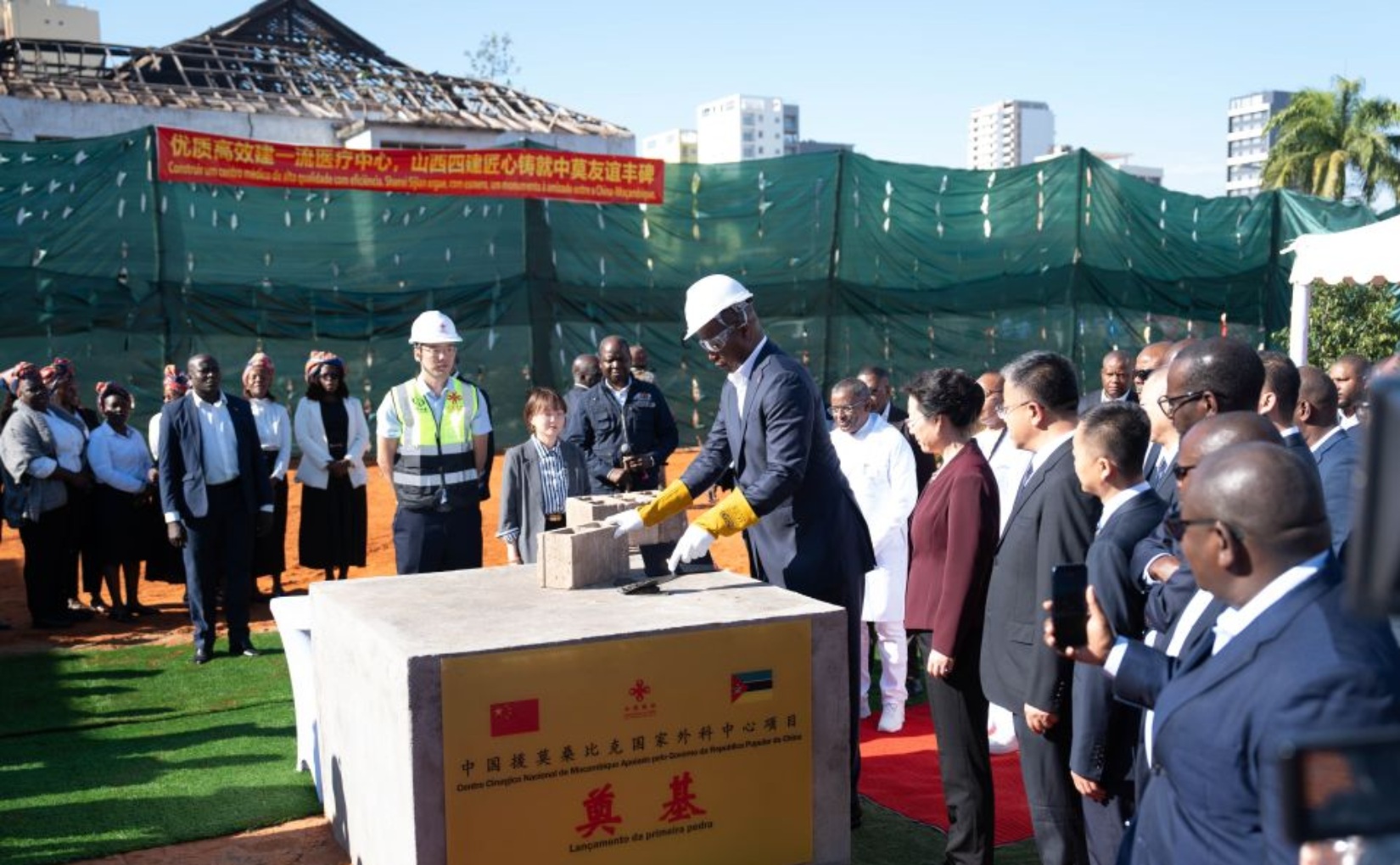
China's development projects across southern and central Africa, from healthcare to wind energy and lithium processing, are deepening ties and economic cooperation.


![[comra]](/directus-assets/721a5e66-83d0-41e9-8ee4-59ae9a4f99bd.937451d6-1200.webp)