


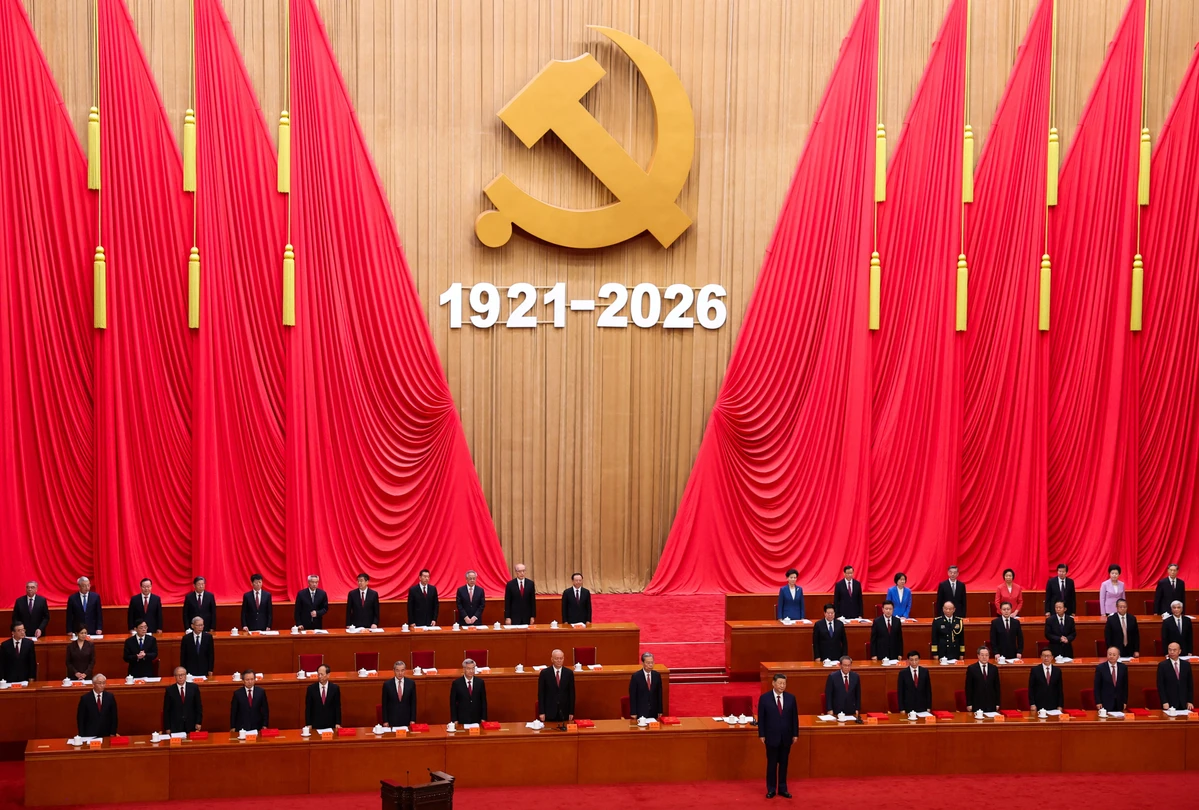

Article
Socialism with Chinese Characteristics—Introductory Study Guide

This introductory study guide explains China's political economic philosophy of Socialism with Chinese Characteristics, its development, and governance under CPC leadership.
1 of 17
This introductory study guide explains China's political economic philosophy of Socialism with Chinese Characteristics, its development, and governance under CPC leadership.
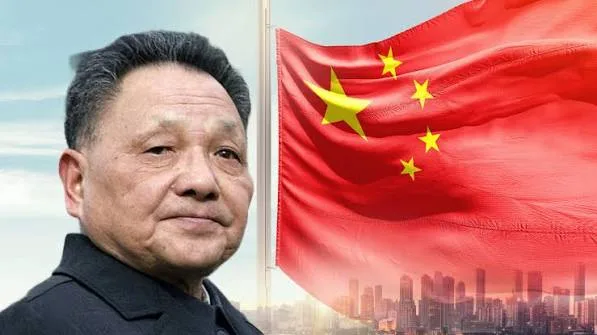
Deng Xiaoping explains why China must adhere to Marxism and socialism, integrating them with Chinese conditions to develop productive forces and achieve a relatively comfortable living standard.
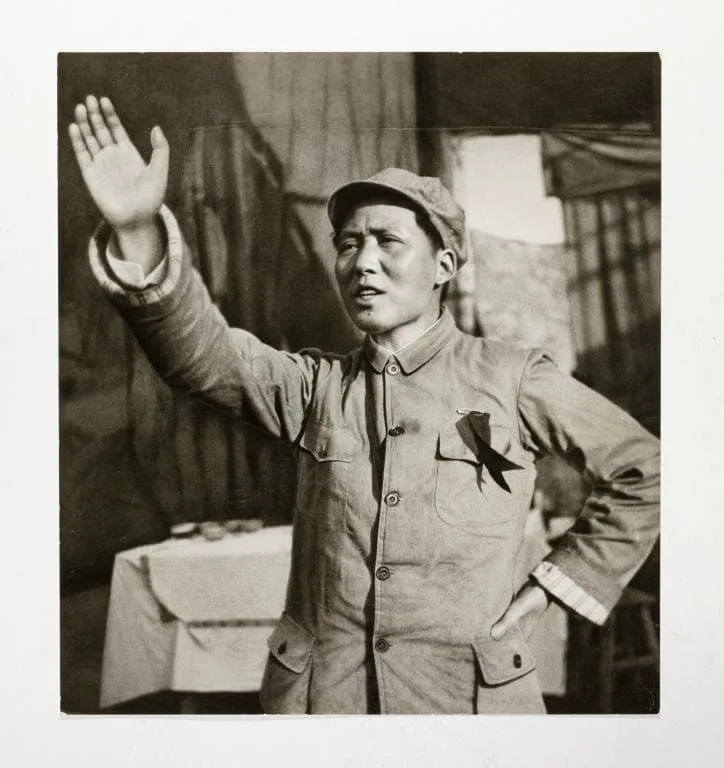
Knowledge arises from social practice, develops from perception to rational understanding, and must be tested in practice, unifying knowing and doing.
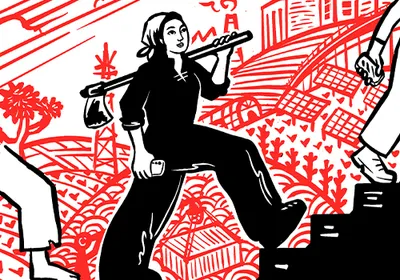
Chinese modernisation, a socialist process under Communist Party leadership per Xi Jinping, advanced from 1949-1978 foundations through 1978-2013 reform and opening up to the post-2013 era of common prosperity and high-quality development.
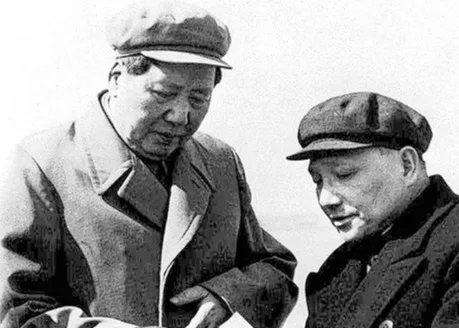
Deng Xiaoping argues that genuine Mao Zedong Thought, taken as an integral whole, should guide the Party, army, and people, and stresses Party building theory shaped in the Yan'an rectification movement, countering Lin Biao's and the Gang of Four's distortions.
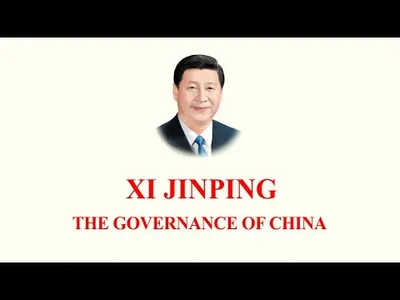
Summarizes key points from Xi Jinping’s four-volume work, outlining his Marxist-Leninist framework for China’s development and global strategy.
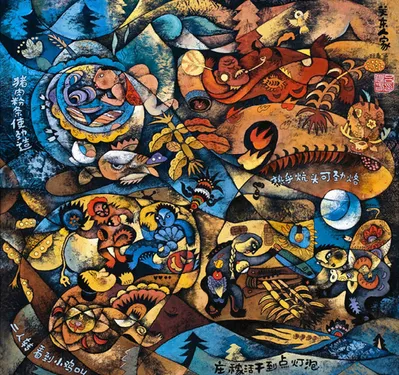
Examines the evolution of socialism from its European origins to new 21st-century forms, highlighting China's development path as a model that aims to surpass capitalism.
Mao Tsetung's 1956 speech outlines ten contradictions in socialist construction, urging balanced development of industry and agriculture, and mobilizing all positive forces for building China.

Argues that China's market socialism is not a restoration of capitalism but a Marxist-Leninist development strategy that prioritizes developing productive forces, and that within the context of global inequality, China's rise is reducing international disparities and challenging Western dominance.
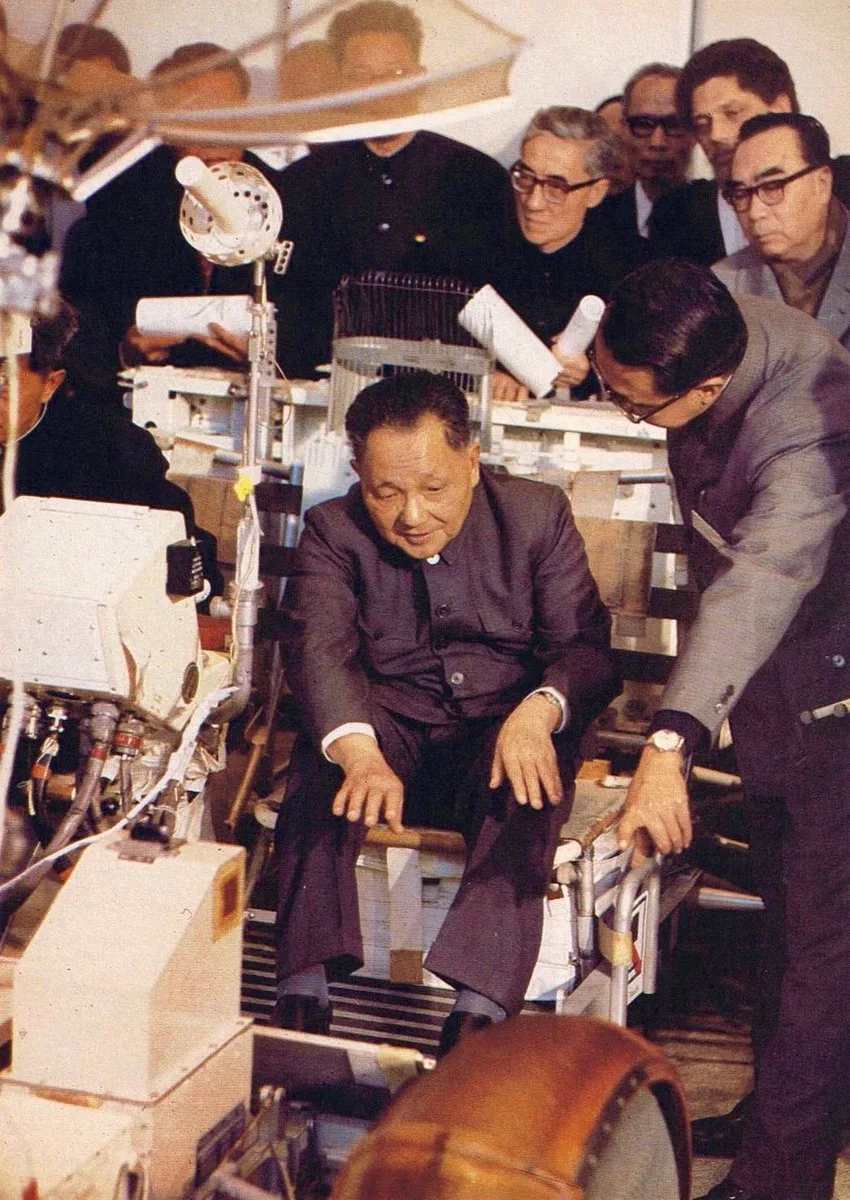
Deng Xiaoping outlines specific methods for implementing the socialist principle of distribution according to work, addressing pay scales, evaluations, rewards and penalties.
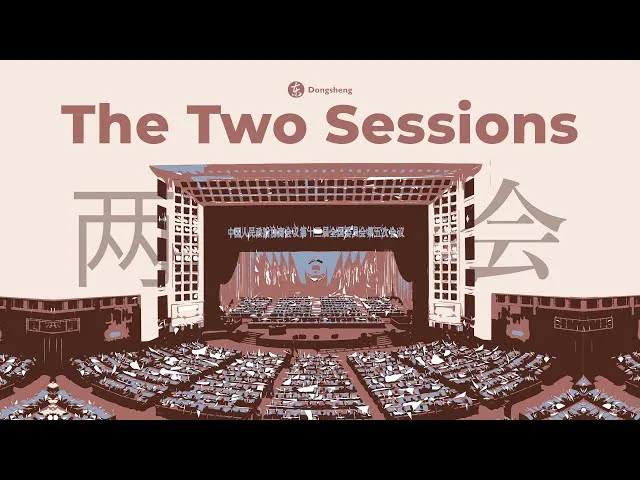
The Two Sessions, or Lianghui, are the simultaneous annual meetings of the NPC and CPPCC, where the NPC reviews laws while the CPPCC provides suggestions. They also serve as a key platform for discussing national policies and plans, including economic and social development goals, thus shaping laws that affect citizens' daily lives and symbolizing China's socialist democracy.
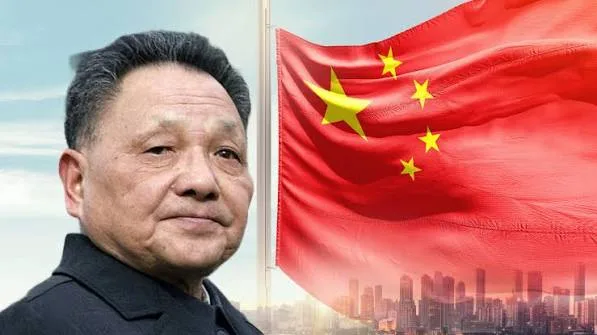
China's modernization requires developing productive forces and can incorporate a socialist market economy without abandoning socialism, asserting that market mechanisms are compatible with a planned socialist framework.
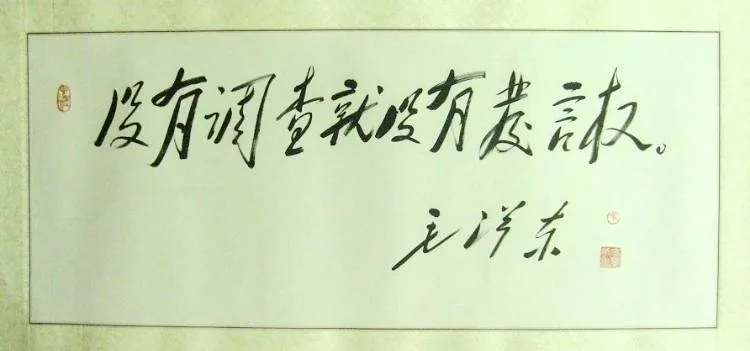
Mao Zedong argues against dogmatic book worship, insisting that effective problem-solving and correct revolutionary tactics require investigating actual social conditions.

Argues that socialism is inherently experimental, with China's Reform and Opening Up representing a major continuation of this tradition throughout history.
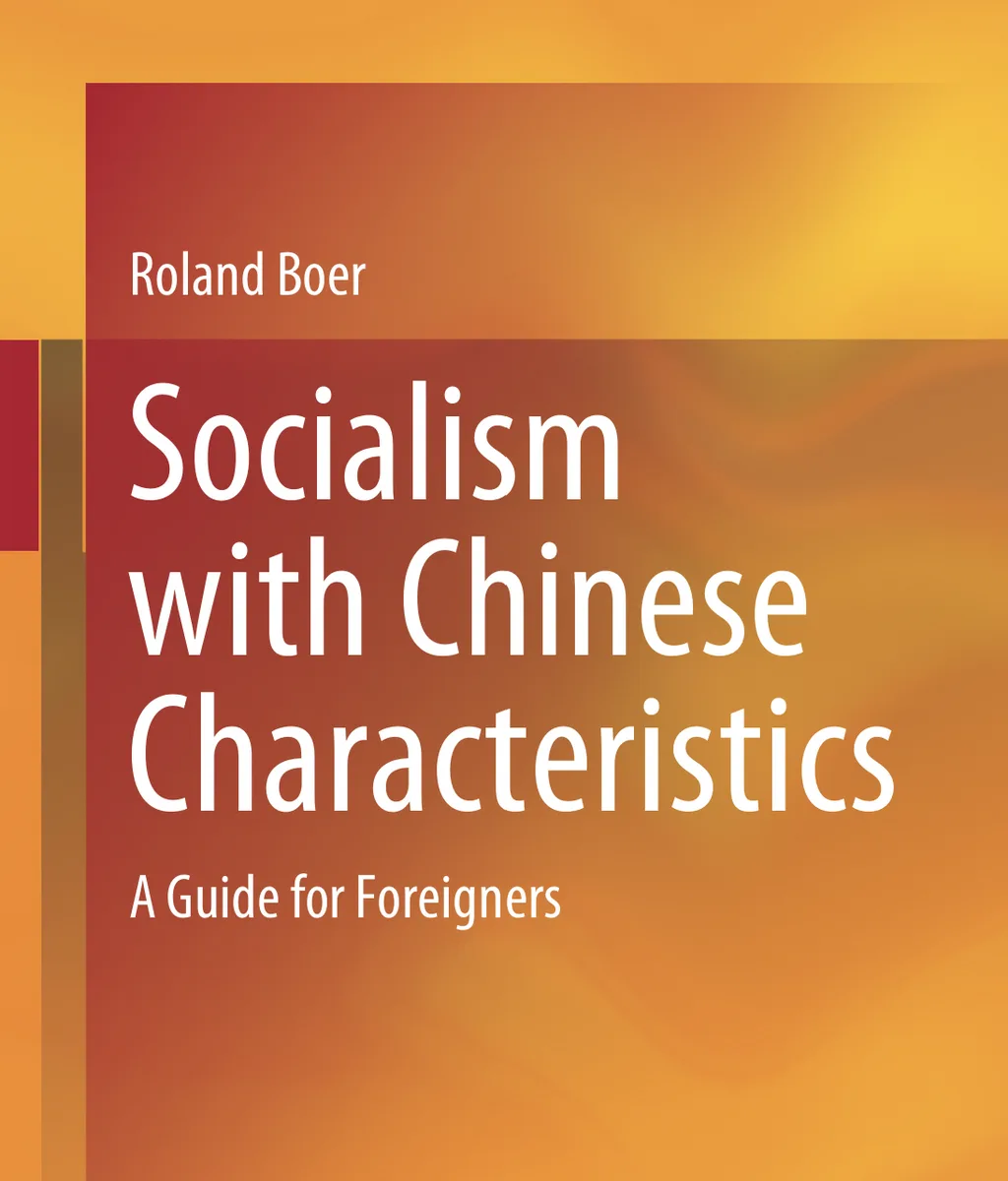
Roland Boer's book uses Chinese Marxist scholarship to explain socialism with Chinese characteristics, arguing that Marxism is China's 'special skill' and that Western frameworks of analysis, including those of Western Marxists.
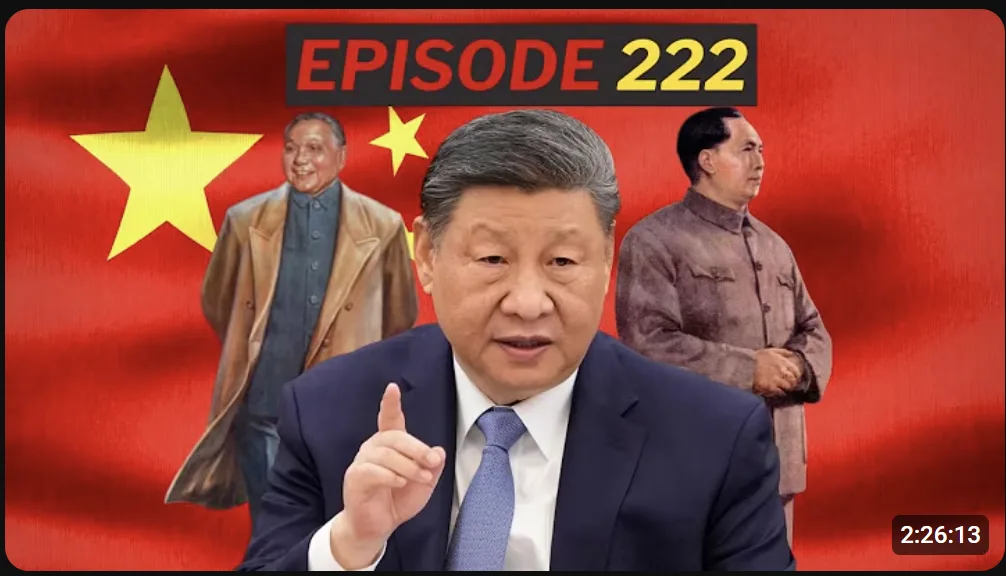
The hosts discuss China's socialist development, its economic growth, and the Western narrative surrounding it, alongside broader leftist critiques of capitalism and geopolitics.
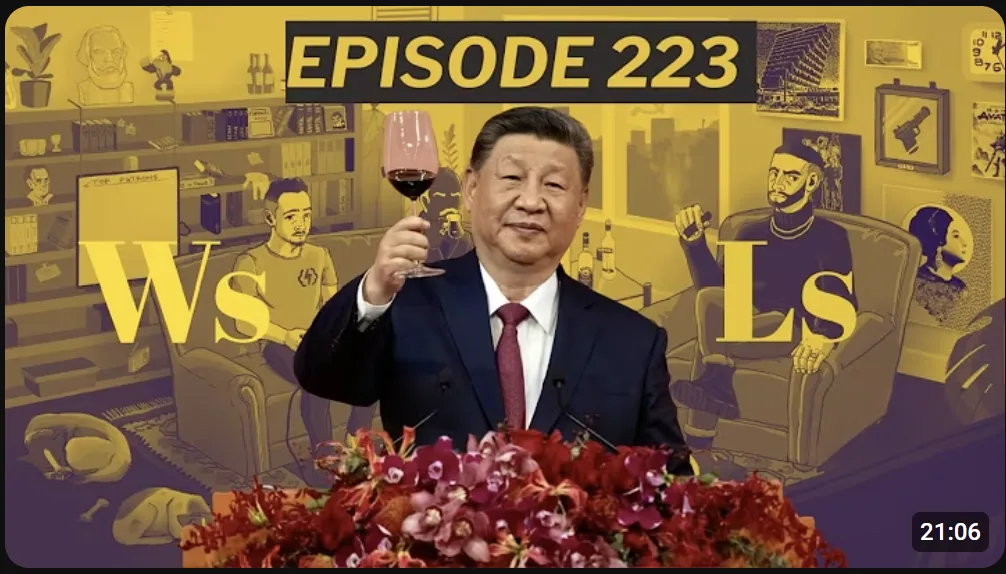
This exclusive Patreon episode of The Deprogram podcast serves as the show's second China episode, exploring the nation's history and current circumstances. It covers topics such as the Chinese Communist Party, economic development, and the political system, examining how these elements shape contemporary China and its trajectory.