
Anti-imperialismGeopoliticsResistanceMarxismPhilosophyArt & Culture
🌲 Ecology
Resources About Topic
The Tricontinental
Qiao Collective (桥)
Anti-Imperialist Scholars Collective
Reason2Resist with Dimitri Lascaris
BreakThrough News
Upstream Podcast
Dr. Jason Hickel
Journal of International Solidarity
The New Atlas
Rev Left Radio
Critical Theory Workshop
Wenhua Zongheng (文化纵横)
The Red Nation
Red Anti-Imperialist Collective
The Electronic Intifada
Geopolitical Economy Report
Dr. Radhika Desai
Free Palestine TV
India and Global Left
Propaganda & Co.
Colonial Outcasts
Friends of Socialist China
Monthly Review
African Renaissance Podcast
Return to Bandung
The Global Inequality Project
ProleWiki
Iskra Books
Agrarian South Network
Sovereign Media
Orinoco Tribune
Dr. Adnan Husain
Dr. Jeffrey D. Sachs
LANDBACK Action Network
The Grayzone
Neutrality Studies
The Resistance Archives
Coalition for the Elimination of Imperialism in Africa
Samidoun: Palestinian Prisoner Solidarity Network
Hood Communist
Peoples Dispatch
Hakim
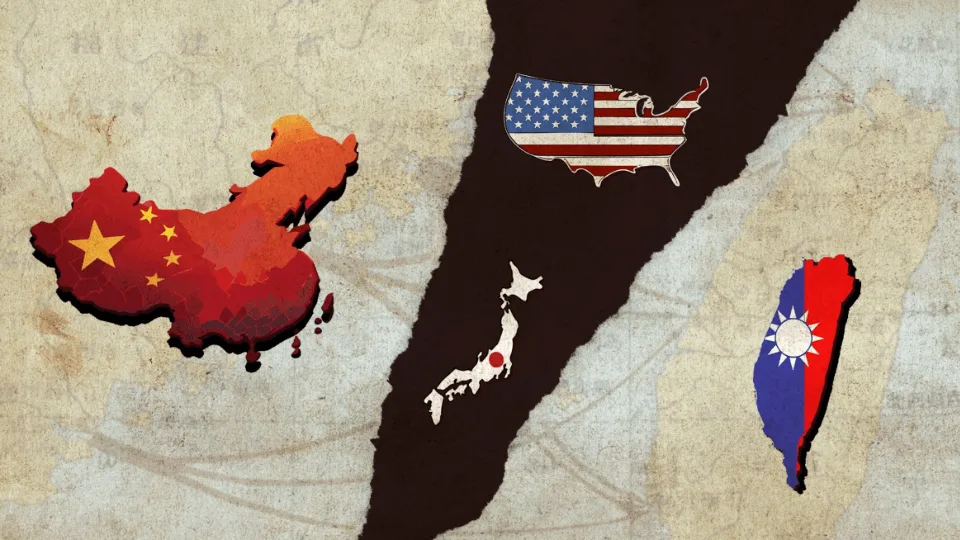
Strait Talk with Xiangyu
Working Class History
ProlesPod
Progressive International
Work Stoppage
Mint Press News
Caitlin Johnstone
Empire Watch Media
Climate Vanguard
Voice of the Proletariat
Red Pen
International People's Assembly
Proletarian Polemics
Amy Yang
The Triploi Podcast
Dr. Bikrum Gill
Second Thought
International Development Economics Associates
Socialista Champagne
Inkani Books
Guerrilla History
Guilhotina.info
The Dialectics of Destruction
The Anti-Empire Project
The East is a Podcast
Browse all items
📕 711 articles · 📙 6 books · 🎧 289 podcasts · 👁️ 244 videos

Bikrum Gill, guest on the podcast discussing his book on the political ecology of colonial capitalism, contrasts China, which resolved its agrarian question to guarantee national sovereignty, with India, which has not.

Hangzhou, a 12.7-million-person megacity whose digital economy is 29.5 percent of GDP, hosts DeepSeek and Unitree, yet Zhejiang's data-service electricity use rose 159 percent in 2025, prompting a 1.2 power-usage ceiling on new data centres.

More than 400 guests attended the Chinese Embassy's 77th national day reception in Ottawa, where Senator Victor Oh recounted Uyghur children in Urumqi saying they wanted to be doctors and Rob Oliphant affirmed Canada's One China policy.

A discussion of how Western capitalism's rise rested on appropriating Indigenous ecological worlds in the Americas, and how the agrarian question shaped Southern sovereignty and decolonisation.

Panellists at the Socialist China Conference contrast China's mass-consultation AI strategy and green industrial investment with Washington's oligarch-driven approach, arguing Beijing is building the infrastructure for a new productive paradigm.

Flávio Bolsonaro's first-round lead over Lula forces a runoff, as a guest analyses the hard right's silent campaign, the PT's losses, and the risks of a Trump-aligned presidency for Brazil, the Amazon and Palestine.

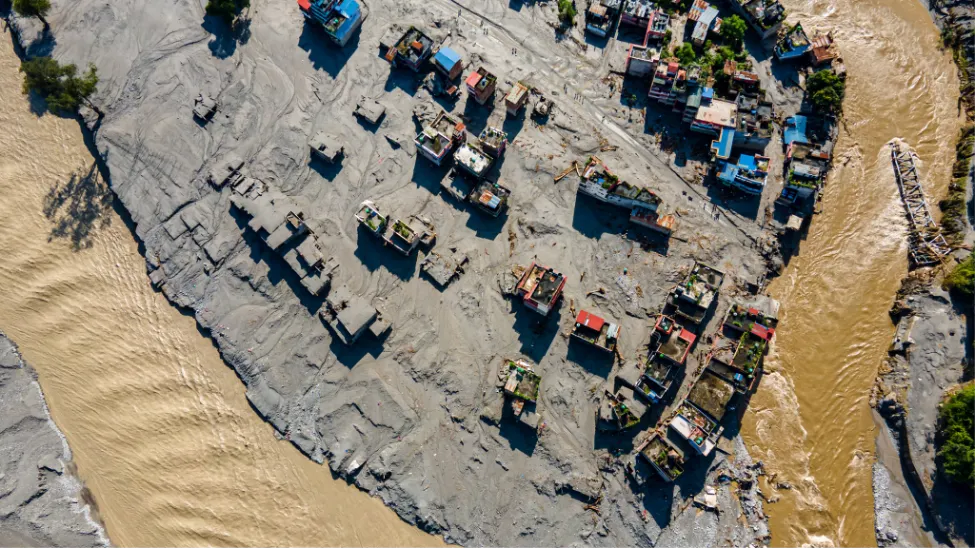
The Rasuwa flood in Nepal, triggered by a Himalayan slope collapse, exposes how global warming, black carbon and permafrost thaw are destabilising High Asia, and urges Southasian states to unite on climate action.

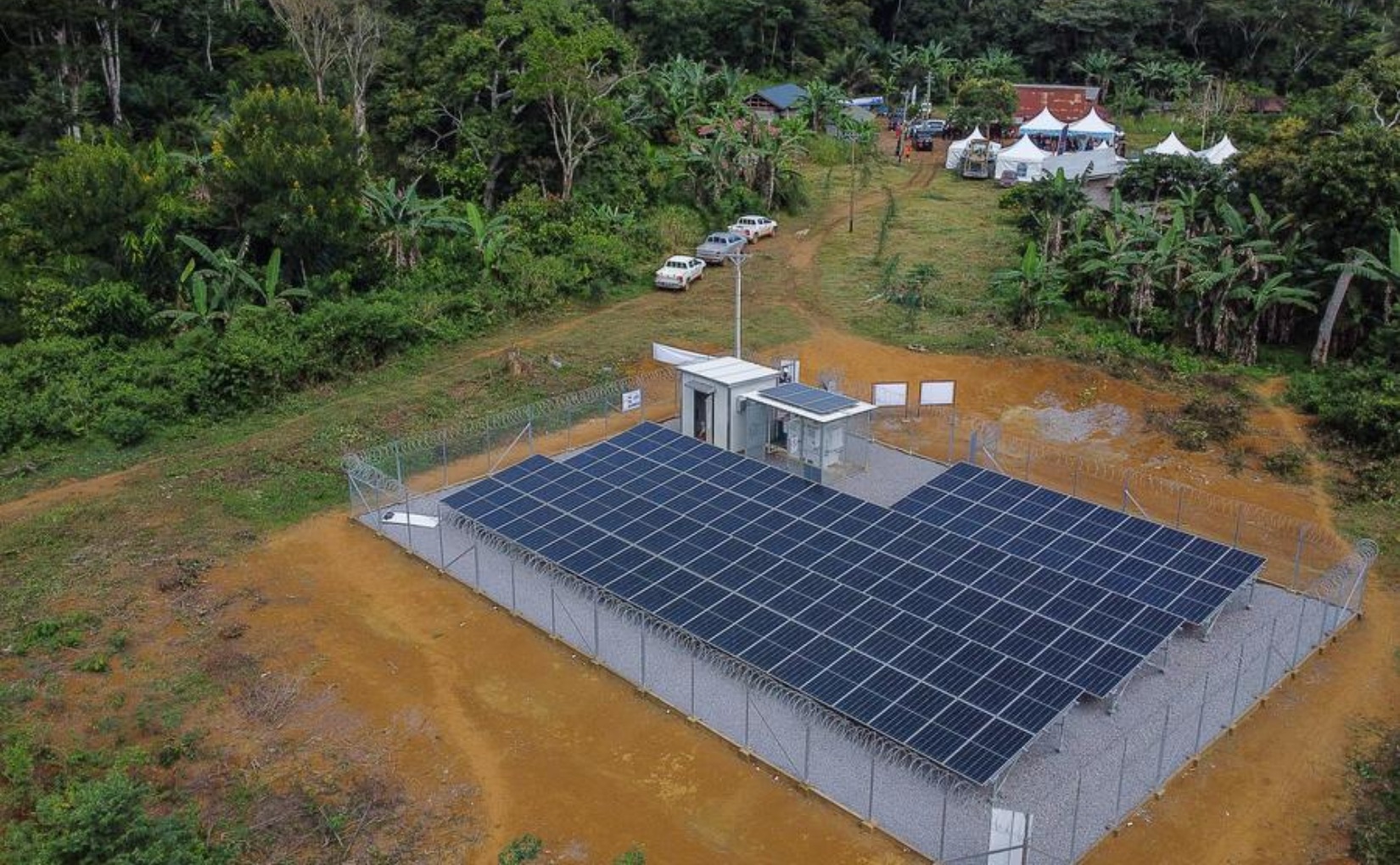
Cuba will dedicate 200 MW of solar generation to Havana's water pumping so the service no longer depends on the national grid, as distributed generation aims to reverse outages from November.

Applies Marxian ecological theory to critique AI capitalism, arguing that the technology accelerates metabolic rifts and entropic disorder under monopoly-finance capital.

A discussion of Guillaume Suing's book arguing that communism, not capitalism, offers the ecological model, using the Soviet Union's conservation record and its later environmental damage as evidence.

A political ecology of money and finance argues that monetary and financial systems are socio-ecological institutions whose design drives ecological degradation by shaping extraction, value, and who bears environmental costs.

Chen Xueming argues China's socialist system enables ecological civilization, resolving the development-protection dilemma where Western capitalism fails. Xi Jinping identifies harmonious coexistence of humanity and nature as a key feature of modernization.

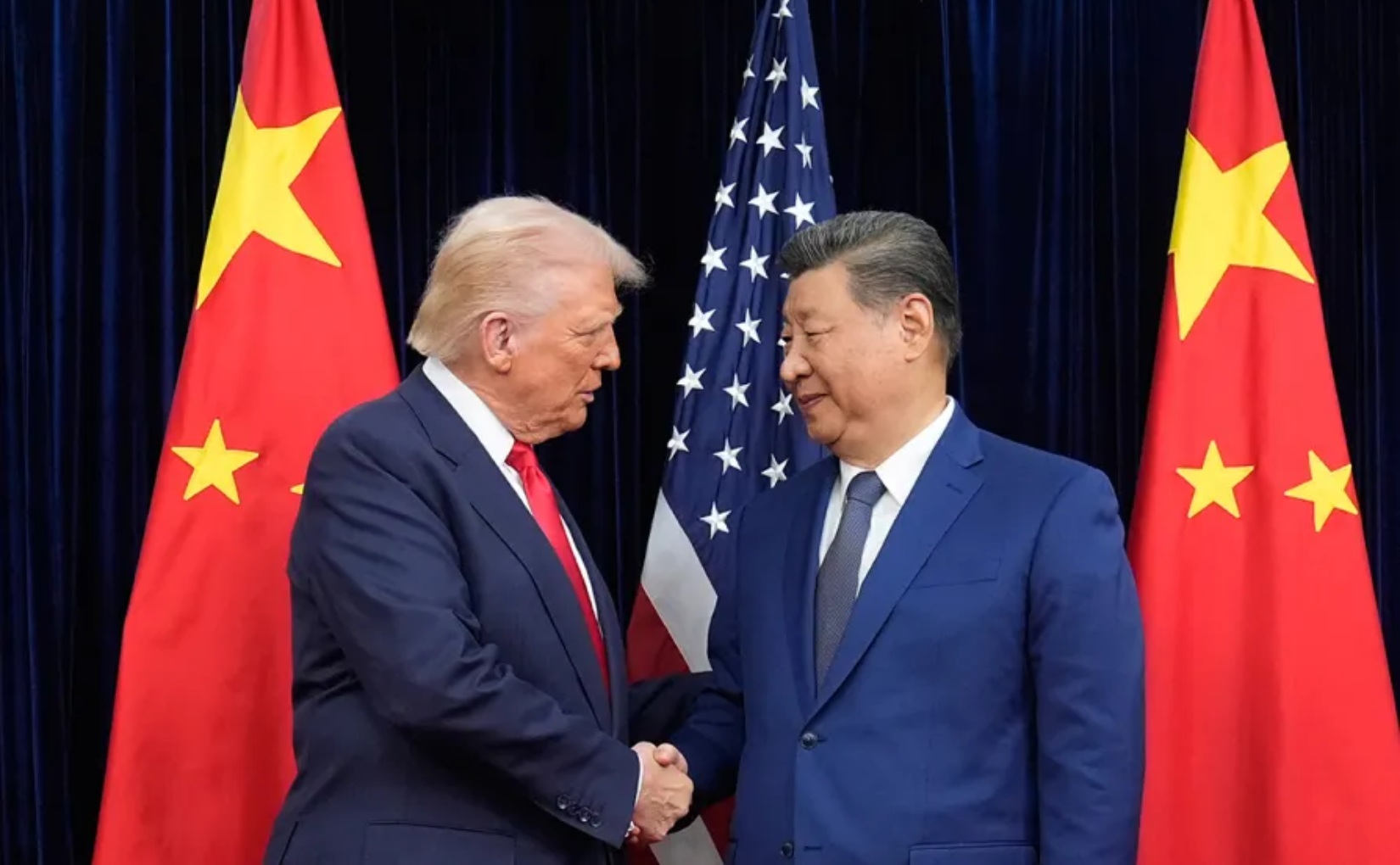
Xi Jinping's September 23-25 state visit to the US, his first since 2015, drew a Morning Star editorial calling it a critical moment; it argues China alone stood up to Trump's tariffs and forced a trade war truce, though breakthroughs are unlikely.

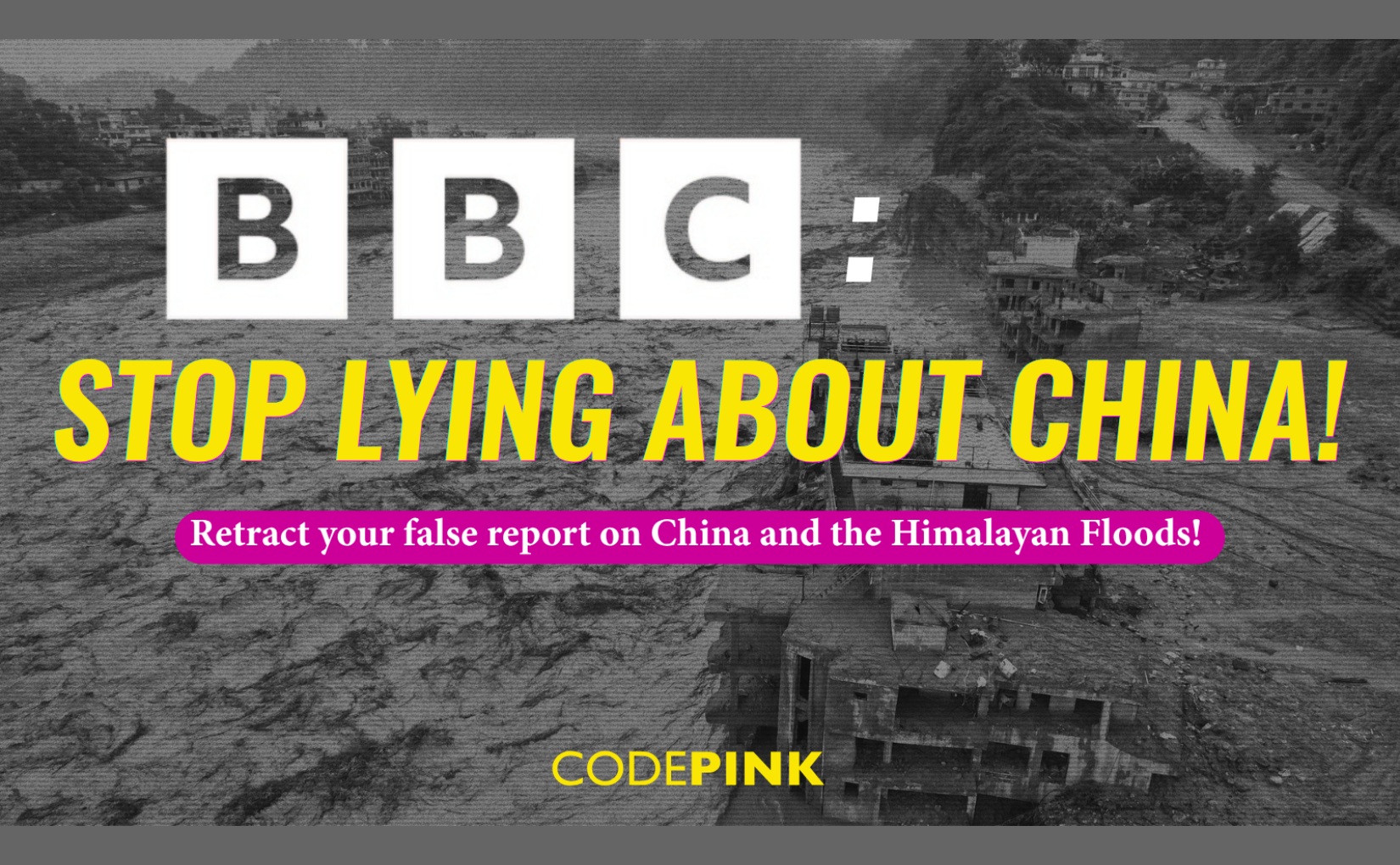
CODEPINK's petition demands the BBC retract a report claiming China censored Himalayan flood footage, arguing the real story is the climate crisis and militarism's environmental cost.

Petrobras's Morpho well off Amapá confirms oil in the Foz do Amazonas basin, raising questions of Brazilian sovereignty, environmental risk, and whether revenue will fund industrialisation and an energy transition.

An open letter from a Global South perspective arguing that Western environmentalism has mistaken its rearguard for its vanguard, and that only principled anti-imperialism can address the ecological crisis.

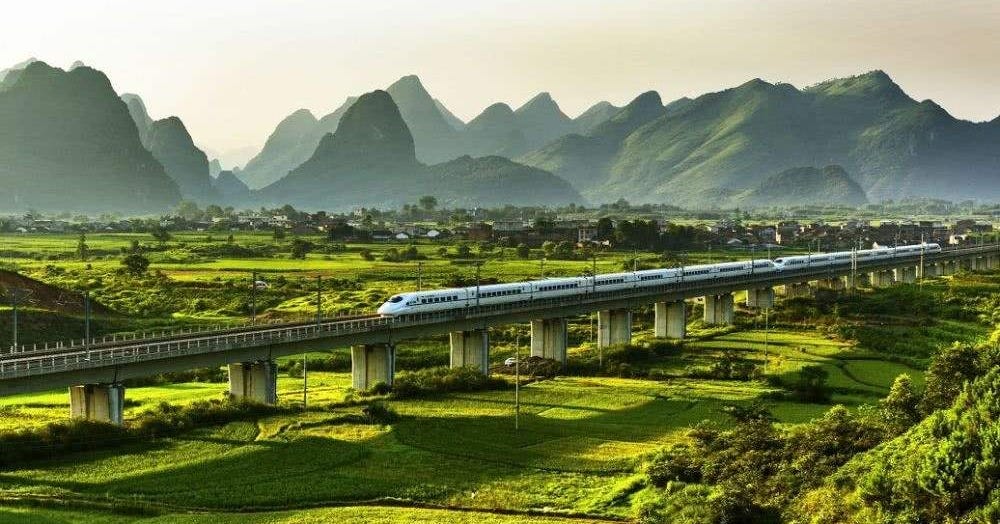
Africa's solar installations jumped 54 percent in 2025, driven largely by Chinese-built and financed projects, as Beijing's two decades of public investment cut renewable costs and made a continental green transition affordable.

Argues that capitalist structures prevent effective climate action by analyzing the failures of carbon credits, technological innovation, and individualized responsibility.

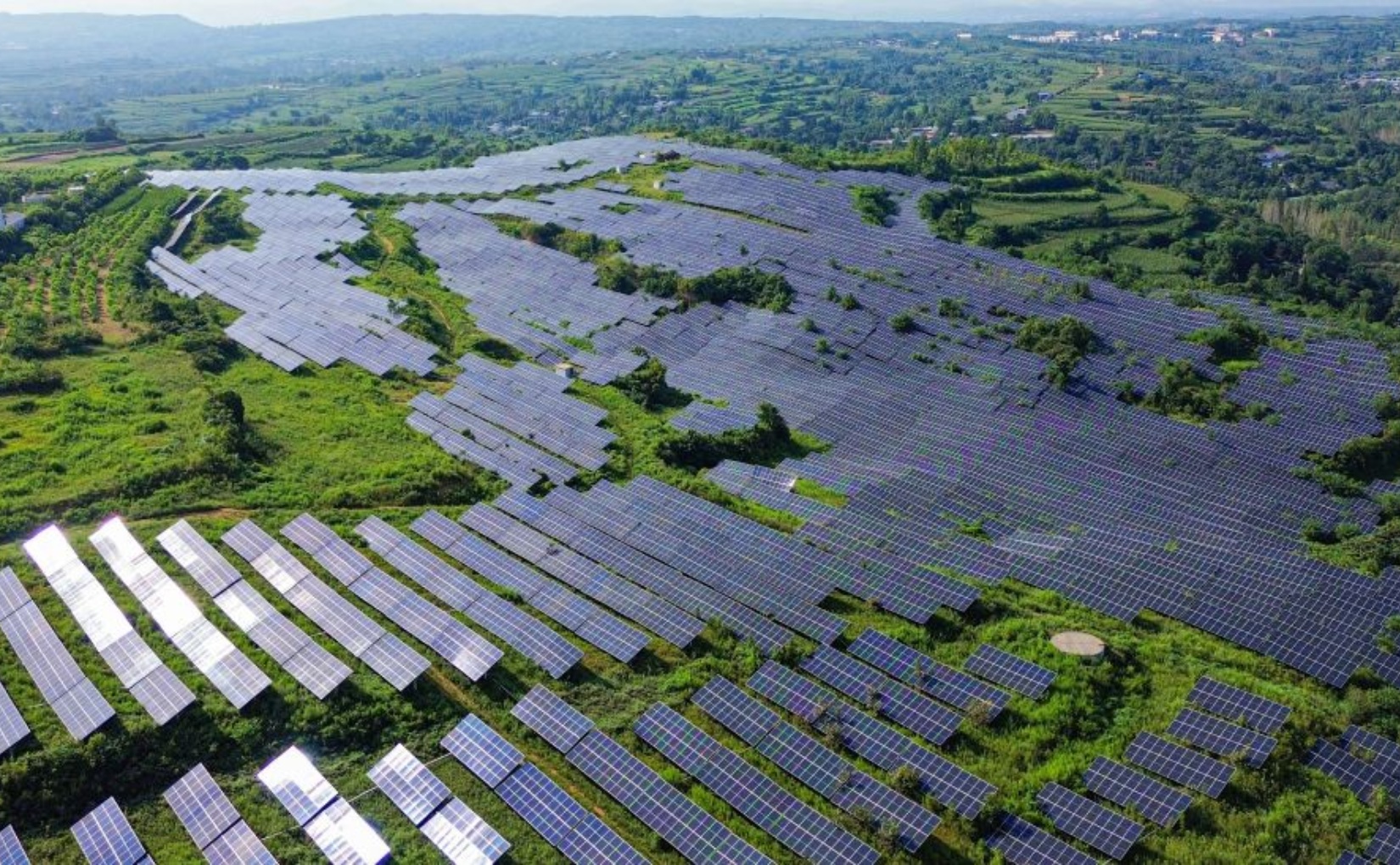
China's installed photovoltaic capacity has surpassed coal for the first time, making solar its largest power source.

Eyal Weizman discusses Gaza's underground landscape, from wells to resistance tunnels, and how Israel weaponizes architecture and environmental destruction in its genocide.

The global majority must reclaim energy, food sovereignty, and development from imperialist capitalism to build ecological civilization, rejecting Western green capitalism and degrowth as inadequate solutions.

Displaced Lebanese women reclaim a bombed-out site near Tyre into a thriving organic farm, using indigenous methods to feed their community and resist Israeli ecocide and genocide.

Covers labor struggles from Amazon warehouse organizing in New York to strikes at IKEA, Codelco, and against Tesla, plus attempts to unionize college athletes.

The world faces broken multilateralism, rising US aggression, and climate crisis; new cooperative arrangements must exclude US hegemony and reduce global inequalities.

Reports from ICL's potash mine in Catalonia, where local activist Anna describes the Zionist company's toxic pollution, forced evacuations, and its role in supplying white phosphorus for genocides in Palestine, Lebanon, and beyond.

The Green BRI challenges Western green colonialism and debt dependence by offering an alternative development paradigm rooted in South-South cooperation, ecological civilization, and contrary to imperial ecology.

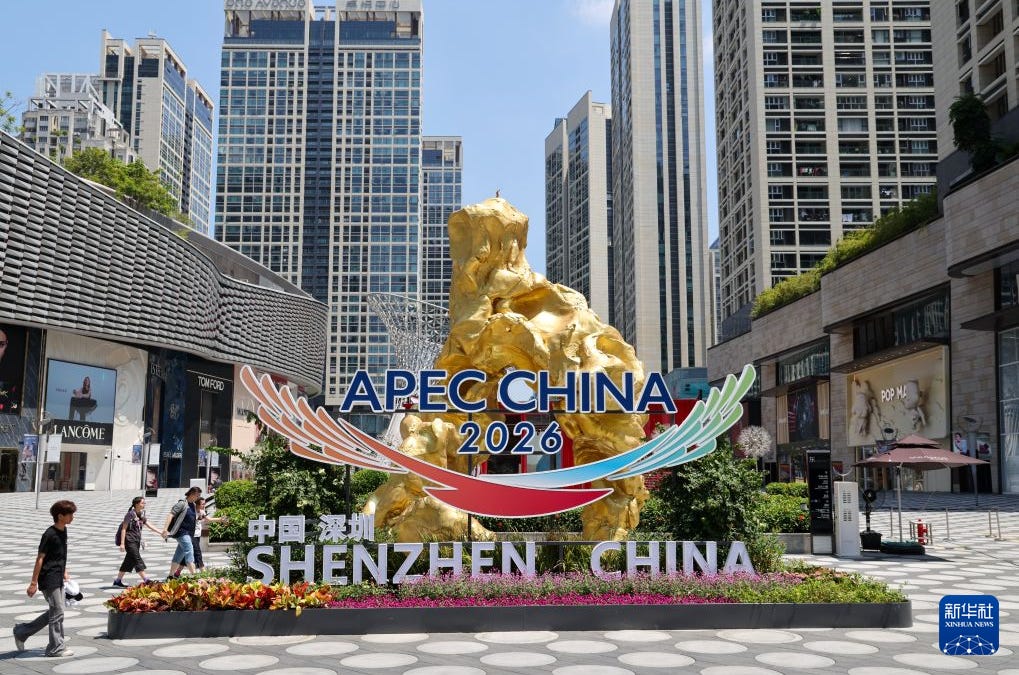
On August 10, Shenzhen marked the 100-day countdown to the 33rd APEC Economic Leaders' Meeting. The city is home to over 6,870 species, including 208 nationally protected plants and animals, and its Kunpeng Trail has helped reconnect habitats where leopard cats and Eurasian otters have returned.