Principles of Unity We, the Anti-Imperialist Scholars Collective (AISC), are scholars, educators, and knowledge workers engaged in a battle of ideas to support the forces of liberation and justice around the world.
Principles of Unity We, the Anti-Imperialist Scholars Collective (AISC), are scholars, educators, and knowledge workers engaged in a battle of ideas to support the forces of liberation and justice aro…
Coalition for the Elimination of Imperialism in Africa
💻 Blog🚩 Action
Ideological Position of the Coalition for the Elimination of Imperialism in Africa (CEIA) Organizers from various Anti-Imperialist and Socialist organizations have formed the Coalition for the Elimination of Imperialism in Africa (CEIA), a multi-continental coalition in response to western aggression against Niger and…
Ideological Position of the Coalition for the Elimination of Imperialism in Africa (CEIA) Organizers from various Anti-Imperialist and Socialist organizations have formed the Coalition for the Elimina…
Our Mission Breakthrough News is a nonprofit media and educational organization dedicated to independent, fact-based reporting, and analysis on the issues shaping our world. We are a recognized 501(c)3 nonprofit organization in the United States.
Our Mission Breakthrough News is a nonprofit media and educational organization dedicated to independent, fact-based reporting, and analysis on the issues shaping our world.
We seek to build a bridge between academic production and political and social movements in order to promote critical thinking and stimulate debates and research with an emancipatory perspective that serves the people’s aspirations.
We seek to build a bridge between academic production and political and social movements in order to promote critical thinking and stimulate debates and research with an emancipatory perspective that…
We play our humble role in advancing a systematic analysis of the ever-changing world rooted in dialectical and historical materialism and a principled vision for the human species rooted in egalitarianism, solidarity, compassion, enlightenment, and human flourishing.
We play our humble role in advancing a systematic analysis of the ever-changing world rooted in dialectical and historical materialism and a principled vision for the human species rooted in egalitari…
Cultural amnesia has befallen two generations. Historical myths, facts, and feats have been suppressed. Critical thought & indigenous education have been discarded in favor of foreign ideals ultimately detrimental. The plan is to FIND THE SIGNAL. The plan is to remember the self.
Cultural amnesia has befallen two generations. Historical myths, facts, and feats have been suppressed.
"The best jihad is to speak a word of truth in front of a tyrannical ruler." -Sunan Abu Dawood 4344, Tirmidhi 2174, Ibn Majah 4011 Our contemporary moment has ushered in a new wave of contradictions and equations. Among them are questions that seek to understand the nexus between Islam and anti-imperialism.
"The best jihad is to speak a word of truth in front of a tyrannical ruler." -Sunan Abu Dawood 4344, Tirmidhi 2174, Ibn Majah 4011 Our contemporary moment has ushered in a new wave of contradictions a…
Upstream is a podcast that offers a weekly In Conversation series and a more arrhythmic audio Documentary series that explore a wide variety of themes pertaining to political economy—from a post capitalist, socialist, and anti-capitalist perspective.
Upstream is a podcast that offers a weekly In Conversation series and a more arrhythmic audio Documentary series that explore a wide variety of themes pertaining to political economy—from a post…
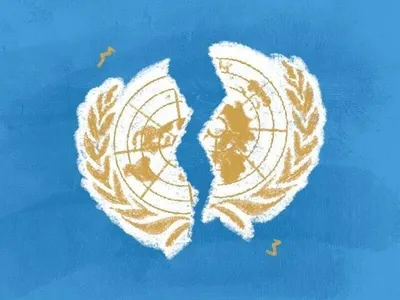
A Pan-Africanist, dialectical materialist assessment of the United Nations argues it cannot defend African sovereignty, from the Congo crisis to the Sahel, so liberation forces must build independent military, economic and diplomatic power first.
A discussion arguing that the US-Israeli war on Iran is set to expand and drag on indefinitely, as Gulf monarchies court Israel, Turkey squeezes Iranian aviation, and Yemen's Ansarallah controls key shipping straits.
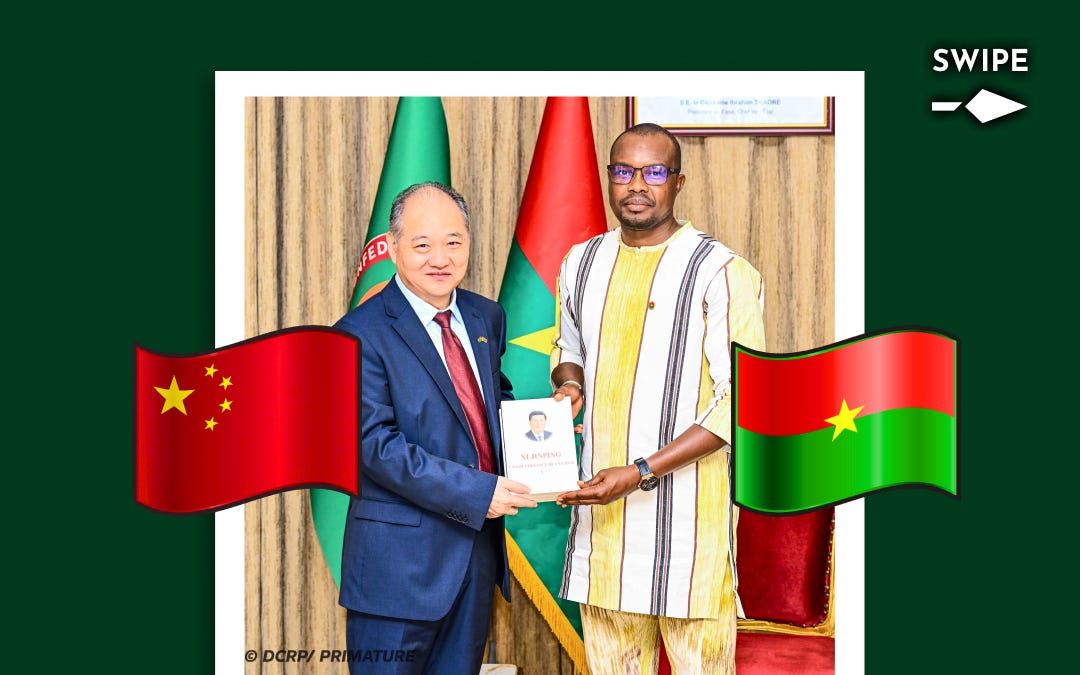
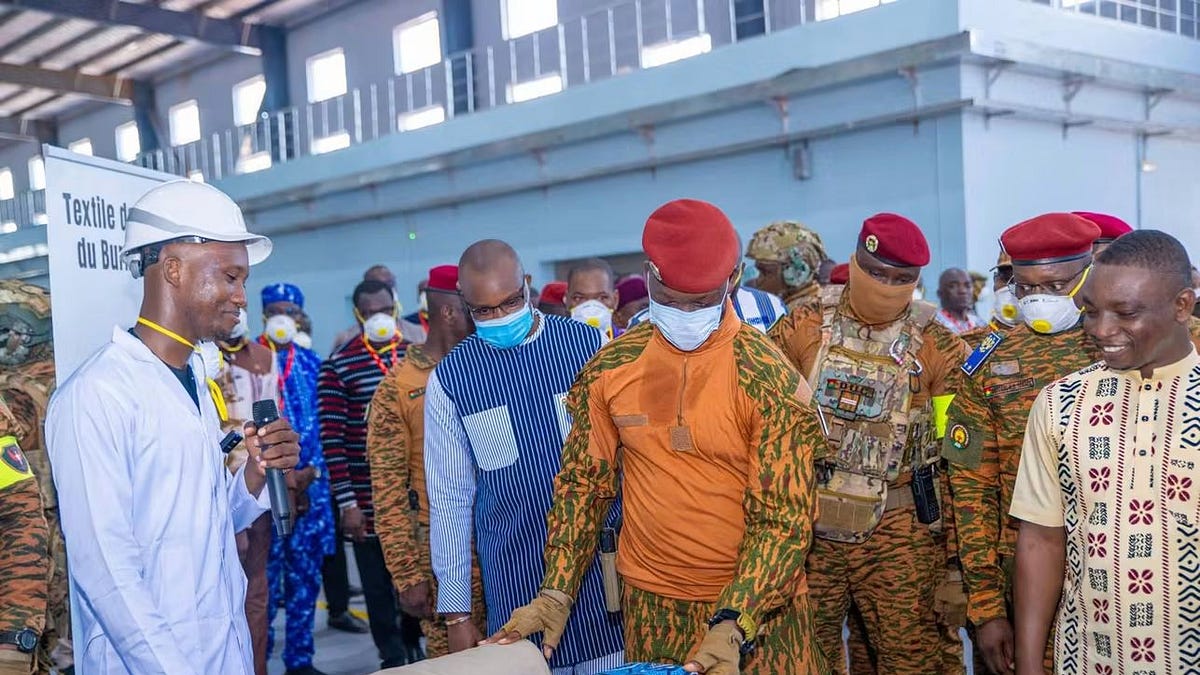
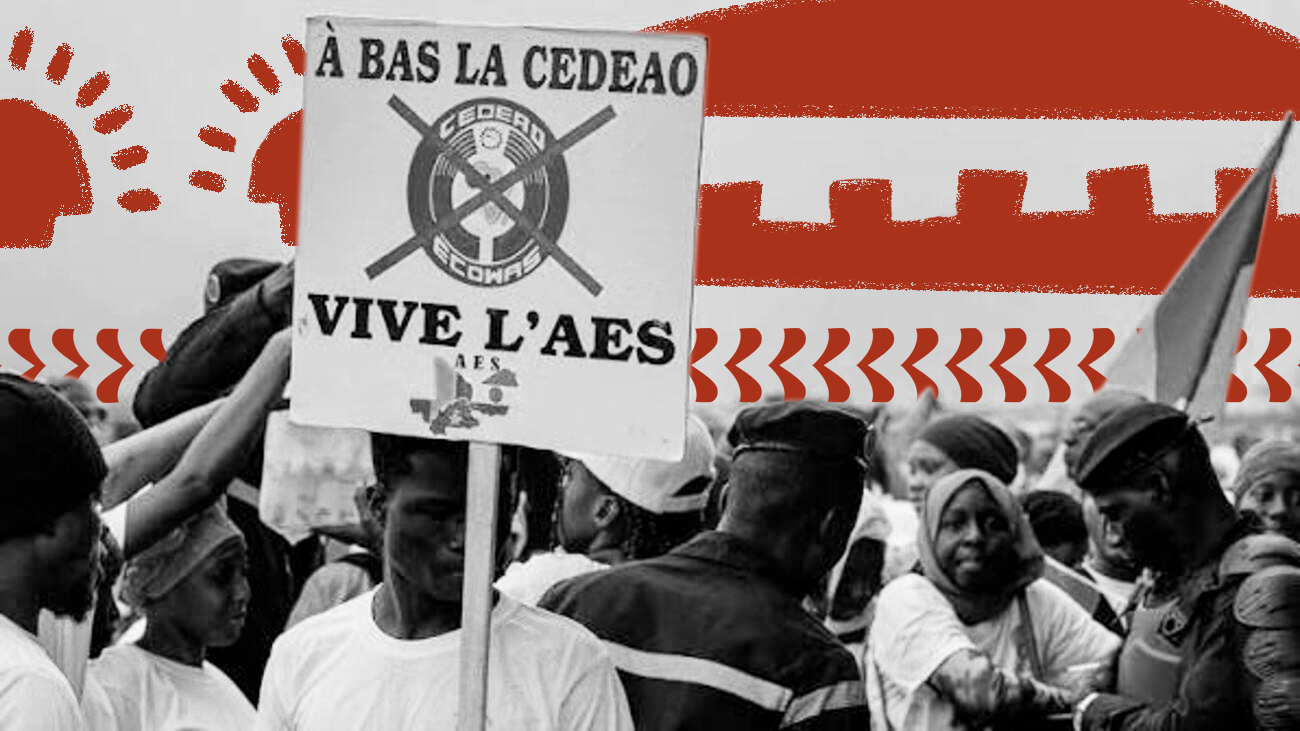
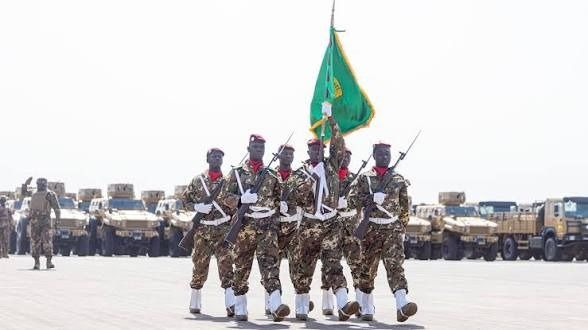
The Alliance of Sahel States inaugurates its first confederal parliament and committees, while Burkina Faso opens a textile factory and Algeria and China deepen ties with the bloc.
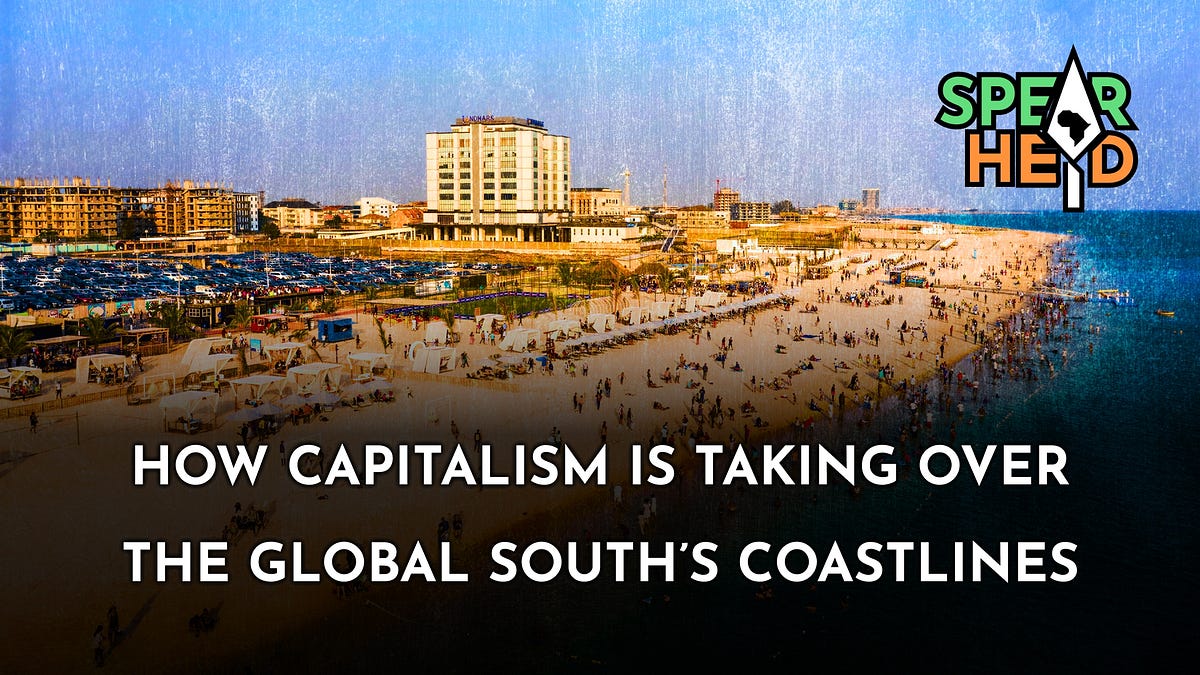
Luxury coastal developments from Lagos to Dakar and Jamaica are fencing off once-public shorelines, pricing local communities out of their own coastlines and exposing the darker realities of unregulated tourism.
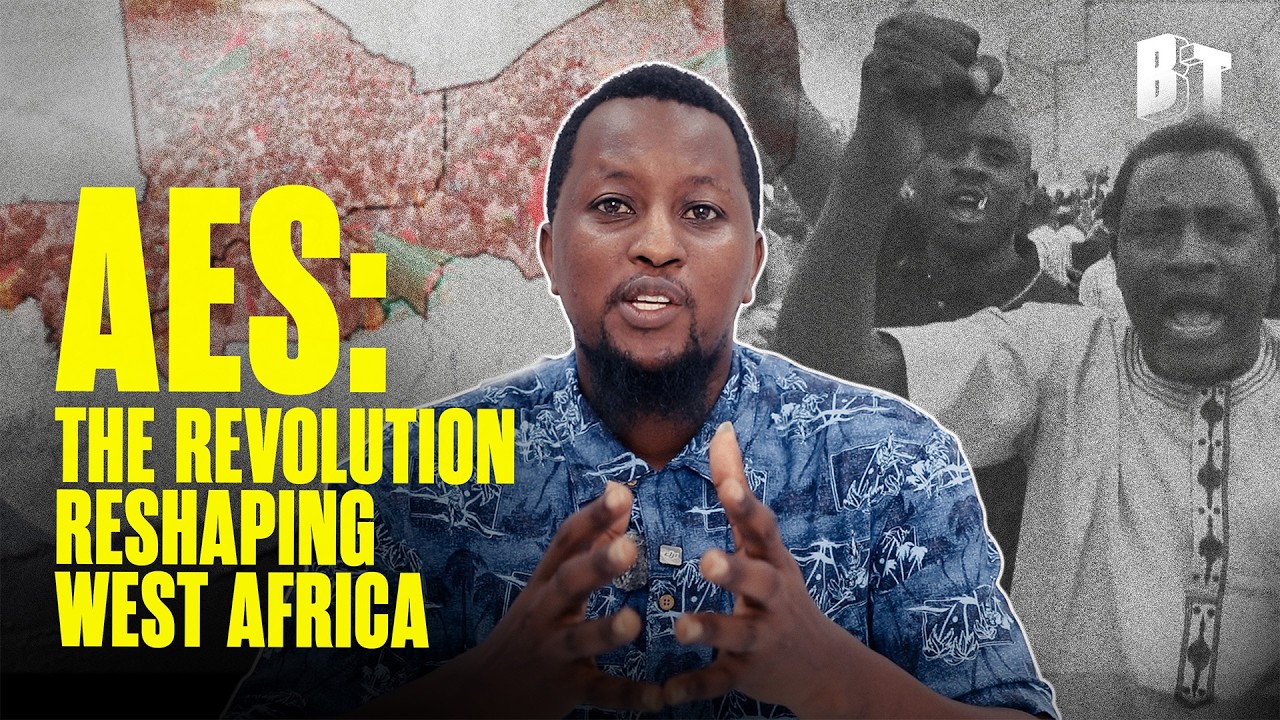
Mali, Niger and Burkina Faso broke with the old regional order to form the Alliance of Sahel States, and this report examines the security, agricultural, infrastructure and resource changes underway despite major challenges.
A report examining whether a US congressman's letter to the Secretary of State and Western media attacks signal a planned US invasion of the Alliance of Sahel States, and what Africans can do to defend the region.
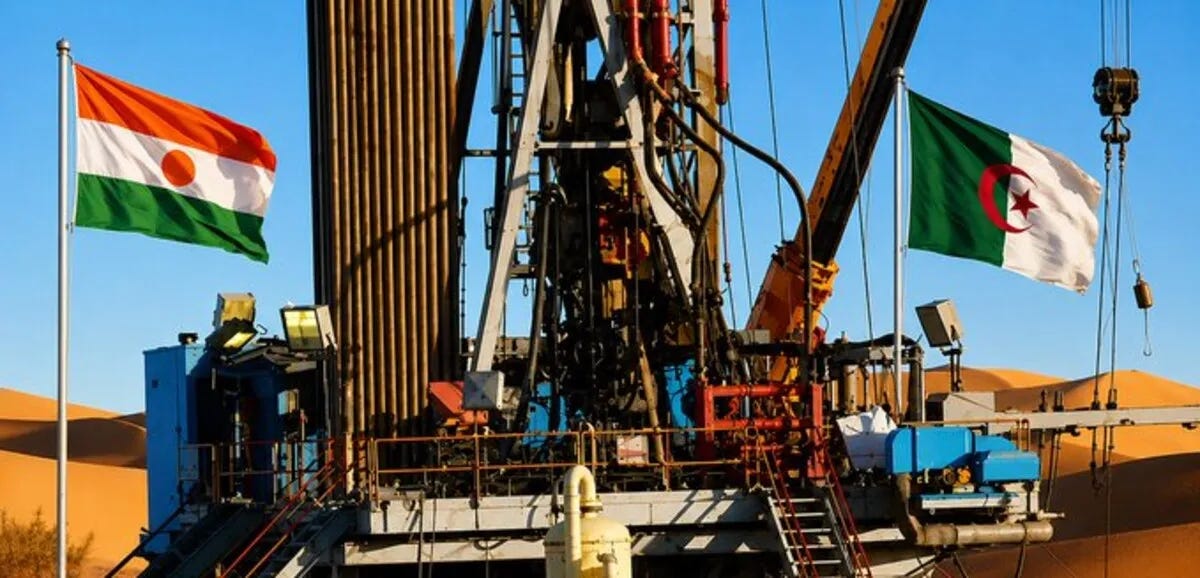
Algeria severed diplomatic relations with the UAE, accusing Abu Dhabi of hostile actions, with tensions rooted in the Abraham Accords, Western Sahara rivalry and Sahel competition.
US foreign aid to Africa is marketed as charity but functions as an imperial shakedown built on unequal exchange, examined through recent examples and the push for African sovereignty.
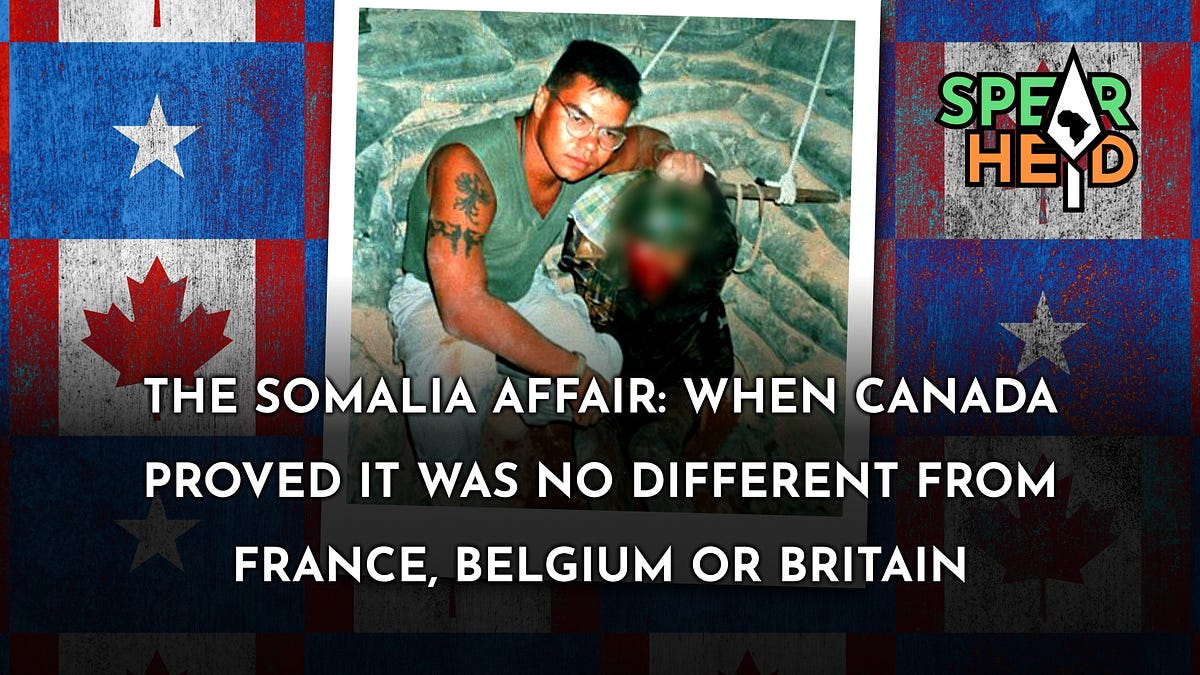
Canadian peacekeepers deployed to Somalia in 1992 turned their camp into a killing field, exposing Western brutality and hypocrisy that mirrors colonial powers.
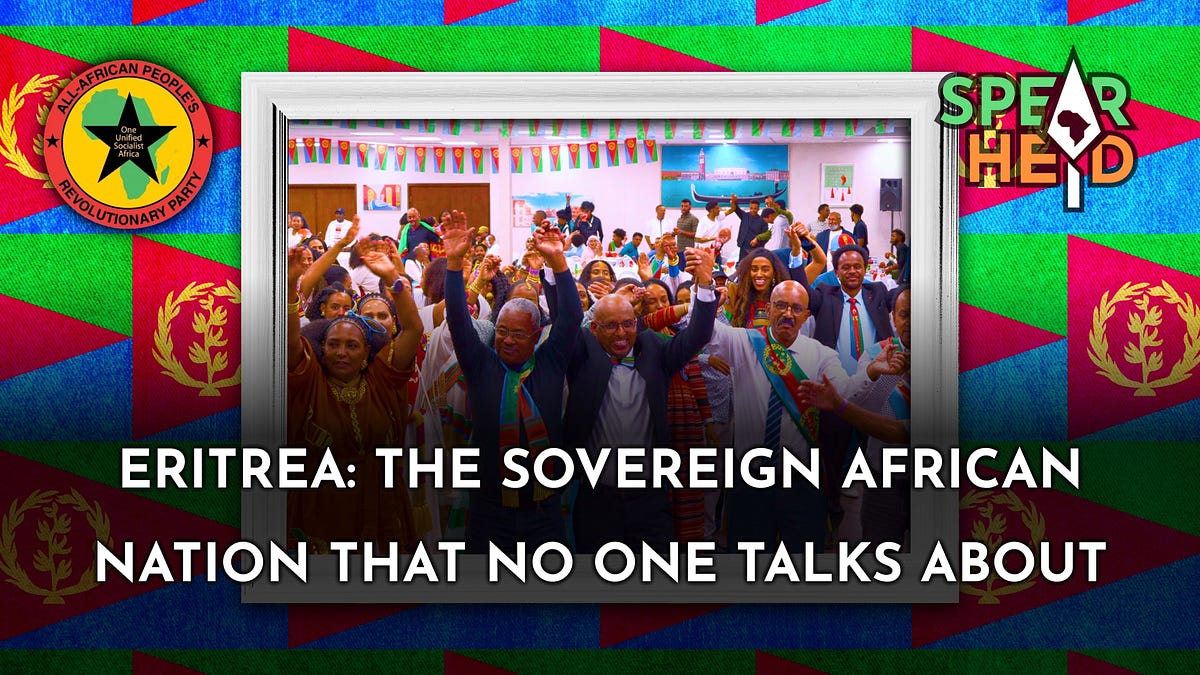
Eritrea's revolutionary government has achieved notable progress in women's rights, food security, healthcare, and education despite Western sanctions and aggression, which serve to delegitimize its sovereignty and control the Bab el-Mandeb Strait.
A Pan-African coalition declares solidarity with Cuba against the US blockade, recalling Cuba's historic support for African liberation movements and its ongoing medical internationalism, and calls on African governments to deepen ties with Cuba.
The Alliance of Sahel States advances sovereignty through dams, refineries, and mining projects, rejecting conditional financing to build infrastructure and train experts for regional independence.
The Alliance of Sahel States builds institutions and asserts resource control, yet faces seven fronts-monetary, narrative, cultural, military, and more-where sovereignty remains incomplete against external pressure and internal challenges.
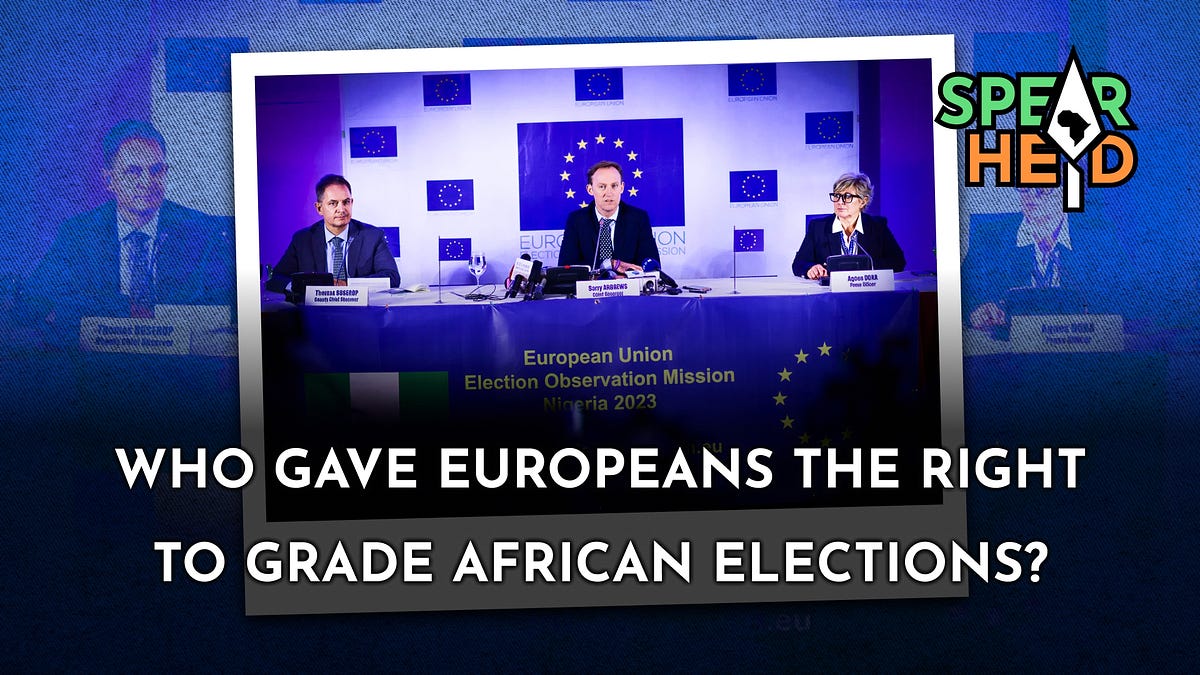
A report questions the legitimacy of European and US election observers in Africa, arguing that their role serves foreign interests rather than democracy, and highlights African sovereignty movements.
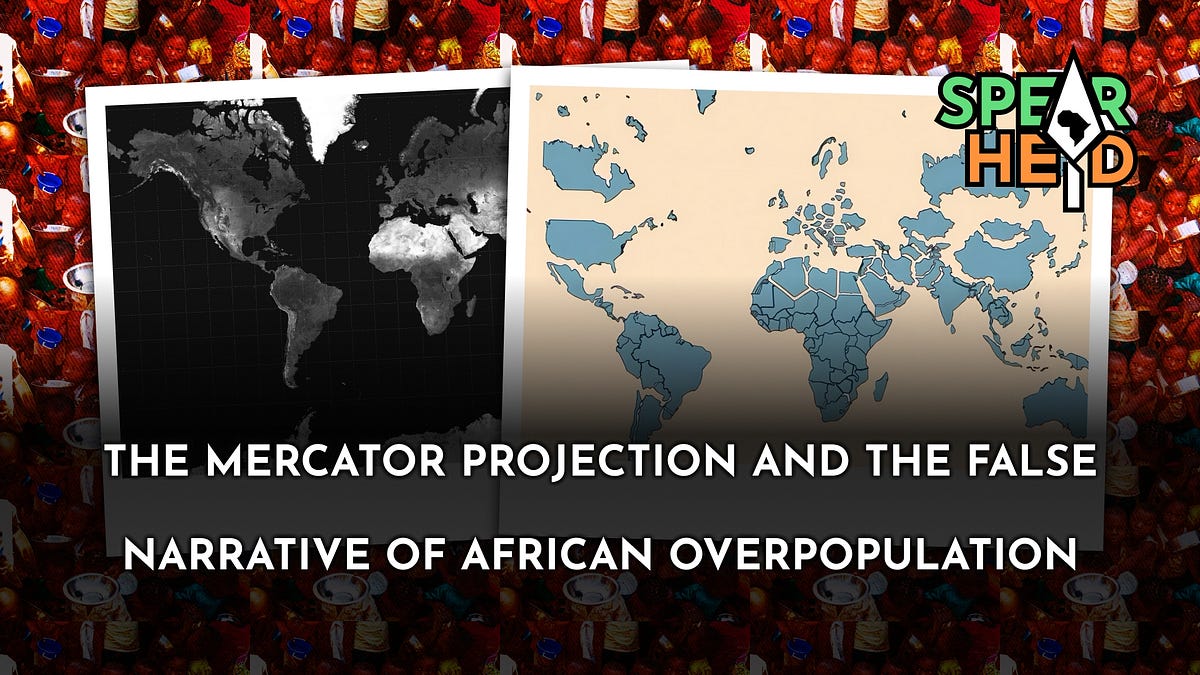
A video essay debunks the myth of African overpopulation and the Mercator Projection's distortion of Africa's size, exposing these narratives as tools of Western imperialism and linking them to their beneficiaries in Europe and North America.
Mckay Chukwu uses prison data to debunk the narrative that foreign nationals, especially Nigerians, dominate South Africa's prisons, exposing it as a psy-op targeting Africa.
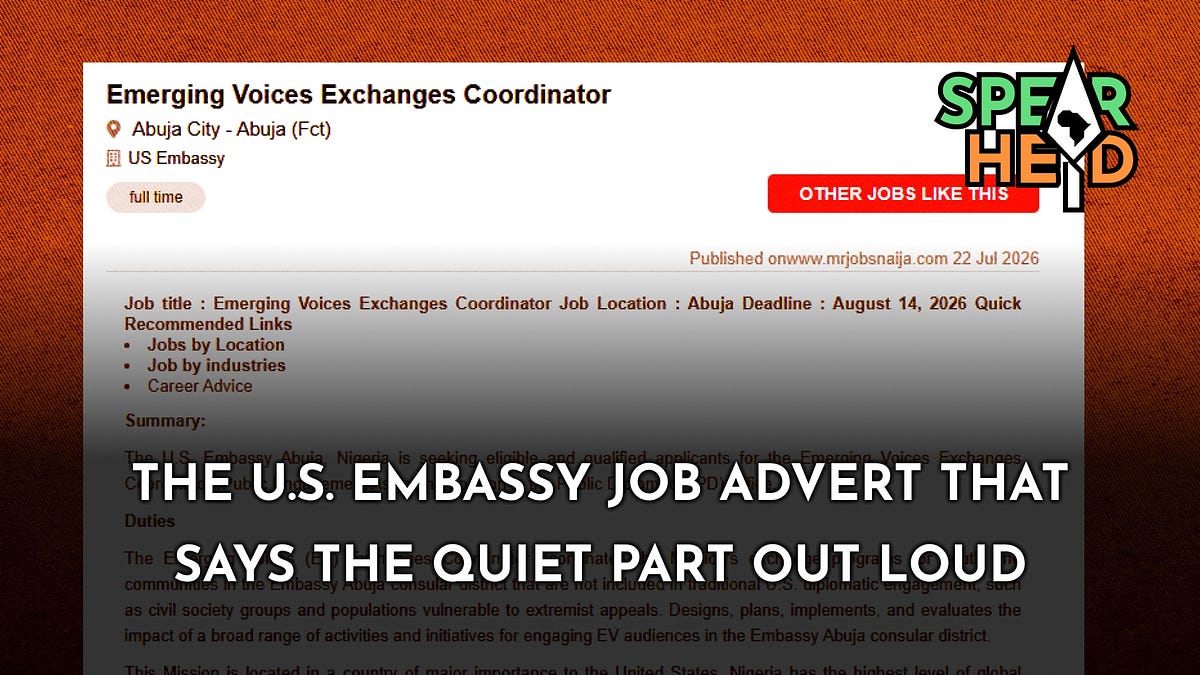
A U.S. Embassy job listing in Abuja covertly aims to map and cultivate Nigerian influencers, revealing the mechanics of foreign influence operations within sovereign nations.
The US imposes visa bonds up to $20,000 on 30 African countries, demonstrating contempt and pushing Africans toward pursuing dignity and self-respect like the Alliance of Sahel States.
Scholars discuss Pan-Africanism's evolution from the A-APRP to the Alliance of Sahel States, examining anti-imperialist struggles and African sovereignty in a special issue of The Pen is My Machete.
AISC members discuss the Alliance of Sahel States' struggle for sovereignty against imperialist assault and what the federation means for Pan-Africanism in the 21st century.
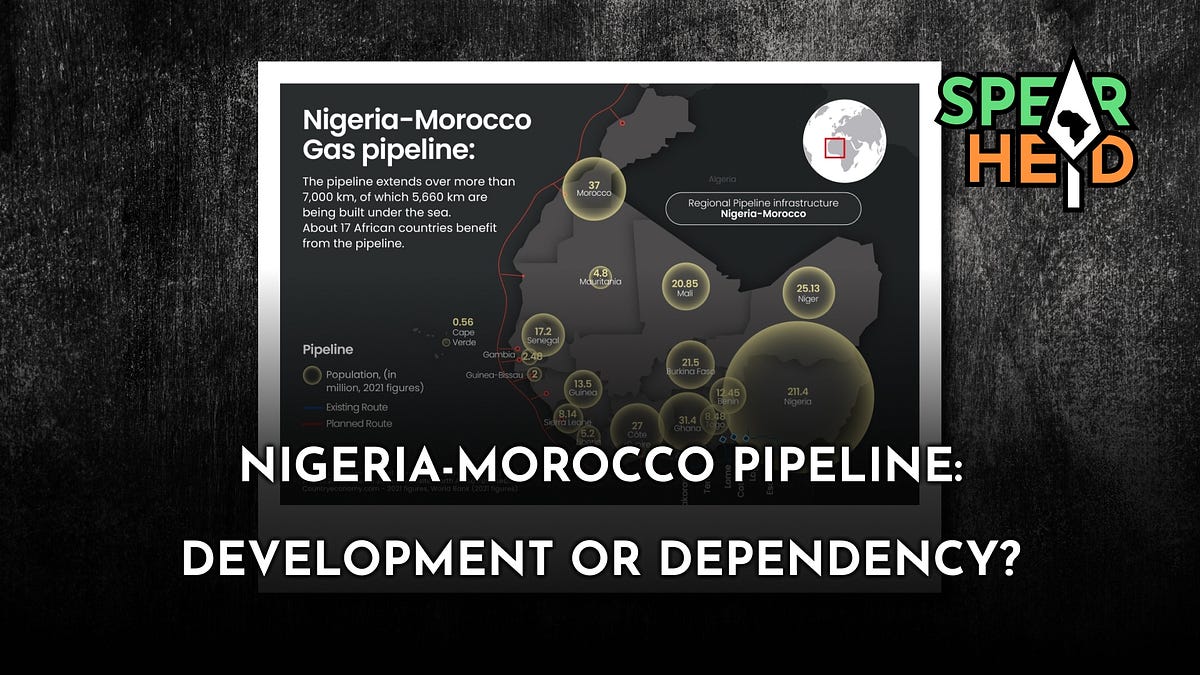
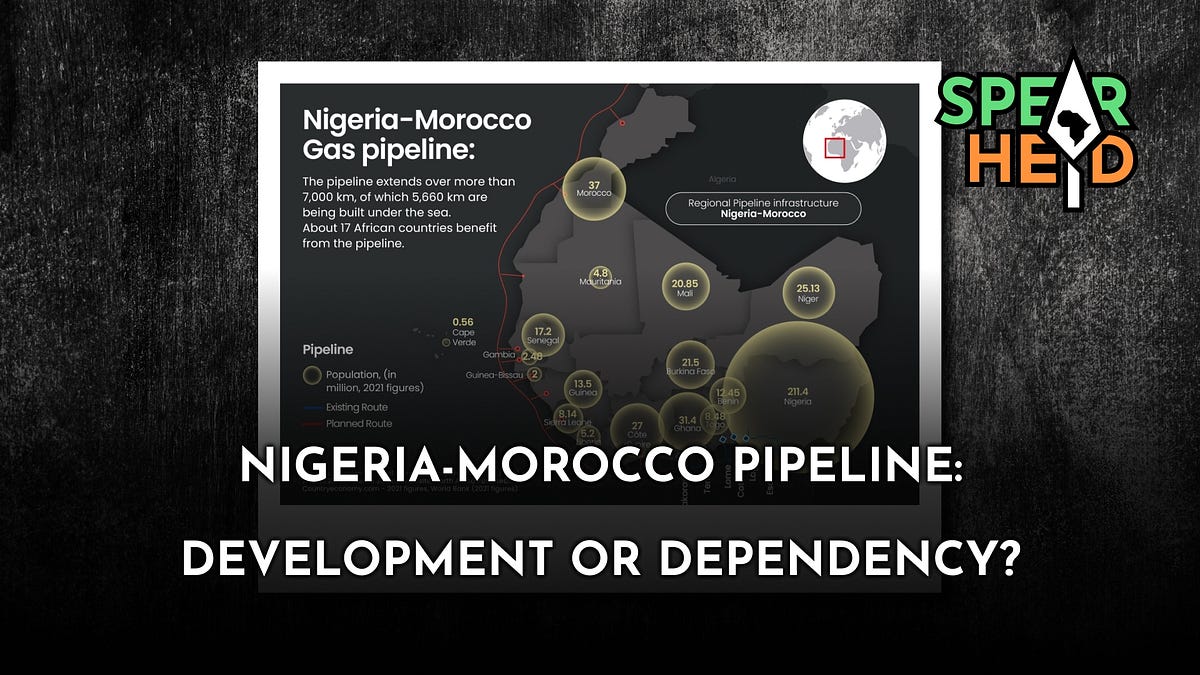
The proposed Nigeria-Morocco gas pipeline risks reinforcing colonial-era dependency by prioritizing foreign energy exports over domestic industrialization, arguing that true sovereignty requires completing local infrastructure before exporting raw resources.
Kwesi Pratt discusses the Sahel's patriotic revolution as a step toward African liberation, arguing real transformation requires working-class leadership and resetting global institutions like the IMF and UN, while addressing Western destabilization.
Reports from her tour of the AES, detailing security conditions in Mali, the ongoing war against NATO-backed mercenaries, and the clarity of African sovereignty struggles.
Exporting Nigerian gas via the proposed Morocco pipeline risks perpetuating dependency by prioritizing foreign energy security over domestic industrialization, arguing that completing local infrastructure must precede transcontinental export routes.
The US is shifting from large troop deployments to covert psychological and intelligence operations in Africa, using leverage and local partnerships to advance imperial interests amid resource constraints.
Investigative journalist David Hundeyin reveals Ukraine's covert proxy war in the Sahel, including backing terror groups, sabotaging African diplomacy, and provoking US strikes, as African nations resist neocolonial interference.
The United Nations, historically unable to prevent imperialist destabilization in Africa, can only serve liberation struggles when anti-imperialist forces build independent military, economic, and diplomatic power outside its framework.
Nigerien union leader Ibrahim Hamadou discusses his organization's support for the military government, anti-imperialist ideology, and South-South solidarity.
This analysis examines how colonial legacies and French imperialism drive external assaults on Mali, positioning it as central to the Alliance of Sahel States' sovereignty project.
This introduction frames the Alliance of Sahel States as a revival of historic Pan-African federations resisting Western imperialism.
Traces the ideological lineage from Thomas Sankara’s revolution in Burkina Faso to the modern Alliance of Sahel States, analyzing how Mali, Niger, and Burkina Faso are dismantling Western imperial influence.
Prof. Wandia Njoya analyzes Kenya's shift from anti-colonial struggle to Western outpost, critiquing the myth of Jomo Kenyatta and contrasting elite complicity with grassroots support for Sahelian sovereignty.
Kwame Nkrumah details the diplomatic origins of a proposed Union of African States, arguing that immediate political federation is essential to resist neocolonialism and imperialist exploitation.
Contrasts Tunisia’s entrenched security dependency with the Alliance of Sahel States’ strategy of delinking from imperialist structures to achieve sovereignty.
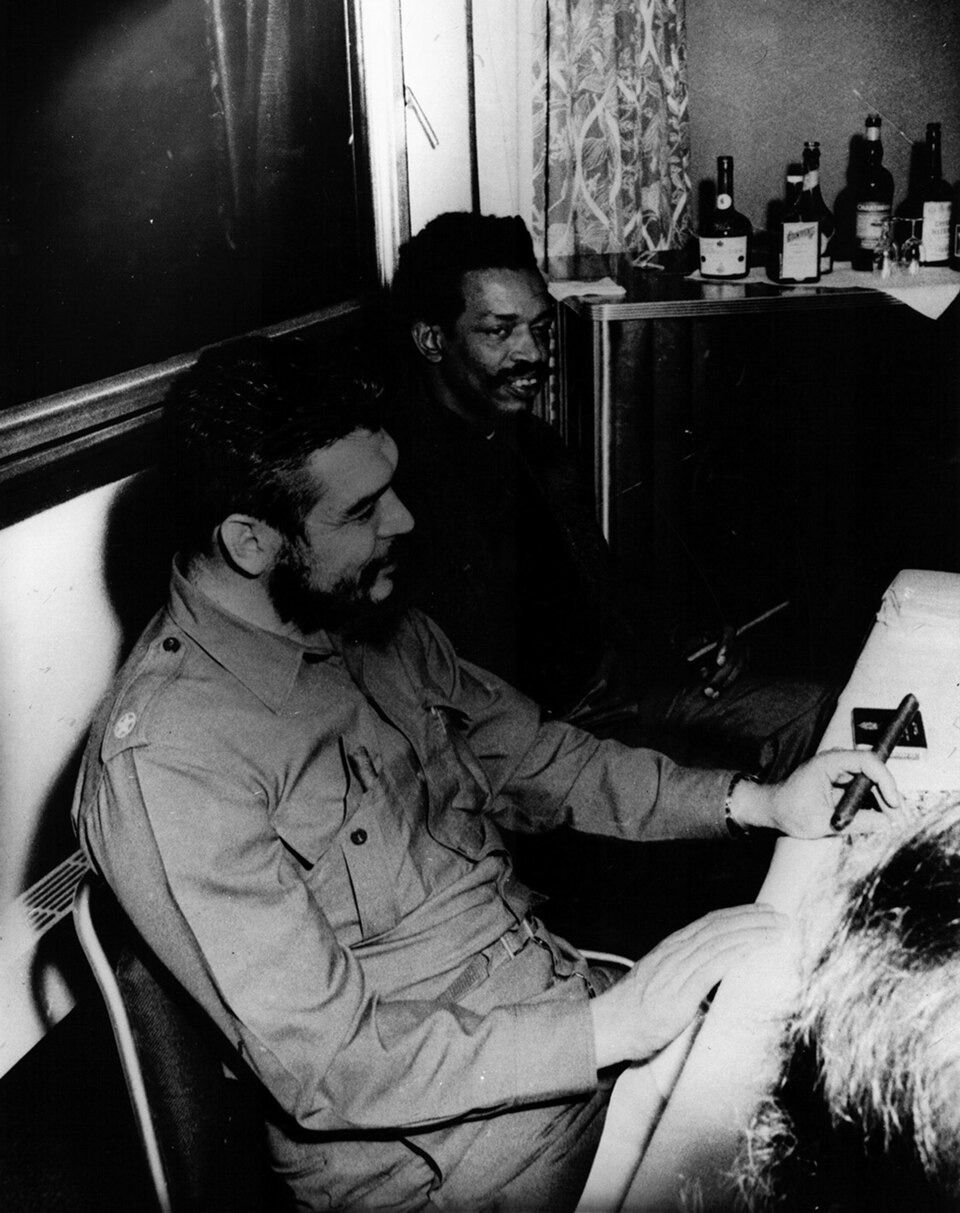
This review of Abdulrahman Babu’s work analyzes the persistence of neocolonialism in Africa, arguing that only scientific socialism and endogenous industrialization can achieve true liberation from imperialist dependence.
Mckay Chukwu argues that the Western-led AI revolution threatens African sovereignty by creating technological dependency, while highlighting emerging movements for continental unity and self-determination.