
Anti-imperialismGeopoliticsResistanceMarxismPhilosophyArt & Culture
🚫 Sanctions
Resources About Topic
The Tricontinental
Qiao Collective (桥)
Anti-Imperialist Scholars Collective
Reason2Resist with Dimitri Lascaris
BreakThrough News
Upstream Podcast
Dr. Jason Hickel
Journal of International Solidarity
The New Atlas
Rev Left Radio
The Red Nation
Vocal Politics
Red Anti-Imperialist Collective
The Electronic Intifada
Vox Ummah
Geopolitical Economy Report
Dr. Radhika Desai
Free Palestine TV
India and Global Left
Propaganda & Co.
Colonial Outcasts
Friends of Socialist China
Monthly Review
The Cradle
African Renaissance Podcast
Return to Bandung
The Global Inequality Project
Sovereign Media
Orinoco Tribune
Dr. Adnan Husain
Dr. Jeffrey D. Sachs
The Grayzone
Elina Xenophontos
Neutrality Studies
The Resistance Archives
Coalition for the Elimination of Imperialism in Africa
Samidoun: Palestinian Prisoner Solidarity Network
Hood Communist
Peoples Dispatch
Hakim
Strait Talk with Xiangyu
ProlesPod
Progressive International
Work Stoppage
Mint Press News
Caitlin Johnstone
The Spearhead
Empire Watch Media
Voice of the Proletariat
Tricontinental Political Economy
International People's Assembly
Amy Yang
The Triploi Podcast
Second Thought
International Development Economics Associates
Socialista Champagne
Find the Signal
Inkani Books
Jalees Hyder
Guerrilla History
Guilhotina.info
Inner City Left
Psychic Militancy Podcast
The Dialectics of Destruction
The Anti-Empire Project
The East is a Podcast
Browse all items
📕 1,060 articles · 📙 5 books · 🎧 193 podcasts · 👁️ 648 videos

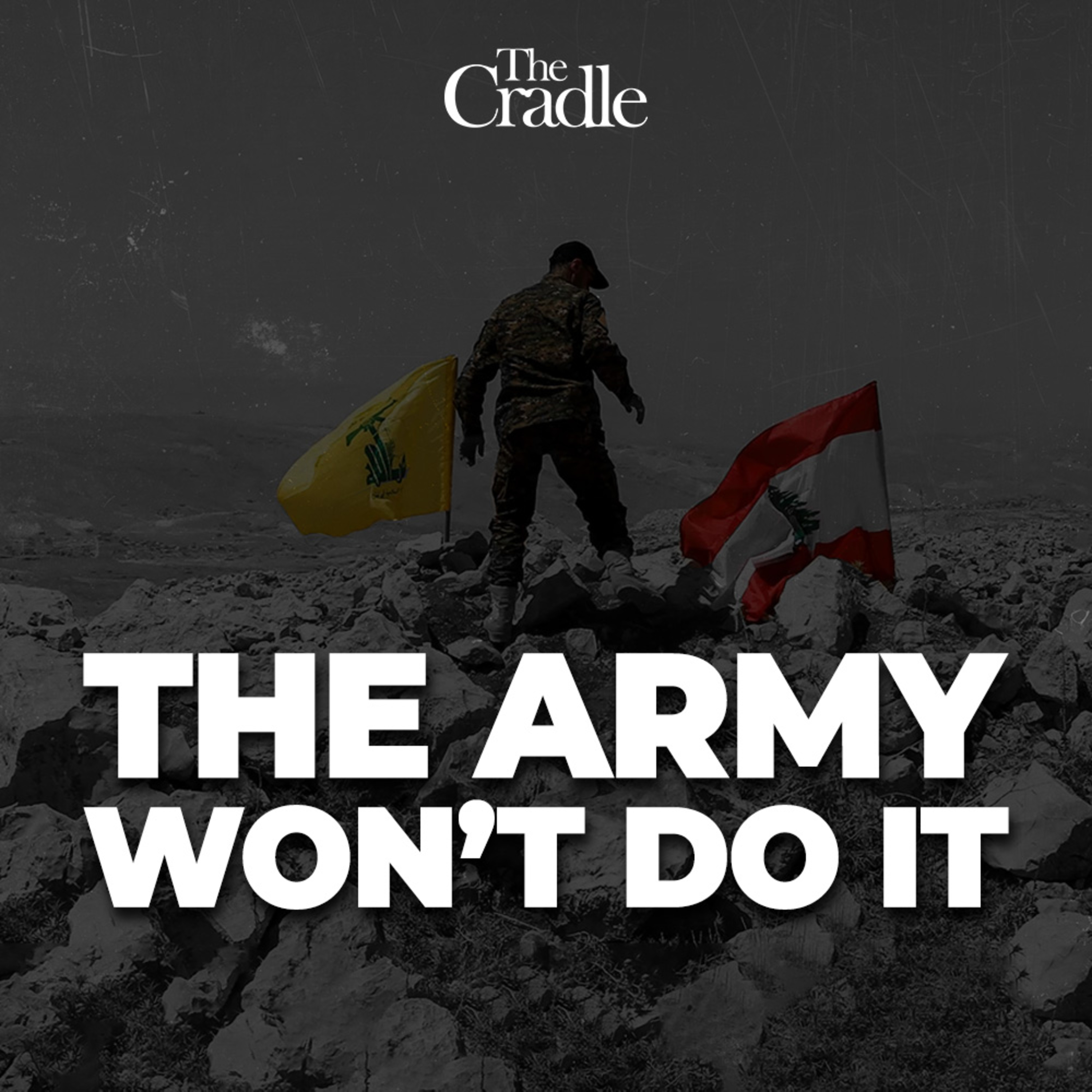
A Lebanese criminal justice specialist examines how US pressure, an under-equipped army and Israeli violations have eroded Lebanese sovereignty, leaving the LAF caught between disarming Hezbollah and preventing civil war.

US-backed strikes target Russian data centres and energy infrastructure while diplomatic and oil deals buy time, as Russia, Iran and China prepare for further confrontation.

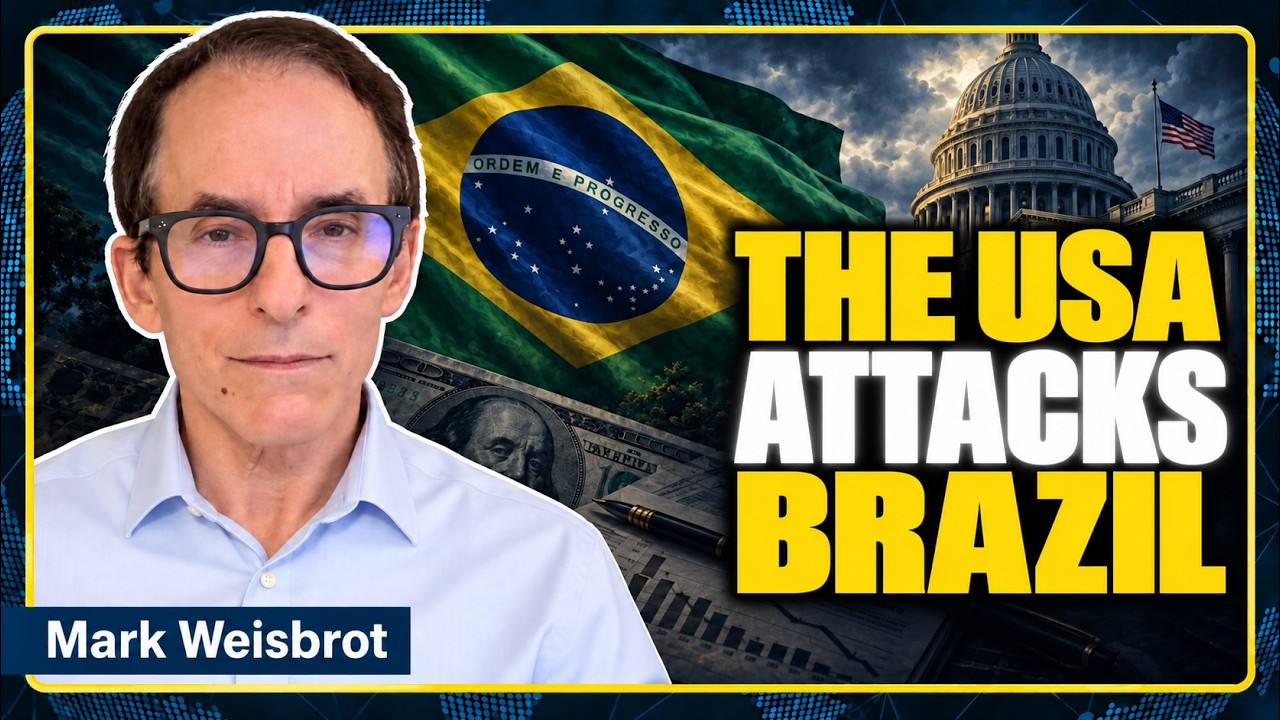
Economist Mark Weisbrot examines Washington's long history of election meddling and regime change across Latin America, focusing on Brazil's election, dollar sanctions, IMF lending and economic sovereignty.

A Florida-based armed plot to overthrow Cuba's government is examined alongside the US oil blockade, the social media war, and international complicity in Washington's economic warfare against the island.

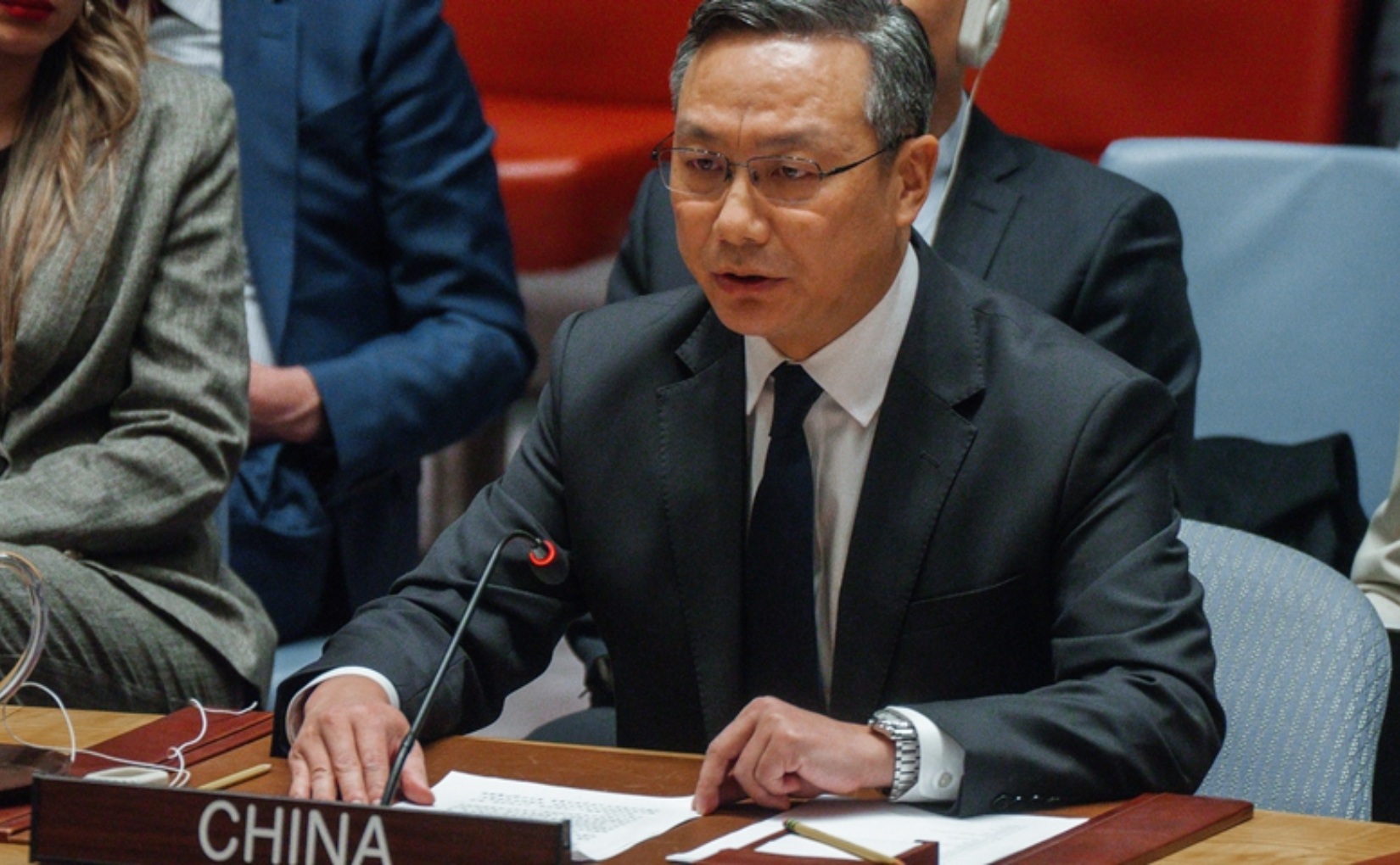
Sun Lei, China's deputy UN representative, rebutted Western criticism at the Third Committee, condemning smears by the UK, Australia, Japan and others while citing China's poverty gains and UK poverty figures.
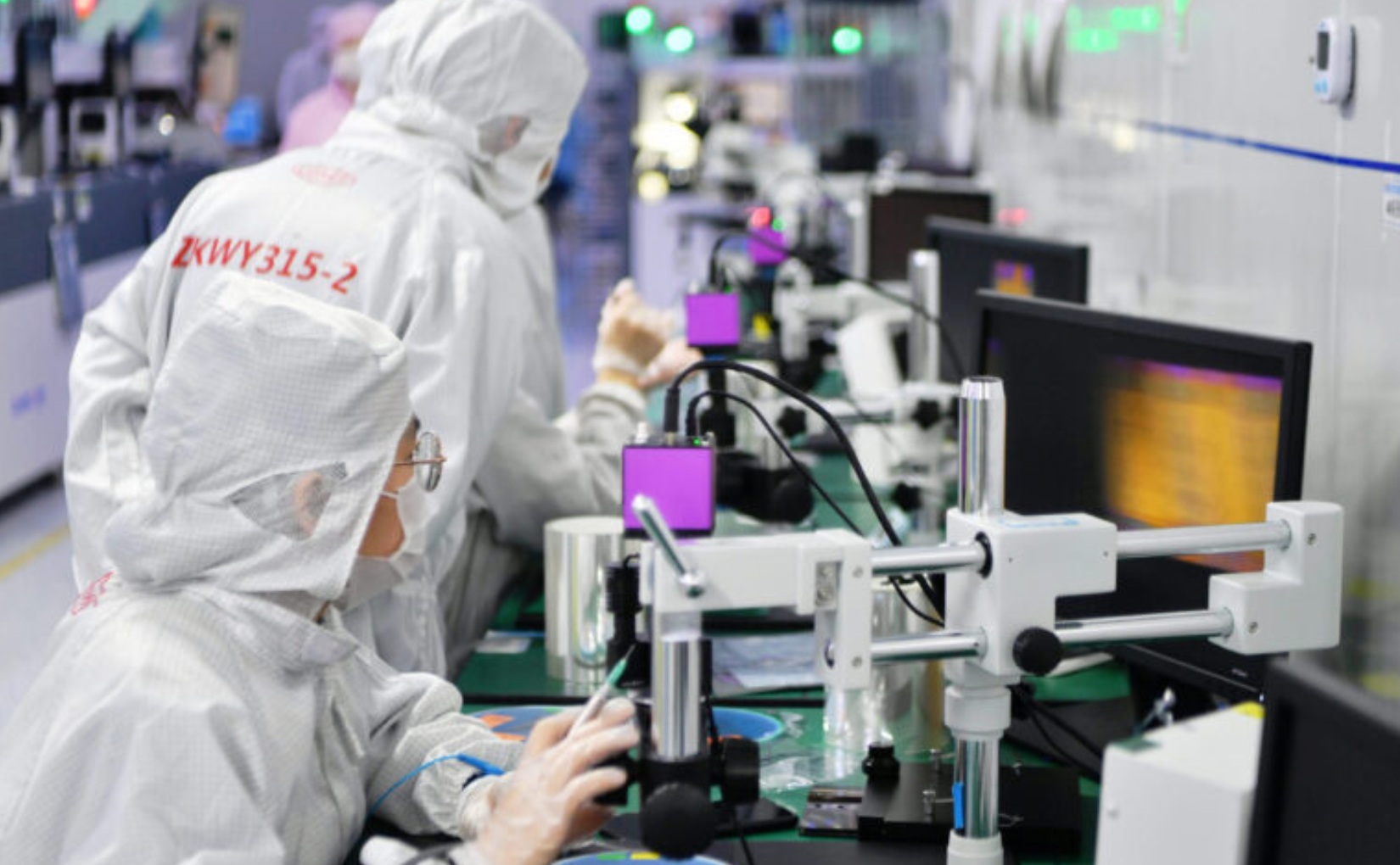
The US chip blockade that once helped cripple the Soviet computer industry is being turned on China, but China's deep integration in world markets and state planning of AI and power infrastructure limit its effect.

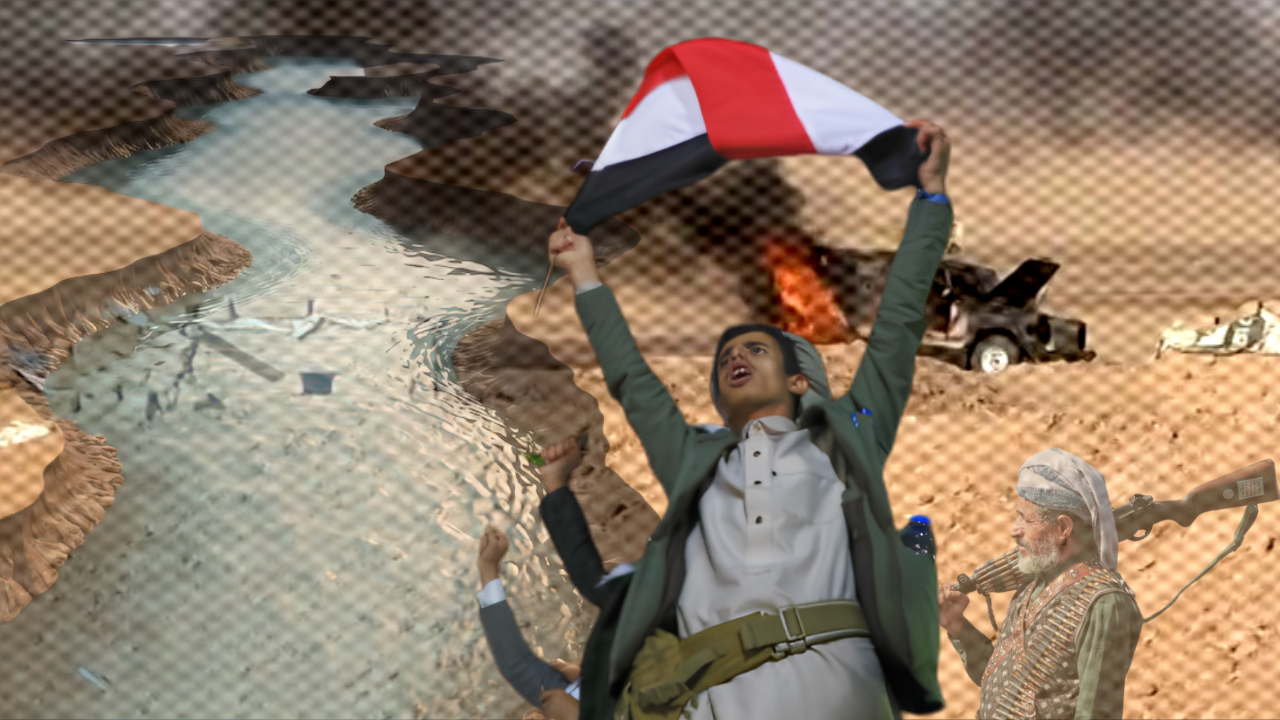
Mohammad Marandi argues that Saudi Arabia's war in Yemen has failed, rejecting the claim that Yemen's resistance forces are mere Iranian proxies and examining Iran's economy under Western sanctions.

An anti-imperialist feminist statement denouncing the US detention of Cilia Flores and Nicolás Maduro, framing it as gendered political violence and demanding freedom, an end to blockades, and regional sovereignty.
Washington's chip and AI blockade of China is compared to the Cold War CoCom embargo that helped sink the Soviet economy, arguing China's planned AI build-out and light military burden let it resist.

Yemen's Ansarallah strikes Saudi Arabia's King Khaled airport and Abqaiq oil facility, exposing Saudi vulnerability, while US prosecutors pursue new charges against Nicolás Maduro and his wife.

Venezuela's Termozulia TZ5 unit adds 150 megawatts to the national grid as part of a government plan to recover thermoelectric plants and ease blackouts worsened by US sanctions and El Niño heat.

Former British diplomat Ian Proud recounts being detained at Heathrow after attending Russia's Valdai Club, discussing sanctions, foreign influence rules and Europe's shrinking space for dissent.

The IMF-World Bank's 2026 debt framework adds a domestic debt module but keeps a residency-based definition that hides currency mismatch, as Cambodia and Maldives show dollarisation, not debt size, is the real constraint.

Evo Morales discusses US sanctions on Bolivia's attorney general Roger Mariaca and the alleged influence of Argentine consultant Fernando Cerimedo in Bolivian politics.

Yemen's Ansar Allah seized the Galaxy Leader cargo ship in the Red Sea, holding its crew and turning the vessel into a tourist attraction while demanding an end to attacks on Gaza.

Australian solidarity groups rallied to demand the Labor government pressure Washington to halt alleged invasion plans and lift the decades-long blockades of Cuba and Venezuela.

Mohammad Marandi argues that a renewed US war on Iran is likely but avoidable, warning that strikes on Iranian infrastructure could trigger Gulf-wide retaliation and a global economic crisis.

Caleb Maupin recounts sailing on a 2015 Red Crescent aid mission to break the Saudi siege of Yemen and discusses the origins of Ansar Allah and Arab attitudes toward it.

After a US military strike and the abduction of Maduro, Venezuela's government has accepted oil deals and foreign-policy alignment with Washington, eroding the sovereignty and socialist gains of the Bolivarian Revolution.

John Ross, a British economist at Renmin University, calls the Xi-Trump summit positive mainly because the US launched no big attacks on China, though few substantial agreements emerged and the tariff truce ran only to January.

Brazil's election pits Lula against Flávio Bolsonaro amid documented US and Russian interference, AI disinformation, tariffs tied to Jair Bolsonaro's prosecution, and a fight over the Pix payment system.

A new report documents thousands of military cargo shipments flown to Israeli weapons manufacturers on United Airlines passenger flights, and organisers explain why civilian airports are a key point of intervention.