

Anti-imperialismGeopoliticsResistanceMarxismPhilosophyArt & Culture
🚜 Agriculture
Resources About Topic
The Tricontinental
Anti-Imperialist Scholars Collective
Reason2Resist with Dimitri Lascaris
BreakThrough News
Upstream Podcast
Dr. Jason Hickel
Journal of International Solidarity
The New Atlas
Rev Left Radio
The Red Nation
Red Anti-Imperialist Collective
The Electronic Intifada
Free Palestine TV
India and Global Left
Propaganda & Co.
Colonial Outcasts
Friends of Socialist China
Monthly Review
African Renaissance Podcast
Iskra Books
Agrarian South Network
Sovereign Media
Orinoco Tribune
LANDBACK Action Network
The Grayzone
Neutrality Studies
Coalition for the Elimination of Imperialism in Africa
Hood Communist
Peoples Dispatch
ProlesPod
Progressive International
Work Stoppage
Mint Press News
The Spearhead
Voice of the Proletariat
International People's Assembly
Amy Yang
Dr. Bikrum Gill
International Development Economics Associates
Bandung Circuits
Find the Signal
Inkani Books
Guerrilla History
Guilhotina.info
Inner City Left
The Dialectics of Destruction
The Anti-Empire Project
The East is a Podcast
Browse all items
📕 180 articles · 📙 6 books · 🎧 60 podcasts · 👁️ 56 videos
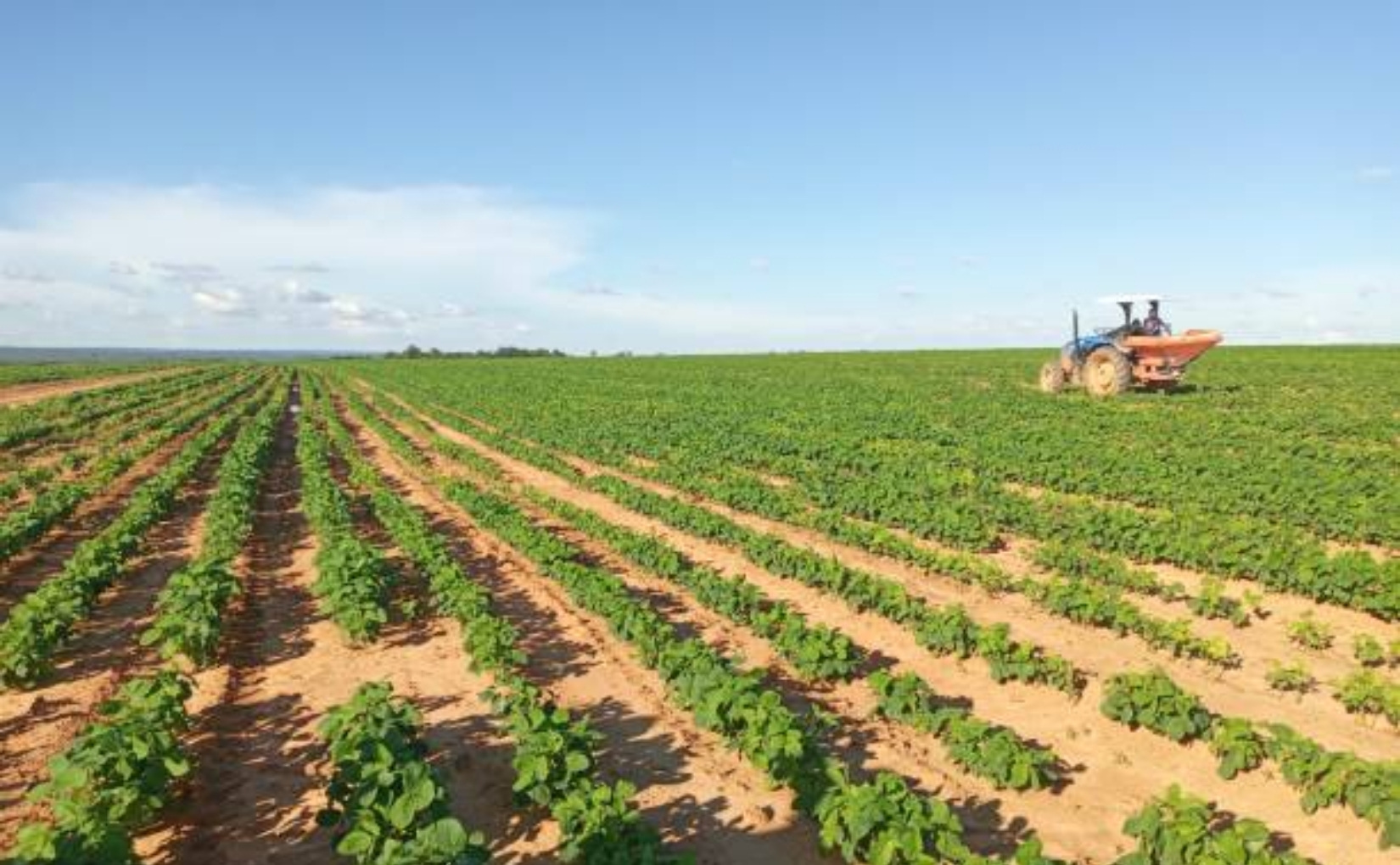
A study of the German Democratic Republic's agricultural transformation, tracing land reform, cooperative farming and large-scale socialist production as an alternative to capitalist agribusiness and global hunger.

Venezuela's acting president announced the Venezuela Alimenta food plan at the FAO World Food Forum in Rome and held bilateral talks with Angola and the Dominican Republic on food security and energy cooperation.

Venezuelan Acting President Delcy Rodríguez attends the FAO World Food Forum in Rome, promoting food as a human right while questions arise over the foreign-registered aircraft used for her official travel.

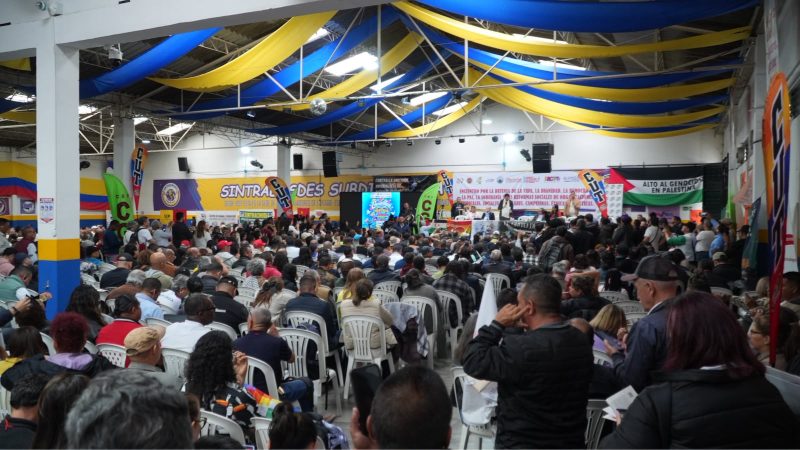
Colombian unions, farmers, indigenous and student groups met in Bogotá to plan a national strike against President De La Espriella's security, austerity and privatisation policies, with regional mobilisations from October.

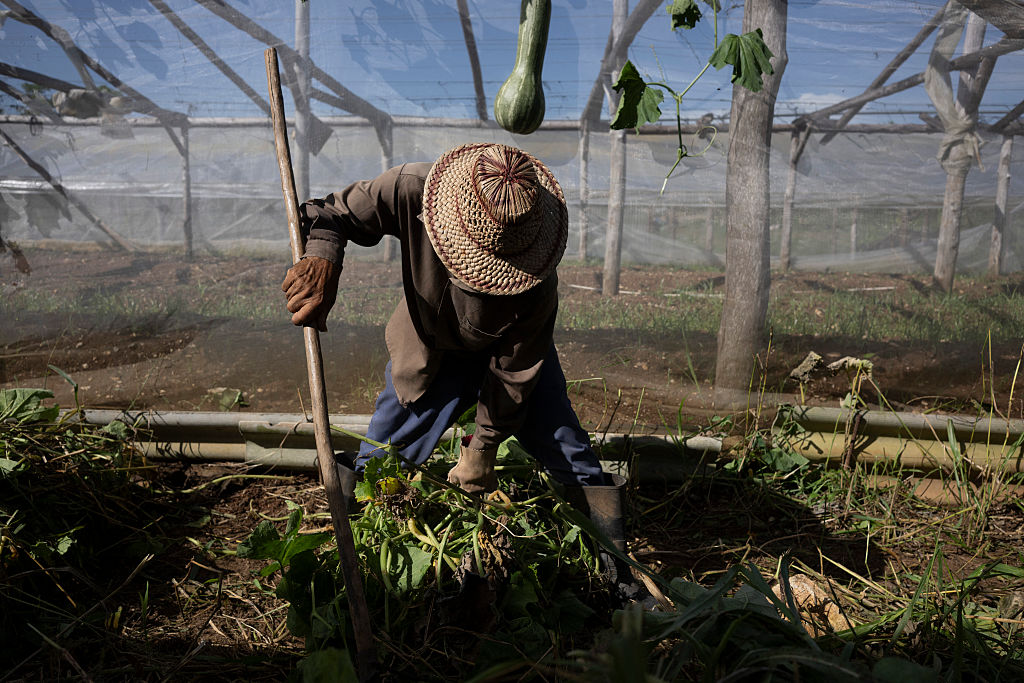
Venezuelan rural communes in Bolívar state pursue agroecological food production and collective land use, framing food sovereignty as a human right against corporate control and market logic.

A discussion of how Western capitalism's rise rested on appropriating Indigenous ecological worlds in the Americas, and how the agrarian question shaped Southern sovereignty and decolonisation.

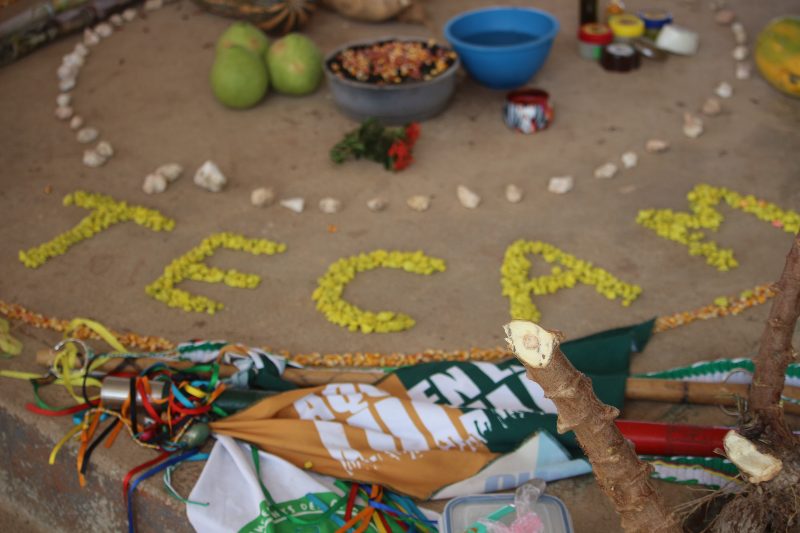
Peasants in Colombia's Catatumbo region defend their land, culture and history against state-backed paramilitarism, militarisation, drone strikes and herbicide spraying tied to resource extraction.

A survey of anti-China scares in the British right-wing press, from tractor chips to wind turbines, arguing the evidence is absent and the real purpose is backing the US-led New Cold War.

Venezuela and Suriname signed ten bilateral accords on fishing, energy, food production, transport, tourism and education, deepening sovereign cooperation while leaving a PDVSA assets dispute unresolved.

Transport workers and Indigenous delegations protest in Guatemala City over rising fuel costs, arguing a congressional subsidy fails to address import dependence and oligopolistic market concentration.

Venezuela restarts the Chivacoa-Barquisimeto railway after extensive repairs, offering affordable transport for hundreds daily and reviving Chávez-era plans to integrate the central-western region.

Applies Marxist metabolic analysis to demonstrate how capitalist agrifood production disrupts soil nutrient cycles, causing excessive runoff that creates marine dead zones and harmful algal blooms.

A Venezuelan campesino collective in Bolívar State denounces the arbitrary revocation of its land title, facing intimidation and eviction threats, and calls on the government to protect land workers and restore their deed.

New US sanctions on Cuba's state importer and port operator escalate a strategy of using food dependency as leverage, deepening shortages while preserving American agribusiness's grip on the island's market.
In Rongjiang, a poor Chinese county, villagers use AI for e-commerce and cultural promotion, building on the success of the Village Super League.

A Gaza resident recounts the destruction of al-Maghazi camp, the loss of his family's olive grove to Israeli bulldozers, and the creeping yellow line that now swallows his land.

Eritrea's revolutionary government has achieved notable progress in women's rights, food security, healthcare, and education despite Western sanctions and aggression, which serve to delegitimize its sovereignty and control the Bab el-Mandeb Strait.

Botanist Joey Santore critiques North American landscapes shaped by suburban sprawl, renter economies, and corporate greed, advocating for native plants, community green spaces, and a deeper human connection to ecology.

Israel's apologists cherry-pick a UNICEF figure to deny the engineered famine in Gaza, ignoring the report's context and ongoing crisis-level food insecurity.

Zimbabwe's finance minister cites China's model of secure, transferable land tenure to unlock agricultural value, proposing reforms to consolidate the country's land reform gains.

Former Constitutional Court Justice Edwin Cameron discusses treating drug dependency as a public health issue, the failures of the war on drugs, and the challenges facing South Africa's justice system and democracy.

Colombian peasant leaders analyse the threat posed by the incoming De la Espriella government, its ties to paramilitarism and agribusiness, and the need for unity and mobilisation to defend land reform.

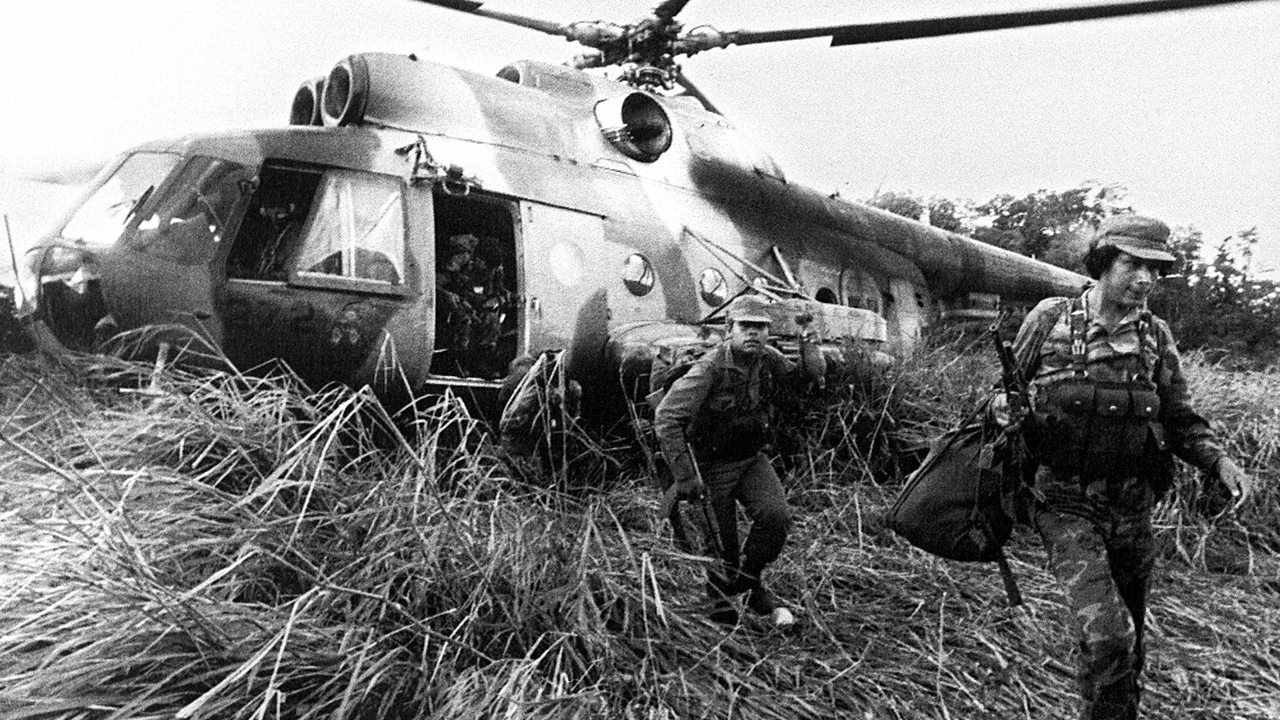
A Witness for Peace volunteer recounts the 1985 Contra massacre at Chicopipe, Nicaragua, documenting the torture and killing of peasants and the enduring trauma and resilience of rural communities.

Reports from southern Lebanon on Israeli drone attacks and white phosphorus strikes on Ali Taher Hill and Zawtar's farms, detailing the destruction of agricultural land and the resistance's response.

At a festival in Tyre, Lebanese from across the country gather to celebrate life and unity, honoring Hezbollah's 2006 victory and the martyred leaders Nasrallah and Khamenei, while affirming resistance against Israeli attacks.

Gaza's grape farmers face destroyed vineyards, water scarcity, and Israeli attacks, yet they replant and strive to revive their cultural and agricultural heritage despite immense hardship.

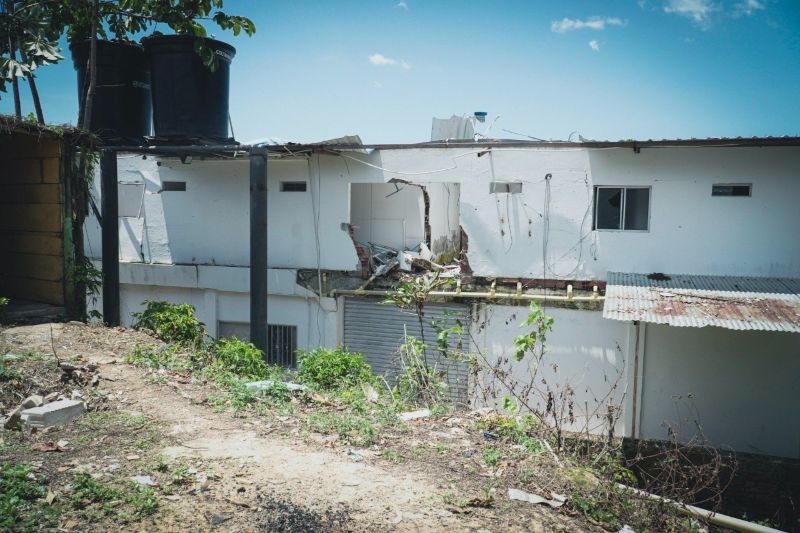
Displaced Lebanese women reclaim a bombed-out site near Tyre into a thriving organic farm, using indigenous methods to feed their community and resist Israeli ecocide and genocide.

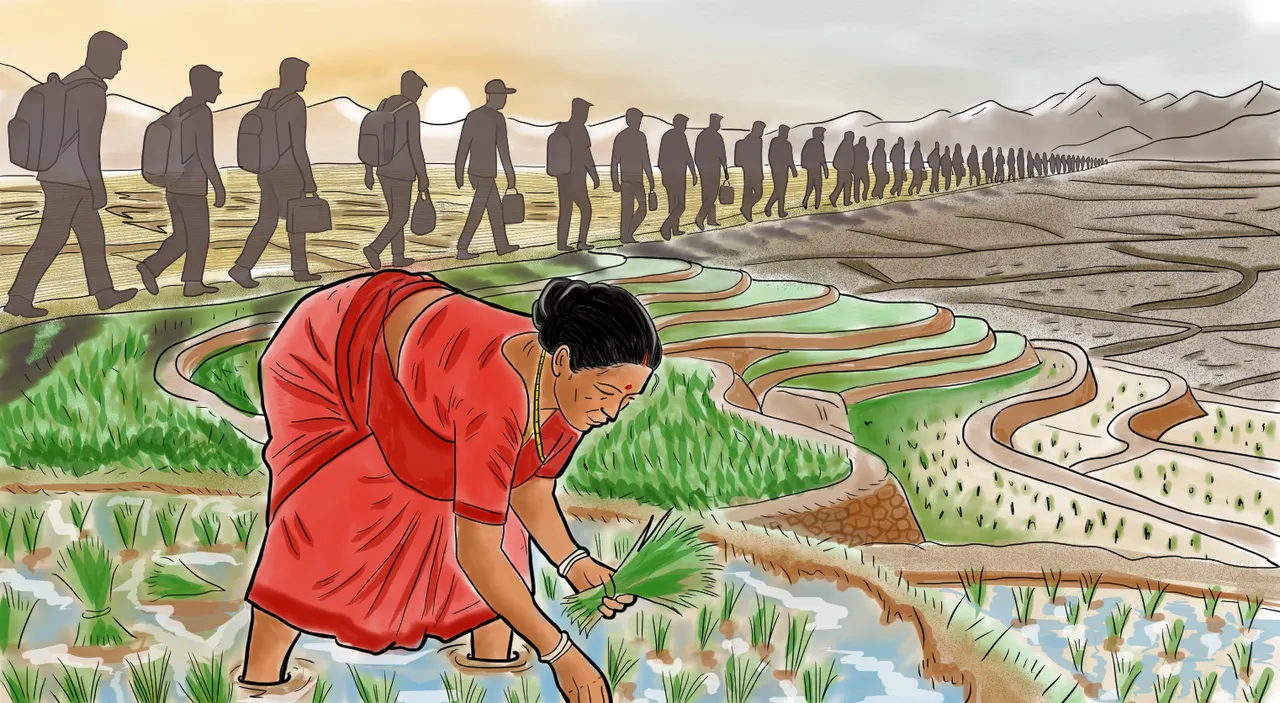
As male out-migration leaves Nepal's farms to women, female farmers face heavier workloads, insecure land rights and climate pressures, while digital tools offer uneven gains.

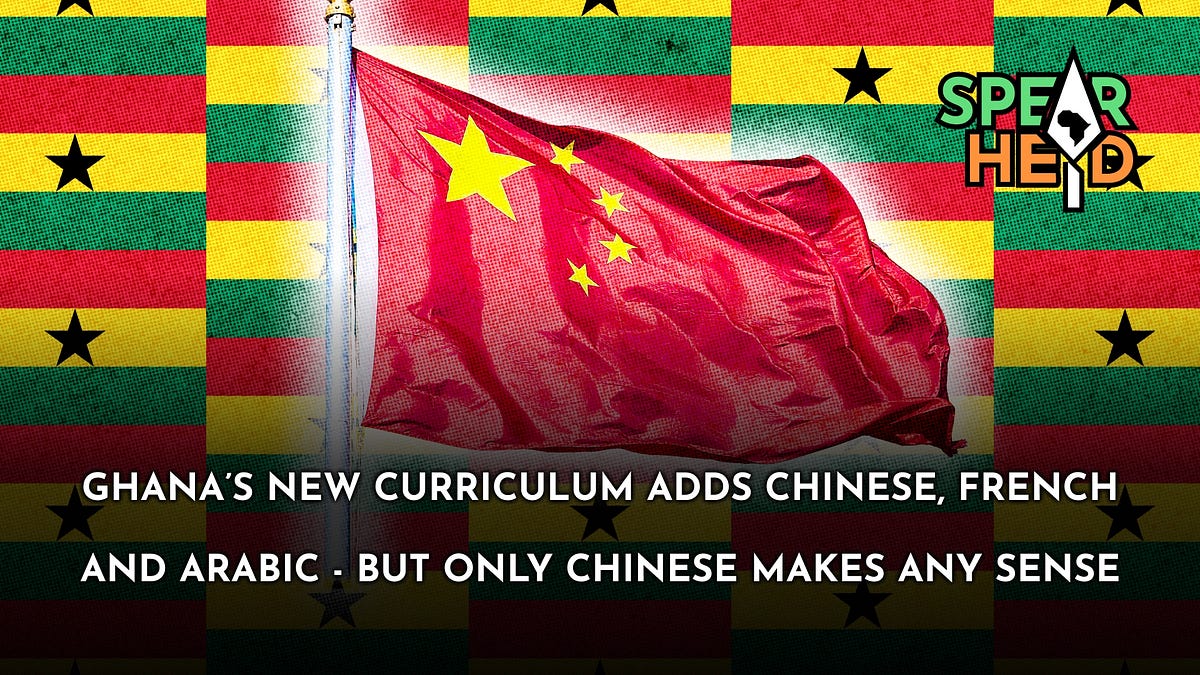
Ghana's new curriculum adding Chinese, French, and Arabic as electives is critiqued: only Chinese offers economic value, while indigenous languages and Swahili remain neglected for continental commerce.

Record European heat, drought and fires expose climate breakdown, while China's state-directed clean energy buildout shows transition is possible but market logic keeps fossil fuels burning under US power.

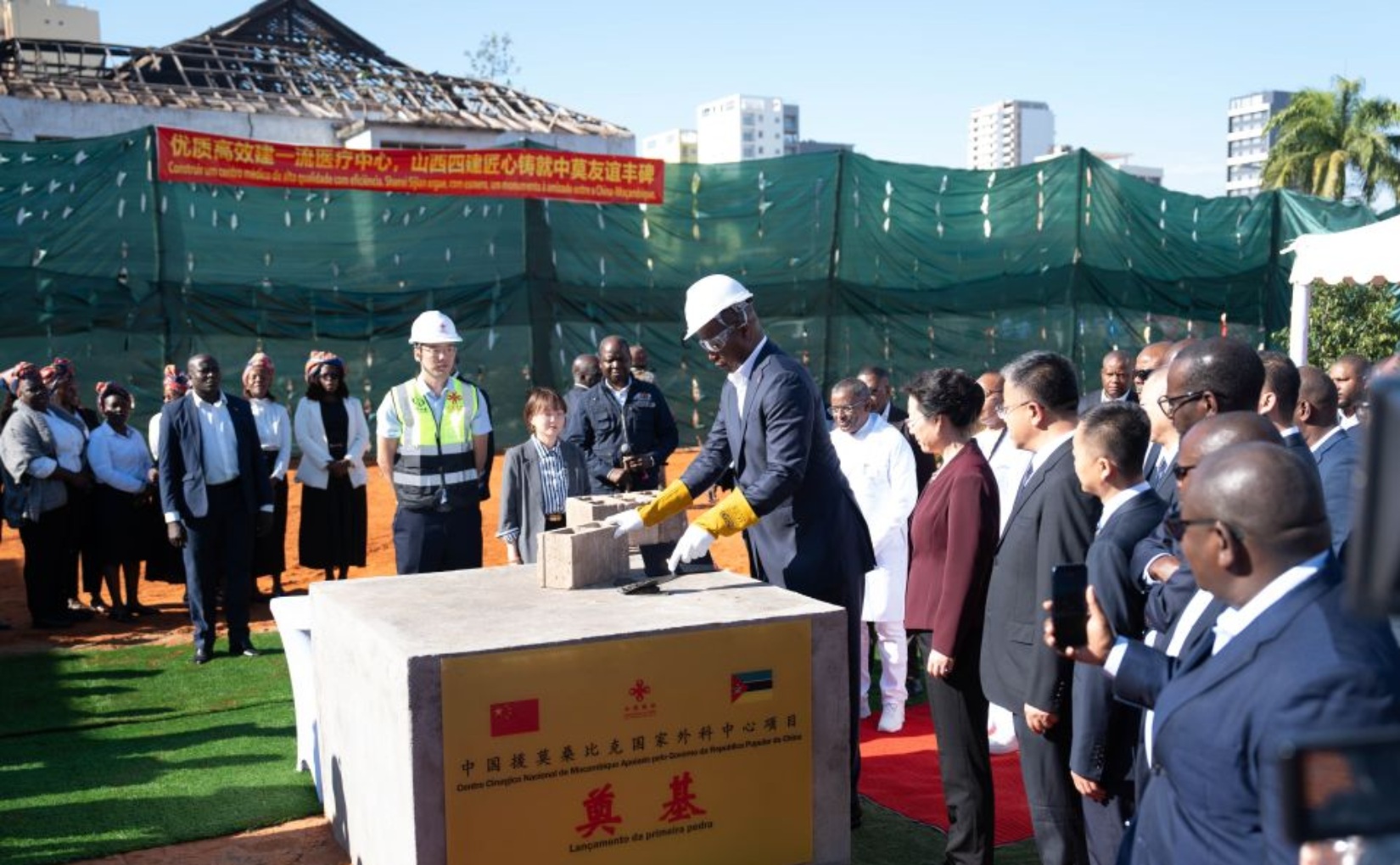
China's development projects across southern and central Africa, from healthcare to wind energy and lithium processing, are deepening ties and economic cooperation.

A visit to AgriMovement's Jadra farm in Lebanon shows how grassroots, sustainable agriculture builds food sovereignty and resists imperialist ecocide and the pesticide-driven green revolution.