
Article
From Liberalism to Fascism: An Analysis of the Social Basis of Fascism

Analyzes fascism as a historically intelligible response of capital in crisis when liberal forms of rule fail to contain class contradictions.
1 of 16
Analyzes fascism as a historically intelligible response of capital in crisis when liberal forms of rule fail to contain class contradictions.
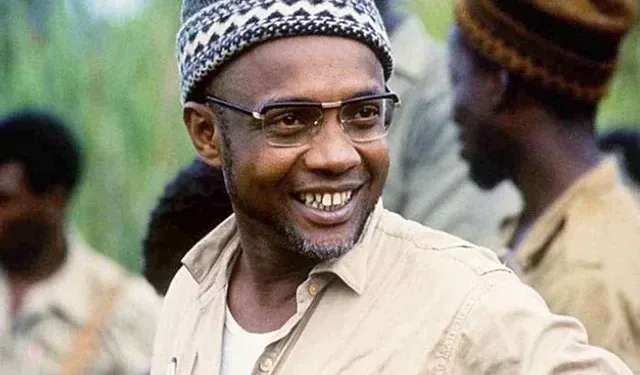
This collection of Amilcar Cabral's speeches and writings details the anti-colonial liberation struggle in Portuguese Africa, emphasizing revolutionary theory, cultural identity, and the strategic practice of the PAIGC in Guinea-Bissau and Cape Verde.
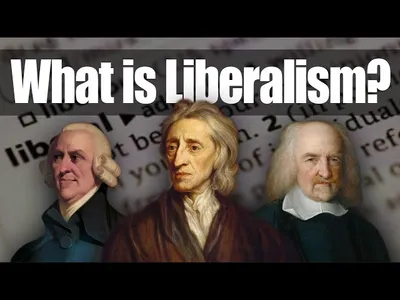
Analyzes liberalism through historical materialism, tracing its origins from feudalism to capitalism and arguing that liberal rights fundamentally serve private property interests.
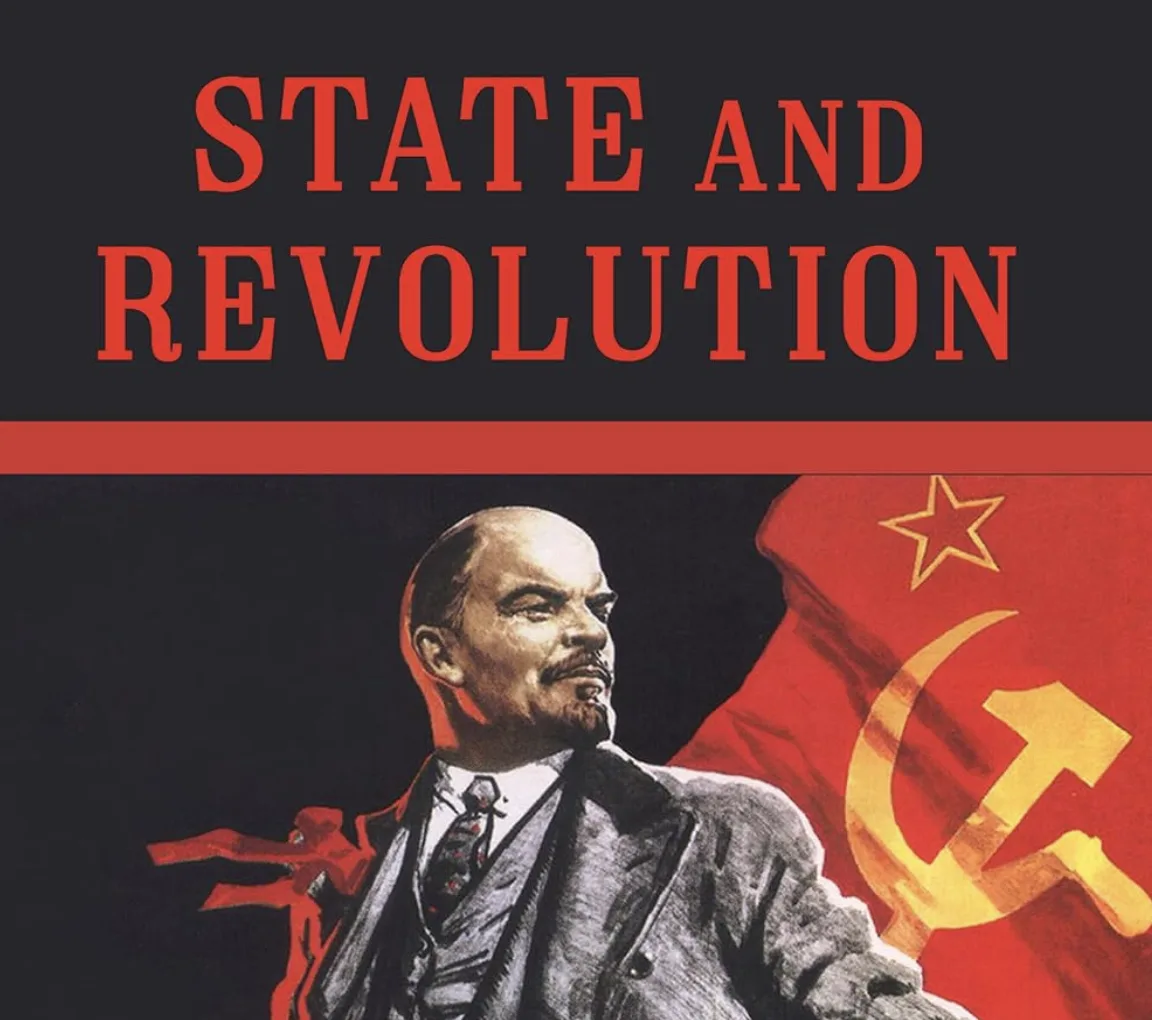
The state, a product of class antagonisms, is an instrument for exploiting the oppressed class, and must be smashed by violent revolution before it can wither away. Drawing on the Paris Commune and revolutions of 1848-51, it outlines replacing bourgeois parliamentarism and criticizes opportunists who vulgarize Marxism, ultimately depicting the transition to communism.

The global left-right ideological spectrum has fractured as post-Cold War globalization declined, creating a new ideological landscape with China reshaping the 21st-century world order.

The United Nations, historically unable to prevent imperialist destabilization in Africa, can only serve liberation struggles when anti-imperialist forces build independent military, economic, and diplomatic power outside its framework.
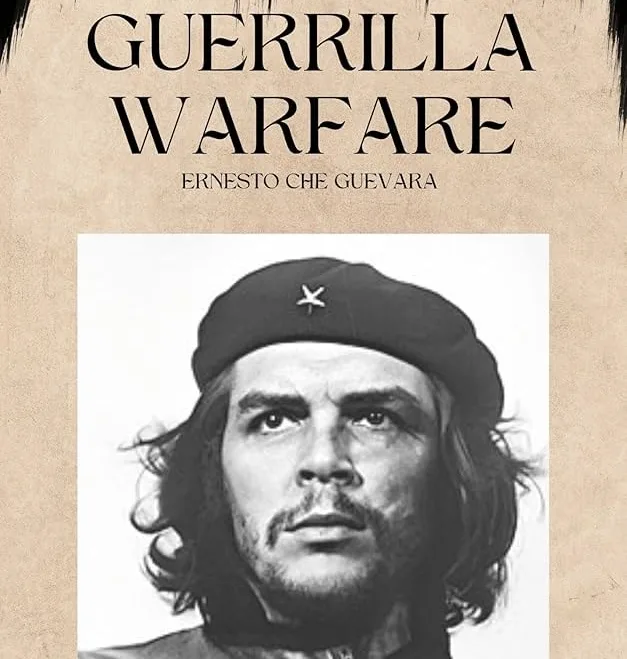
Che Guevara's manual theorizes guerrilla warfare as an agrarian revolutionary struggle, outlining strategy, tactics, and organization for armed resistance against established power, emphasizing popular support and the path to social justice.
Hakim argues that liberalism functions as a tool for imperialism, colonialism, and economic exploitation through mechanisms like structural adjustment programs.

Critiques Partyism as a Marxist repackaging of liberalism that reproduces its limitations and fails to provide an effective alternative for communist organizing.

The author argues that Western socialists must overcome liberal individualism and nihilism by embracing a materialist, progressive patriotism that unites diverse groups against capitalism.

The author critiques American Marxist-Leninist parties for participating in bourgeois elections, arguing that such electoralism is a form of revisionist opportunism that betrays revolutionary theory.
Examines the state of the anti-imperialist left in the global north, global political shifts, and the role of spirituality in revolutionary politics during challenging times.

Argues that identity politics, as practiced by Western progressives, divides the working class and serves bourgeois interests by replacing material class struggle with symbolic recognition and moral posturing.

Zohran Mamdani's mayoral victory exemplifies liberalism's co-optation of resistance, where representation replaces real confrontation with imperial power.
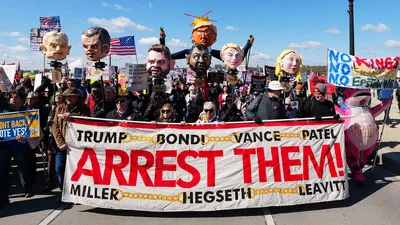
Critiques 'No Kings' protests as performative liberalism, arguing that such demonstrations fail to address material issues like imperialist wars and capitalist exploitation, ultimately upholding the status quo.
Argues that electoral politics is a distraction from effective resistance and that resources should be directed toward direct action in communities.