


Article
Towards a World Order without Hegemony: A Proposal from the Global South
Explores the Global South's alternative vision to hegemonic world order through China's development path and historical anti-colonial struggles.
1 of 23
Explores the Global South's alternative vision to hegemonic world order through China's development path and historical anti-colonial struggles.
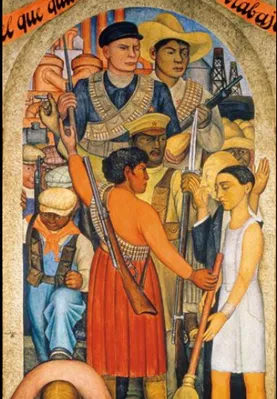
Extends Marxist theory to explain socialist revolutions in the Global South by highlighting the overlooked 'workers' side' of Marxism.
Africa's underdevelopment was actively produced by European capitalism through the slave trade and colonialism, expropriating surplus and distorting economies.
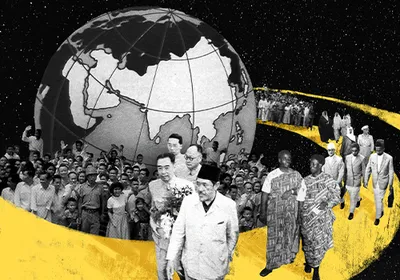
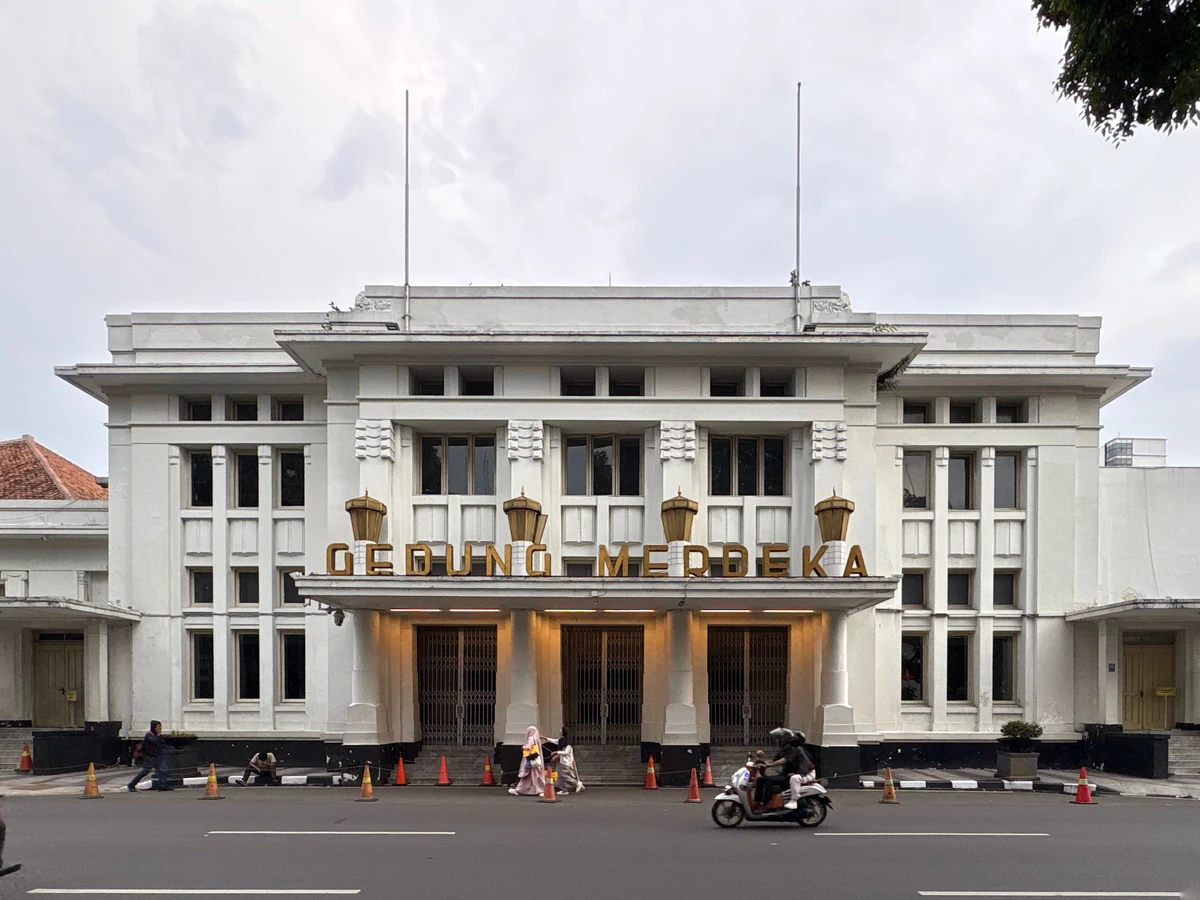
The Bandung Spirit of 1955, born from anti-colonial solidarity, influences contemporary Global South movements seeking economic independence and multilateralism.
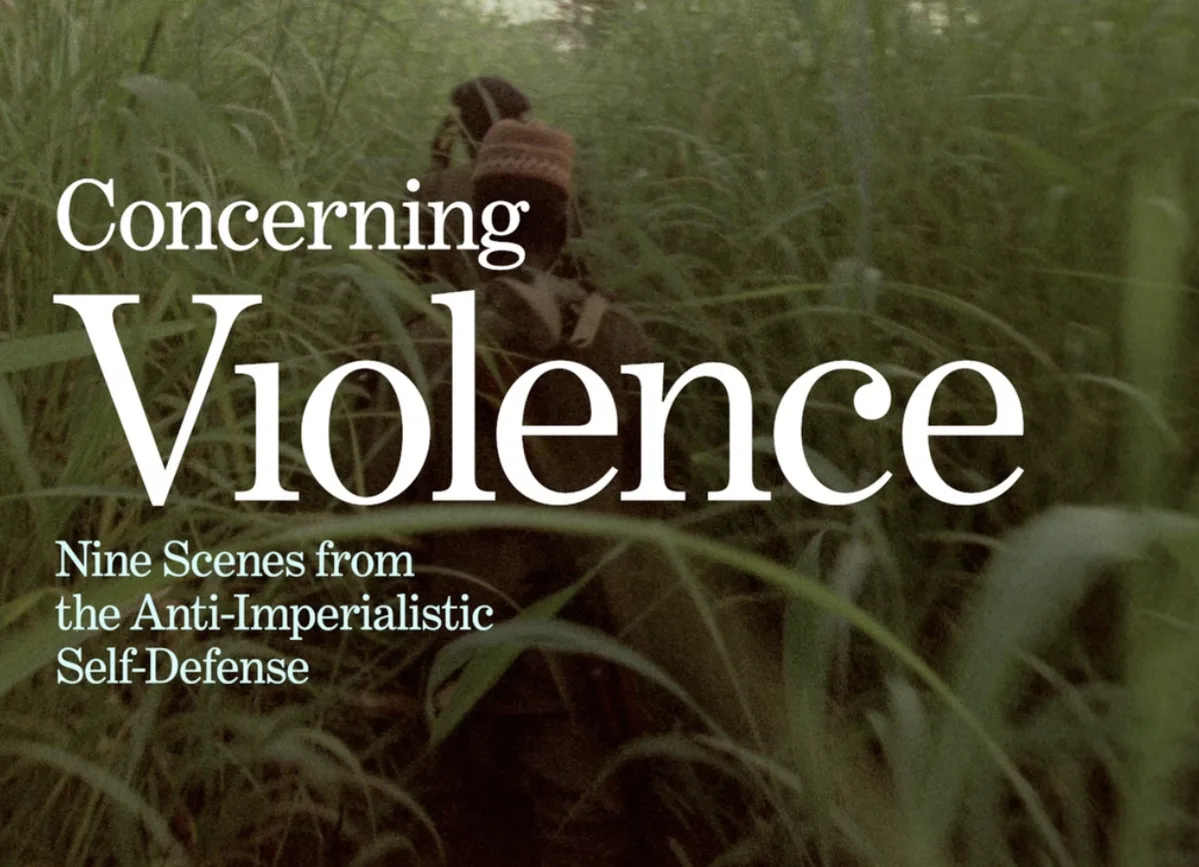
A bold visual narrative blending African liberation archive footage with Frantz Fanon's anti-colonial writings, illuminating neocolonialism and resistance.
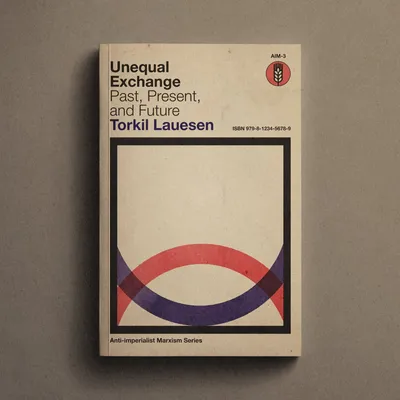
Industrialized countries transfer value by exchanging one hour of their labor for 5-15 hours of labor in underdeveloped nations. The work details mechanisms like global production chains, labor arbitrage, and ecological costs, examines political consequences such as the 'imperial mode of living' that fractures working-class solidarity, and shows how unequal exchange drives polarized development.
A discussion of how Western capitalism's rise rested on appropriating Indigenous ecological worlds in the Americas, and how the agrarian question shaped Southern sovereignty and decolonisation.

The Global South's refusal to align with Western positions on Russia is accelerating a shift toward a multipolar world order as developing countries pursue their own interests.
Frantz Fanon's landmark work analyzes decolonization, the violence of colonial rule, and the psychosocial effects of oppression on the colonized, calling for the creation of a new humanism through national liberation and international solidarity.
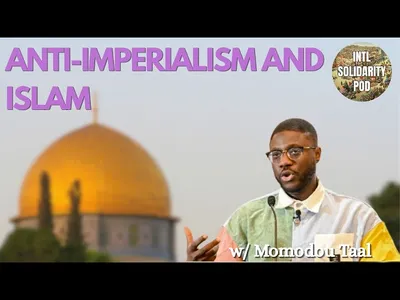
Momodou Taal analyzes the shift from Marxist to Islamic anti-imperialism, examining theological frameworks within West Asian resistance movements.
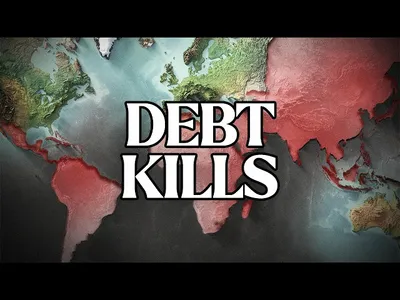
Argues that the global divide between rich and poor nations was manufactured through centuries of imperial extraction and the IMF's structural adjustment programs, which reversed postcolonial development gains by imposing austerity, privatization, and trade liberalization.
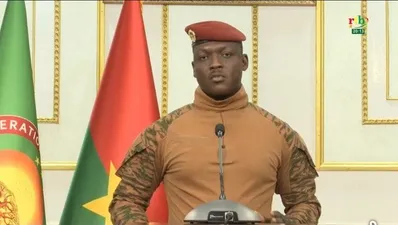
President Ibrahim Traoré outlined a revolutionary Pan-African vision for Burkina Faso focused on sovereignty, security, food self-sufficiency, and rejecting neocolonial dependency in his New Year address.
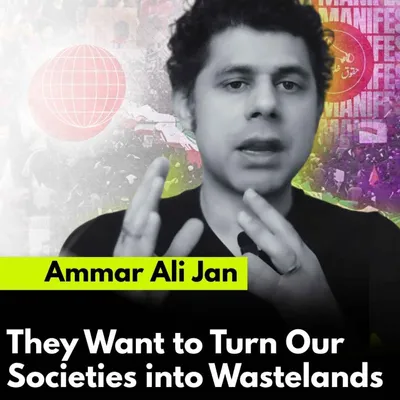
Pakistani activist Ammar Ali Jan discusses Iran's defiance after US strikes, Pakistan's contradictory position between IMF elites and a pro-China future, and the urgent need for Global South solidarity against empire.
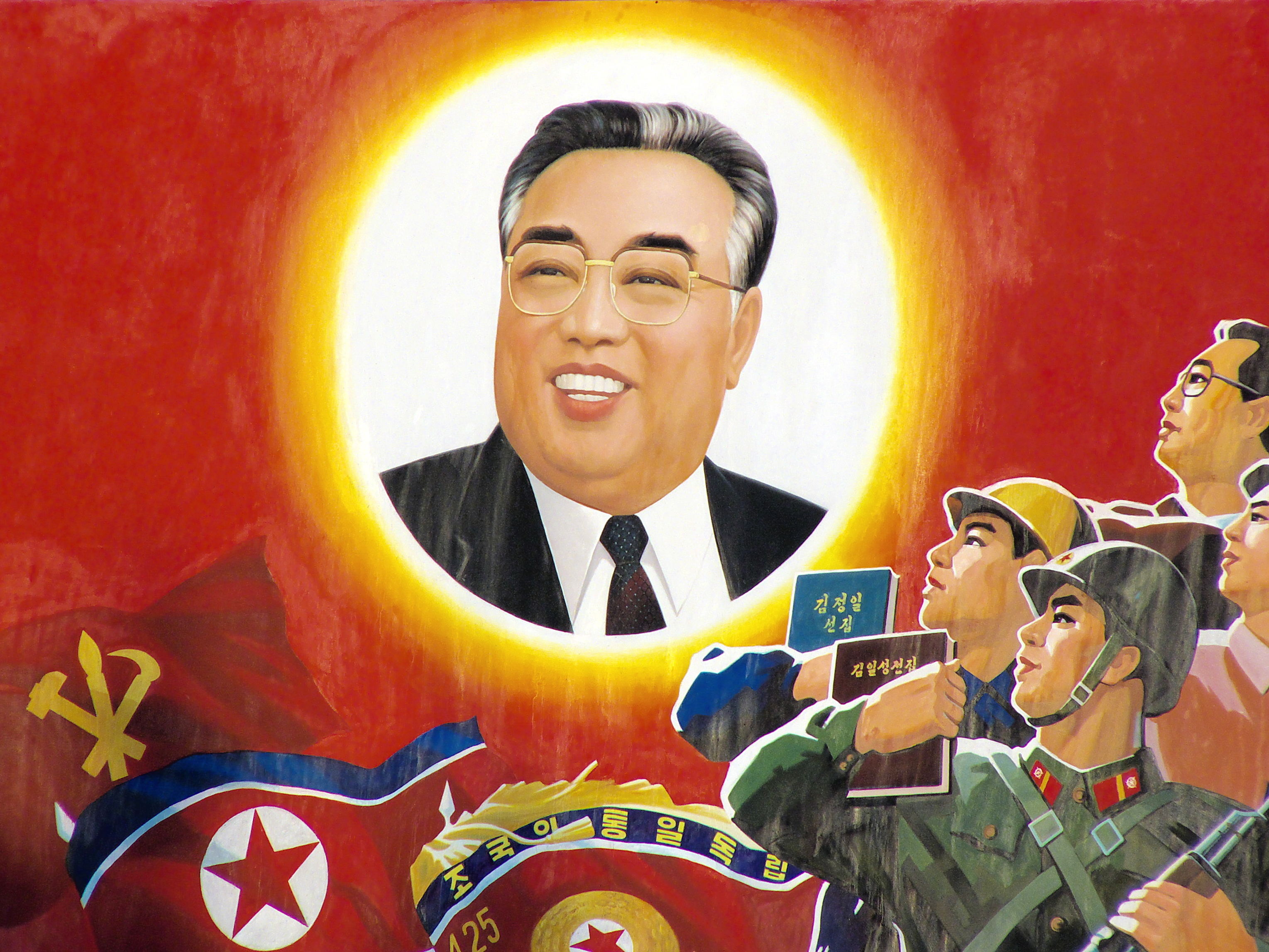
Kim Il Sung affirms the inevitable victory of anti-imperialist revolutions in Asia, Africa, and Latin America.
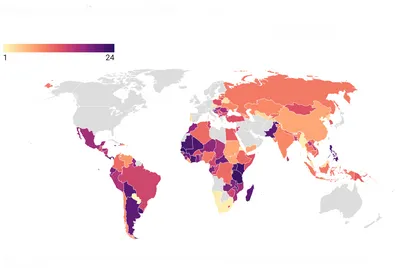
IMF and World Bank structural adjustment programs devastated global South economies, causing widespread poverty and millions of preventable deaths.
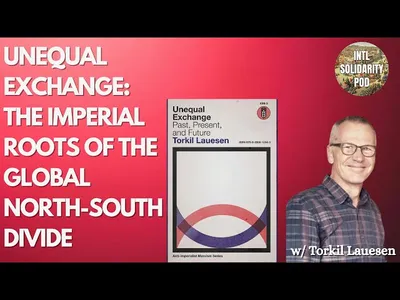
Torkil Lauesen explains unequal exchange theory to analyze economic disparities between the Global North and South, ecological impacts, and resistance strategies.

Russia has become a valuable anti-imperialist partner for African countries, contrasting with Western colonial powers and supporting sovereignty in the Alliance of Sahel States.

This paper applies Frantz Fanon's theories to argue that true decolonization requires violently overturning global capitalist property relations to reclaim land and sovereignty.
Jason Hickel explains how the imperial core continues extracting resources and labor from the Global South through unequal exchange.

The Global South should actively shape the new international order through non-alignment, peace initiatives, and collective security.
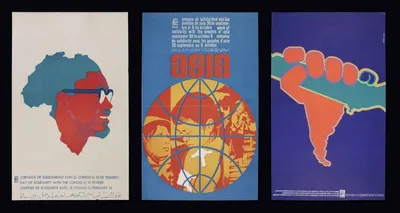
Article examines the Bandung Conference's historical significance and argues for reviving its anti-imperialist spirit to address modern global crises.

Argues that Western public opinion is permanently shifting against Israel and that Iran's resistance represents a key defeat for imperialist-Zionist narratives.
Researchers analyze how the US maintains dominance through military spending while economic power shifts to the Global South.