On Contradiction
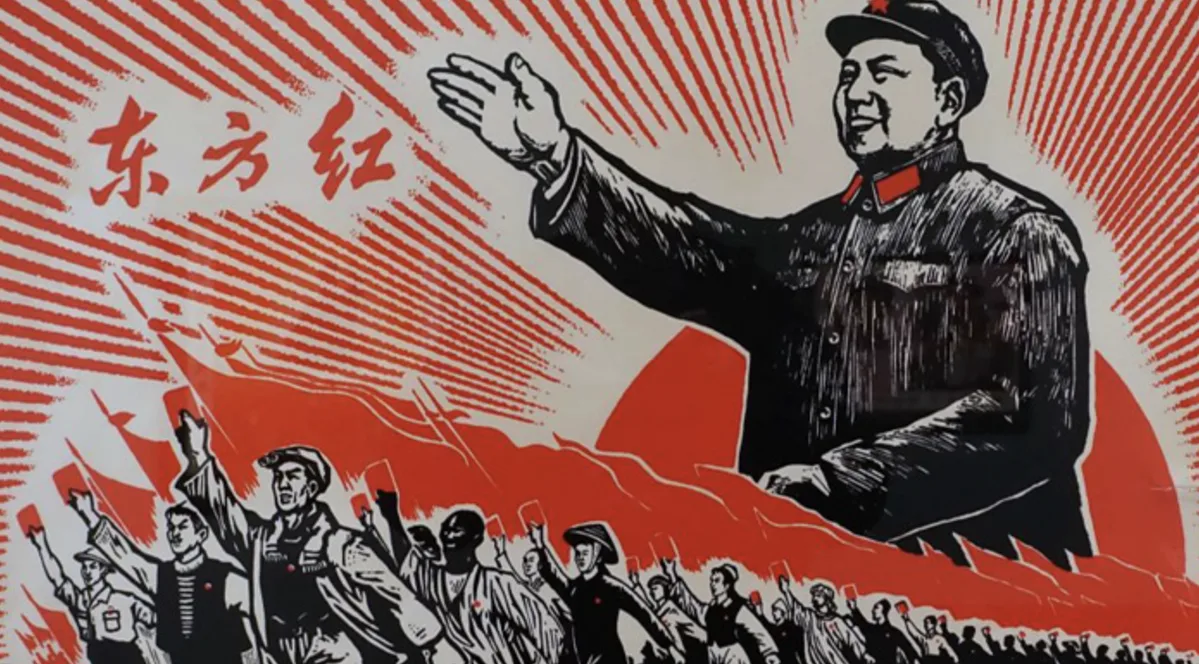
On Contradiction is a 1937 essay by the Chinese Communist revolutionary Mao Zedong. Along with On Practice, it forms the philosophical underpinnings of the political ideology that would later become Maoism.
1 of 16

On Contradiction is a 1937 essay by the Chinese Communist revolutionary Mao Zedong. Along with On Practice, it forms the philosophical underpinnings of the political ideology that would later become Maoism.
US-led imperialism has entered a new, more aggressive stage, which we call hyper-imperialism: marked by US dominance, the use of US-NATO military strikes, hybrid forms of power projection, including unilateral coercive measures, information warfare, new forms of surveillance and delegitimization of dissent.

Examines how imperialism connects global exploitation with domestic oppression of African communities in the U.S., emphasizing connections between capitalist imperialism and settler-colonialism.

For capitalism to generate greater profits than the home market can yield, the merging of banks and industrial cartels produces finance capitalism, and the exportation and investment of capital to countries with undeveloped and underdeveloped economies.
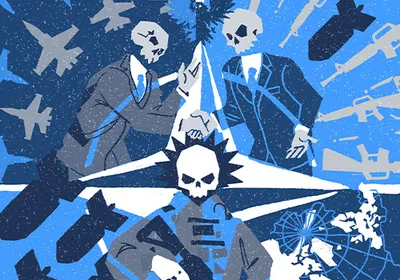
NATO serves as the military enforcement arm of Trans-Atlantic capital, enforcing the ability of the western nations to unimpeded resource and financial flows. From its founding origins by former Nazis post-WW2 to its present day regime change operations, NATO is the most dangerous organization on Earth.

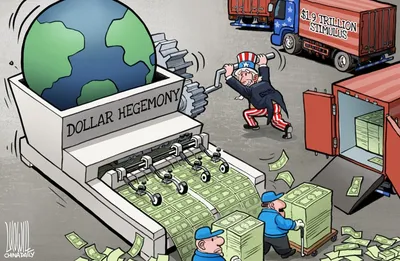
Understanding imperialism remains a crucial concept for understanding world capitalism today, and anti-imperialist struggles against US hegemony form the most essential part of any socialist strategy with any chance of success.

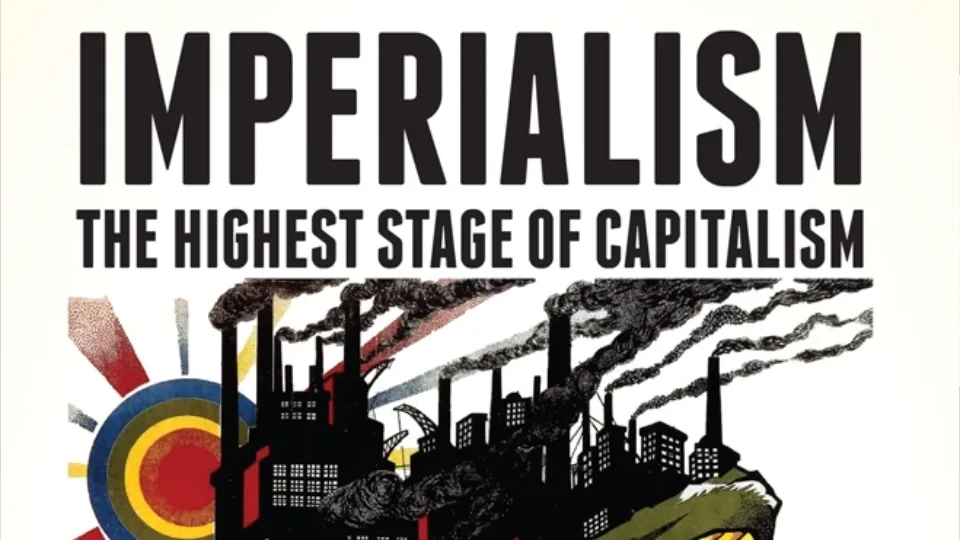
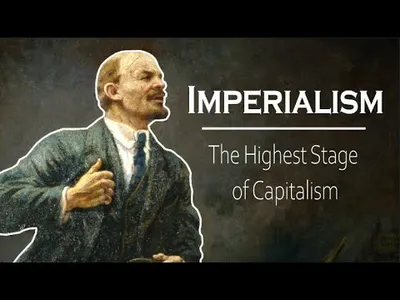
Summarizes Lenin's analysis of imperialism as the highest stage of capitalism, detailing how monopolies and finance capital drive global conflict.

Analyzes how Russia, China, and the Sahel exploit geopolitical contradictions to challenge US hegemony while critiquing Western leftists for compromising with imperialism.
Jason Hickel explains how the imperial core continues extracting resources and labor from the Global South through unequal exchange.

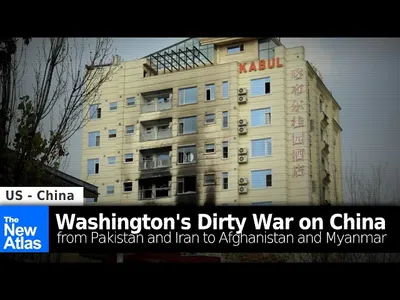
Argues the US uses armed proxies in Asia to sabotage Chinese infrastructure and energy projects while enforcing a maritime blockade.

Episode explores Mao Zedong's philosophical text on dialectical materialism and its application to revolutionary strategy.

Analyzes five characteristics of neoimperialism as the current phase of monopoly capitalism, building on Lenin's theory of imperialism.

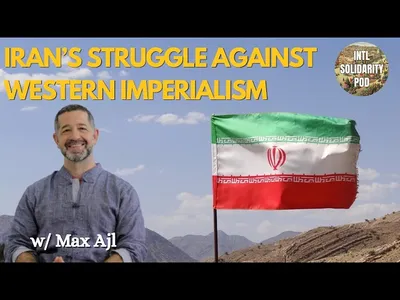
Argues that Western imperialism is the primary global contradiction, urging unconditional solidarity with Global South resistance movements to dismantle the current world order.

Analyzes eight contradictions in the imperialist 'rules-based order' and how the world is entering a new phase with declining Western influence and rising Global South resistance.